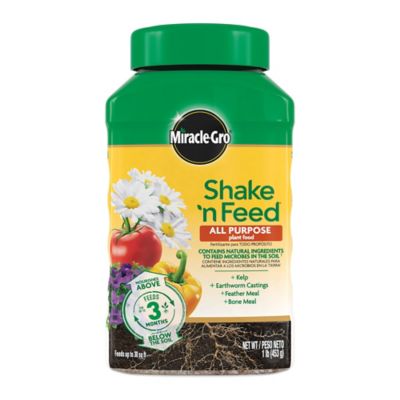
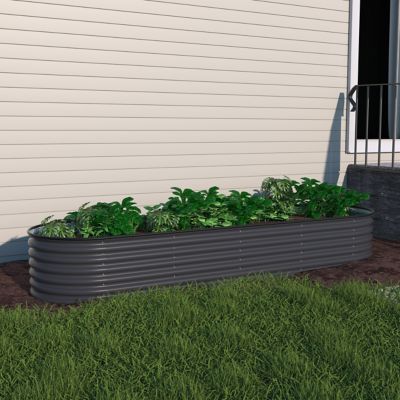
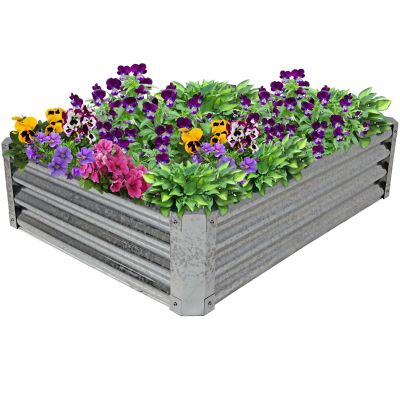
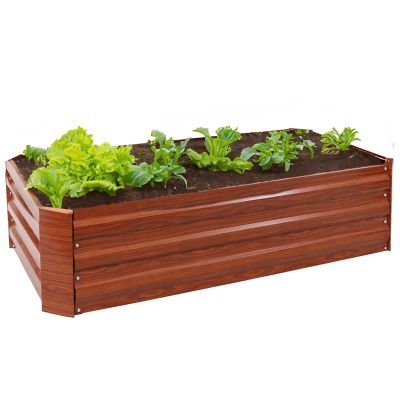
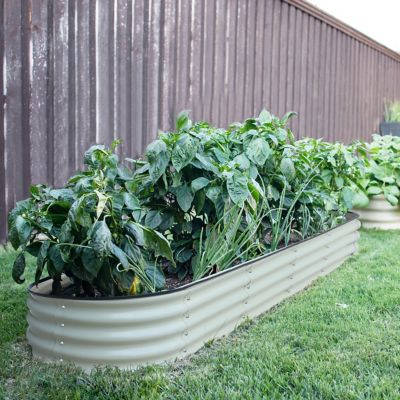
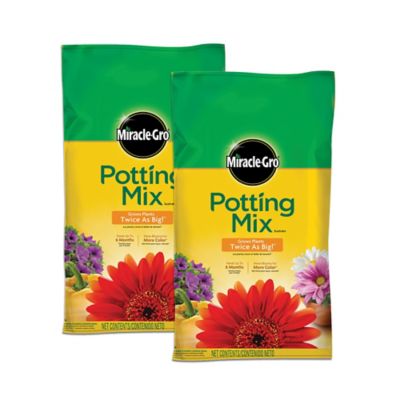
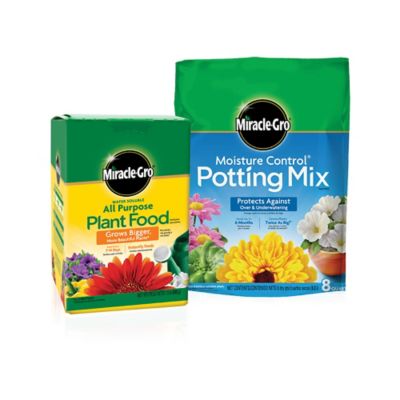
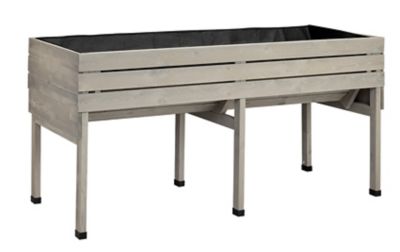
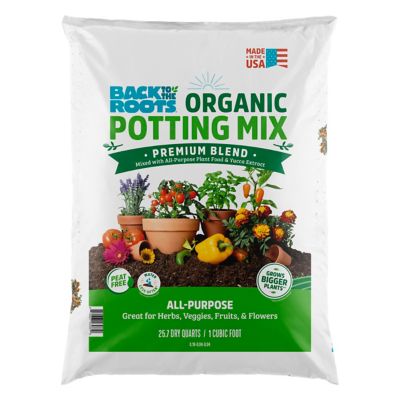
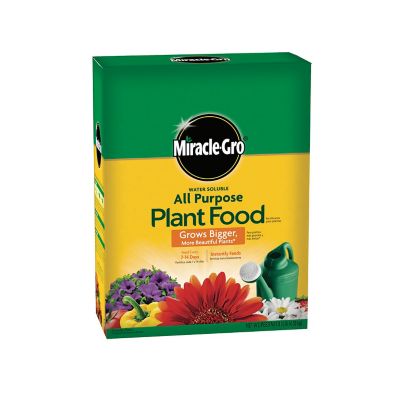
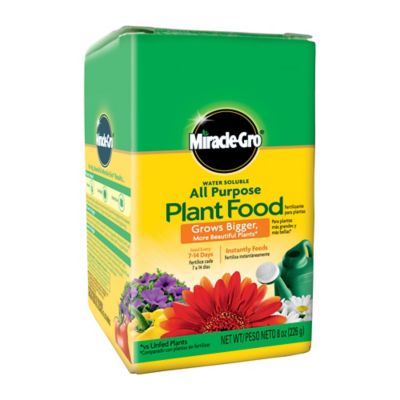
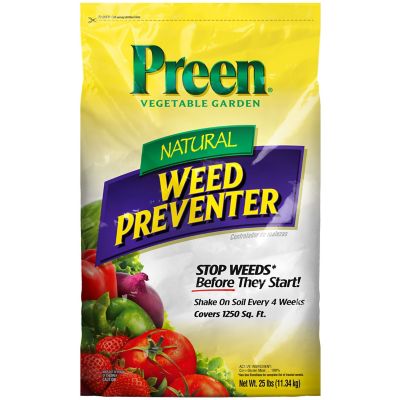
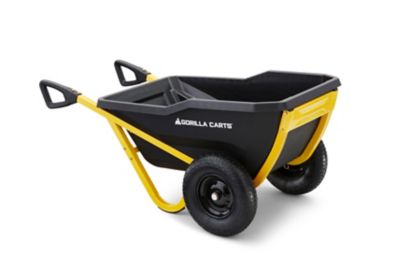
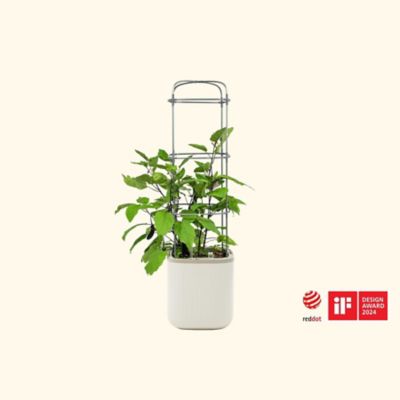
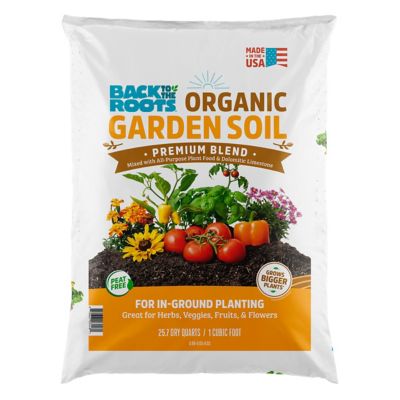
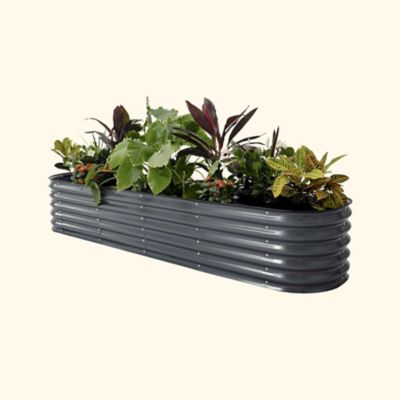
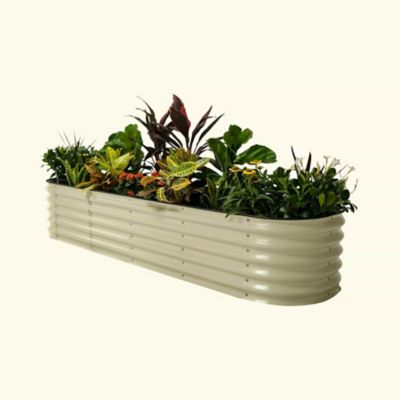
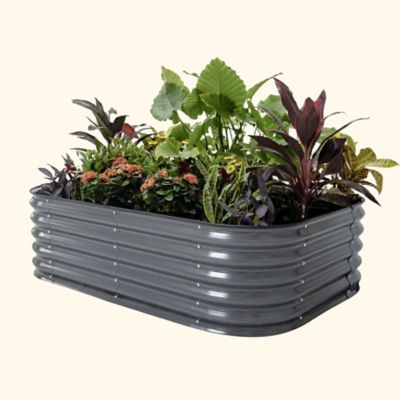
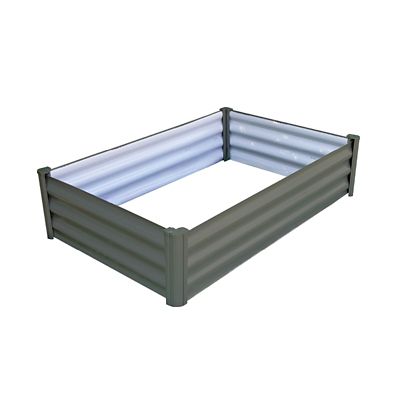
A productive vegetable garden starts with the right foundation, whether you are working a few rows behind the barn, filling raised beds along a sunny fence, or growing greens and herbs in containers on a porch. Vegetable garden supplies can help turn available space into a practical growing area that is easier to plant, water, protect, and maintain. When choosing garden beds or containers, consider the amount of sunlight, the type of surface underneath, the height and reach of the gardener, and how much room plants will need as they mature. Raised beds can make soil management and harvesting easier, especially for gardeners who prefer a defined layout, while containers offer flexibility for patios, balconies, small yards, and rental homes. Look for sturdy construction, good drainage, and a size that can be filled and moved without too much trouble. Soil is just as important as the container holding it. A quality garden soil or potting mix gives roots room to spread and helps manage moisture, while compost and other soil amendments can add organic matter to tired ground. Vegetable plants generally perform best in loose, well-drained soil with the nutrients they need for steady growth, and a vegetable fertilizer can help support heavy-feeding crops when used according to its label. Gardeners who prefer natural growing methods can also explore
Organic Garden Supplies for options suited to an earth-friendly garden routine. During the cooler months, it is a good time to refresh beds, add compost, sort seed-starting supplies, and check containers for cracks or worn spots so the garden is ready when the weather warms.
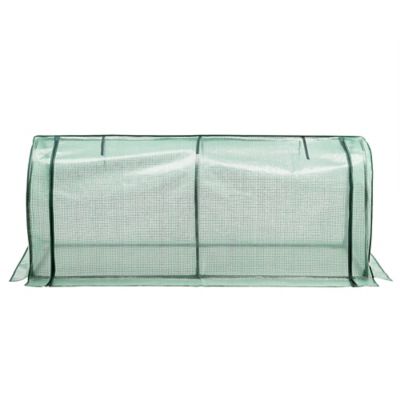
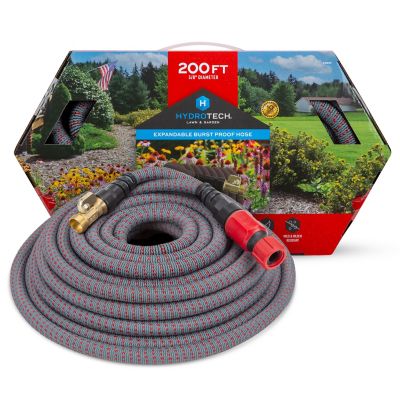
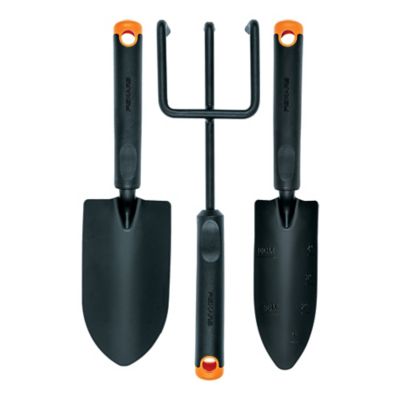
The everyday tools used in a vegetable garden should feel dependable in the hand and suited to the work ahead. A sturdy trowel helps with planting seedlings and bulbs, while a hand fork can loosen compacted soil and work amendments into smaller spaces. Sharp pruners are useful for trimming spent growth, cutting herbs, and managing plants that become crowded, and a long-handled hoe or cultivator can make quick work of shallow weeds between rows. Look for comfortable grips, strong joints, and materials that can stand up to damp soil and repeated use. Keeping tools clean and dry after each use helps reduce rust and keeps blades working properly; many gardeners keep a small bucket or tote nearby so tools do not get left in the grass after an afternoon of planting. Watering supplies deserve similar attention. A can works well for small containers and newly planted seedlings, while a hose, wand, soaker hose, or drip irrigation setup can cover larger beds with less splashing and waste. Water directed toward the soil helps roots receive moisture where it is needed and keeps foliage drier, which can help reduce some common garden problems. Check that connections fit securely, especially if supplies will be stored in an unheated shed during freezing weather. Plant supports, stakes, trellises, and protective covers also earn their place in a well-equipped garden. They can keep climbing plants upright, hold fruiting stems off the ground, and offer a little extra shelter from wind, cool nights, birds, and nibbling animals. Row covers and similar protection are handy when temperatures swing, while fencing or netting can help keep a hard-earned crop available for the dinner table instead of the local wildlife.
Vegetable garden supplies are useful for first-time growers, experienced homesteaders, community garden members, classroom projects, and anyone who enjoys bringing fresh food close to home. A small collection of hand tools and seed-starting essentials makes a thoughtful gift for a new homeowner, a neighbor settling into a rural property, or a child who likes digging in the dirt and watching tiny leaves appear. For an experienced gardener, practical additions such as better watering equipment, replacement hand tools, plant supports, or soil-building materials can make the next season more comfortable and productive. The best choices depend on how the supplies will be used. Someone tending a few patio containers may value lightweight equipment and compact storage, while a gardener managing several raised beds may need bulk soil, dependable watering coverage, and tools designed for frequent use. During early fall and the cooler stretch that follows, supplies can also support the work that keeps a garden in good shape between harvests: clearing spent plants, protecting hardy crops, storing tools, improving soil, and planning a layout with better sun exposure and access to water. A well-kept garden area often begins with simple habits—a sharp tool, evenly watered soil, a sturdy support, and a place for everything after the work is done. Choosing supplies with durability, drainage, comfort, and the local growing conditions in mind helps gardeners spend less time fighting their setup and more time enjoying crisp lettuce, bright peppers, fresh herbs, and the earthy satisfaction that comes from growing food at home.