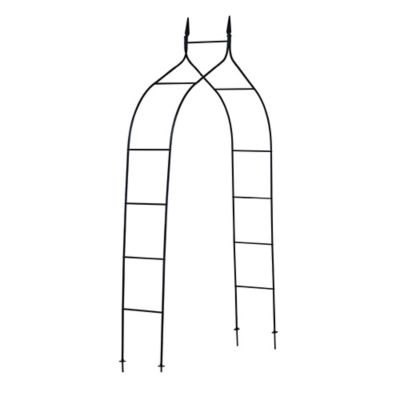
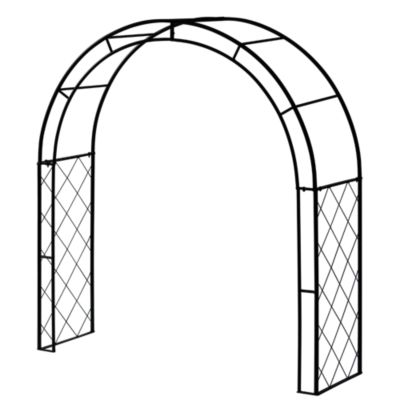
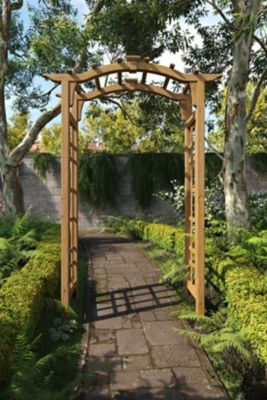
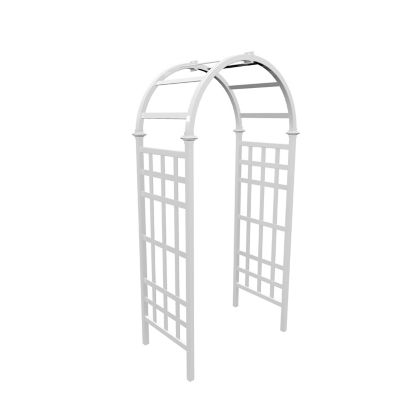
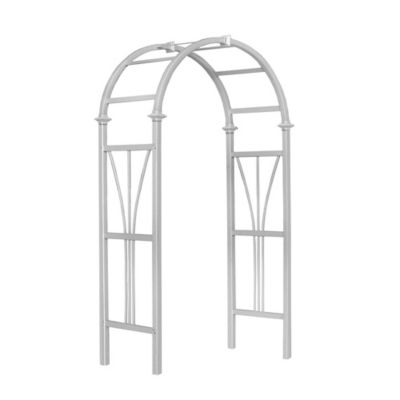
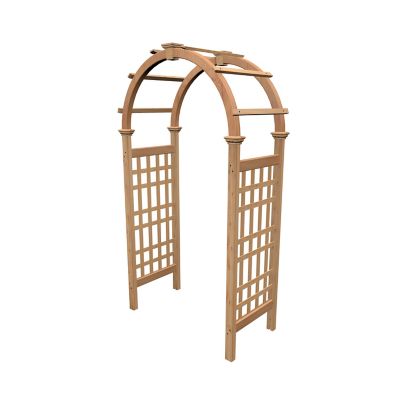
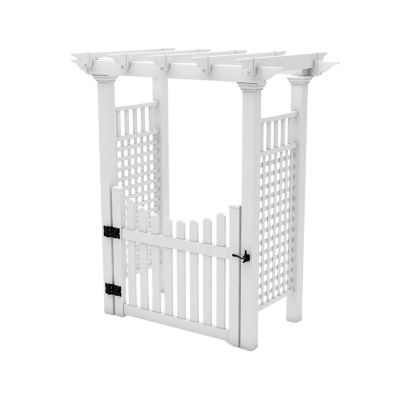
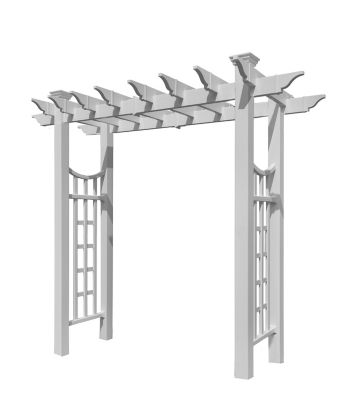
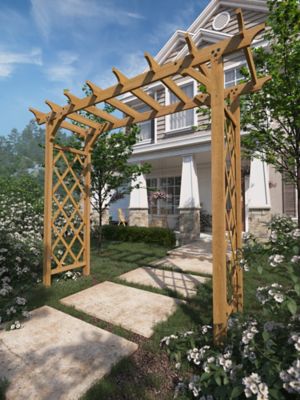
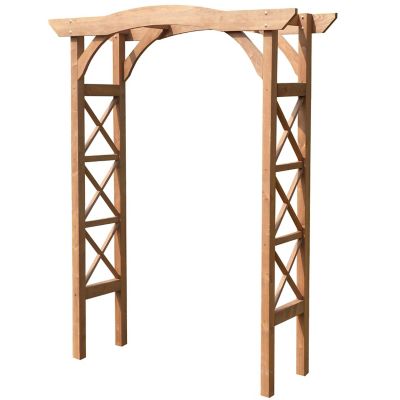
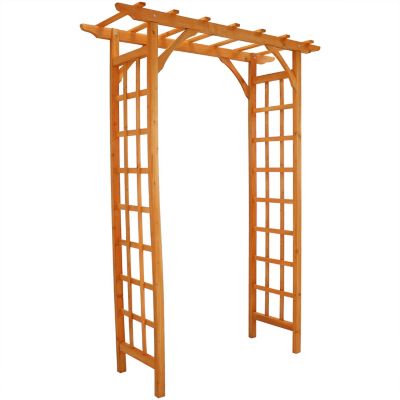
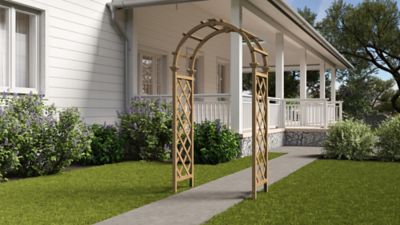
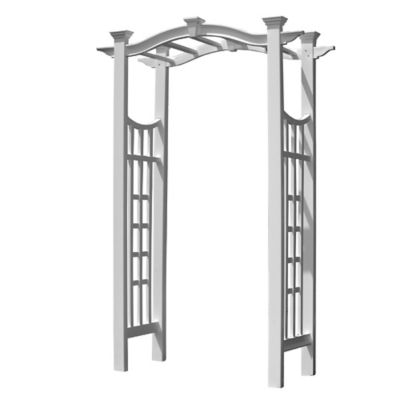
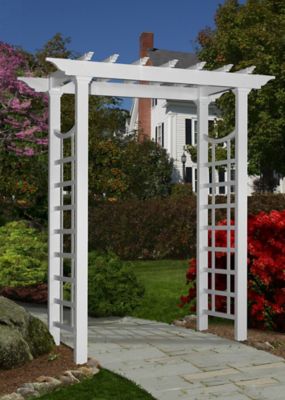
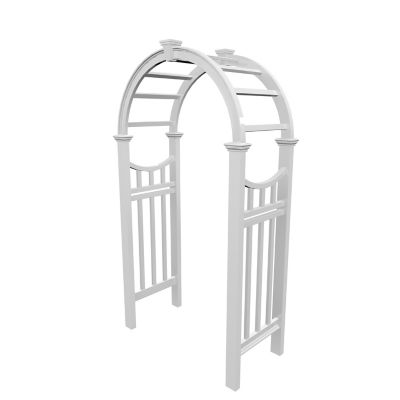
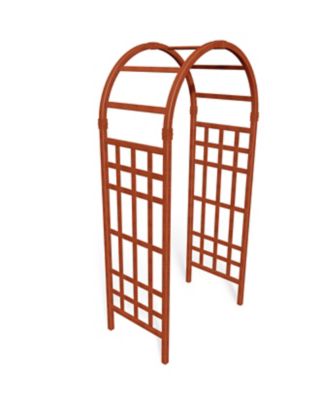
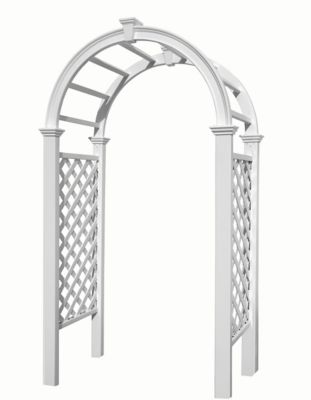
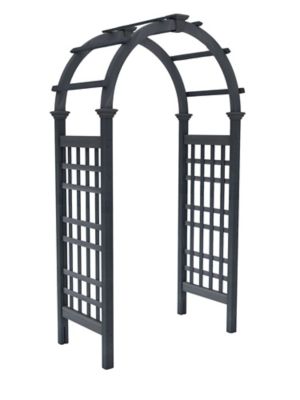
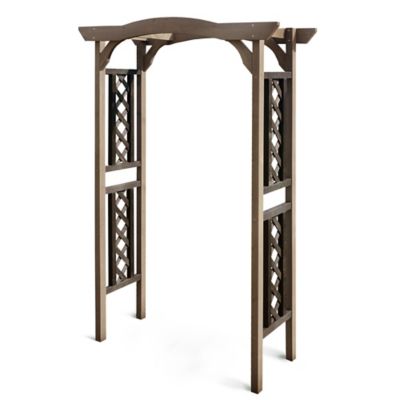
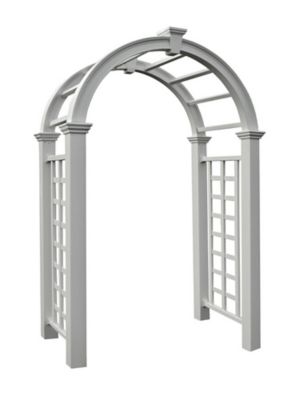
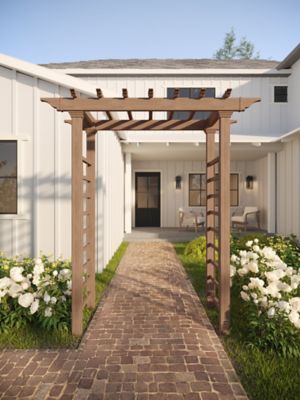
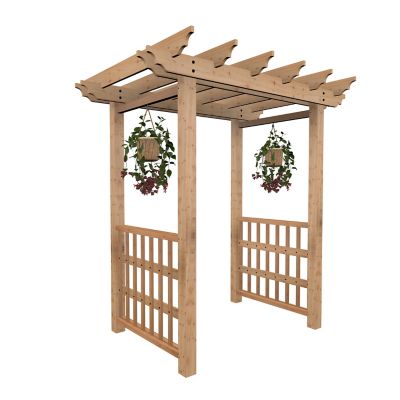
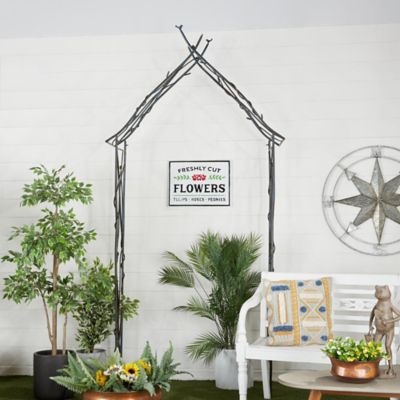
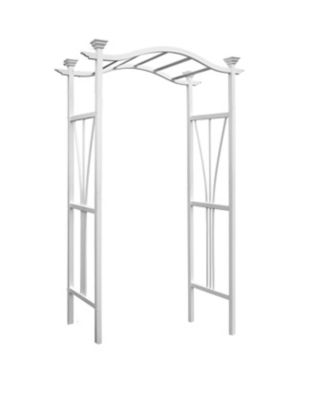
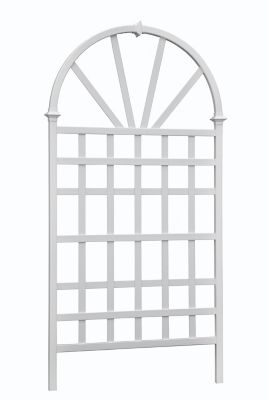
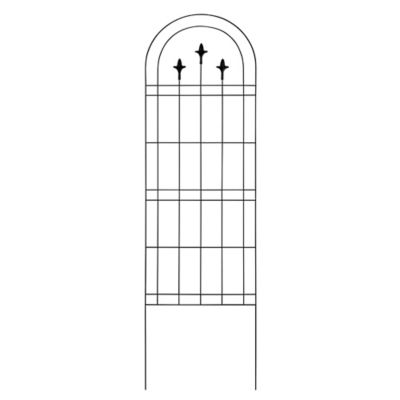
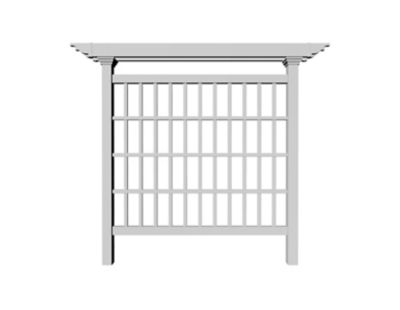
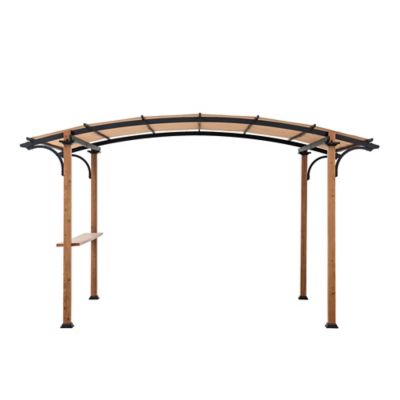
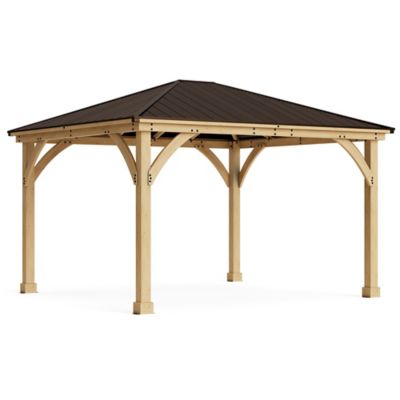
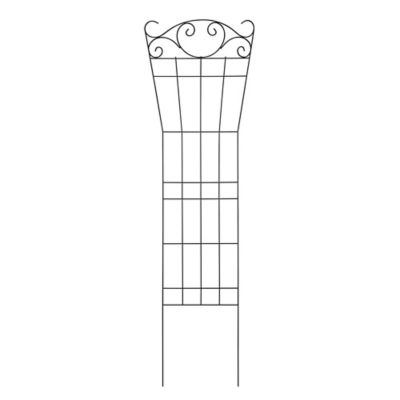
Garden archways bring a little structure and charm to an outdoor space, whether they mark the entrance to a backyard garden, frame a walkway, or add a finished look to a patio or gathering area. They can turn an ordinary path into a destination, giving climbing flowers and trailing vines a place to grow up and over instead of spreading across the ground. In a vegetable garden, an archway can help define the transition from open yard to planted beds. Near a fence, it can soften hard lines and create a simple backdrop for greenery. Set over a gate or tucked into a flower bed, it adds height without taking up much ground space. Garden archways also work well in smaller yards, courtyards, and shared outdoor areas where a full arbor or permanent structure may not be practical. When choosing one, start by thinking about the space where it will go and how people will use it. Measure the width and height of the walkway, gate, or planting area, and leave enough clearance for a wheelbarrow, mower, garden cart, or anyone carrying a basket of produce. A narrow passage may call for a more open design, while a wider path can handle a broader frame with room for plants to fill in. Consider the overall look of your home and garden, too. A simple, open shape blends easily with raised beds and cottage-style plantings, while a more decorative arch can serve as a focal point near a porch, seating area, or entry gate. Neutral finishes tend to work with many types of landscaping, and a sturdy construction can provide dependable support as vines become heavier through the growing season. If the archway will stand in an exposed spot, look for a design that can be anchored securely and placed on firm, level ground. Soil may settle after rain or watering, so checking the base and tightening any connections from time to time can help keep the structure straight and steady.
Garden archways are especially useful for plants that naturally reach, twist, or trail. Flowering vines can climb the sides and meet overhead, creating a leafy tunnel that changes as the season moves along. Even before plants fill in, the arch itself gives the garden a strong vertical line and helps separate different areas of the yard. Plan the planting space around the mature size and weight of the vine rather than its small size at purchase. Some plants stay light and airy, while others become dense, woody, or heavy with blooms and foliage. Use soft ties or garden clips to guide new growth without cutting into tender stems, and leave room for air to move through the foliage. An archway near the garden entrance can support plants that welcome visitors with color and fragrance, while one placed over a path can create a shady, tucked-away feeling as the greenery develops. In late summer, full foliage can make the space feel cool and private; during the cooler months, the frame may stand on its own as a clean piece of garden structure or provide support for hardy greenery that remains in place. If your yard has strong winds, heavy soil, or frequent foot traffic, anchoring matters just as much as appearance. Some gardeners set the legs into compacted soil, gravel, or a more permanent footing, while others position the arch between established beds where the surrounding ground helps hold it in place. Keep growing plants away from walkways until they are trained, and trim back anything that begins to block a gate, brush against clothing, or catch on equipment. A well-placed archway should make the garden easier and more pleasant to move through, not create another obstacle to work around. For ideas on arranging an arch around seating, paths, fences, and planting beds, explore
Backyard Arches as you compare the possibilities for your own outdoor space.
A garden archway can also make a thoughtful gift for a new homeowner, a gardener settling into a larger yard, or anyone who enjoys turning an ordinary outdoor area into a welcoming place. It is a useful choice for someone who already has plants to train, but it can also give a beginning gardener a clear project to look forward to as the weather warms. Pairing an archway with gloves, garden ties, hand tools, or flowering plants can make the gift feel personal without taking up the space of larger outdoor furniture. Before giving one, keep the recipient’s property and planting habits in mind. A compact frame may suit a patio or small backyard, while a taller, wider style may be better for a homestead garden, side-yard path, or entrance to a cutting garden. For your own purchase, think beyond the first season and picture the arch after several years of growth. Check the listed dimensions, the material and finish, the shape of the openings, and how the pieces connect. Look for enough width to walk through comfortably and enough height for expected plant growth, while avoiding a frame so large that it overwhelms nearby beds. Placement can affect maintenance, as an arch near an irrigation line or hose connection may be convenient, while one beneath a roof edge may receive less rain and need more hand watering. Once installed, sweep away leaves and plant debris, inspect fasteners, and give the structure a quick check when seasonal weather shifts. These small habits help preserve its appearance and give climbing plants a clean, dependable support. Whether it frames a row of vegetables, leads toward a fire pit, or creates a quiet corner filled with flowers, a garden archway adds a sense of welcome and purpose to the landscape. It is one of those simple additions that can make a well-used yard feel more connected, giving family, friends, and garden visitors a natural place to pause as they come and go.