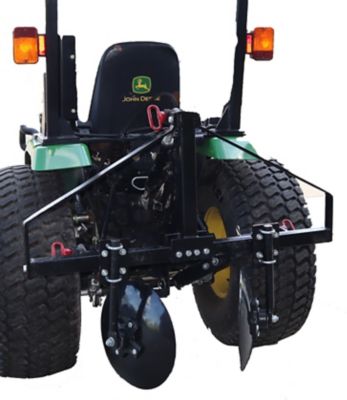
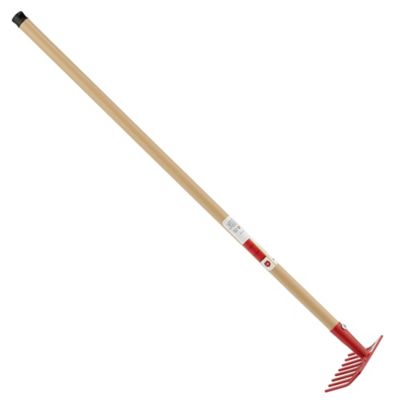
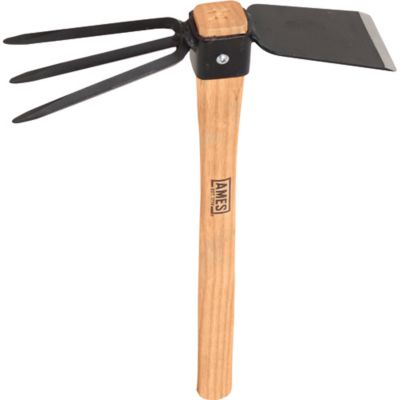
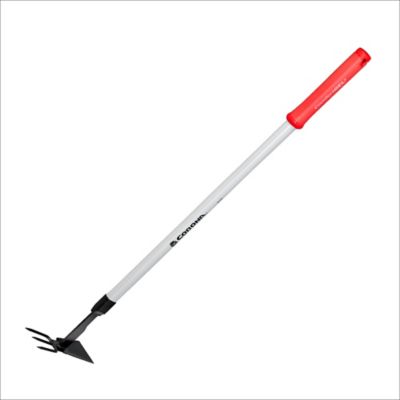
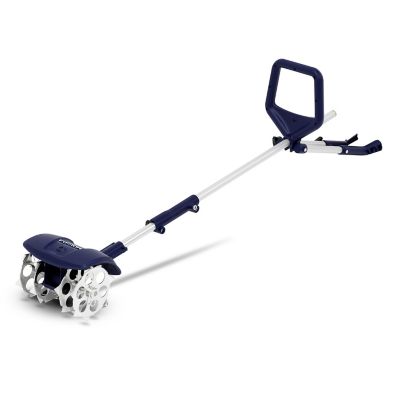
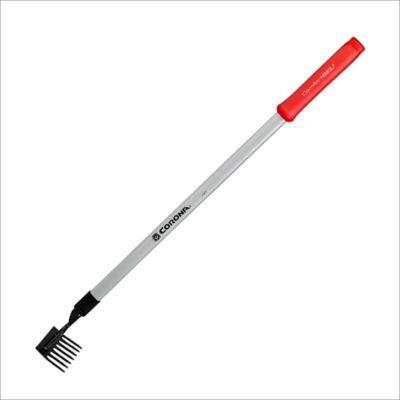
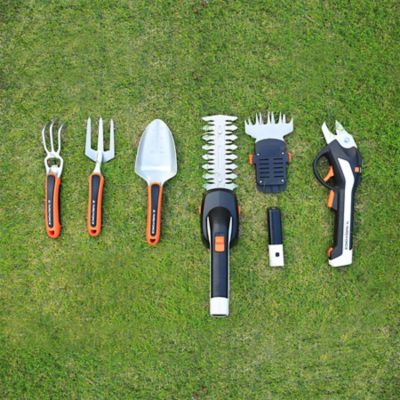
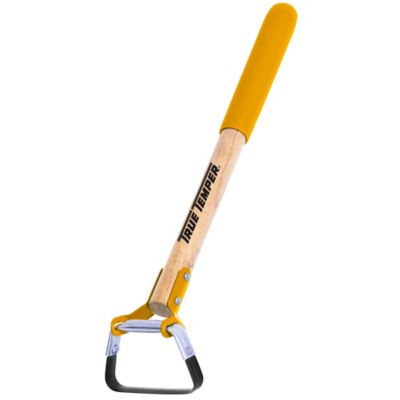
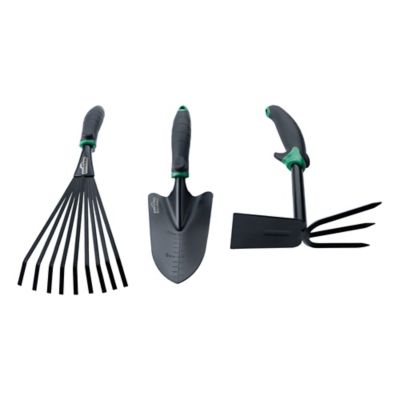
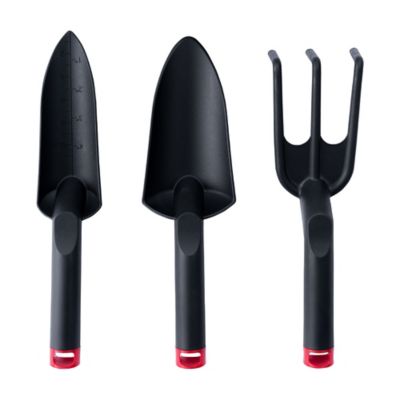
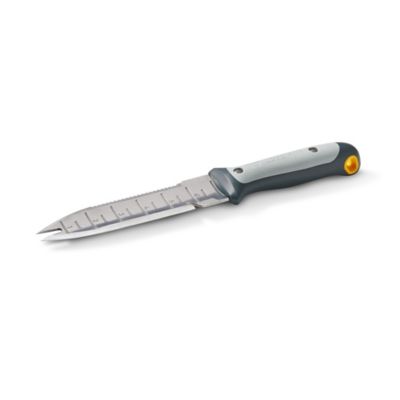
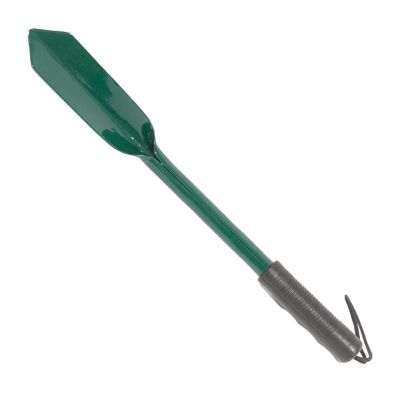
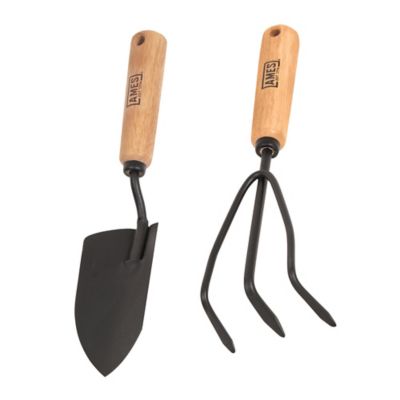
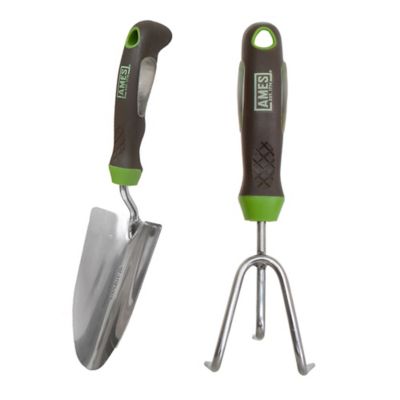
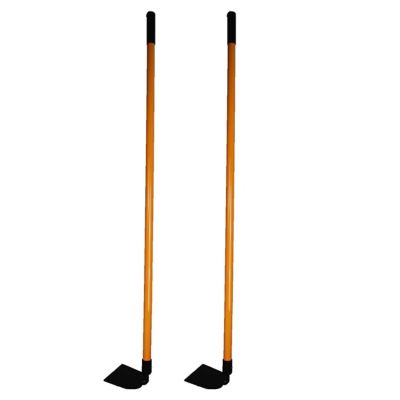
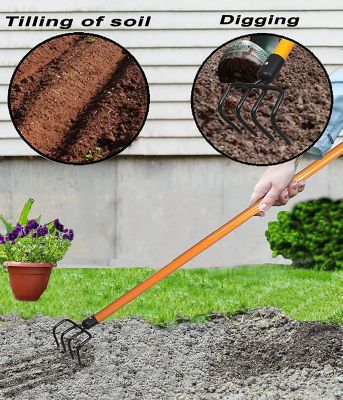
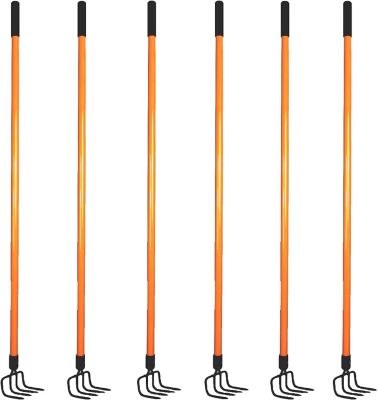
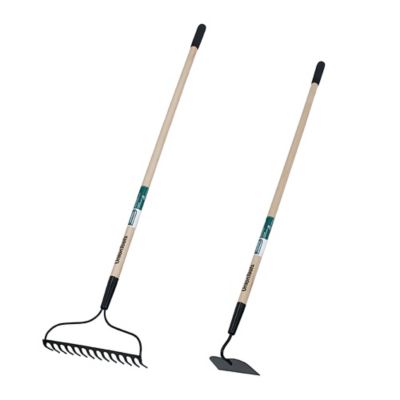
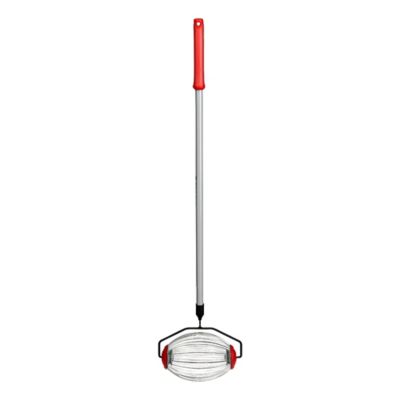
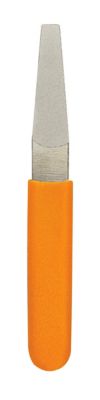
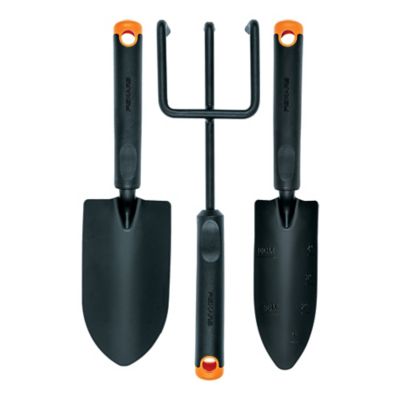
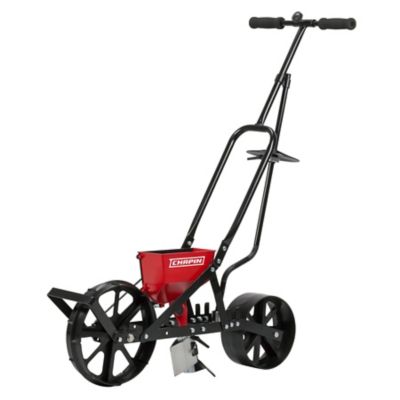
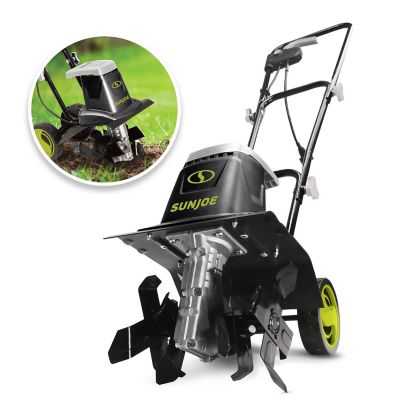
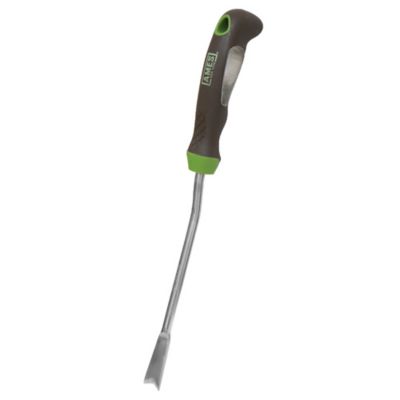
Garden bed tools make it easier to prepare soil, plant with care, keep weeds in check, and tend vegetables, herbs, and flowers through the growing season. The right set depends on the kind of bed you keep, the soil you work with, and the jobs you handle most often. Raised beds usually call for compact hand tools that can reach neatly between plants without disturbing nearby roots. A hand trowel or scoop is useful for digging planting holes, moving soil, and adding compost around seedlings, while a hand cultivator breaks up clumps, loosens the surface, mixes in amendments, and opens up tight soil in corners. In an in-ground garden, a digging fork can help loosen compacted soil, turn finished compost into a bed, and lift stubborn roots without slicing through everything in its path. A garden hoe is handy for shaping shallow rows, smoothing loose soil, and cutting down small weeds before they get established. For containers and small beds, look for tools with a comfortable grip and a head sized for close work. A soil knife, sometimes called a hori hori, combines a pointed blade for planting and digging with a serrated edge for cutting roots, twine, and tough stems; depth markings can also help place bulbs and seedlings at a consistent depth. Pruning shears round out a practical garden tool collection by trimming dead growth, harvesting herbs, and making clean cuts on small stems. Soil test kits are another useful part of garden preparation, giving you a better idea of soil pH and available nutrients before you add lime, fertilizer, or compost. Rather than guessing, you can use those readings to make more thoughtful improvements and avoid adding something the bed does not need.
When choosing garden bed tools, pay attention to construction, balance, and how the tool feels in your hand. Sturdy metal heads are made for repeated contact with soil, but a well-balanced tool can be just as important as a heavy one, especially when you are working for an hour or more. Look for handles that are comfortable to hold, easy to clean, and large enough to use while wearing work gloves. Smooth finishes help keep soil from clinging, and bright colors or marked handles make small tools easier to spot when they are set down in dark soil or tall grass. For digging and cultivation, consider the conditions in your beds. Dense clay may call for stronger, narrower edges and firm tines, while loose, compost-rich soil is easier to work with a lighter hand tool. If your garden is built from lumber or another raised-bed material, compact tools can help you avoid scraping the sides as you plant along the edges. For in-ground rows, a longer-handled hoe or fork may reduce bending and give you more leverage. Gardeners with limited reach or less hand strength may prefer tools with cushioned grips, shorter blades, or extended handles. It is also worth considering storage before the tools come home. Hanging loops, organized tool racks, and a simple bucket or tote keep the essentials together so you are not hunting for a trowel when the seedlings are ready to go in. Rinse soil from metal surfaces after use, dry tools before storing them, and wipe cutting blades clean to help prevent rust and keep pruning cuts neat. During the cooler months, these small maintenance habits are a good way to get tools ready for the next stretch of planting and garden work.
Garden bed tools can be useful for first-time growers, longtime gardeners, homesteaders, community garden members, and anyone who enjoys putting a little food on the table from their own patch of ground. They also make practical gifts for a new homeowner, a neighbor setting up raised beds, or a friend who spends weekends tending tomatoes, greens, flowers, or kitchen herbs. A basic collection might include a trowel, cultivator, pruning shears, and hoe, while gardeners who already have the basics may appreciate a soil test kit, digging fork, soil knife, or a comfortable set of replacement tools. Matching the gift to the gardener’s setup makes it more useful: container growers need precise, compact tools; raised-bed gardeners benefit from short-handled tools that reach between rows; and larger plots often call for long-handled tools that cover more ground with less stooping. Early fall is a natural time to trim spent plants, clear weeds, divide hardy perennials, work in finished compost, and plant crops suited to cooler weather, so dependable tools can still see plenty of use as temperatures drop. When the beds settle in for winter, a clean, dry tool set stays ready for checking soil, planting bulbs where appropriate, or making repairs and plans for the next season. For a broader look at equipment used for planting, tending, and harvesting edible crops, explore
Vegetable Garden Tools. With a few well-chosen garden bed tools close at hand, even a small plot can be easier to manage, from the first loosened handful of soil to the last harvest carried in from the garden.