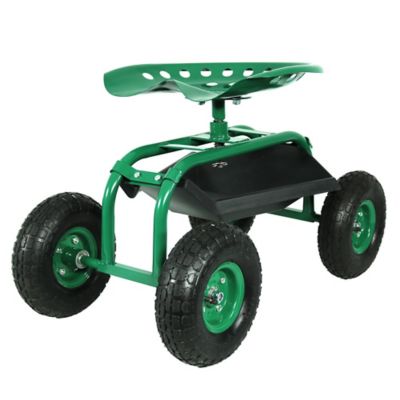
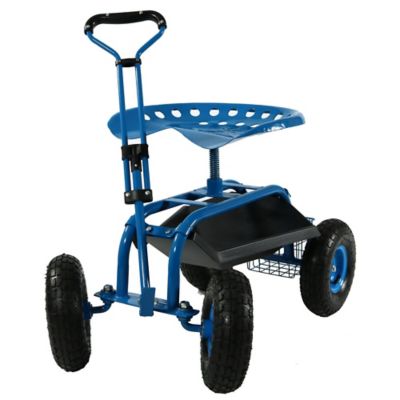
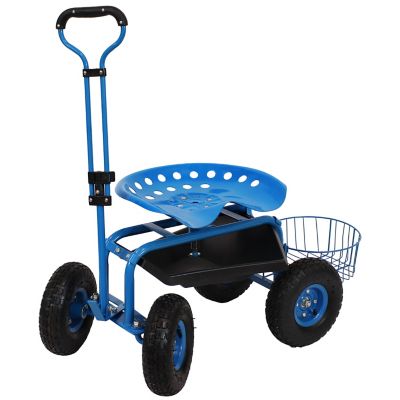
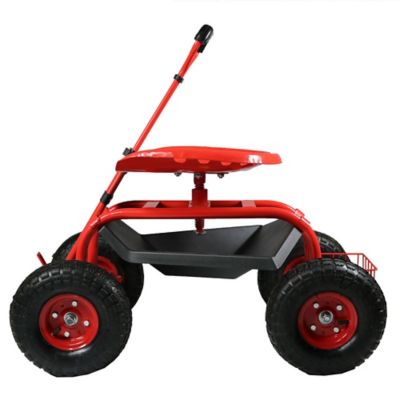
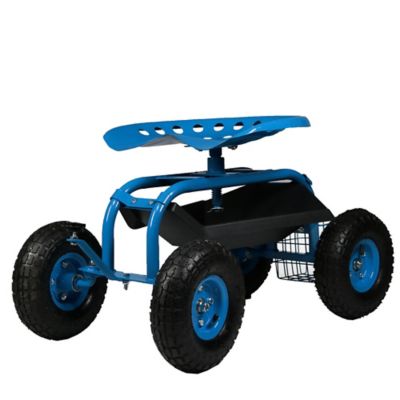
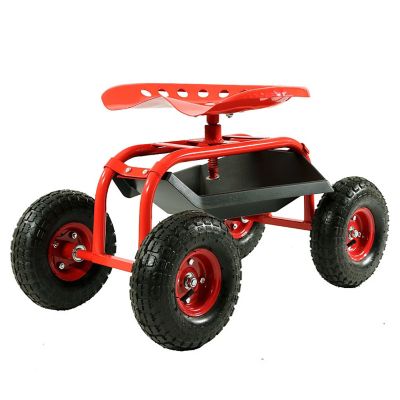
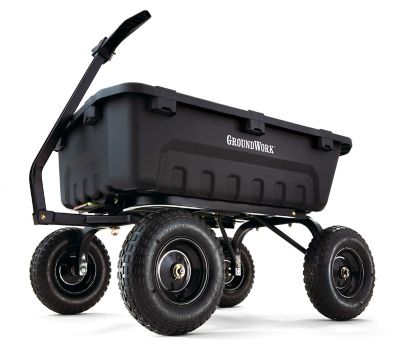
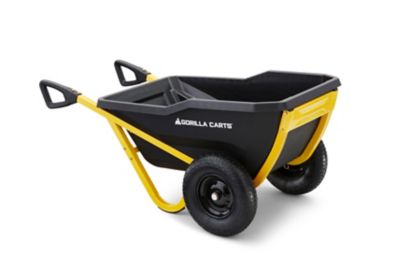
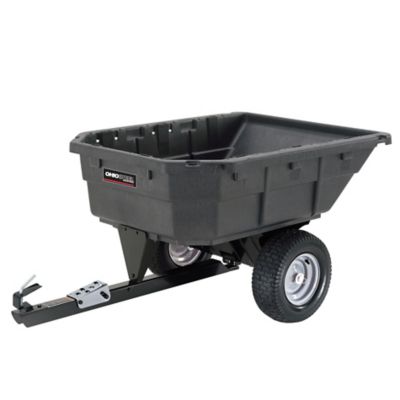
Garden carts with seat are handy helpers for planting, weeding, harvesting and everyday yard work, especially when a long stretch of bending, kneeling or standing starts to wear on your back and knees. Sometimes called garden scooters or rolling garden seats, these carts combine a low, supportive seat with wheels and storage for the tools, gloves, seed packets and small supplies you need close at hand. Instead of walking back to the shed every few minutes, you can keep your trowel, pruners, hand cultivator, twine and a water bottle with you as you move down a garden row. A rolling cart with a tractor-style seat is a good fit for gardeners who want to sit while working and steer along planting beds, while a storage cart with a built-in lid seat offers a place to sit along with an enclosed bin for carrying supplies. Some designs are made for quick jobs around raised beds and flower borders, while others are built with a sturdier frame and larger tires for rough ground, gravel paths and grassy areas. A garden cart with seat can also make a thoughtful gift for a parent, grandparent, neighbor or anyone who enjoys tending vegetables, herbs, flowers or landscaping but appreciates a little extra support while working. It is useful during the cooler months for gathering fallen leaves and putting garden beds to rest, and it comes in handy as the weather warms for planting and maintaining new growth. For lawn tasks that call for a riding machine rather than a compact garden work cart, browse
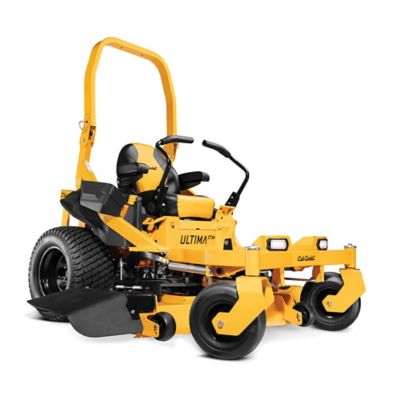
Lawn Mowers With Seats for another type of seated outdoor equipment.
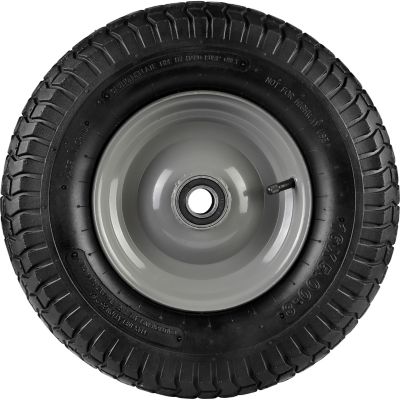
When choosing among garden carts with seat, start with the way you plan to use it and the ground it will cover. A small yard with paved paths may only call for compact wheels and a lightweight frame, while a large vegetable garden, orchard or uneven homestead property can benefit from wide pneumatic tires or other all-terrain wheels that roll more smoothly over ruts and loose soil. Larger tires can help keep the cart from sinking into soft ground, though inflatable tires may need occasional air checks. Flat-free wheels are convenient when you want to avoid punctures and routine maintenance, particularly around thorny brush, gravel and garden debris. Pay close attention to the seat height, seat width and weight capacity so the cart feels stable and comfortable rather than cramped or difficult to mount. A swiveling seat can make it easier to turn toward a plant, reach a nearby tool or change direction without repeatedly moving the whole cart. A backrest may be welcome during longer gardening sessions, while a simple open seat can be easier to step onto and move around. Check the handle design as well. An extendable or adjustable handle can make pulling more comfortable for different users, and a sturdy handle gives you better control when moving over uneven ground. Storage also matters. Open trays and baskets keep frequently used tools within sight, while a deeper bin with a lid can carry soil, harvested produce, gloves and other items while helping protect them from weather and dirt. Think about whether you need room for a gallon jug, a few hand tools or a larger load of supplies, and make sure the cart is not so bulky that it will be hard to store in a shed or garage.
Different garden cart styles suit different working habits. A metal rolling garden cart with a swivel seat is often chosen for moving steadily along rows of vegetables, because it lets you sit close to the plants and keep a selection of tools nearby. This style may be a strong choice for heavier outdoor use when a durable frame, generous weight capacity and substantial tires are important. A resin or plastic garden cart with a seat can be lighter and easier to clean after carrying damp soil, pulled weeds or freshly picked produce. Its covered storage compartment may also help keep small tools together between jobs. A convertible garden kneeler and seat is another option for gardeners who like to work close to the soil but need support when standing up. Used as a kneeler, it can cushion the knees and provide side handles for rising; flipped over, it becomes a raised seat for pruning, deadheading or planting. Before buying, look for smooth-rolling wheels, solid hardware, a seat that stays steady, and storage that opens and closes without getting in the way. It is also wise to consider how the cart will be used by the person receiving it: a compact model may suit balcony beds, container gardens and smaller yards, while a heavier cart may be better for acreage, farm gardens and long rows. Keep a pair of gloves and a small harvest basket nearby, and a seated garden cart can turn a tiring chore into a slower, more comfortable lap around the beds, with everything needed close enough to reach.