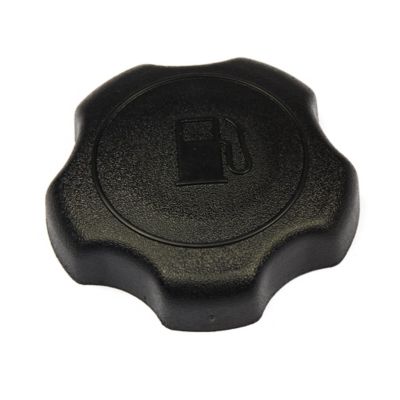
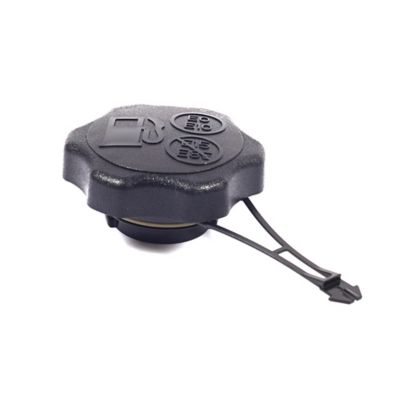
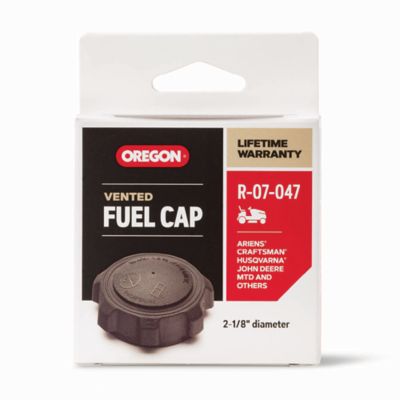
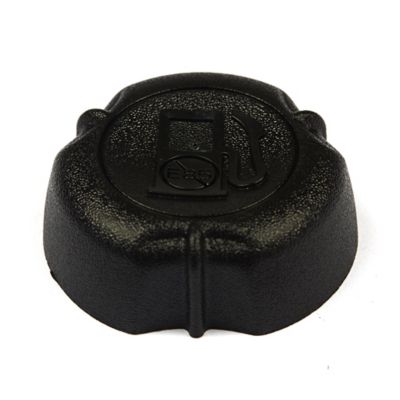
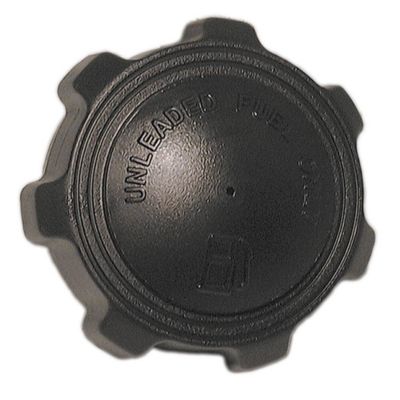
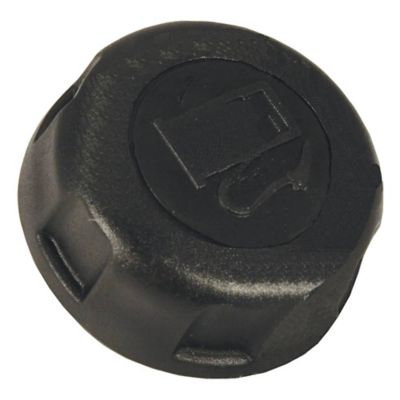
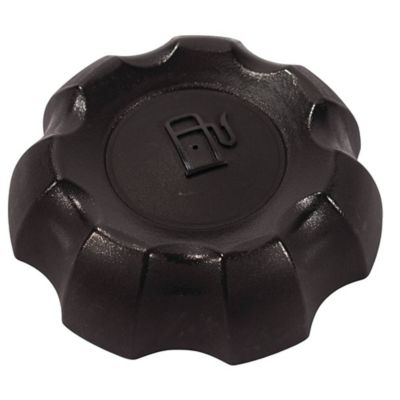
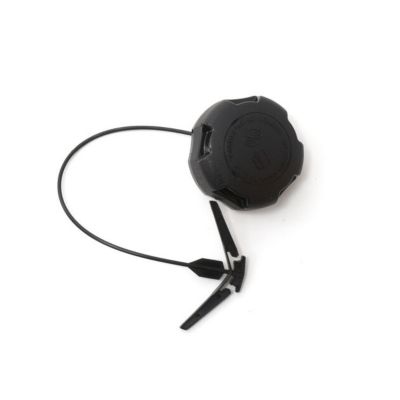
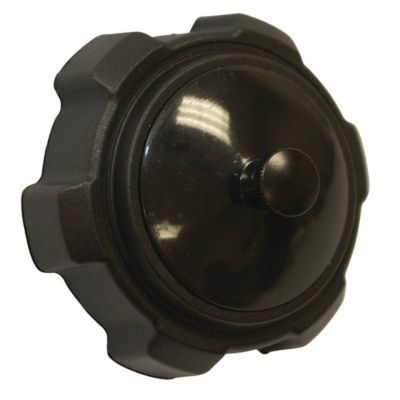
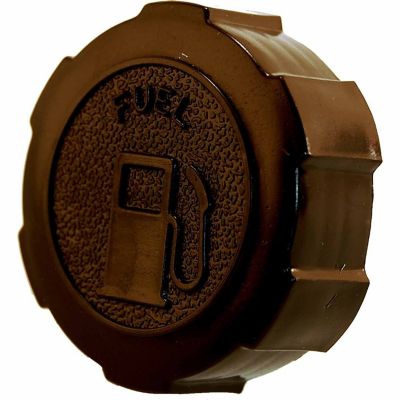
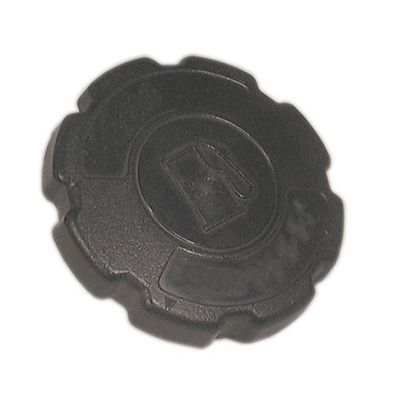
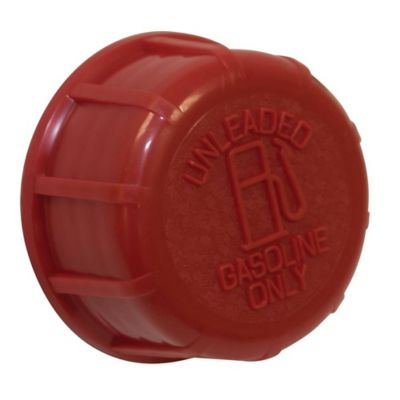
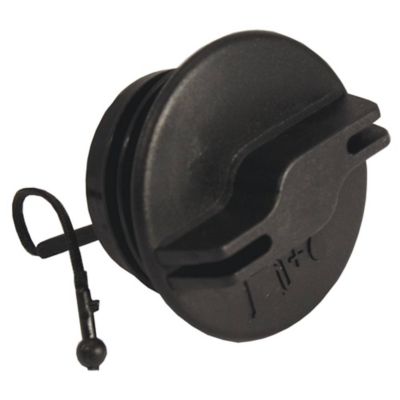
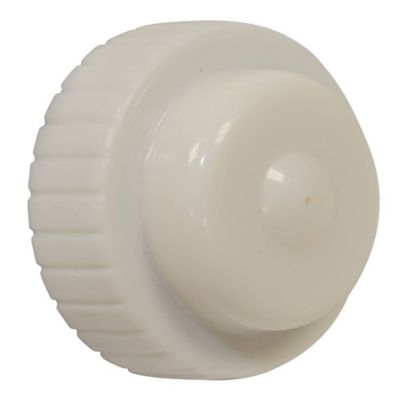
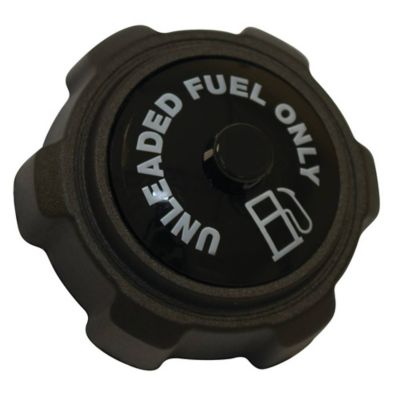
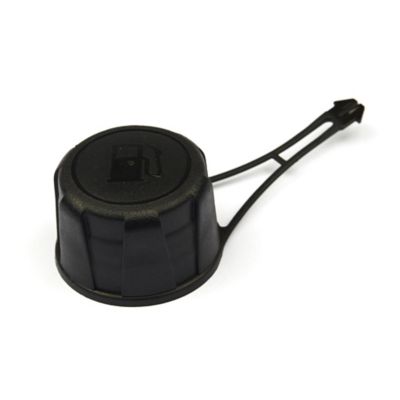
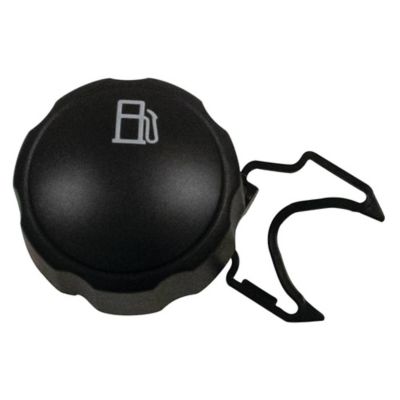
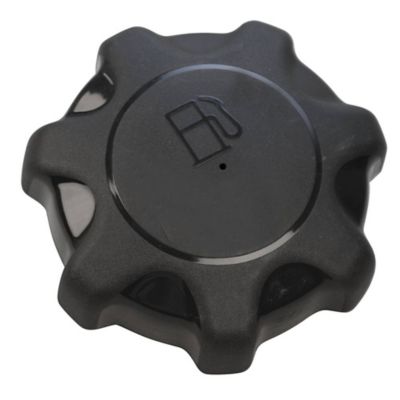
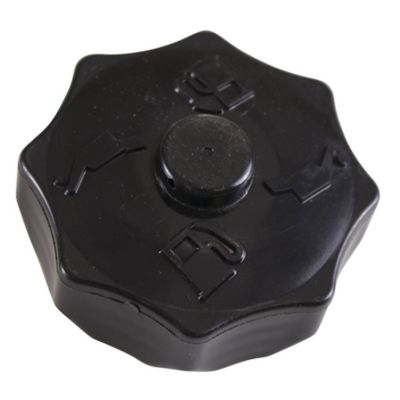
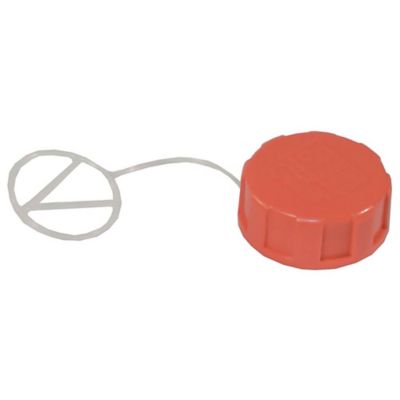
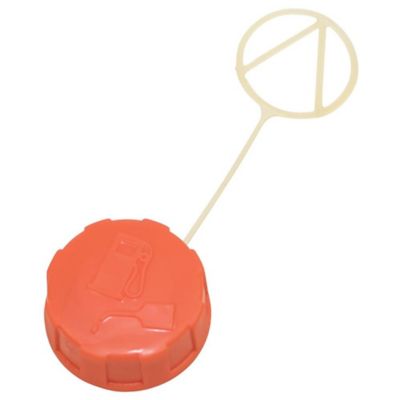
Lawn mower fuel caps are small parts, but they play a big role in keeping a mower’s fuel system working the way it should. A properly fitted cap helps keep gasoline from splashing out while the mower is moving across uneven ground, and it keeps dirt, grass clippings, dust, and moisture from getting into the tank. Many small-engine fuel caps also include a vent that allows air to enter the tank as fuel is used. Without that airflow, a vacuum can develop inside the tank and restrict fuel delivery, leaving the engine sputtering, losing power, or stopping after it has been running for a while. A cap with a clogged vent can cause similar trouble, while a cracked, loose, or poorly matched cap may allow fuel to leak or evaporate. Replacement lawn mower gas caps are often an affordable repair, commonly falling in the $5 to $20 range depending on the style, fit, and construction. That makes a replacement a practical item to keep in the shed, especially for anyone who depends on a mower to maintain a large yard, acreage, roadside grass, pasture edges, or rental property. During the warmer part of the mowing season, a sound cap helps protect fuel during frequent use, and during the cooler months, it helps keep the tank closed up while equipment is stored between jobs. A fresh cap can also be a thoughtful, useful gift for a homeowner, groundskeeper, small-acreage landowner, or do-it-yourselfer who would rather spend an afternoon mowing than making an extra trip to find a missing part.
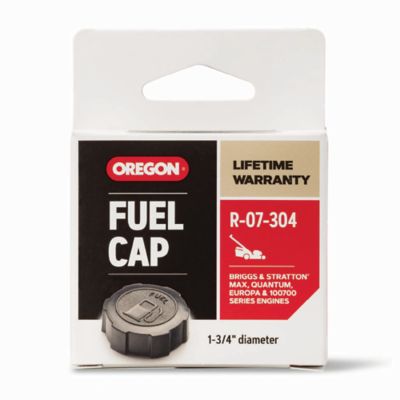
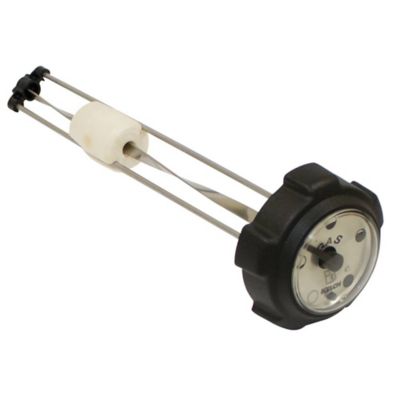
Fit is the most important detail when choosing a lawn mower fuel cap. Caps may look similar at a glance, but differences in thread pattern, diameter, locking style, and vent design can keep one from sealing correctly on another tank. Before ordering, find the mower or engine model information, which is often printed on a label or stamped on the engine housing, and compare it with the replacement-part listing. Measuring the fuel tank neck can provide another helpful check; common openings may measure around 1-3/4 inches or 2-1/4 inches, though sizes vary by equipment. Measure the inside or outside diameter as directed for the cap style, and pay attention to whether the original cap is threaded, twist-lock, push-on, tethered, or designed with a gauge. A cap that is too small may wobble or leak, while one that is too large may not engage the threads at all. The cap should sit evenly, tighten without forcing, and remain secure when the mower travels over ruts or slopes. Look over the sealing surface and gasket, if included, for a snug fit around the tank opening. It is also smart to compare the vent arrangement instead of assuming every cap vents the same way. If a mower has been running poorly after a cap was replaced, or if the tank seems to build pressure, stop using it until the cap and fuel system can be checked. Fuel vapor is flammable, so inspect and replace caps only with the engine turned off, the equipment cool, and the mower parked away from sparks, open flames, cigarettes, and other ignition sources. Wipe away spilled fuel promptly, keep gasoline in an approved container, and never rely on an improvised covering as a long-term substitute for a proper cap. A plastic bag or wrap may not seal safely, can deteriorate from fuel exposure, and may interfere with the tank’s needed airflow. The right replacement cap is a simple, inexpensive way to restore the tank’s intended protection without putting off an important repair.
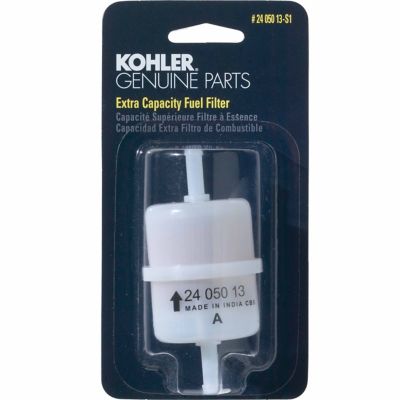
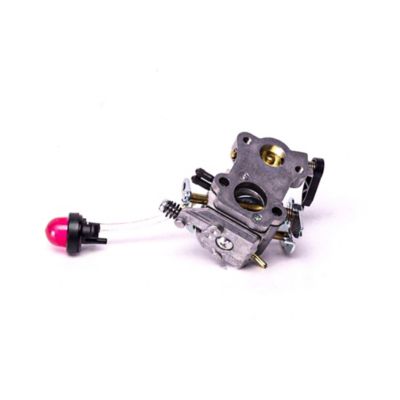
A fuel cap is often part of a larger small-engine maintenance picture. If the mower has been sitting with old fuel, has trouble starting, surges while running, or quits when the throttle is opened, the cap may be worth checking along with the fuel line, filter, spark plug, and carburetor. A blocked or damaged cap vent can mimic other fuel-delivery problems, so replacing a cap that no longer vents or seals can help narrow down the cause. For deeper fuel-system repairs, shoppers may also want to browse
Lawn Mower Carburetors and related small-engine parts. Keeping a spare cap on hand is especially handy for properties where mowing is part of the regular routine; a missing cap can bring a job to a halt when tall grass is waiting and the nearest parts counter is a long drive down the road. Store replacement parts in a clean, dry place away from direct sun and heat, and keep the package information with the mower’s manuals or maintenance records so the correct fit is easy to confirm later. When selecting among available options, consider durable construction, a dependable seal, clear fit information, and the type of use the mower sees. A residential push mower, riding mower, commercial-style machine, and utility mower may all use different fuel-cap designs, even when their tanks appear much alike. A properly matched cap helps reduce spills, protect the fuel supply from contamination, and support steady engine operation as grass grows thick in warm weather and cleanup continues during the cooler months. Whether replacing a cap lost beside the driveway, repairing a cracked one before the next mowing job, or keeping a backup in the workshop, choosing the correct lawn mower fuel cap is a straightforward bit of upkeep that helps keep dependable equipment ready for the work ahead.