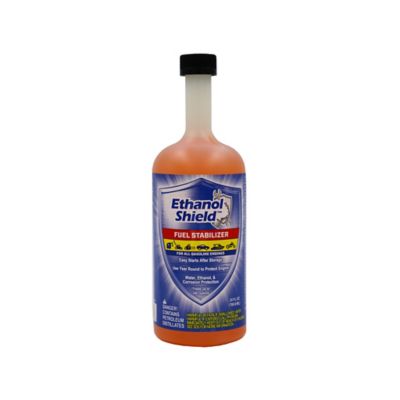
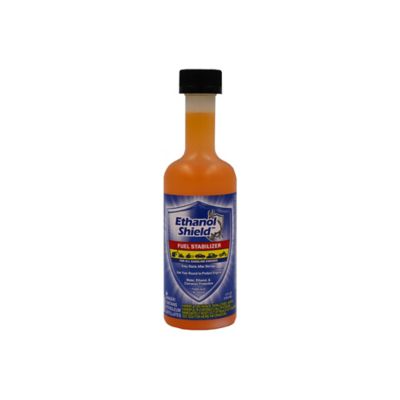
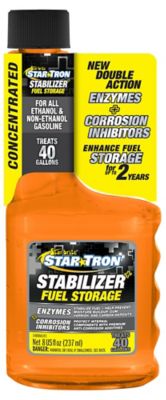
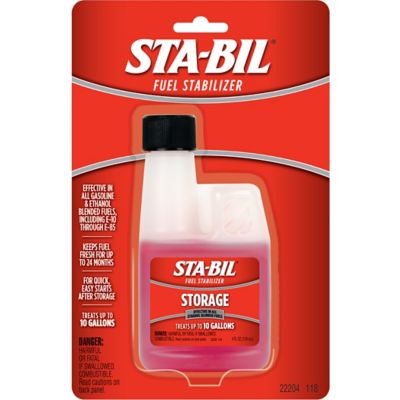
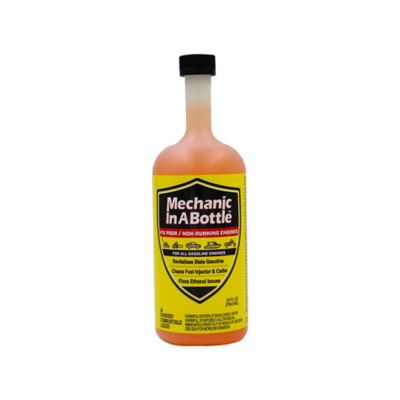
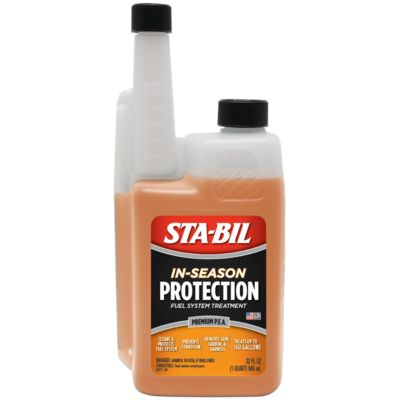
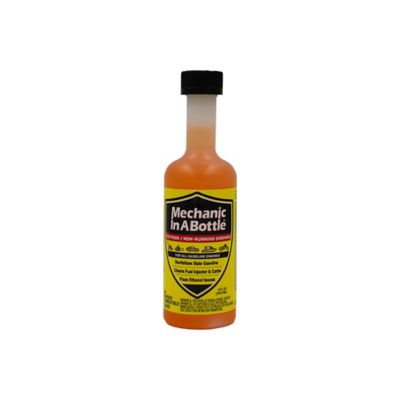
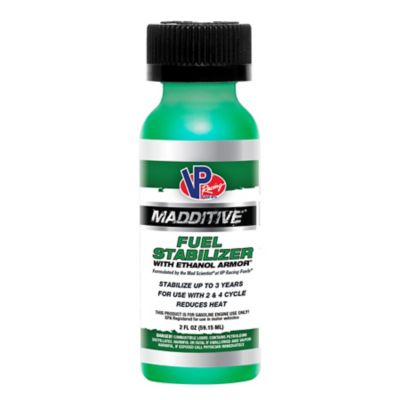
Fuel stabilizers are fuel additives that help slow oxidation and the formation of gum and varnish while fuel sits in a tank or storage container. They are especially helpful for equipment that runs occasionally rather than every day, from a generator waiting for its next job to a mower parked between rounds of grass cutting. As gasoline ages, its chemistry changes, and sticky deposits can interfere with small carburetor passages and other fuel-system components. That can contribute to hard starting, rough running, and extra work before an engine is ready to earn its keep. A stabilizer helps preserve fresh fuel during storage; it is not a repair treatment for every starting problem or a way to turn badly deteriorated gasoline back into fresh fuel. Protection depends on the formula, treatment rate, fuel condition, and storage setup, so the labeled storage period matters more than a broad promise about how long treated fuel will last. Gasoline and diesel require different treatment considerations, and a formula intended for one should not be assumed suitable for the other. For landowners, small-engine owners, and folks keeping several machines around the property, fuel stabilizers fit into the same maintenance routine as checking oil and keeping fuel containers clean. They make particular sense when a five-gallon can supplies several pieces of equipment over an extended stretch, or when a machine may sit longer than expected between jobs. Stabilizer works best with fresh fuel, before storage-related deterioration has taken hold. Some formulas also include corrosion inhibitors or cleaning ingredients, but those benefits depend on the label rather than the category alone. Fuel that already smells sour, contains visible debris, or has separated into layers calls for attention beyond adding a storage treatment. Keeping that distinction clear helps set sensible expectations: a stabilizer supports fuel storage, while fuel replacement, cleaning, or mechanical service may still be necessary when trouble is already present.
The right match starts with the fuel and the engine, not just the size of the bottle. Gasoline-powered riding mowers, walk-behind mowers, pressure washers, motorcycles, and portable generators can have different fuel requirements, even when they share space in the same shed. A
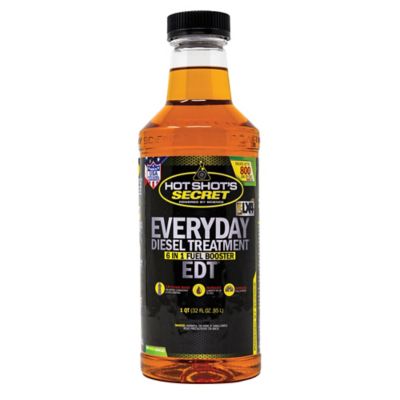
Lawn Mower Fuel Stabilizer should match the mower manufacturer’s fuel recommendations and the treatment’s stated applications. Four-cycle engines carry lubricating oil separately, while many two-cycle engines depend on a specified gasoline-and-oil mixture; stabilizer does not replace that oil or change the required mixing ratio. Compatibility with ethanol-blended gasoline is another consideration. A treatment labeled for ethanol blends may help limit certain storage-related problems, but it does not remove the ethanol, raise the engine’s permitted ethanol percentage, or guarantee protection against water contamination. Once enough water enters an ethanol-blended fuel supply to cause phase separation, ordinary stabilizer is not a dependable fix. Marine applications also deserve a close look at labeling because boats can have different fuel-system materials and storage arrangements than yard equipment. Diesel equipment brings its own requirements, with treatments that may address oxidation, deposits, or other concerns according to their stated purpose. Microbial contamination is a separate issue that requires an appropriate treatment, not an assumption that every diesel stabilizer handles it. Across these applications, the engine manual and additive label establish the boundaries for use. Storage practices vary, too: some equipment calls for treated fuel in the system, while other equipment has manufacturer-specific draining procedures. Where treated fuel is part of the recommended routine, allowing it to reach the fuel system matters just as much as treating the tank. That is why application directions often address engine operation after dosing. The goal is a sensible match between the treatment, the fuel supply, and the machine—not one bottle expected to solve every fuel-related problem on the place.
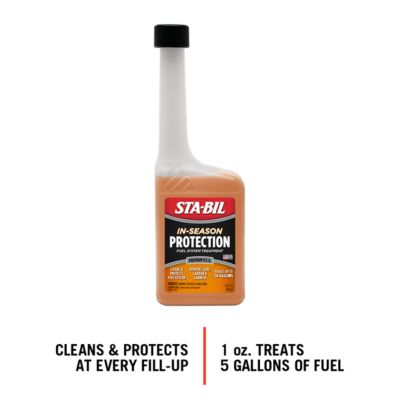
Bottle size, concentration, and measuring features make a practical difference when fuel treatment becomes part of regular equipment care. A small bottle may suit an occasional mower fill-up, while a larger container can make sense for someone maintaining several engines or treating a larger fuel supply. The amount of fuel a bottle treats is often more useful than the bottle’s fluid-ounce capacity alone, since formulas vary in concentration. Clearly marked measuring chambers, readable dose charts, secure caps, and pouring spouts can make it easier to handle the small amounts required for a portable can without splashing treatment across the workbench. A treatment rate stated per gallon also helps connect the directions to the amount of fuel actually present, rather than the tank’s maximum capacity. More additive is not automatically better; the label determines the proper dose and whether storage treatment differs from routine treatment. Container construction and closure matter during storage as well. Fuel additives belong in their original, tightly closed packaging, with the label intact and away from ignition sources, children, pets, feed, and drinking water. Handling precautions vary by formula, including requirements for ventilation, skin protection, and spill cleanup. The fuel container deserves the same attention: a clean, approved can with a sound cap helps limit contamination, while a cracked container or loose closure undermines careful fuel management. Stabilizer cannot compensate for dirt entering through a neglected filler neck or water getting into a poorly protected tank. For a homeowner tending acreage, a farm operator keeping support equipment ready, or someone maintaining a generator for outages, these everyday details are part of protecting the next start. Good fuel storage is a combination of fresh fuel, suitable containers, the right treatment, and the equipment maker’s recommendations. Fuel stabilizers fill a specific role in that routine, helping stored fuel resist deterioration so equipment has a better chance of starting and running as intended when there is work to do.