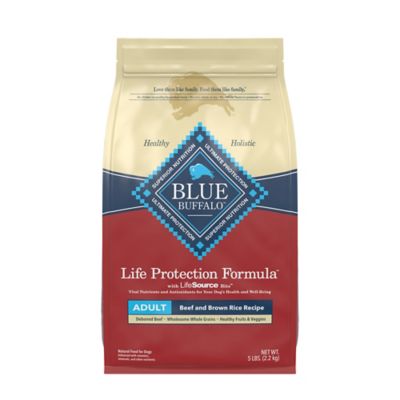
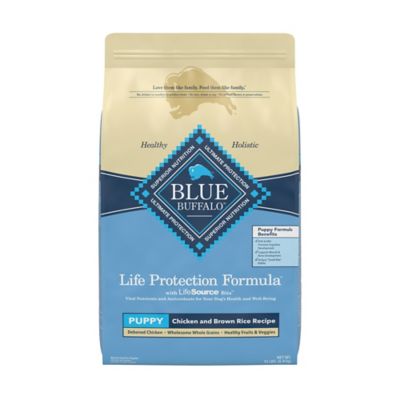
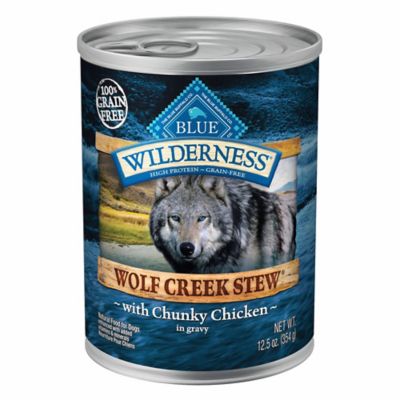
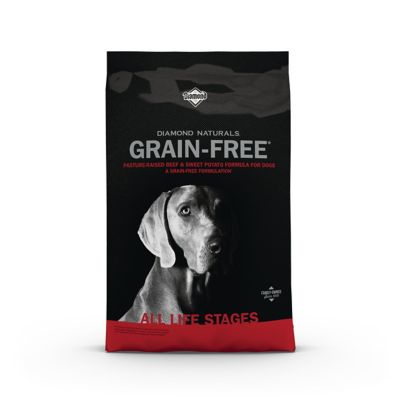
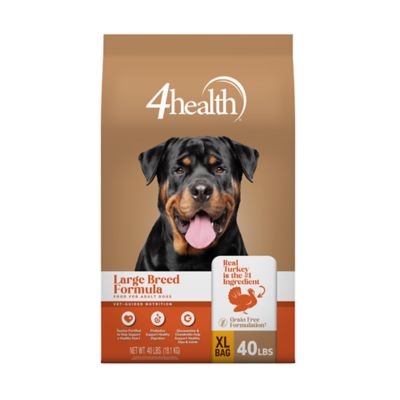
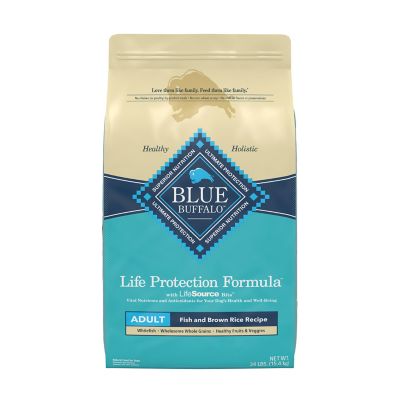
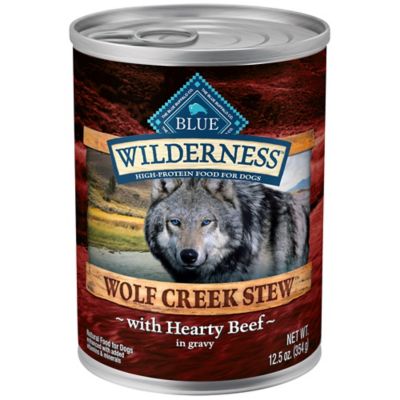
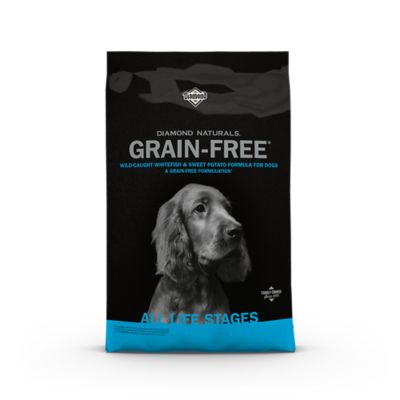
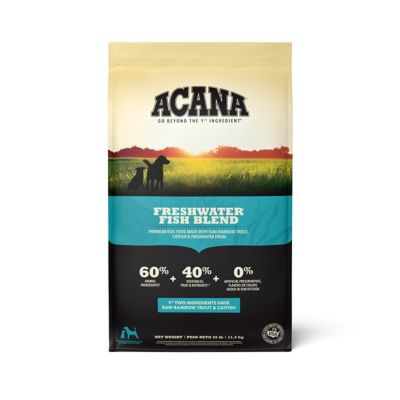
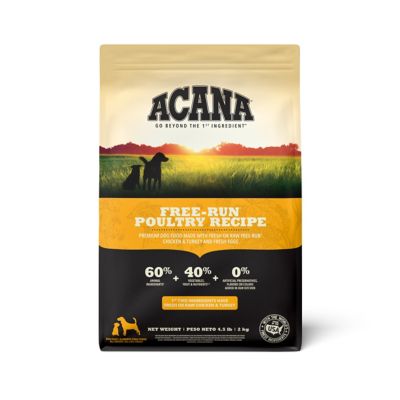
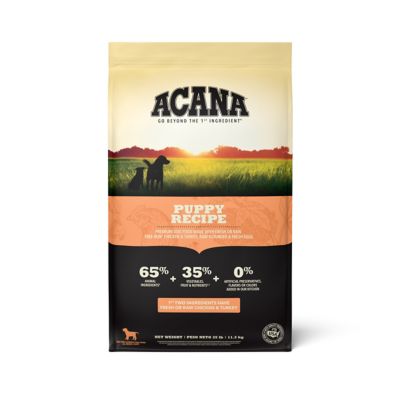
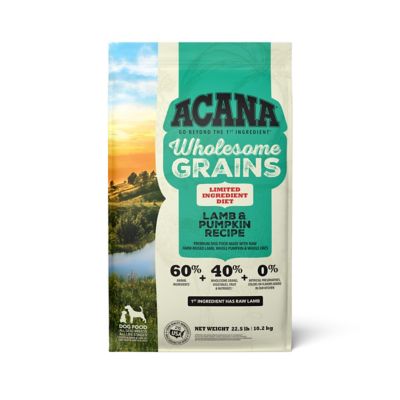
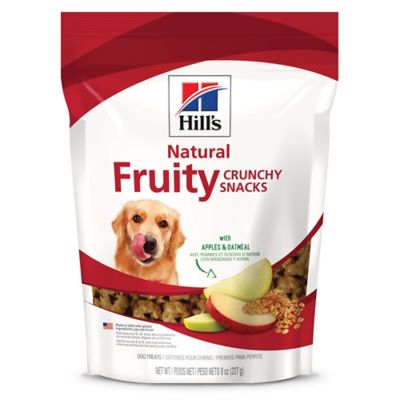
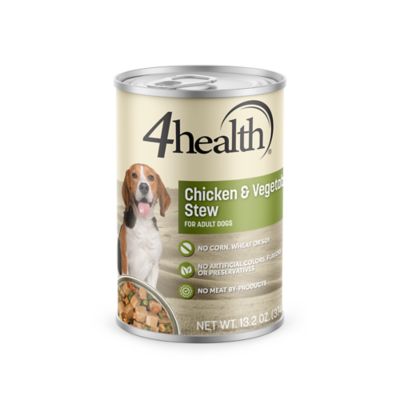
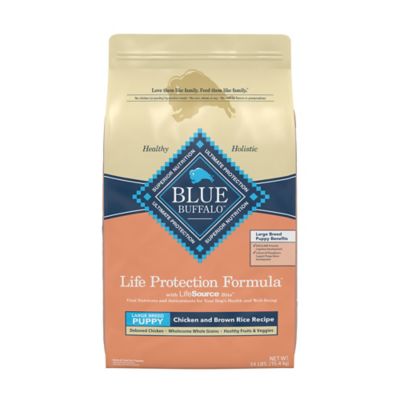
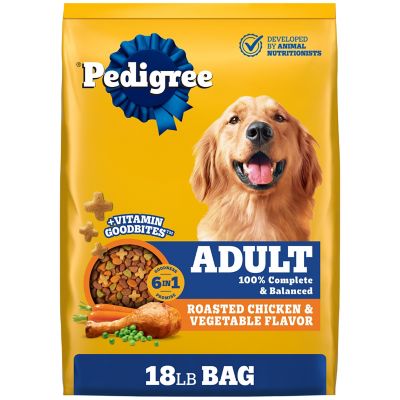
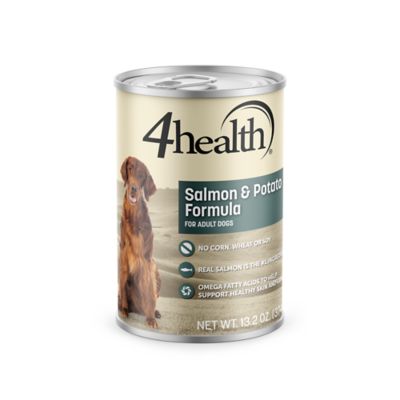
Fruit dog food can be a handy way to add a little variety to a dog’s bowl while keeping mealtime familiar and balanced. Depending on the recipe, “fruit” may refer to ingredients such as apples, blueberries, bananas, cranberries, strawberries, or other fruit flavors blended into dry food, wet food, toppers, biscuits, chews, and training treats. These products can suit plenty of dogs, from a young pup learning good manners to an older porch companion who enjoys a softer bite. Fruit ingredients may provide flavor, moisture, fiber, or naturally occurring vitamins, but they should be part of a complete feeding routine rather than the whole routine by themselves. When comparing fruit dog food, start with the basics: look for a formula made for your dog’s life stage, size, and activity level, and check the feeding directions on the package. A hard-working farm dog that spends the day covering ground may need different calories than a smaller house dog that prefers a nap in the sunny spot by the back door. Ingredient lists can also help you compare recipes if your dog has a sensitive stomach or known food allergy. Choose the texture that fits the way your dog eats, whether that means crunchy pieces for a food-loving retriever, tender bites for a senior, or small treats that can be tucked into a coat pocket during training. If you’re shopping for a dog-owning friend, fruit-flavored treats or a small selection of food toppers can make a thoughtful gift, especially when you know the dog’s size and dietary needs. A sealed package is easy to store in the tack room, mudroom, or pantry, and it gives the recipient a practical way to spoil a four-legged friend without filling the house with another toy.
Fresh fruit can also be offered as an occasional treat, but it takes a little preparation. Safe choices commonly include apples, blueberries, bananas, strawberries, and seedless watermelon, served in small portions. Wash the fruit, remove stems, leaves, cores, seeds, pits, and tough rinds, then cut it into pieces small enough for the dog to manage. An apple slice with the core and seeds removed can make a crisp reward after a walk, while a few blueberries may be easy to scatter over a meal or use during a short training session. Banana is soft and handy to mash into a food toy, though it is higher in natural sugar and is best served sparingly. Watermelon can offer extra moisture during warm weather, but the rind and seeds should stay out of the bowl. Fruit should remain a small part of the daily diet—generally no more than about 10% of a dog’s daily calories—with the rest coming from a complete, balanced food. Treat calories can add up faster than many owners expect, especially with small dogs. I’ve seen a dog turn down a perfectly good bowl of supper after filling up on handouts during a long afternoon outside, so keeping treats measured in a small cup instead of grabbing from the bag helps keep portions honest. Introduce one new fruit or fruit-based food at a time and begin with a very small serving. Watch for loose stool, vomiting, itching, gas, or other changes, and stop the new food if anything seems off. A veterinarian can help set appropriate portions and recommend choices for dogs with diabetes, pancreatitis, kidney concerns, weight-management needs, food allergies, or other health conditions. For more ways to compare recipes and flavors, browse
Flavorful Dog Food and use the package information as your starting point.
Some fruits and fruit parts should never go into a dog’s dish. Grapes and raisins can cause serious illness, including sudden kidney failure, and should be avoided completely. Avocado contains persin and has a large pit that can create additional hazards. Cherry pits can contain cyanide and may cause choking or intestinal blockage, while stems and leaves are also unsafe. Green tomatoes, along with the stems and vines, contain compounds that can make dogs sick; ripe tomato ingredients in a commercial food are a different matter, but it is still wise to follow the recipe and feeding directions rather than adding table scraps. Do not rely on a dog to sort safe fruit from unsafe fruit in the garden, orchard, or kitchen. During the cooler months, fallen fruit under a backyard tree can be easy to overlook, and a curious dog may gobble it before anyone notices. Keep produce, fruit snacks, baked goods, and compost scraps secured, and remind children not to share food without an adult’s help. Fruit dog food and treats are most useful when they fit into everyday habits: a few small bites after brushing, a measured topper mixed into breakfast, or a reward carried along while checking fences and chores. Store opened food in a cool, dry place, close the bag or container tightly, and use clean scoops to help maintain freshness. With sensible portions, careful ingredient checks, and attention to your dog’s individual needs, fruit-based foods can bring a pleasant change of pace to the bowl without taking the place of a balanced diet.