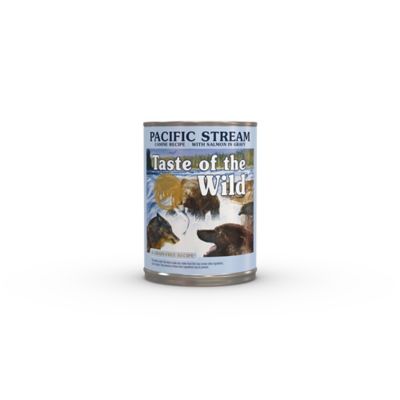
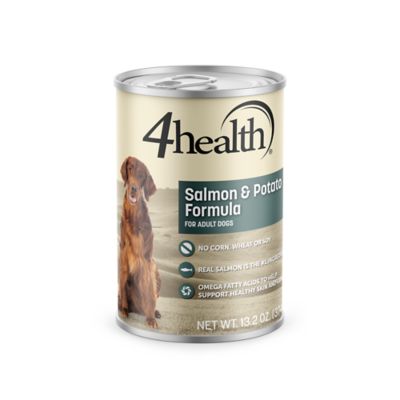
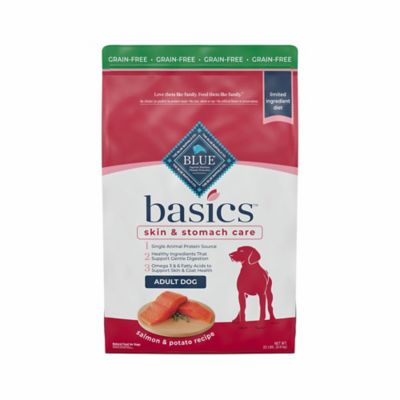
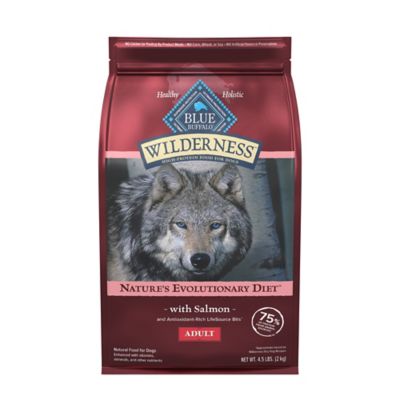
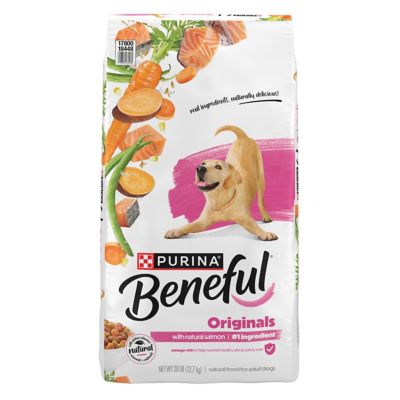
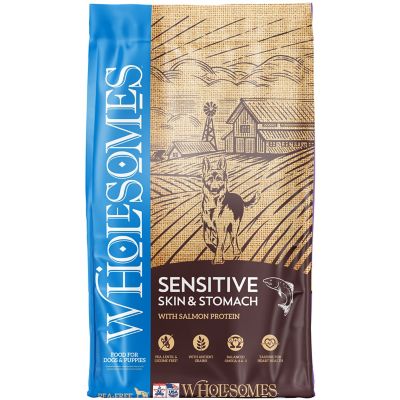
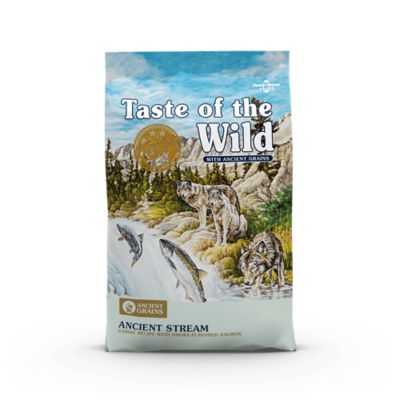
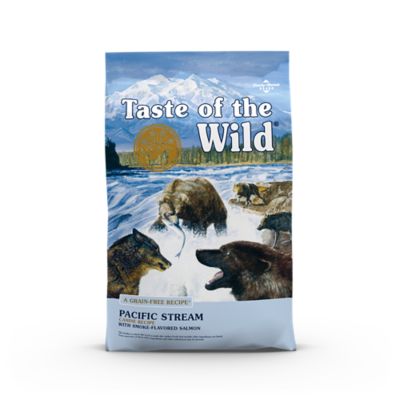
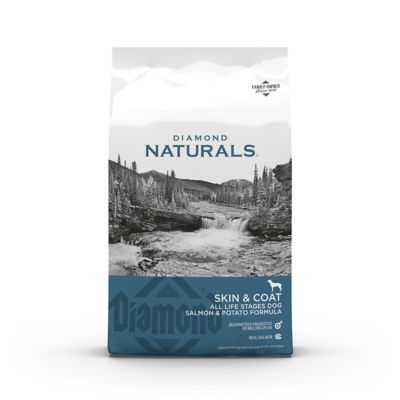
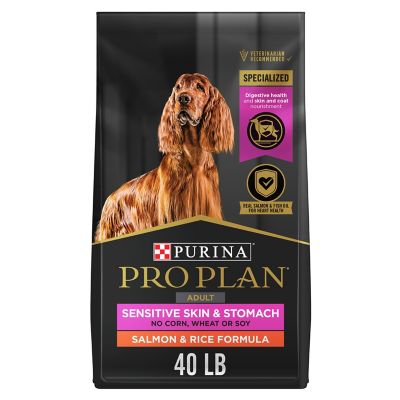
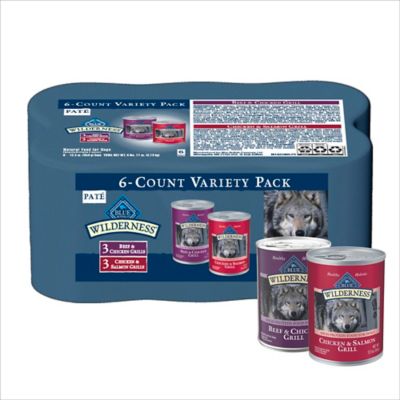
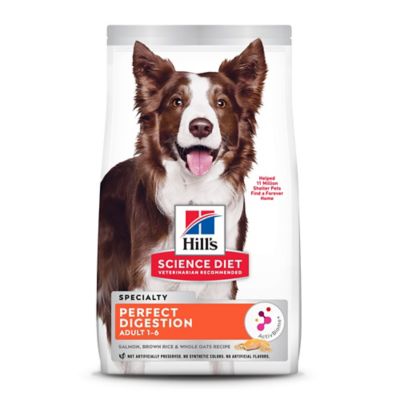
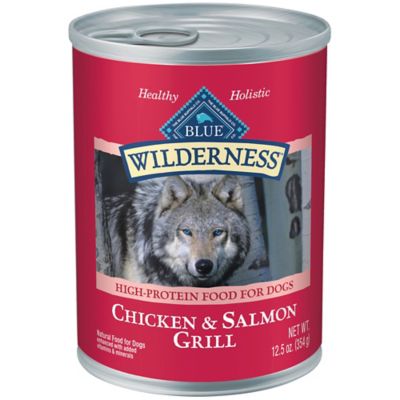
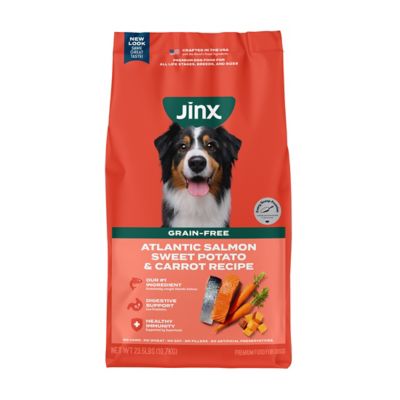
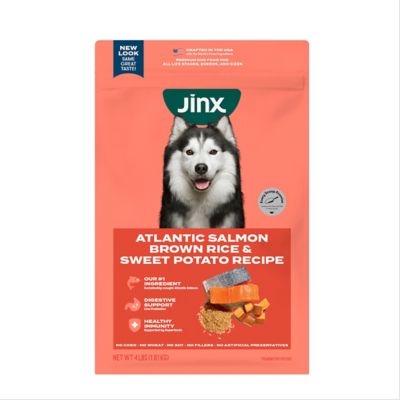
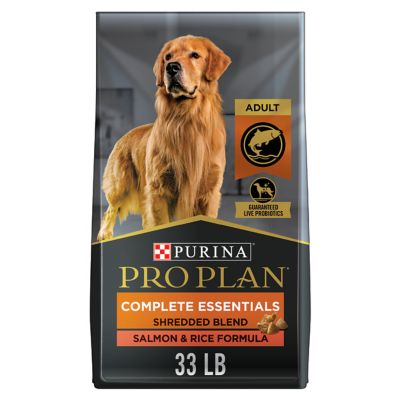
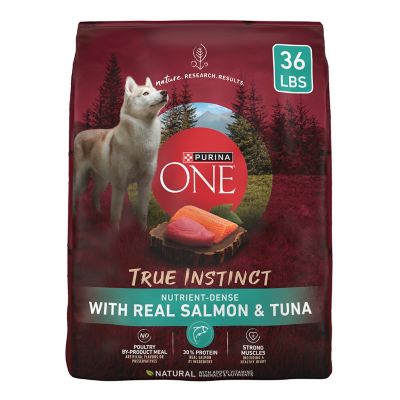
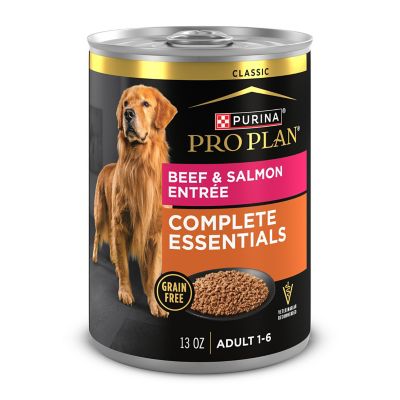
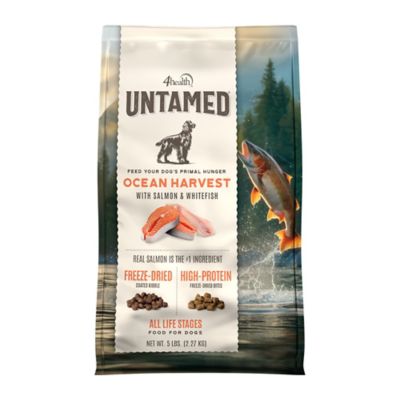
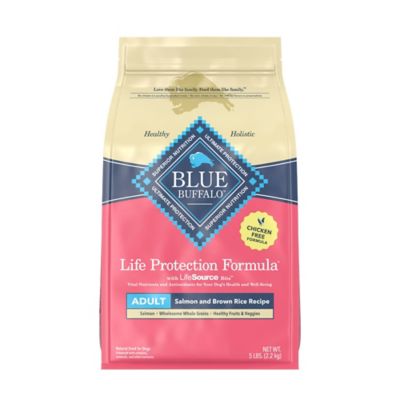
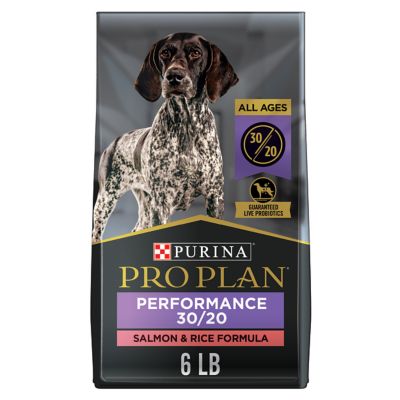
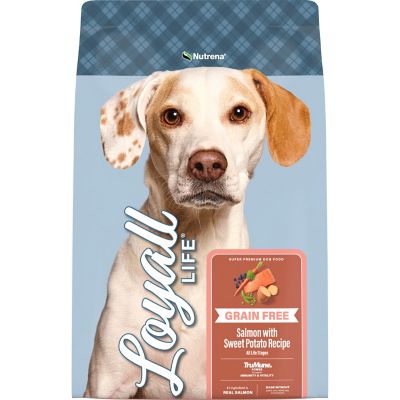
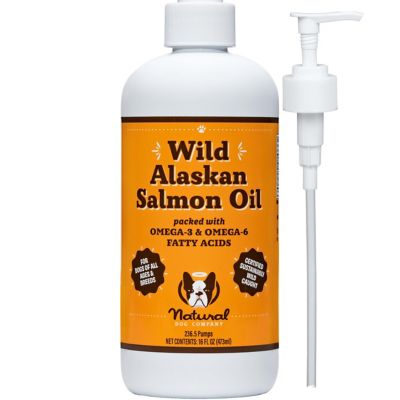
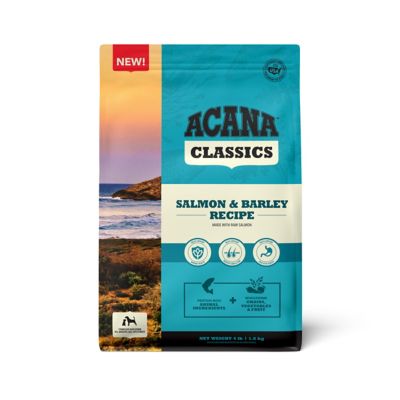
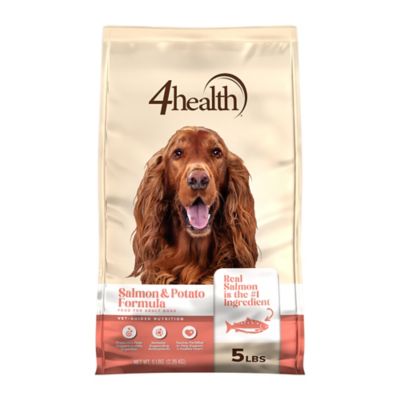
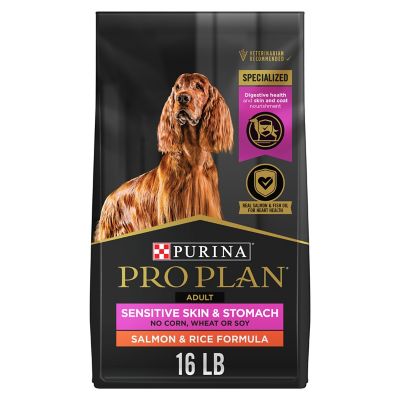
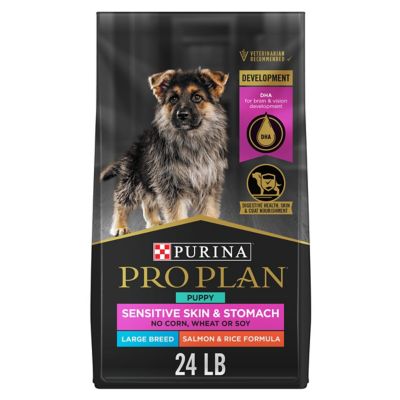
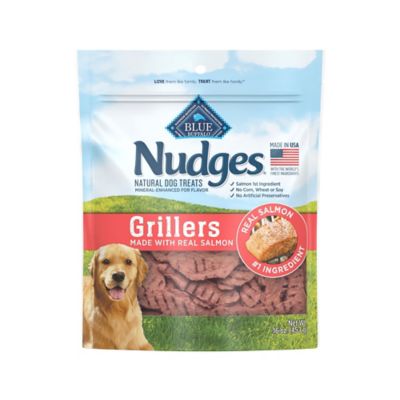
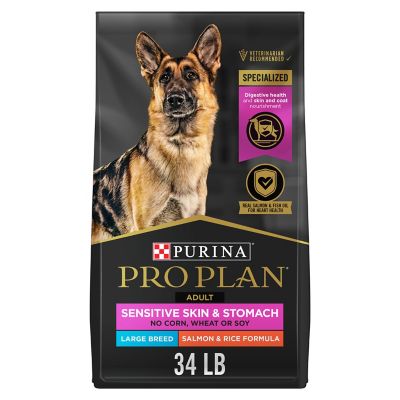
Salmon dog food is a popular choice for pet parents looking to add a flavorful, protein-rich option to the bowl, especially when a dog does well with fish as an alternative to more common proteins such as chicken or beef. Salmon can provide quality protein to help support everyday muscle maintenance, while its naturally occurring omega-3 fatty acids are often valued for helping support healthy skin, a soft coat, and normal joint function. That combination makes salmon recipes a practical fit for many active dogs, older companions, and pets with coats that look dry or feel a little rough. Some formulas use salmon as the main animal protein, while others blend salmon with additional fish or other ingredients, so checking the ingredient panel is an important part of choosing the right food. Look for a recipe that matches your dog’s life stage, size, and activity level, and compare the guaranteed analysis for protein, fat, fiber, and moisture. Puppies, adult dogs, and seniors have different nutritional needs, and a working dog that spends long days in the pasture may need a different calorie level than a couch-loving companion. Dogs with known food sensitivities may benefit from a limited-ingredient or alternative-protein recipe, but an ingredient list alone cannot diagnose an allergy. If your dog has ongoing itching, ear trouble, digestive upset, or other concerns, talk with a veterinarian before making a major diet change. For a broader look at recipes that feature these beneficial fats, browse
Dog Food With Omega Fatty Acids.
When shopping for salmon dog food, consider the form that fits your routine. Dry kibble is easy to scoop, store, and measure, making it a handy choice for households with multiple dogs or for keeping a bag in the feed room, mudroom, or pantry. Wet food can add moisture and a rich aroma that appeals to picky eaters, while toppers and treats may be useful for adding variety without replacing a complete and balanced diet. Always check whether a product is labeled as complete and balanced for your dog’s life stage if it will serve as the main meal. Feeding directions are a helpful starting point, but they are not one-size-fits-all; adjust portions based on your dog’s weight, body condition, activity, and any advice from a veterinarian. A dog that spends cooler months chasing across open ground or accompanying you on chores may burn more calories than a dog with a shorter daily walk. Fresh water should be available with every type of food, and dry food should be kept sealed in a cool, dry place away from pests and dampness. When changing foods, mix the new salmon recipe with the old food gradually over several days. A slow transition can be easier on a dog’s stomach than filling the bowl with an unfamiliar recipe all at once. Keep an eye on stool quality, appetite, energy, and coat condition as your dog settles into the new food. If your dog refuses meals or develops persistent vomiting, diarrhea, or other unusual symptoms, stop and seek veterinary guidance. Paying attention to these everyday details can make mealtime smoother, whether you are feeding a young dog learning the household routine, an athletic dog that comes in from the yard muddy and hungry, or a longtime companion easing into a gentler pace.
A salmon-based recipe can also be a thoughtful addition for families welcoming a new dog, though pet food is usually best chosen around the dog’s specific needs rather than given as a surprise gift. Friends and relatives helping with an adoption may appreciate a bag of suitable food, a storage container, a scoop, or a few compatible treats alongside other practical supplies. Before gifting food, confirm the dog’s age, size, current diet, and any known sensitivities with the owner so the new recipe does not create an abrupt change. Salmon dog food may be especially appealing for households hoping to rotate protein sources, support a glossy coat, or offer a different flavor to a dog that has grown tired of the same bowl. It can also fit neatly into seasonal routines: during cooler months, many dogs spend more time indoors, so measured portions and regular activity can help maintain a healthy weight, while rainy or chilly days may make a convenient, nourishing meal even more welcome after outdoor time. Still, salmon food is not automatically the best choice for every dog, and grain-free does not always mean healthier. Dogs generally need a balanced diet with the right blend of nutrients, and the absence of grains should be based on an individual need rather than a passing preference. Read the feeding statement, review the first several ingredients, check the package size against your storage space and feeding schedule, and choose a recipe from a reliable source. With the right match, salmon dog food can bring a satisfying fish flavor to the bowl while supplying protein and omega-3 fatty acids that support a dog’s skin, coat, joints, and overall daily nutrition.