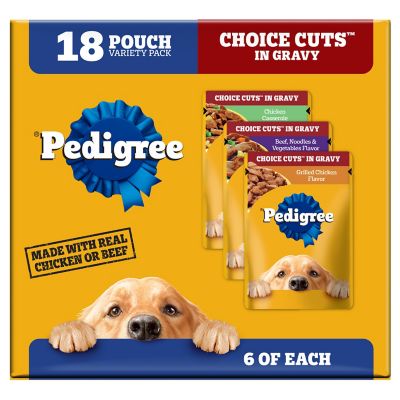
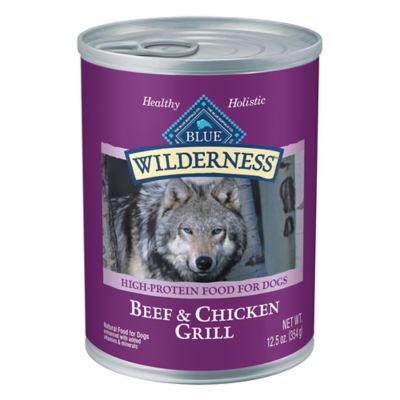
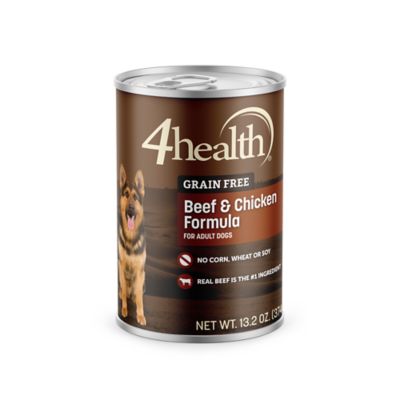
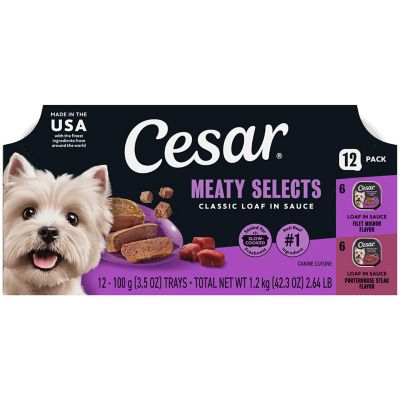
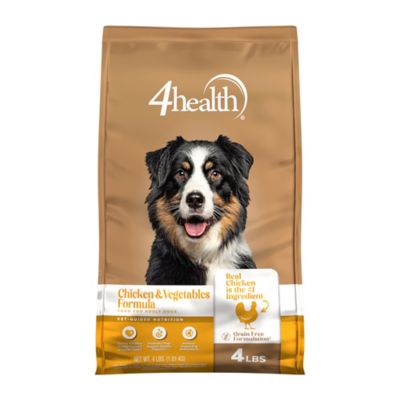
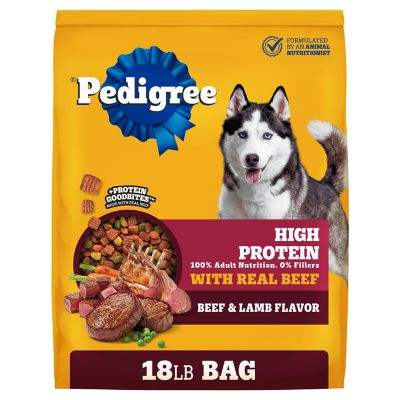
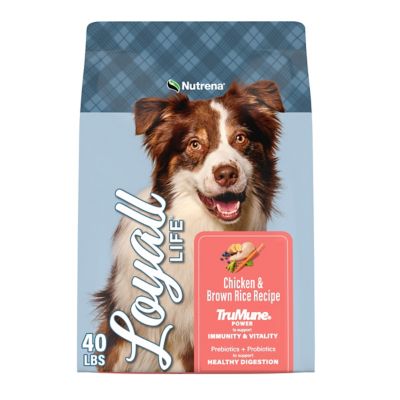
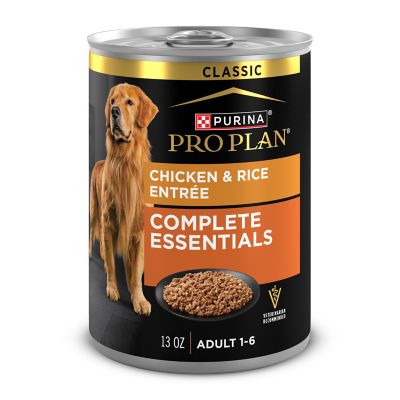
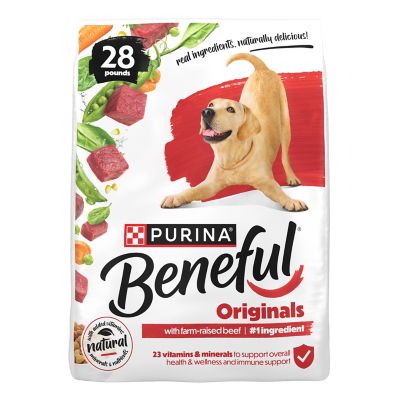
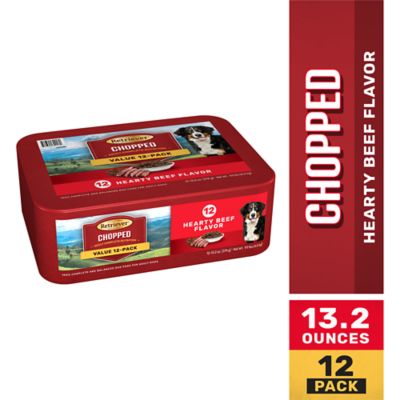
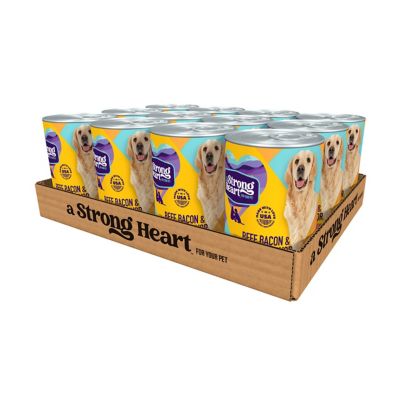
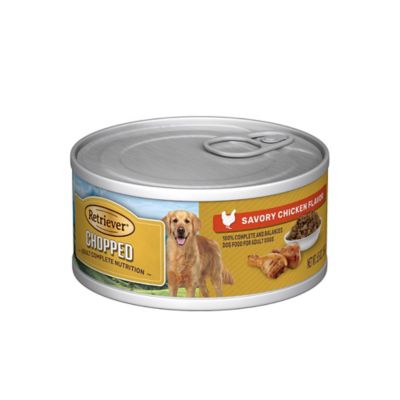
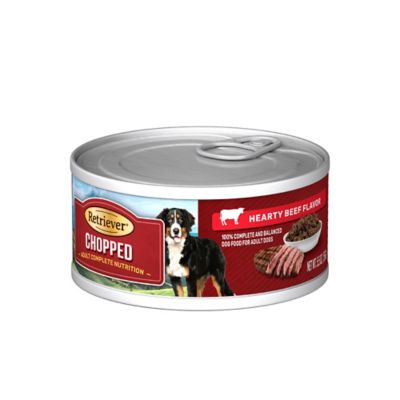
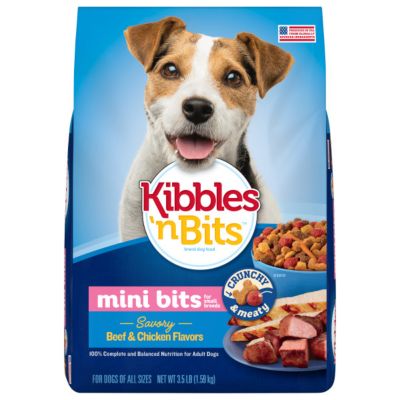
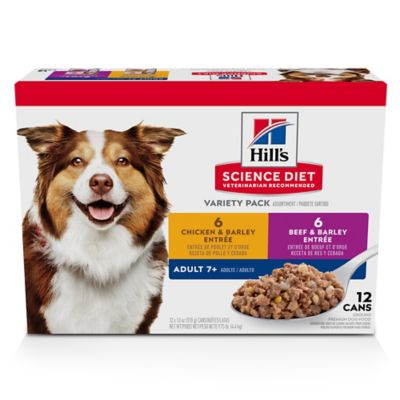
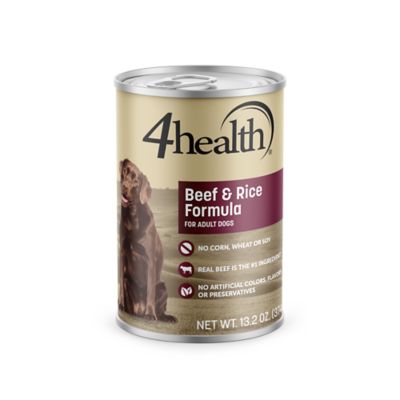
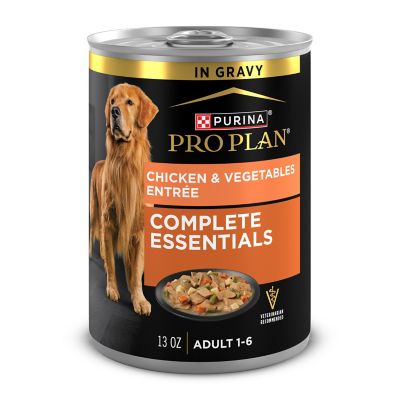
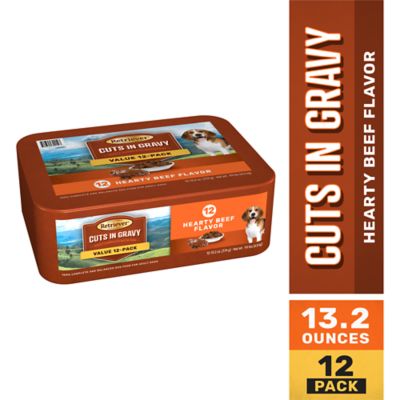
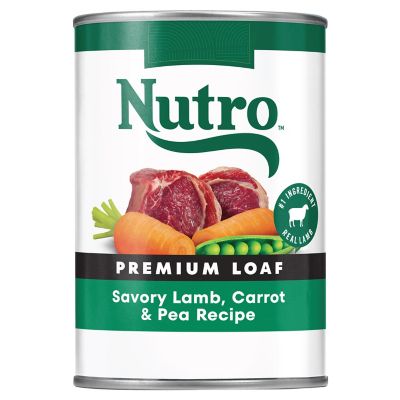
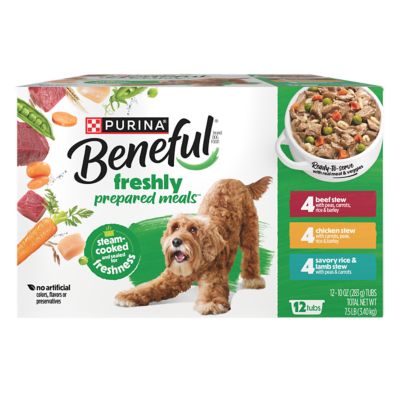
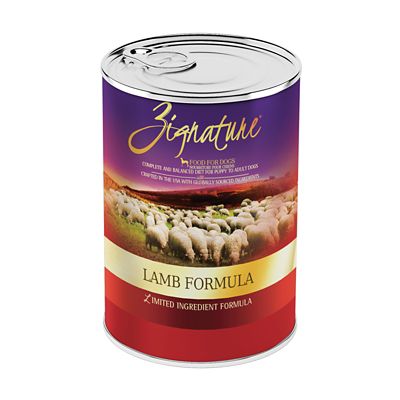
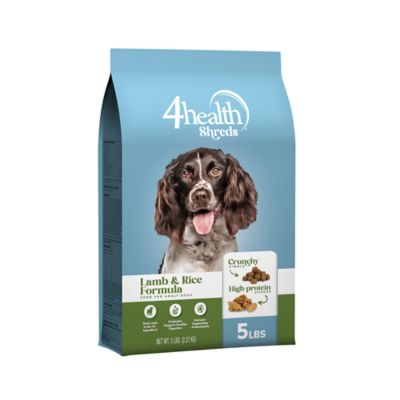
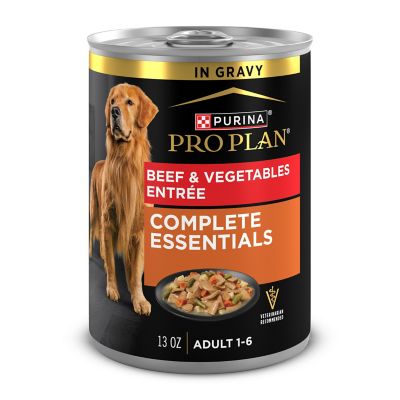
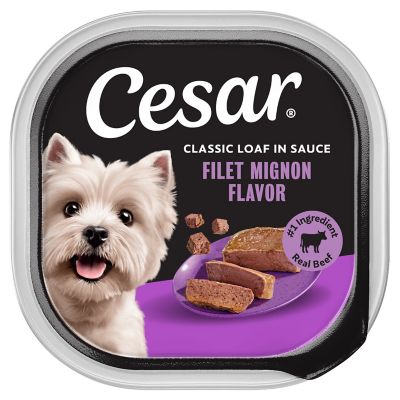
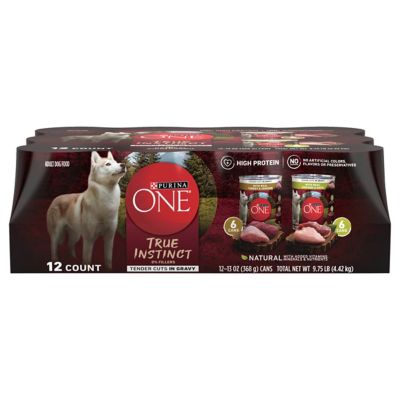
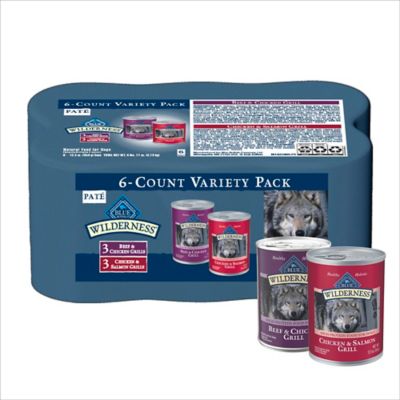
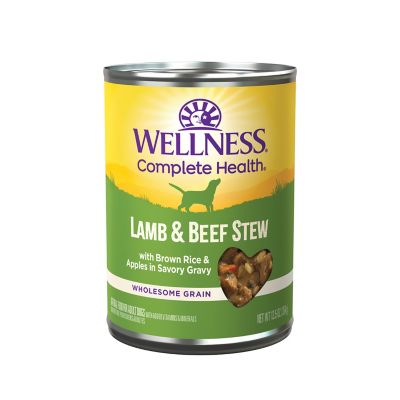
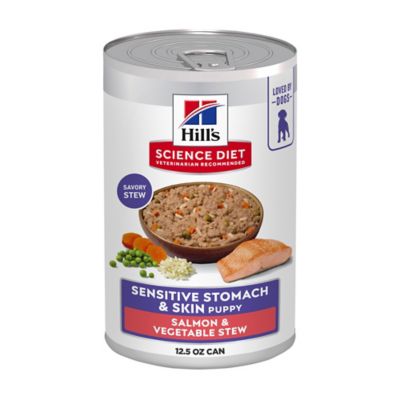
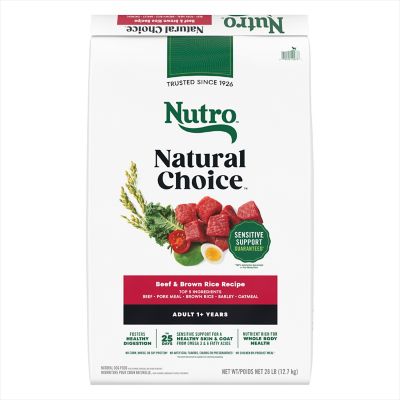
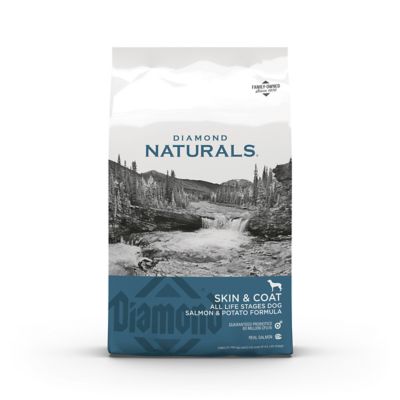
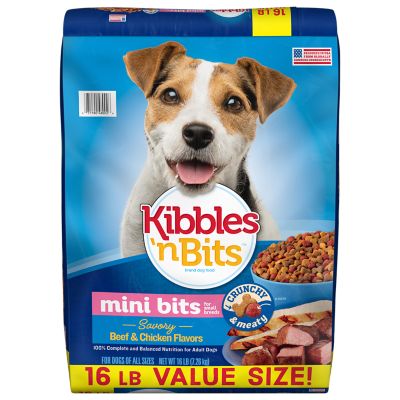
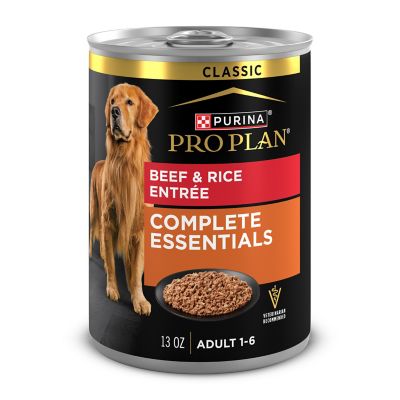
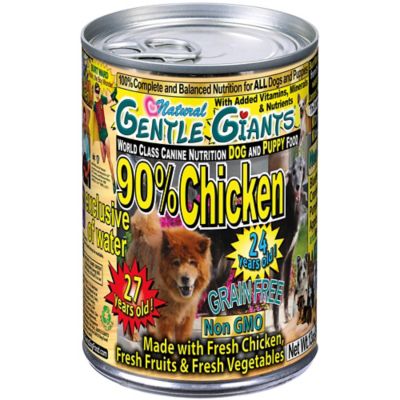
Flavorful dog food combines appealing aromas, tastes, and textures with the nourishment a dog needs every day. There is no single flavor that wins over every dog: one may eagerly crunch through chicken-flavored kibble, while another prefers beef in gravy or the softer texture of a fish-based meal. Smell plays a big part in that first sniff at the bowl, and texture can help determine whether a dog keeps eating after the first bite. Dry kibble offers a crunchy format that is easy to measure, while wet food brings more moisture and may come as a smooth loaf, minced pieces, or chunks in sauce. Cooked refrigerated and frozen meals provide other textures, though their storage and handling requirements differ from shelf-stable foods. Raw-coated and freeze-dried formats are additional choices, but those processes do not necessarily eliminate harmful bacteria, so careful handling and cleanup remain important. Flavor names alone do not tell the whole story. The recipe’s ingredients, aroma, fat content, and preparation all contribute to the eating experience, and individual preferences can vary even between dogs in the same household. A farm companion that finishes every bowl may have very different tastes from a little house dog that noses through dinner before settling on a bite. Kibble size and shape also matter, particularly for small mouths or dogs that struggle with hard pieces. Softer food may make eating more comfortable for some dogs, although new trouble chewing deserves a veterinarian’s attention rather than just a texture change. When dry and wet foods share a bowl, the combination can add variety without making every meal a completely different recipe. Both portions still count toward the day’s calories. The most satisfying choice is a food a dog enjoys eating consistently, tolerates well, and can comfortably manage—not simply the one with the boldest flavor description on the package.
Good taste works best when it comes with nutrition suited to the dog eating it. Food labeled complete and balanced for the appropriate life stage is intended to supply the nutrients needed as a daily diet when fed as directed. The nutritional adequacy statement, often referencing Association of American Feed Control Officials nutrient profiles or feeding procedures, helps distinguish a full meal from a topper or food intended only for intermittent or supplemental feeding. Puppies need food formulated for growth, and large-breed puppies have additional considerations for healthy development. Adult dogs need a diet that fits their maintenance needs, while older dogs may benefit from adjustments based on body condition, appetite, dental comfort, and medical history. A senior label alone does not establish that a food is right for every older dog. Activity matters, too. A dog spending much of the day alongside a rancher may need a different calorie allowance than a companion whose biggest daily outing is a leisurely walk down the lane. Rich taste does not automatically mean a food is suited to high activity, and a smaller serving can contain more calories than expected. Package calorie information and measured portions help keep that distinction clear. Protein sources such as chicken, turkey, beef, lamb, and fish offer different flavor profiles, but no one ingredient makes a recipe the best fit for every dog. For dogs with suspected food allergies or recurring digestive trouble, switching among appealing flavors can complicate the picture; a veterinarian can help identify an appropriate diet and evaluation plan. Grain-free food is not automatically more appetizing or a better nutritional choice, either. Comparing options on the
Best Dog Food page is another way to consider flavor alongside life stage and feeding needs. A sensible match leaves room for both an eager appetite and the practical details that support everyday health.
Everyday feeding routines help flavorful dog food stay appealing from the first serving to the last. Dry food keeps best in its original bag, closed tightly and placed in a clean container with a snug lid, following the package’s storage directions. Keeping the bag also preserves the lot number, feeding information, and best-by date. Pouring a new bag over crumbs left in a storage bin can carry old residue into the next batch, so washing and thoroughly drying the container between bags is worth the effort. Wet food, cooked refrigerated meals, and thawed foods need attention to refrigeration and the package’s limits after opening. A bowl tucked beside the mudroom door still needs the same regular washing as one in the kitchen, especially when gravy or soft food sticks around the rim. Fresh drinking water belongs nearby regardless of the food’s moisture content. For dogs that enjoy a little extra aroma, a small amount of water added to kibble may change the texture enough to make dinner more inviting, provided the food’s directions allow it and leftovers are handled promptly. Toppers can add interest, but they should not crowd out the complete and balanced portion of the meal; treats and extras generally should stay within about 10 percent of daily calories unless a veterinarian recommends otherwise. A change to a new recipe usually goes more smoothly when the foods are mixed gradually over several days, with a slower change for dogs that need it. In a home with several dogs, separate bowls and a little breathing room can make it easier to see who is eating and how much. Steady meals also make changes in appetite easier to spot. A dog that suddenly walks away from a longtime favorite may need more than a different flavor, particularly if vomiting, diarrhea, lethargy, or mouth pain appears. Flavorful food can make mealtime something a dog looks forward to, while thoughtful portions, sound storage, and a recipe that fits the individual keep the routine practical day after day.