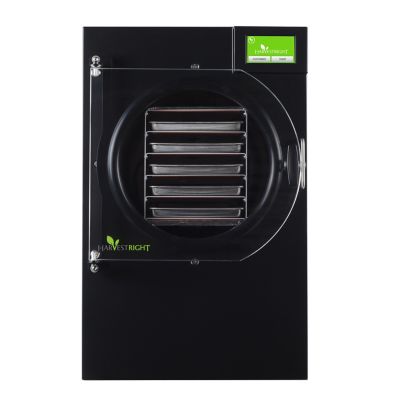
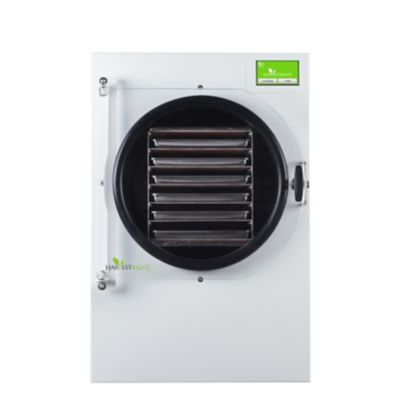
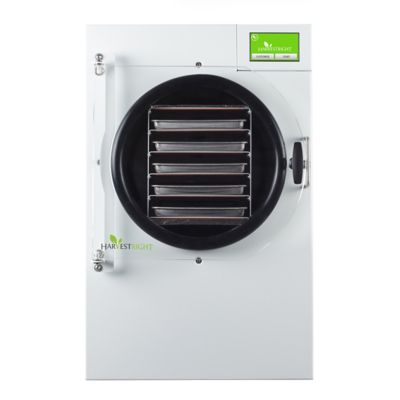
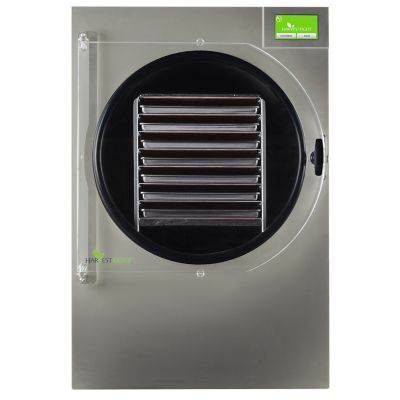
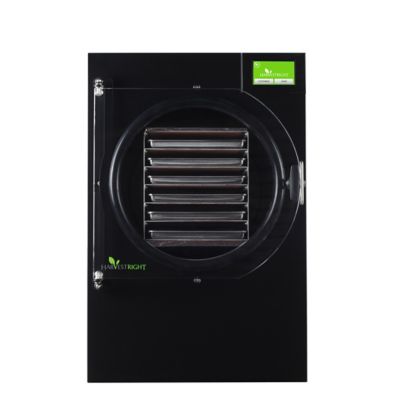
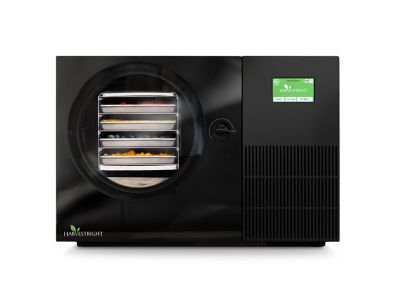
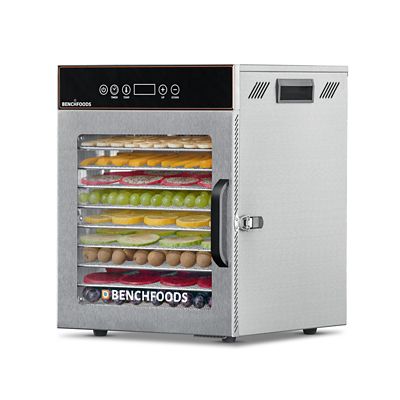
Home freeze dryers give households a way to turn garden produce, prepared meals, and other foods into lightweight pantry staples that need no refrigeration once properly dried and packaged. Unlike a dehydrator, which removes moisture mainly through heat and moving air, a freeze dryer freezes the food and lowers the pressure inside a sealed chamber. Controlled heat then helps the frozen water turn directly into vapor, a process called sublimation. That approach helps preserve much of a food’s shape, flavor, and structure while making it easier to store. Strawberry slices can become crisp snacks, vegetables can go into soups, and suitable cooked meals can be packed for a camping trip or a long day away from the kitchen. For households with a big garden, a busy meal-prep routine, or a food-storage pantry, the appeal is being able to preserve foods the family already enjoys. Home freeze drying also offers more control over ingredients and portion sizes, which matters when meals need to fit particular preferences or dietary needs. Results still depend on the food going into the chamber. Lean meats, many fruits and vegetables, and lower-fat prepared dishes generally suit the process better than foods with lots of oil, butter, or concentrated sugar. Removing water does not remove fat, and fatty ingredients can limit storage life. Some foods come back close to their original texture with water, while others work better crumbled into a recipe or eaten crisp. Many home batches take about 20 to 48 hours, with some taking longer depending on food type, slice thickness, load size, and machine settings. A freeze dryer is better suited to planned batches than last-minute meal preparation, and its usefulness comes from how well that routine fits the household.
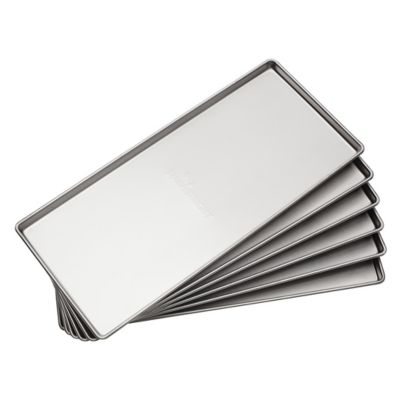
Choosing among freeze dryers for home use starts with batch capacity, available space, and the amount of food likely to move through the machine. Smaller home units may handle roughly 4 to 10 pounds of fresh food per batch, while some larger household machines accommodate around 18 to 27 pounds. Those ranges vary by machine, and a stated weight limit does not tell the whole story: leafy greens, sliced fruit, and dense cooked meals take up tray space differently. Tray dimensions, usable surface area, and recommended food depth all affect what fits comfortably in one run. A household preserving a few servings at a time has different needs than one processing baskets of produce or several family meals together. The machine’s outside measurements matter just as much as its chamber capacity. These are substantial appliances that need a stable, weight-rated surface, room for the door to open, ventilation clearance, and access for draining and routine upkeep. A separate vacuum pump may need space beside or below the unit, depending on its design. Pump noise and heat output are worth considering when the machine will run for a day or longer near living areas. A basement, utility room, or garage can make sense only when the location stays within the manufacturer’s operating requirements. Many smaller household freeze dryers run on grounded 110- to 120-volt power, but circuit and amperage requirements differ, and some machines need a dedicated circuit. Food-contact materials and construction deserve a close look, too. Stainless steel trays and chamber surfaces can make cleanup straightforward, while removable racks provide access around food spills. Door seals, latches, tray supports, and pump connections all play a part in repeated operation. Clear controls, readable cycle information, and accessible maintenance points can make the difference between a machine that fits comfortably into everyday chores and one that feels like another project.
Long-term satisfaction with a home freeze dryer depends on the work around each batch as well as the drying cycle itself. Oil-lubricated vacuum pumps require oil checks, changes, or filtration according to their instructions; oil-free pumps avoid that particular chore but still need their specified upkeep. Chamber defrosting, draining, tray washing, and seal inspection help keep the equipment ready for another run. Food-contact parts should be cleaned with the methods and supplies recommended by the manufacturer, without scratching surfaces or leaving cleaner residue behind. Packaging is another part of the setup, because freeze-dried food readily absorbs moisture from the air. Moisture- and oxygen-resistant barrier bags, suitable airtight containers, and properly selected oxygen absorbers can support storage when matched to the food and intended storage period. An oxygen absorber cannot finish drying a damp batch, and it belongs only with thoroughly dried food in appropriate packaging. Some published shelf-life claims reach up to 25 years for certain foods under specified conditions, but that is not a blanket promise for every meal or pantry. Ingredients, remaining moisture, packaging, light, storage conditions, and handling all affect how long food keeps. A container opened regularly for snacks has a different storage outlook than a sealed package set aside for long-term food storage. Clear labels with the food name, packing date, and rehydration details make it easier to rotate meals and know what is on the shelf. Freeze drying also does not sterilize food, make raw food safe to eat, or reverse spoilage; sound preparation and safe handling remain necessary before drying and after rehydration. For more background on packaging and pantry planning,
Home Freeze Drying for Food Storage offers a closer look. With the right capacity, a workable spot in the house, and manageable care requirements, a home freeze dryer can become a practical part of putting food by for packed lunches, trail meals, everyday cooking, and a well-planned pantry.