Fractional Tape Measures
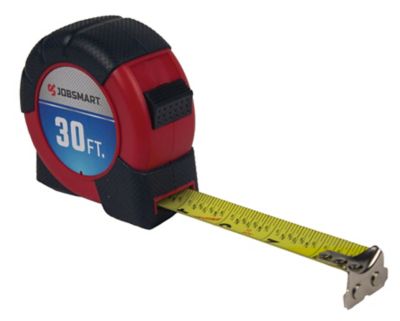
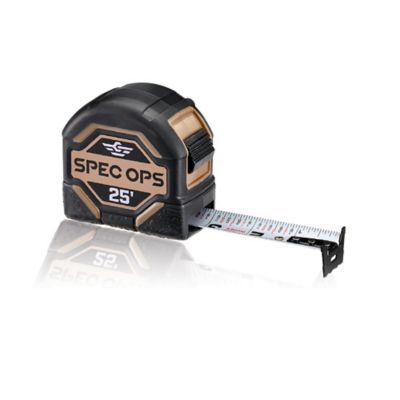
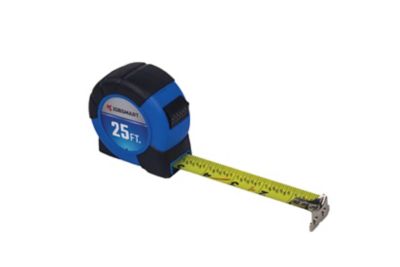
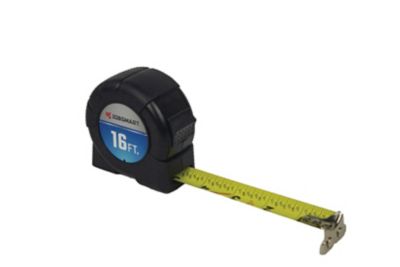
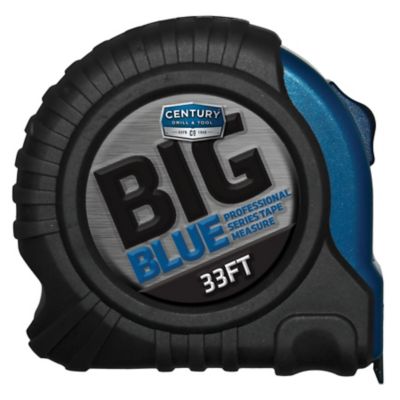
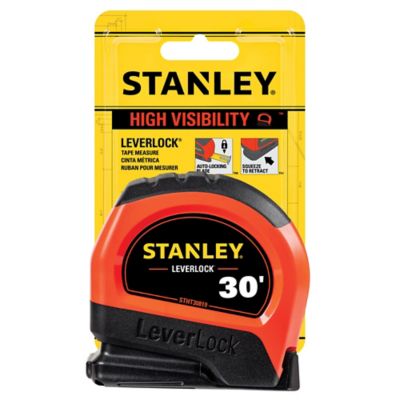
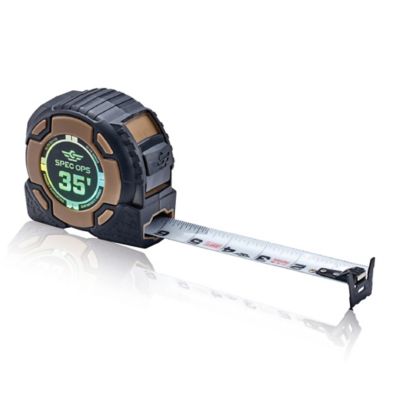
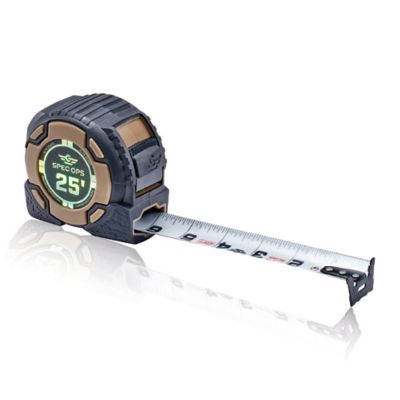
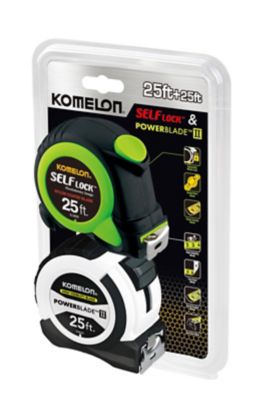
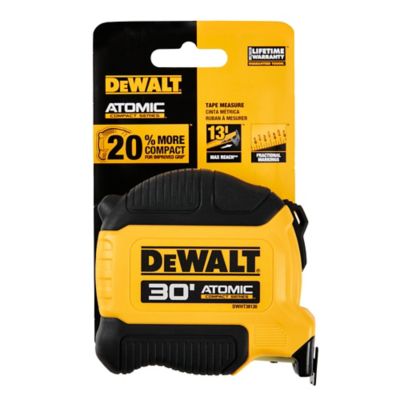
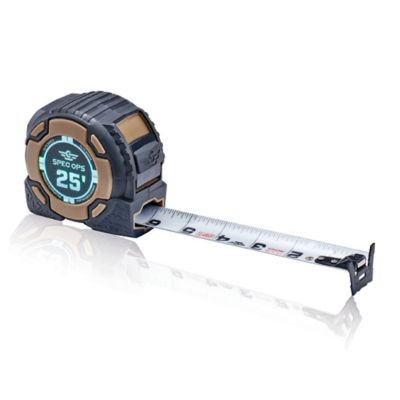
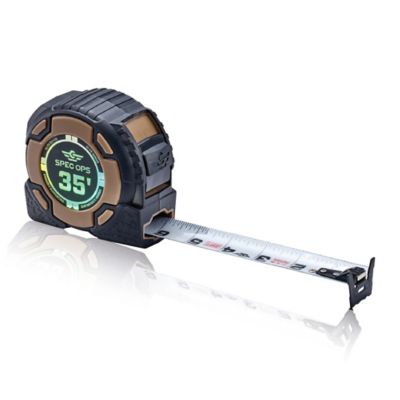
Fractional Tape Measures make quick work of any measuring job around the farm, workshop, or home. Whether you're building a fence, tackling a DIY project, or just need to check dimensions on the fly, these handy tools help you get accurate measurements with ease. Perfect for folks who like their numbers clear and straightforward, Fractional Tape Measures are a must-have for anyone who values precision and simplicity in their toolbox.
$29
.69
Sale Was $32.99 Save $3.30 (10%)
$26
.99
Sale Was $29.99 Save $3.00 (10%)
$24
.29
Sale Was $26.99 Save $2.70 (10%)
$31
.49
Sale Was $34.99 Save $3.50 (10%)
$22
.49
Sale Was $24.99 Save $2.50 (10%)
$19
.79
Sale Was $21.99 Save $2.20 (10%)
$29
.69
Sale Was $32.99 Save $3.30 (10%)

$17
.99
Sale Was $19.99 Save $2.00 (10%)
$23
.39
Sale Was $25.99 Save $2.60 (10%)
$24
.29
Sale Was $26.99 Save $2.70 (10%)
$31
.49
Sale Was $34.99 Save $3.50 (10%)
$19
.99
Sale Was $38.99 Save $19.00 (49%)
$11
.69
Sale Was $12.99 Save $1.30 (10%)
$16
.19
Sale Was $17.99 Save $1.80 (10%)
Best Of FAQ
What is a fractional tape measure used for?
A fractional tape measure is designed to provide precise measurements in fractions of an inch, making it ideal for woodworking, construction, and DIY projects where accuracy is important.
How do you read the markings on a fractional tape measure?
Fractional tape measures display measurements in fractions of an inch, such as 1/8, 1/4, or 1/16. Each mark represents a specific fraction, allowing users to quickly identify and record accurate measurements.
Are fractional tape measures different from standard tape measures?
Yes, fractional tape measures specifically highlight fractional increments on the blade, making them easier to read for tasks that require detailed measurements compared to standard tape measures that may only show whole numbers or metric units.
Can fractional tape measures be used for both professional and home projects?
Absolutely. Fractional tape measures are versatile tools suitable for both professional tradespeople and DIY enthusiasts who need precise measurements for their projects.
What materials are commonly used to make fractional tape measures?
Fractional tape measures are typically made with durable steel blades and feature protective coatings to resist wear and tear. The casings are often constructed from sturdy plastic or metal for long-lasting use.
Best Sellers
-
"I haven't used it a lot, but it works great, and I love that it stops on its own"
-
"I love the bright color of this tape measure and the magnet on the ends is so helpful"
-
"I love the bright color of this tape measure and the magnet on the ends is so helpful"
-
"Took a little bit to get comfortable with it, but after that, it’s great"
-
"Works great at a fair price. I’m happy I bought it"