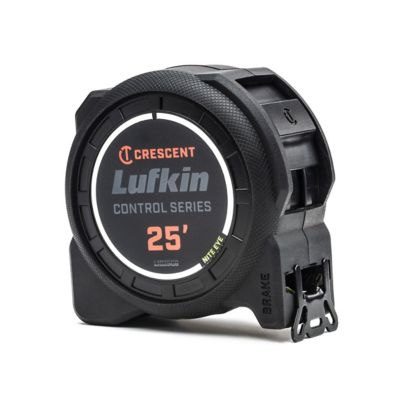
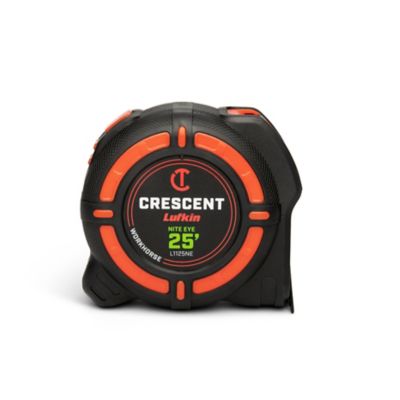
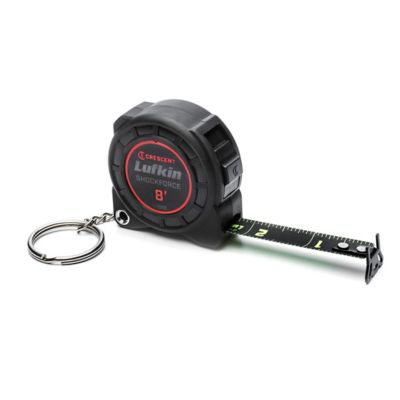
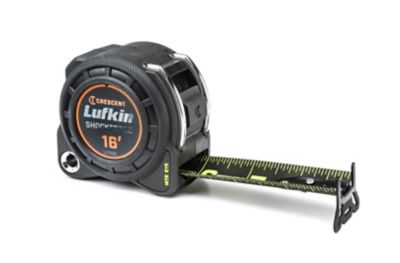
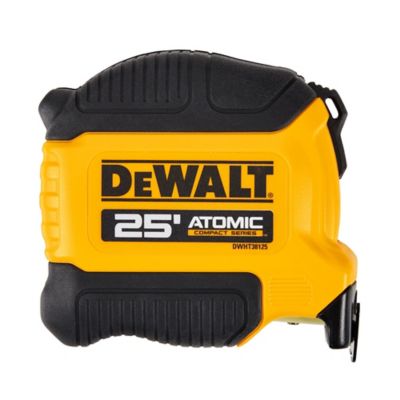
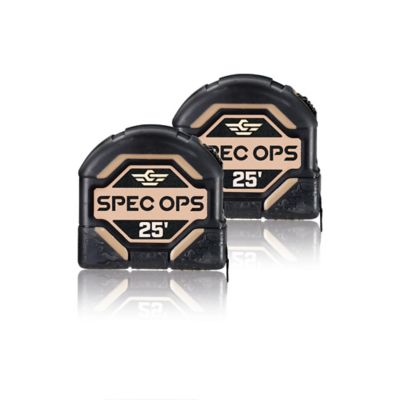
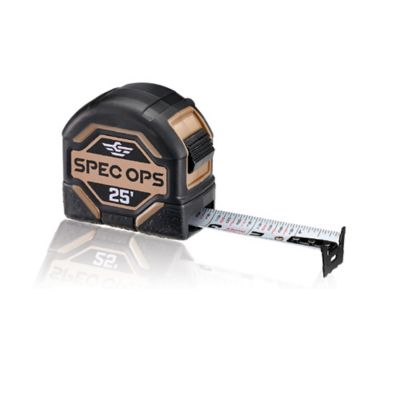
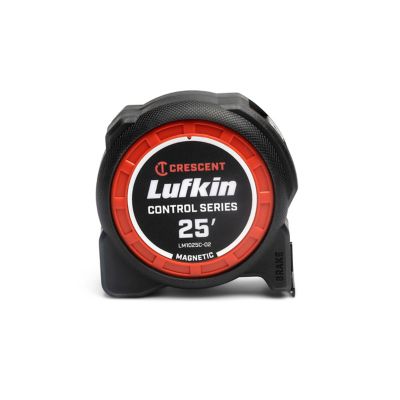
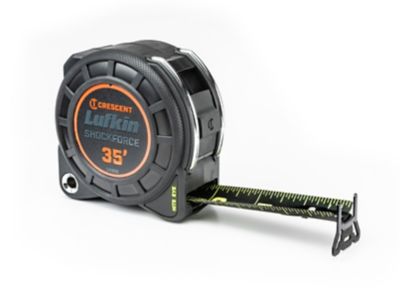
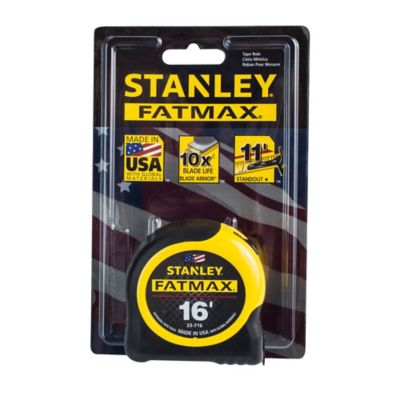
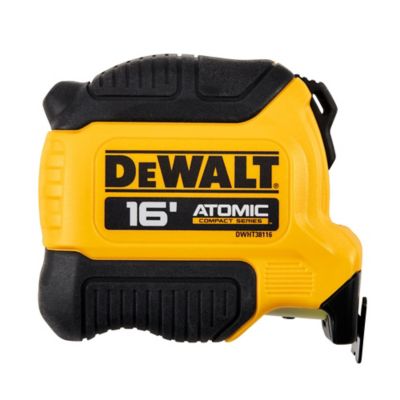
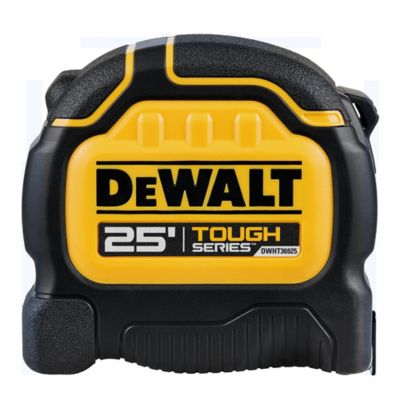
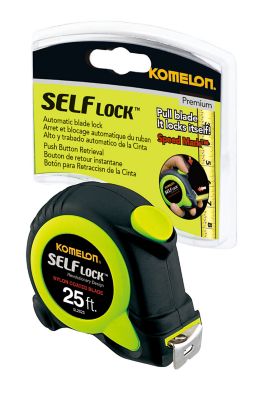
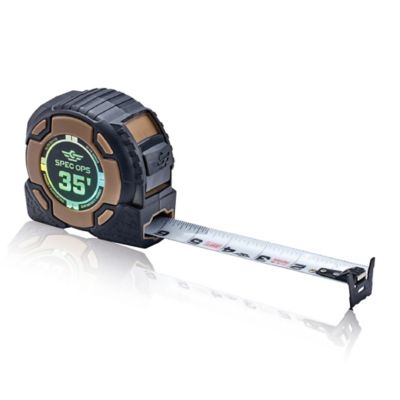
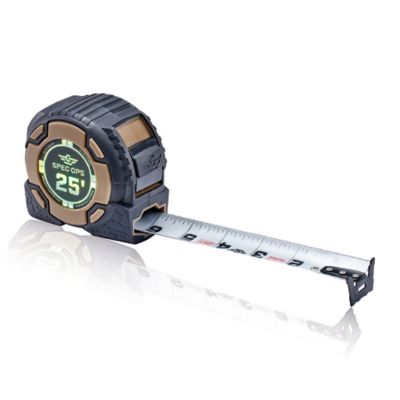
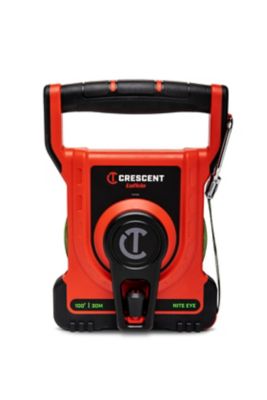
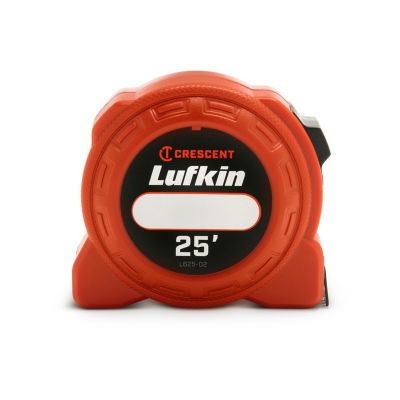
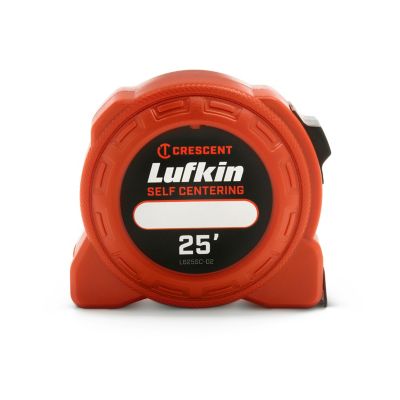
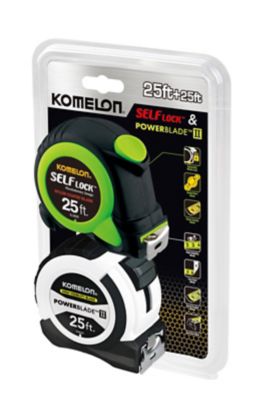
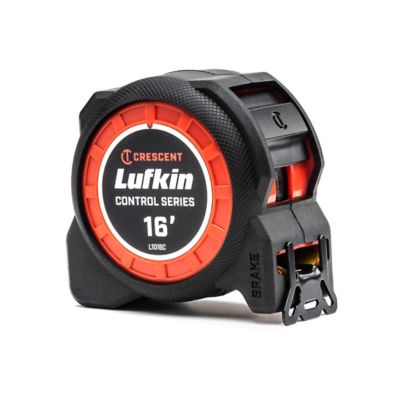
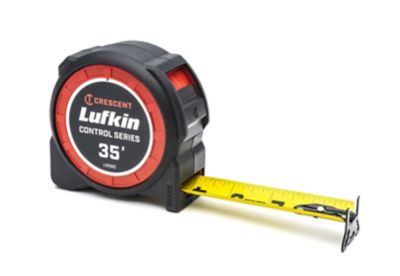
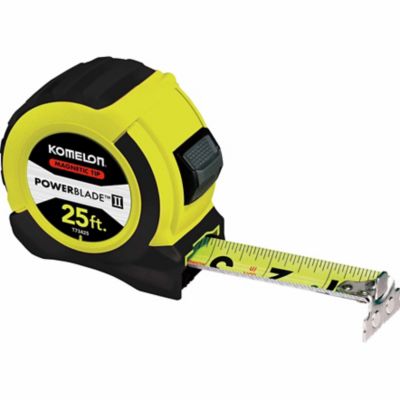
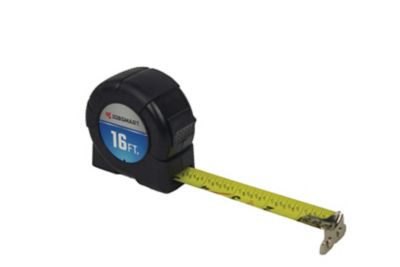
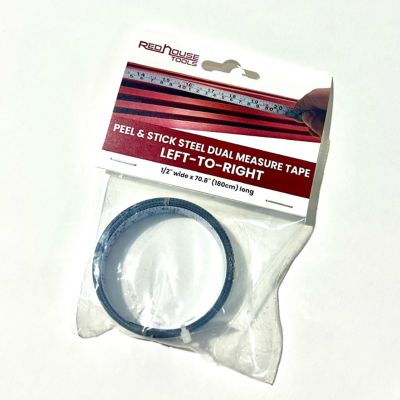
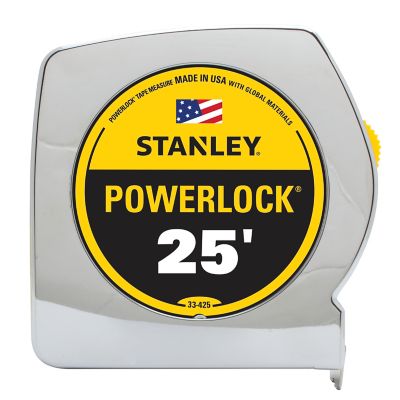
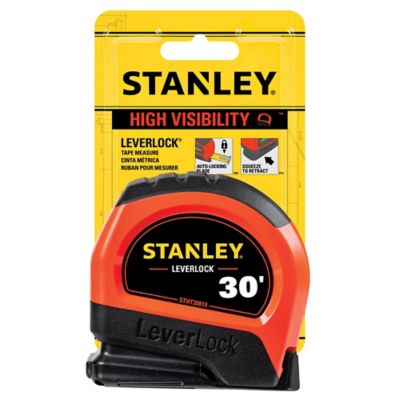
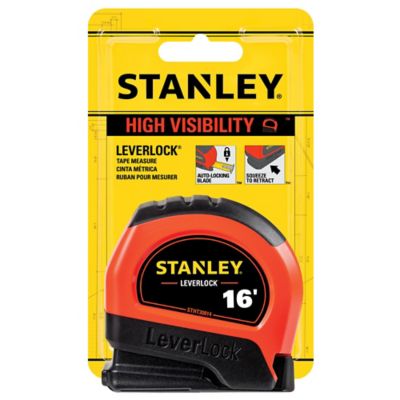
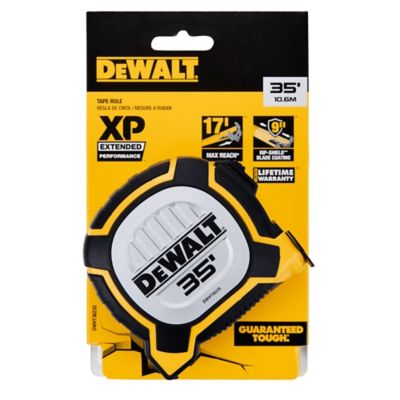
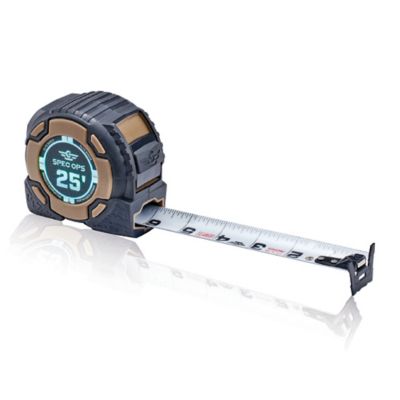
Easy to read tape measures make everyday measuring jobs simpler, especially when you are working in a dim garage, standing on a ladder, or trying to read a blade covered in sawdust. Look for large, bold numbers, strong contrast between the blade and its markings, and clear fractional callouts that help you find the measurement without counting a row of tiny lines. Whole-inch marks are usually the longest and easiest to spot, while half-inch, quarter-inch, eighth-inch and sixteenth-inch marks get progressively shorter. Some blades print the fractions directly near the tick marks, which can save time when you are measuring lumber, checking a gate opening or cutting fabric for a project. Dual-sided printing can also be handy because the numbers remain visible whether the tape is facing up, turned around or held at an angle. For general household, farm and workshop use, a blade length in the range of 16 to 25 feet offers a useful balance of reach and portability. A shorter tape can be easier to carry in a pocket or tool pouch, while a longer blade is helpful for checking room dimensions, fencing runs, trailer beds and larger building materials. A wide blade may stand out farther before bending, and a sturdy hook can help the tape catch on a board edge, post or other surface. Magnetic hooks are useful when working with steel studs, equipment or metal fabrication, but a standard hook works well for many wood and home repair tasks. When comparing easy to read tape measures, pay attention to the feel of the case, the smoothness of the lock and the way the blade returns. A comfortable, nonslip case is easier to hold with work gloves, and a lock that engages cleanly helps keep your measurement in place while you mark a cut.
These tape measures are useful for far more than a quick trip to the lumber rack. A homeowner might use one to space shelves in a mudroom, measure a window before buying a shade, confirm the size of a replacement appliance or lay out a new garden bed. Around the farm, a clear tape can help check the width of a stall door, the height of a workbench, the spacing between fence posts or the fit of a piece of equipment beneath a shelter. In a shop, large markings are especially helpful when measuring plywood, trim, pipe, sheet goods and cut lists. They also come in handy for less formal jobs, such as figuring out whether a dog kennel will fit beside the shed or making sure a new feed storage bin has enough room to open its lid. Hold the case steady, keep the blade straight and make sure the hook is seated firmly against the edge before reading the mark. It is easy to lose an inch when the tape is bowed or angled, particularly across a long span. For measurements that need to match, take them from the same reference point and write them down as you go. If you are reading sixteenths, remember that each inch is divided into 16 equal parts: the longer middle mark is one-half inch, the quarter-inch marks divide those halves, and the shorter marks identify eighths and sixteenths. A blade with printed fractions can make this process much quicker, while a digital readout may be useful for someone who has trouble distinguishing fine tick marks. For measuring around a curved object, use a flexible blade or confirm the result with a second measurement, since a rigid tape may not sit flush. Keep fingers clear when the blade retracts, and guide it back into the case rather than letting it snap in. That small habit helps protect hands, the blade and the internal spring.
An easy to read tape measure makes a practical gift for a new homeowner, beginning woodworker, ranch hand, gardener, DIYer or anyone building a dependable toolbox. It is the kind of useful gift that often gets put to work the same day, whether the recipient is hanging a cabinet, repairing a chicken coop or setting up a work area during the cooler months. Pairing a clear-marking tape with a pencil, utility knife or small level can make a thoughtful starter set without taking up much room. When choosing one for a gift, consider how it will be carried and used. A compact case suits someone who keeps tools in a vehicle or pocket, while a longer blade may be better for construction, fencing and larger repair projects. High-contrast markings are helpful for older users, beginners and anyone working in changing light, and a lock with a broad, easy-to-use button can be more comfortable for gloved hands. For more options in a familiar pull-out design, browse
Retractable Tape Measures. Store the tape in a dry place and wipe off dirt, moisture or grit before retracting it. If the blade gets wet while working outside, extend it fully and let it dry before putting it away to help limit rust and keep the markings readable. Avoid using the blade as a strap, pry bar or guide for cutting, and replace it if the hook becomes loose, the edges turn sharp or the numbers are too worn to read. Whether you are checking a small repair, laying out a larger project or keeping a few basic tools on hand for the unexpected, a clear, dependable tape measure can save time and help every cut, opening and fitting come out closer to plan.