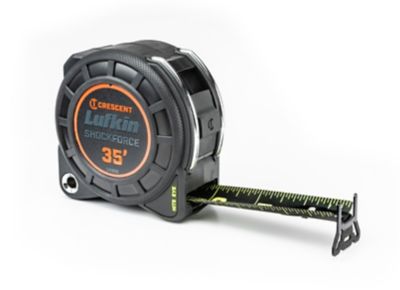
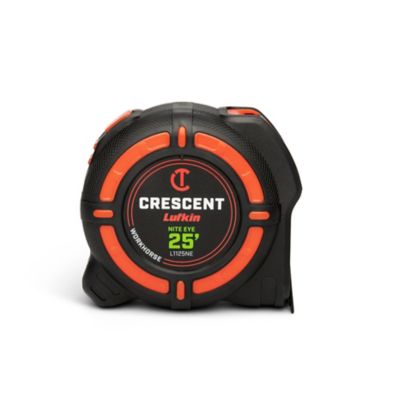
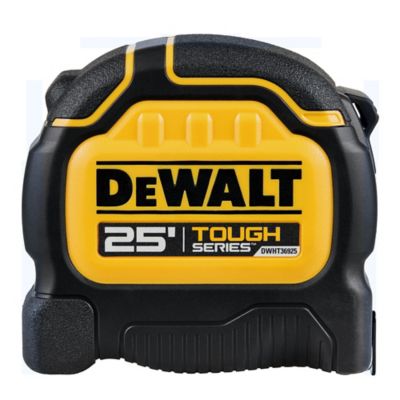
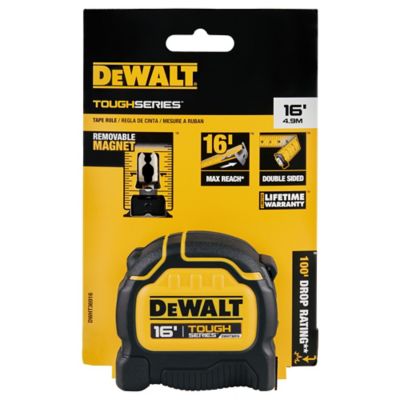
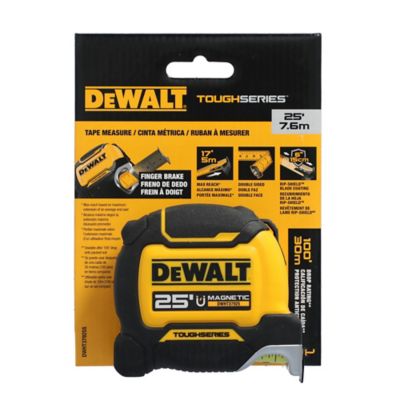
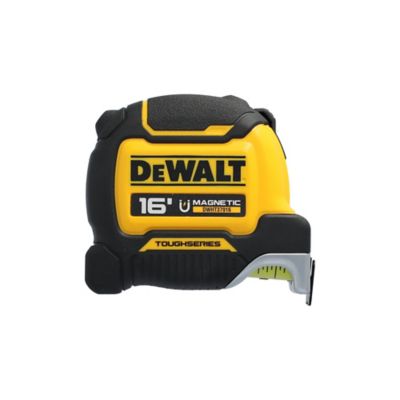
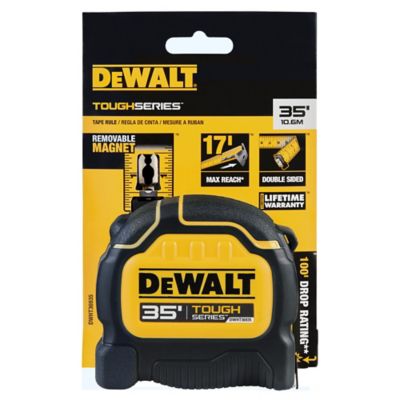
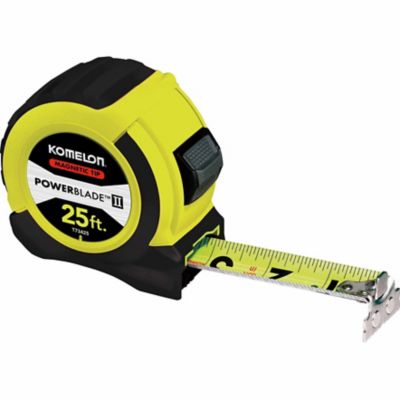
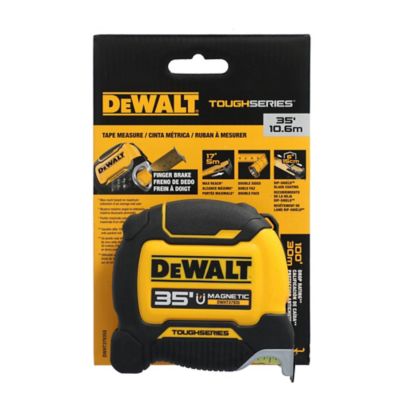
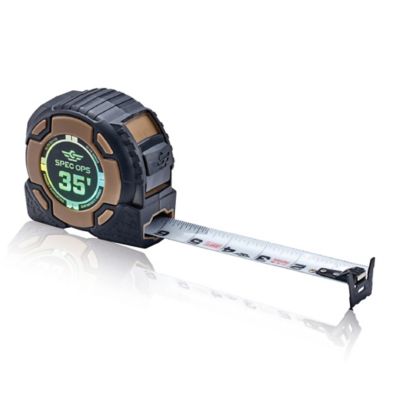
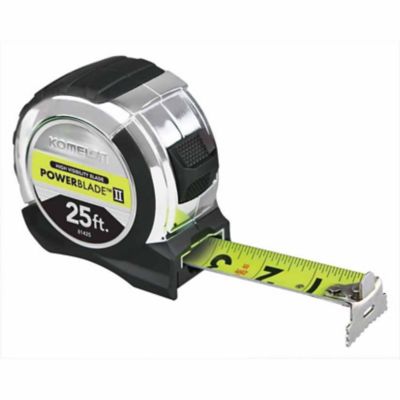
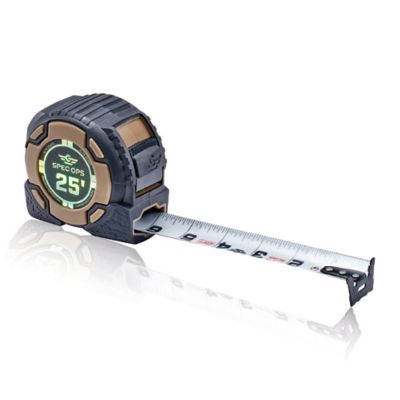
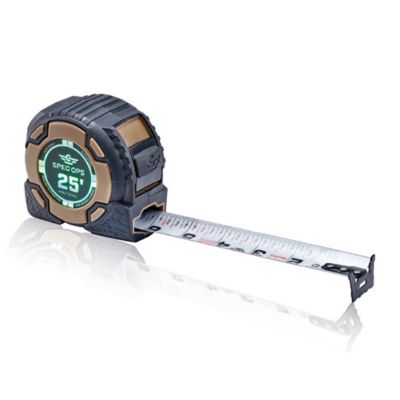
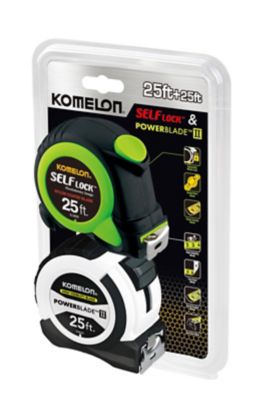
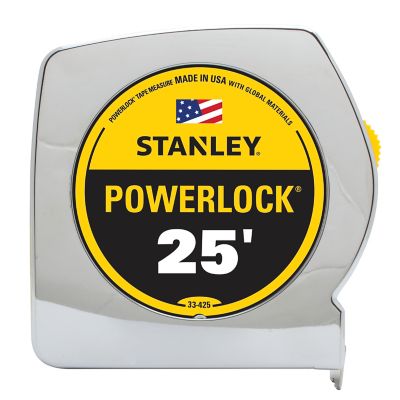
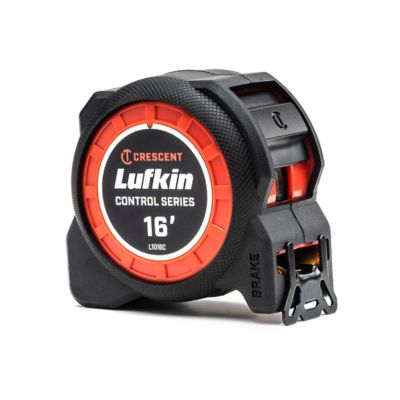
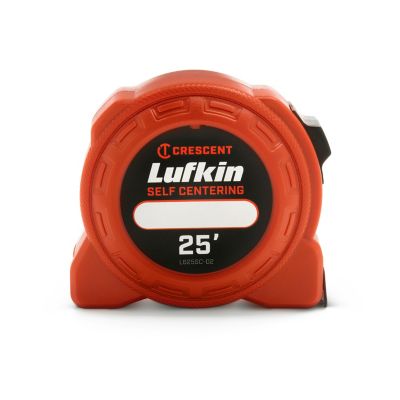
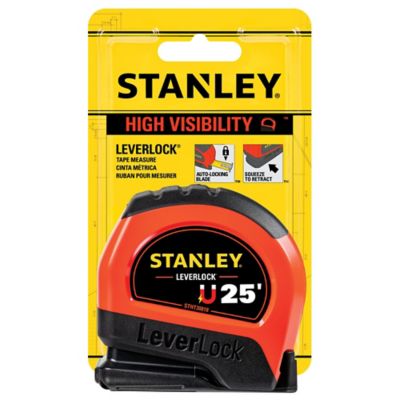
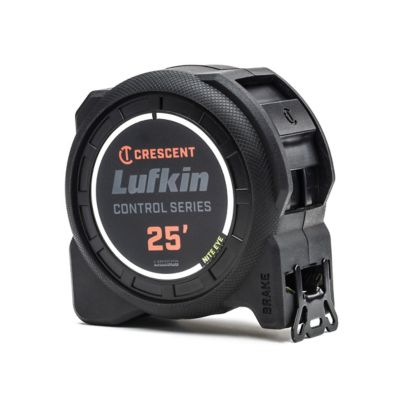
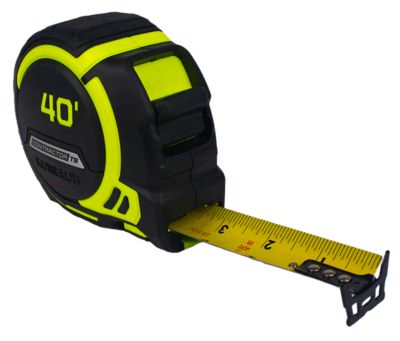
Double-sided tape measures have printed measurement scales on both faces of the blade, making it easier to read a measurement from different working positions without twisting the tape to find the numbers. That second reading surface comes in handy when measuring across a workbench, checking a cabinet opening, or stretching a blade along a board with the housing turned away from you. Instead of fighting the blade to bring one marked face into view, you have another side to work from. Double-sided describes the placement of the markings, not necessarily the measurement systems included. Depending on the design, a tape may show inches and feet, metric measurements, or different scale arrangements on its two faces. The layout matters as much as the numbers themselves: clear foot indicators, distinct fractional marks, and strong contrast help separate one measurement from the next when the blade runs across lumber, flooring, or sheet material. Some layouts make upright measurements easier to follow, while others favor reading along a horizontal surface. Checking how each face reads helps match the tool to the work, whether that means trimming a shelf, laying out a stall partition, or checking the width of an equipment storage space. Fractional graduations deserve a close look, too. Closely spaced marks provide detail for finish work, but they also need enough visual separation to keep a sixteenth from getting lost among neighboring lines. For shoppers who put easy-to-see numbers first,
Large Print Tape Measures offer another way to focus on readable markings. Double-sided printing and large numerals serve different purposes, so neither feature automatically means the other is included. The best fit comes from considering the whole scale: number size, line spacing, measurement units, and the direction the markings face during the jobs that fill your day.
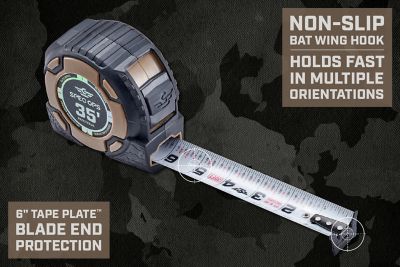
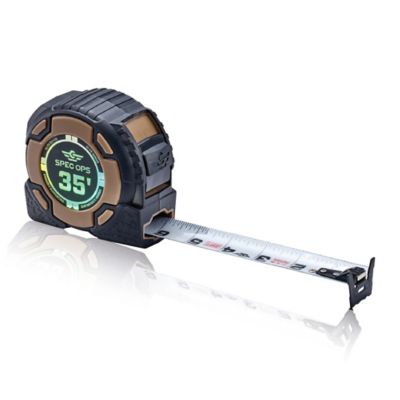
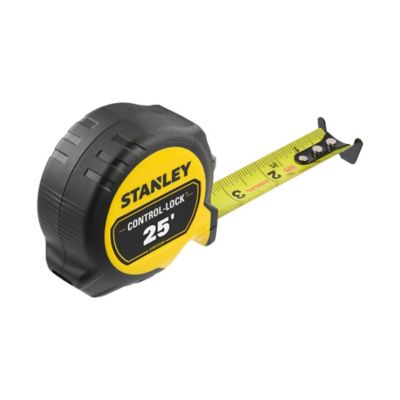
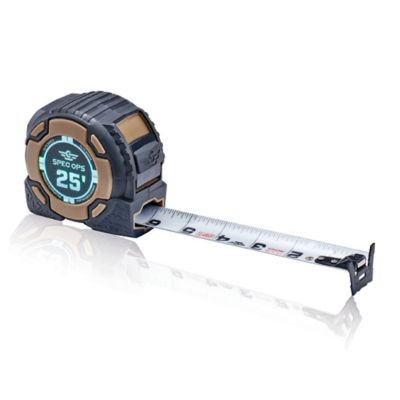
Blade material, length, and construction shape how a double-sided tape measure handles around the shop, barn, or jobsite. Retractable steel blades provide the stiffness needed to bridge a gap or extend along a board without support under every inch. A curved blade profile helps with that stiffness, while blade width influences both handling and the space the tape occupies against a narrow edge. A wider blade can make markings easier to see and help support longer extensions, though width alone does not determine how far a blade will reach before it bends. Advertised unsupported reach also depends on how the tape is held, so that specification is best considered alongside the way you normally measure. Overall blade length is a separate matter. A compact tape can suit bench work and smaller repairs, while longer measurements across rooms, gates, or larger assemblies call for enough length to cover the span without piecing together several readings. Flexible fiberglass tapes serve a different kind of work, following curves or longer ground-level distances rather than holding themselves straight across an open gap. On retractable designs, the housing should sit comfortably in the hand, with a lock that is easy to operate without shifting your grip. A belt clip keeps the tape close during repeated trips between the lumber stack and the saw, and an attachment point can help keep it from being left on a fence rail. Housing materials may include plastic, metal components, or grip surfaces that make the body easier to hold. Blade coatings help limit abrasion to the printed scales, especially where the tape slides over rough boards or across a work surface. The end hook matters as well: its shape affects how easily it catches a board edge, and a magnetic hook can be helpful against suitable steel surfaces when taking a measurement alone.
Day-to-day handling has a lot to do with how well a double-sided tape measure keeps doing its job. Both printed faces need protection from grit, sharp edges, and repeated scraping, so it pays to wipe the blade before feeding it back into the housing. Sawdust and metal shavings can travel inside with the tape, where they may interfere with smooth movement. A blade that gets damp should be wiped dry before storage, with care taken around the hook and exposed metal parts. Controlled retraction helps protect the blade, housing, and fingers; letting a long extension snap back at full speed puts unnecessary strain on the end hook. Kinks and creases are worth watching for because they can interrupt smooth travel and make the blade harder to hold flat against the work. On many retractable tapes, a small amount of end-hook movement is intentional, allowing the hook to account for its own thickness when switching between pulling from an outside edge and pressing against an inside surface. That movement is different from a bent hook or loose, damaged attachment. Keeping the hook clean and checking it after a hard drop helps prevent a small problem from carrying through a whole stack of cuts. For repeated layout work, consistent technique matters alongside readable markings: keep the blade straight, avoid measuring at a slant, and check the same reference edge each time. A double-sided scale is especially useful when a helper holds one end, when a measurement runs overhead, or when nearby framing limits where you can stand. Carpenters, maintenance crews, farm owners, and folks tackling household repairs can all benefit from that extra reading surface. It also makes practical sense as a gift for someone setting up a first toolbox or spending more time at the workbench, particularly when the blade length, scale layout, and housing size suit the work they enjoy.