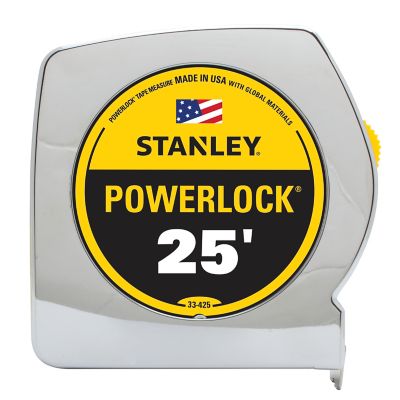
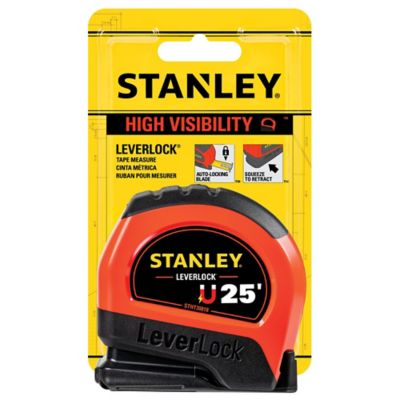
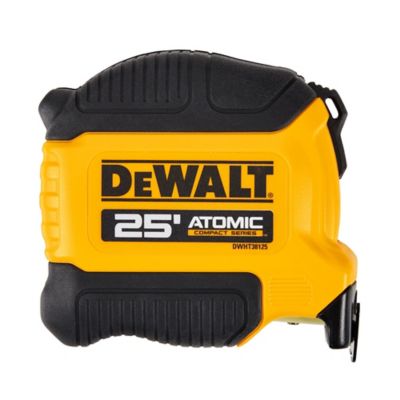
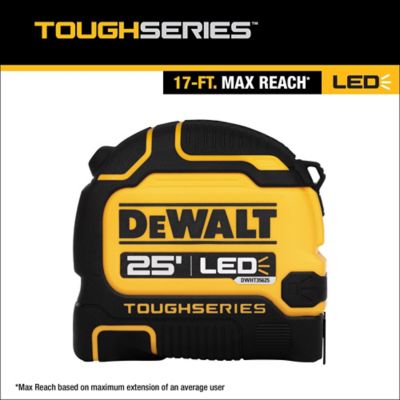
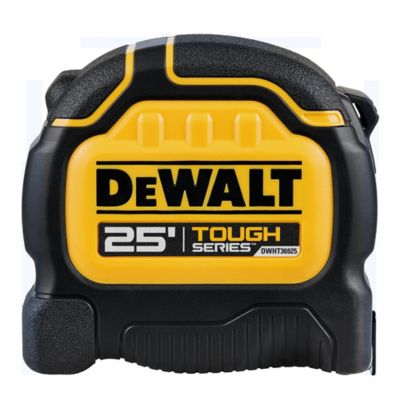
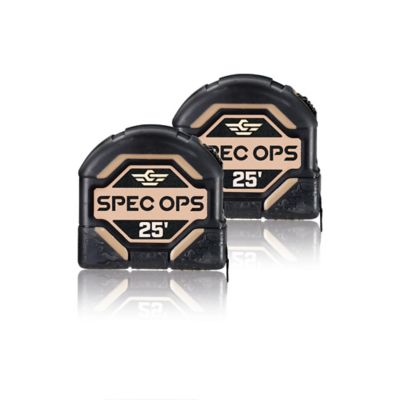
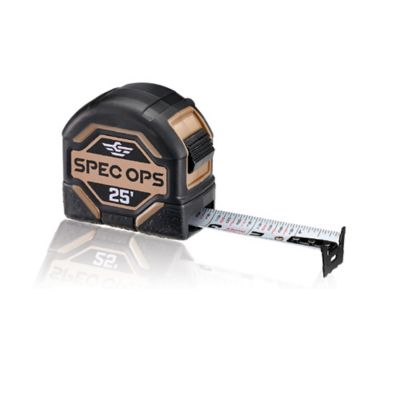
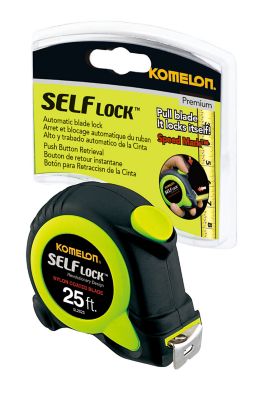
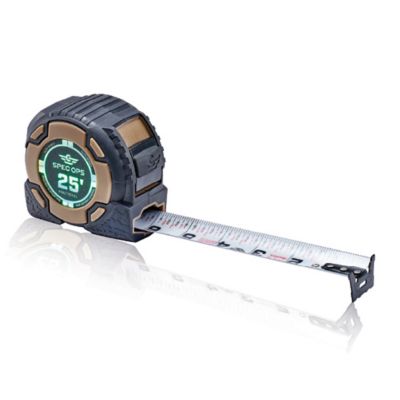
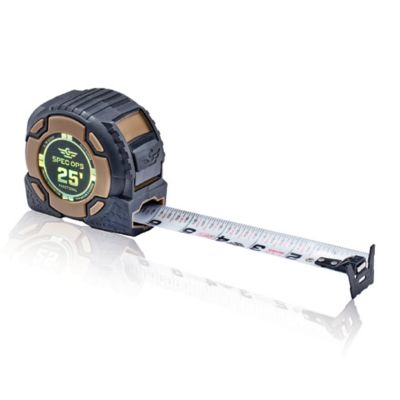
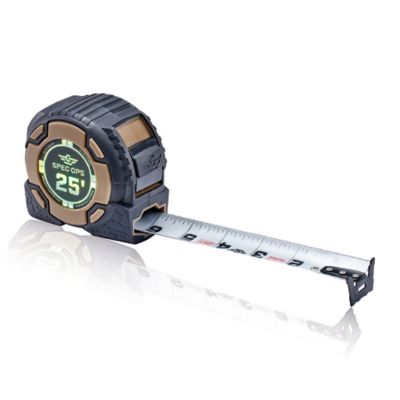
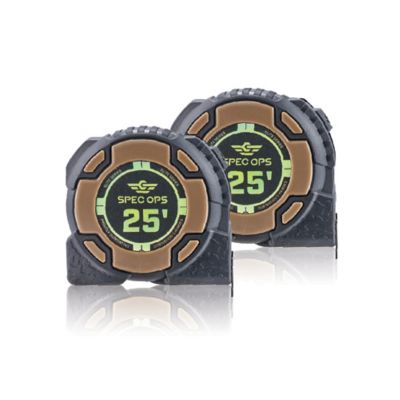
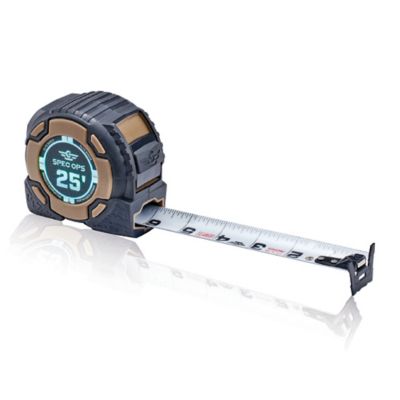
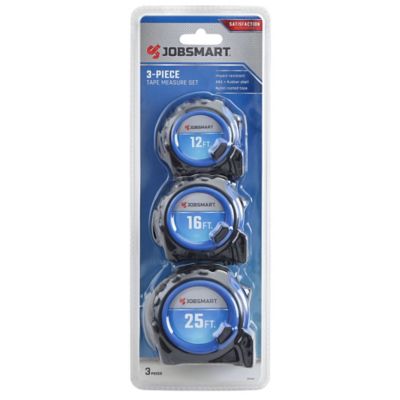
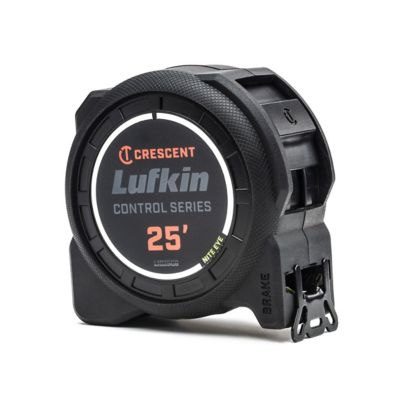
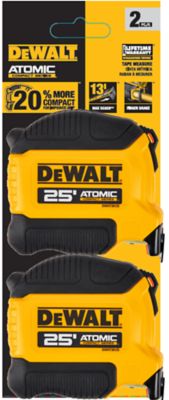
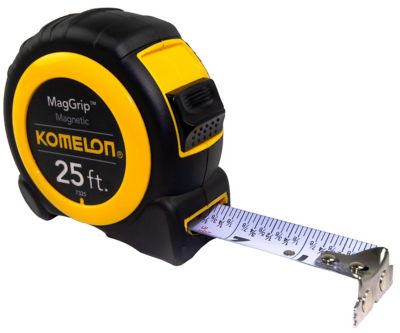
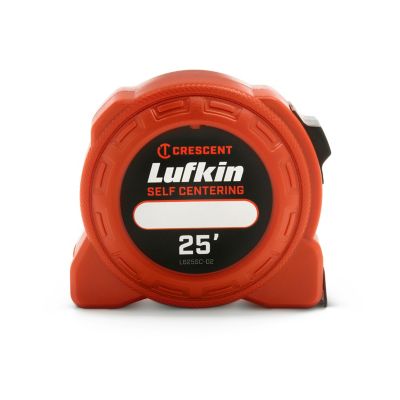
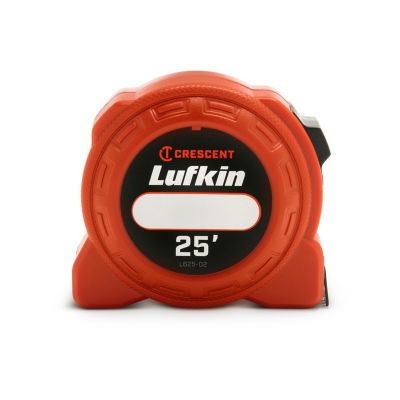
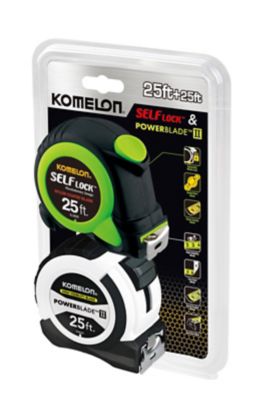
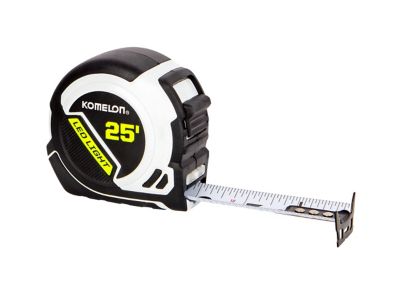
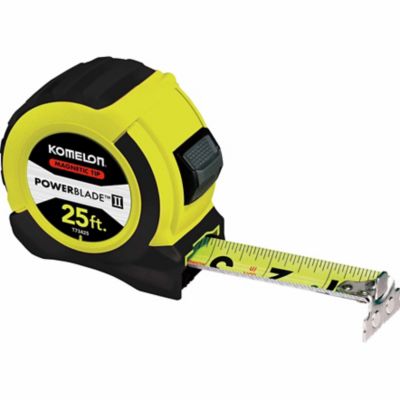
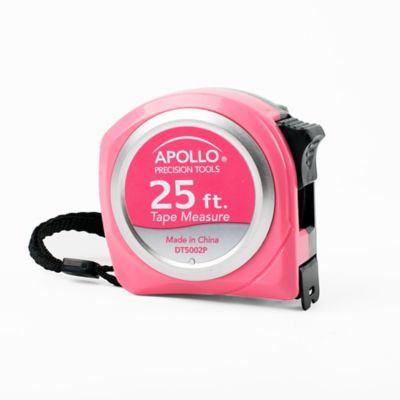
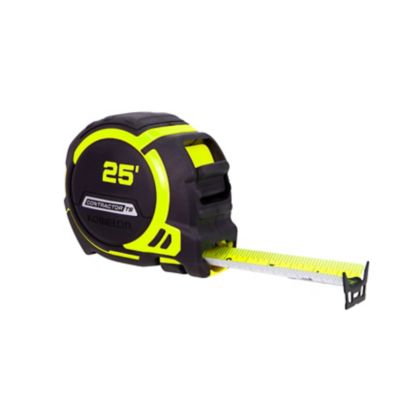
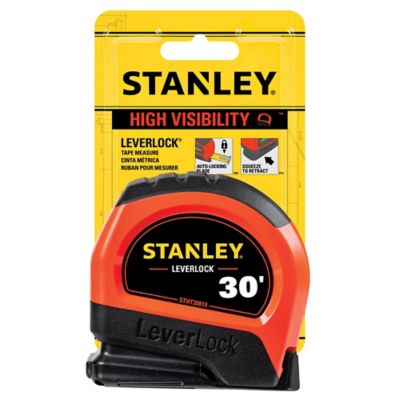
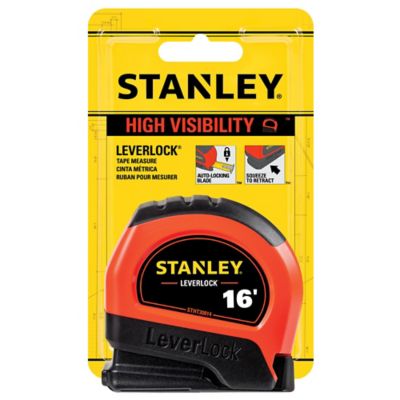
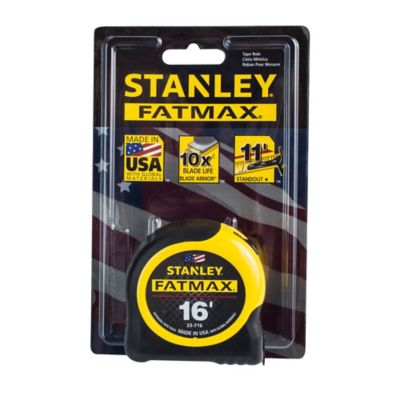
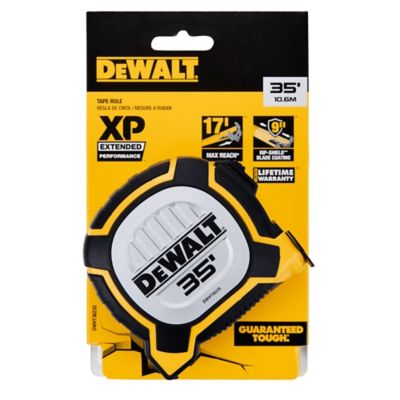
A 25-foot tape measure is a handy, all-around tool for the jobs that come up around a home, farm, workshop, garage, or jobsite. That length gives you enough reach for measuring lumber, wall spaces, countertops, doors, fencing runs, garden beds, equipment clearances, and many other everyday projects without carrying a bulky specialty tool. Homeowners often keep one in a kitchen junk drawer, truck toolbox, or workbench cabinet, while contractors, carpenters, electricians, plumbers, landscapers, and maintenance crews may carry one from job to job. A reliable tape measure also makes a practical gift for someone settling into a new home, building a workshop, learning woodworking, or taking on their first round of do-it-yourself repairs. During the warmer seasons, it can help lay out a shed, chicken coop, raised bed, porch project, or replacement gate. As the weather turns cooler and indoor work moves to the forefront, the same tool is useful for hanging cabinets, checking furniture dimensions, planning storage, installing trim, or measuring a room before buying flooring. A 25-foot blade is long enough for most residential and light construction measurements while staying compact enough to fit in a pocket, tool belt, apron, or glovebox. For quick reference, many tape measures are marked in inches and feet with smaller graduations for fractions of an inch. Clear, high-contrast markings can make a real difference when you are reading a measurement in a dim barn, a dusty workshop, or bright sunlight. People who have trouble distinguishing small print may appreciate browsing
Easy To Read Tape Measures for markings that are easier to see at a glance.
When comparing 25-foot tape measures, start with the blade and how you expect to use it. A wider blade may remain upright farther when extended across a wall, ceiling, or sheet of material, which is known as standout. Standout distance varies by design, but a sturdy jobsite tape may reach roughly 11 to 17 feet before the blade folds or drops. That extra reach is useful when you are working alone and need to mark a measurement without holding the far end against a second tool or asking someone to help. A narrower blade can be lighter and easier to handle for small household tasks, sewing-room projects, craft work, or occasional repairs. Look closely at the graduations, too. Some blades show clearly spaced marks for whole inches, half inches, quarter inches, eighths, and sixteenths, helping you read a dimension without doing mental math. Double-sided markings can be helpful when the tape is held upside down, over a beam, or from either side of a piece of lumber. A strong hook at the end should catch securely on an edge, nail, stud, or board, while a sliding hook is designed to account for the difference between measuring against an outside edge and measuring inside a space. Magnetic hooks can hold to steel studs, ductwork, shelving, and other metal surfaces, although they are not necessary for every project. A dependable locking mechanism keeps the blade extended while you transfer a mark, compare two dimensions, or make a cut. Push-down locks are familiar and straightforward, while auto-lock designs hold the blade out until you release it. Consider the case as carefully as the blade: rubber overmolding or a textured grip can make the tool easier to hold with dusty or gloved hands, and a reinforced case may better withstand drops from a ladder, truck bed, or workbench. A belt clip, lanyard loop, or compact shape can also make a difference for anyone who carries tools throughout the day.
The blade coating is another important detail, especially for people who work outdoors or in rough conditions. Nylon and similar protective coatings help reduce scuffs, abrasion, and everyday wear from sliding over lumber, concrete, metal, and rough framing materials. They can also help the blade stand up to occasional contact with moisture, though any tape measure will last longer when it is wiped dry and stored away from rain, mud, fertilizer, and chemical products. After measuring in a damp pasture, garden area, crawl space, or unheated shed, let the blade dry before retracting it completely. Avoid snapping the blade back at full speed, since controlled retraction helps protect the hook, lock, and internal spring. For accurate work, keep the hook straight, make sure the blade is fully extended across the surface, and read the markings straight on rather than from an angle. It is also smart to check the blade for bends, cracks, worn numbers, or a loose end hook before relying on a measurement for cutting lumber or setting posts. A 25-foot tape measure can serve a wide range of skill levels, from a first-time homeowner measuring for curtains to an experienced builder laying out a wall, roof section, livestock shelter, or fence line. Someone who enjoys hands-on projects may appreciate a rugged tape with a strong case and long standout, while an occasional user may prefer a lightweight model with simple, easy-to-read markings. Keep one near the household tools, another in a vehicle or tractor cab, or one in each work area where measurements come up often. With a comfortable grip, visible graduations, a secure hook, and a lock that holds steady, a 25-foot tape measure becomes the quiet workhorse you reach for before nearly every repair, improvement, or building project.