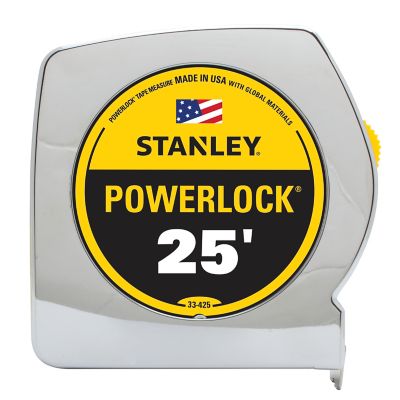
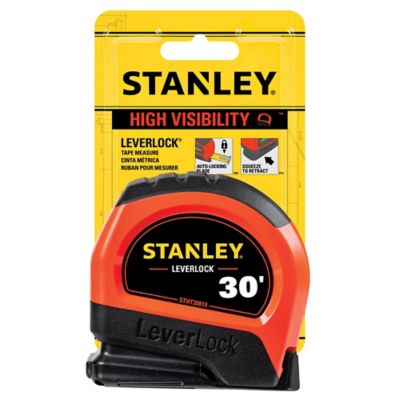
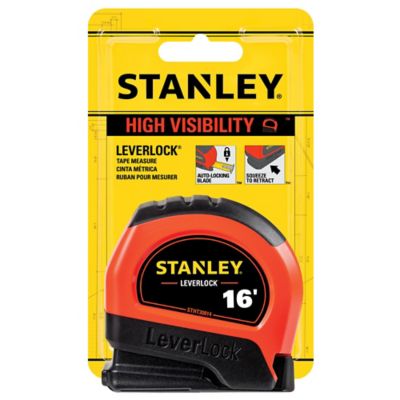
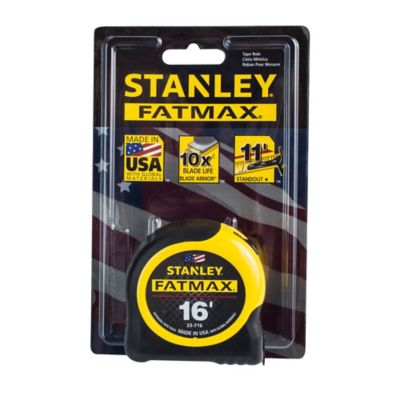
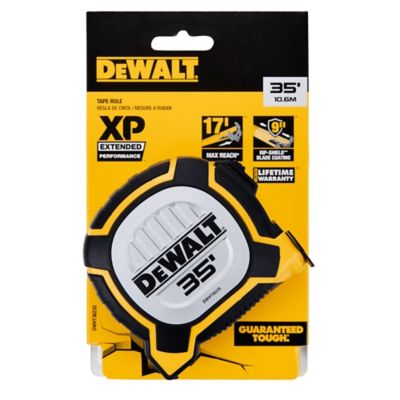
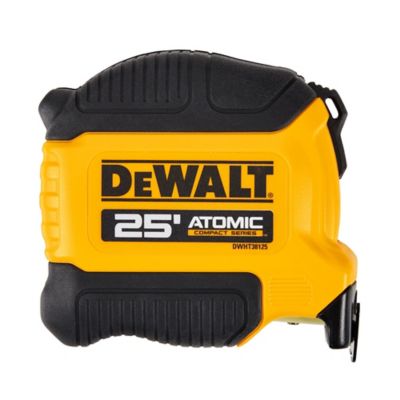
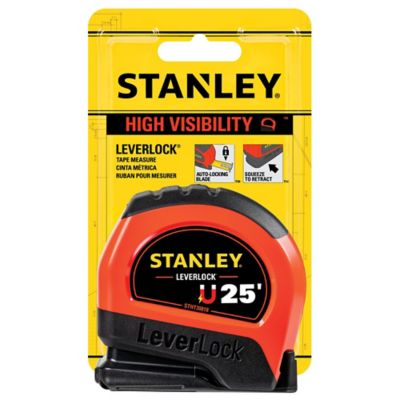
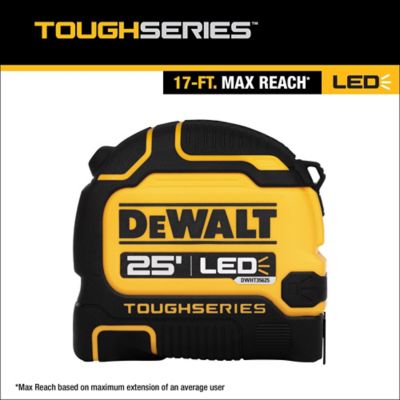
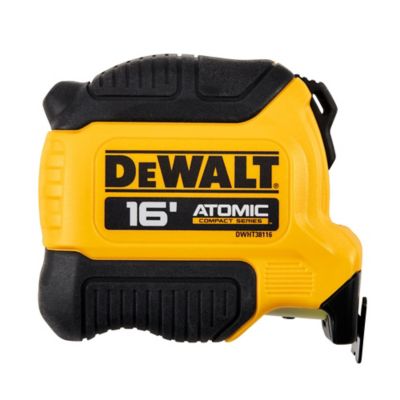
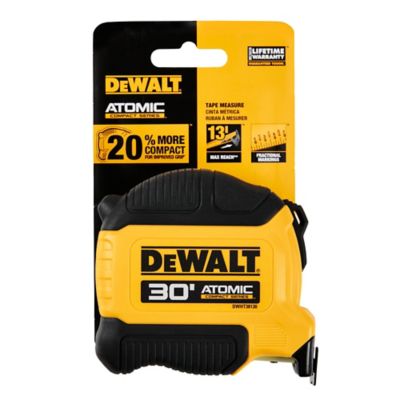
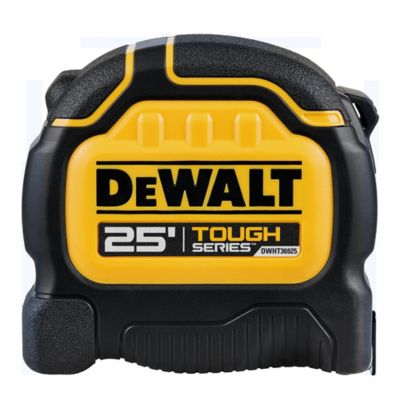
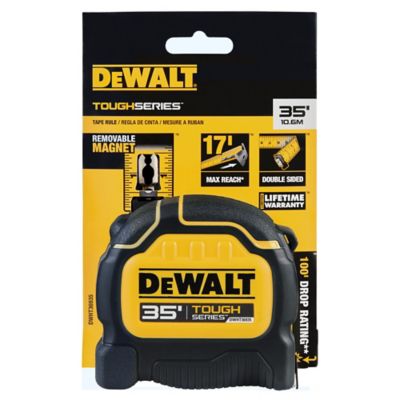
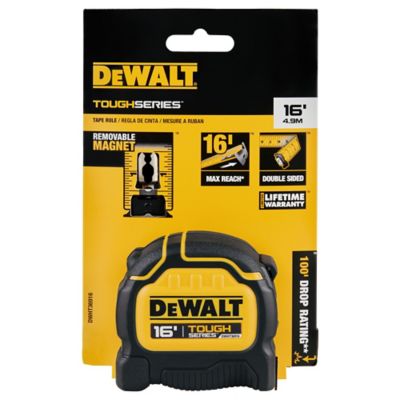
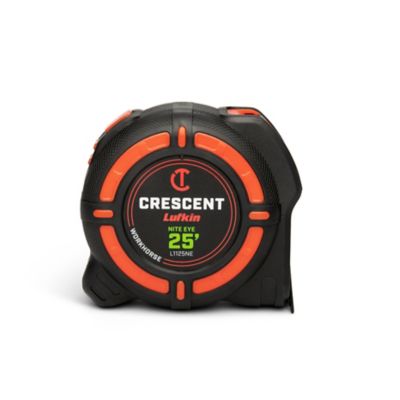
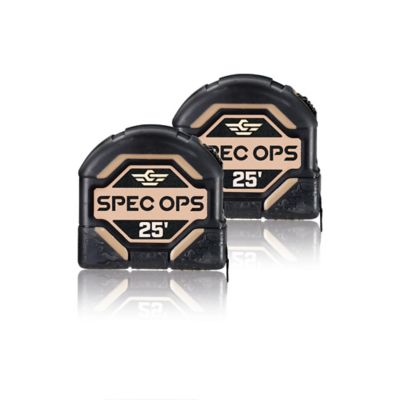
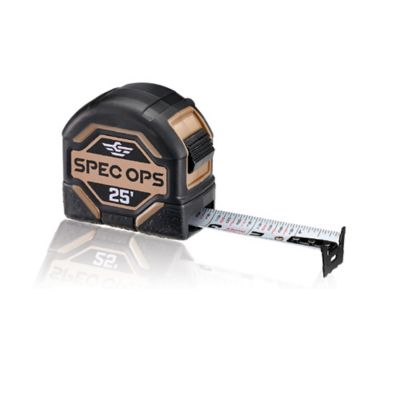
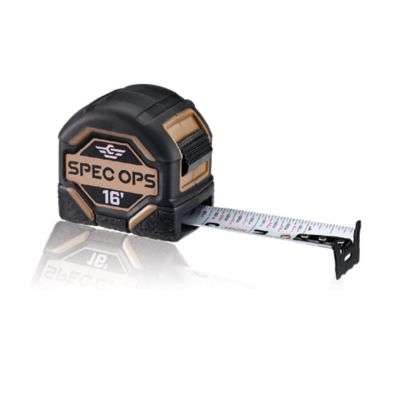
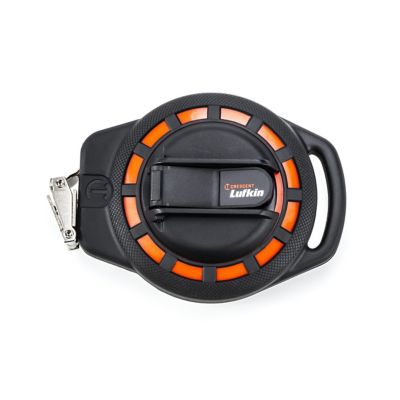
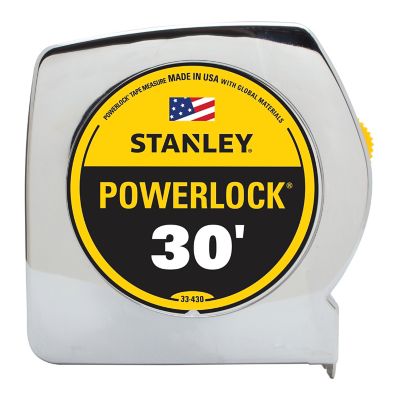
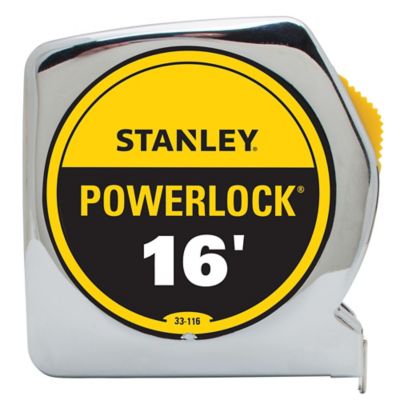
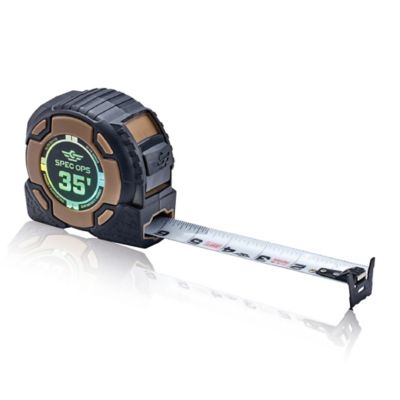
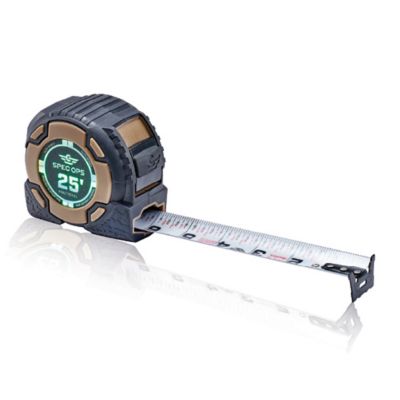
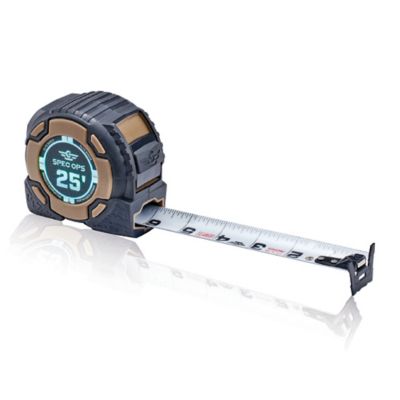
Retractable tape measures keep a flexible measuring blade tucked inside a compact case, ready for checking a board length, a doorway opening, or the space beside a workbench. Pulling the blade out loads an internal spring, which draws it back into the housing when the locking mechanism releases. That simple setup makes a retractable measuring tape a handy companion for carpentry, repairs, equipment maintenance, and everyday jobs around the house, barn, and shop. Steel-blade versions have a slight curve across the blade that helps support it when extended, making them suited to measuring straight spans without laying the entire tape on a surface. Common lengths include 12, 16, and 25 feet, with shorter tapes keeping pocket weight down and longer tapes providing more room for measuring lumber, rooms, and larger assemblies. Length alone does not tell the whole story, though. Blade width, case size, marking layout, and the way the lock operates all affect how a tape feels through a full day of work. A compact model can be a comfortable fit for someone checking cabinet openings or carrying a tape between small repair jobs. A wider blade can help when stretching across a sheet of plywood or reaching toward the far end of a bench. Retractable soft tapes serve a different purpose: their flexible fiberglass or fabric-based measuring strips follow curves rather than supporting themselves across a gap. Often measuring about 60 inches, these tapes suit sewing, clothing alterations, and body measurements. They are not a substitute for a steel blade when measuring unsupported distances. For most building and repair work, a steel retractable tape measure brings together useful reach, a readable scale, and a case that slips into a tool pouch. Matching that basic design to the job helps keep measuring straightforward, whether the task is fitting a shelf in the tack room or checking clearance for a piece of equipment.
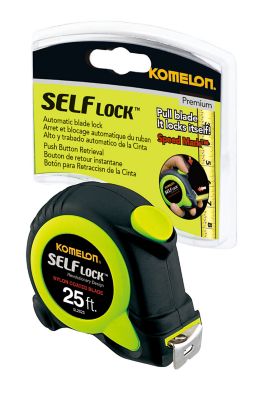
The features that matter most often show themselves in ordinary working positions: one hand holding a board steady, the other extending a tape, with a pencil waiting behind an ear. A thumb-operated blade lock holds the tape at the chosen extension, while an automatic-lock design holds the blade as it comes out and releases it with a control. Some designs also provide a finger brake or another way to slow the return without fully locking the blade. Control placement matters because a button that feels convenient on a counter may be harder to reach with gloves on or with the case braced against a wall. The end hook deserves a close look, too. On many steel tapes, a small amount of hook movement is intentional, allowing the hook to compensate for its own thickness when catching an outside edge or pressing against an inside surface. A bent hook or damaged attachment can throw off a measurement even when the printed scale remains clear. Magnetic hooks can help hold the tape against suitable steel surfaces, such as a metal workbench or some equipment frames, but they will not attach to every metal. Larger hooks can make it easier to catch an edge from different angles, although they may also take up more space at the front of the case. Blade standout describes how far a blade can extend unsupported before it bends or collapses; it is different from the tape’s total measuring length. Stronger standout can help with solo measuring, but supporting the blade still matters for longer spans. Scale choices deserve equal attention. Feet and inches are familiar for many building jobs, while dual-scale blades also include metric markings for projects involving millimeters or centimeters. Clearly printed fractions, contrasting numbers, and markings on both sides can reduce squinting and repositioning. For shoppers who put visibility first,
easy-to-read tape measures offer a related option to consider alongside blade length and handling. A clear scale is especially helpful when several cuts must match or a measurement has to be called across the shop.
Case materials and everyday care help determine how well a retractable tape measure handles regular work. Molded plastic housings keep weight manageable, metal housings offer another construction option, and rubberized outer sections can improve grip and cushion some knocks. No housing makes the blade, hook, or spring mechanism immune to damage, so the details around those parts matter as much as the outer shell. A belt clip keeps the tape close during repeated trips between a lumber stack and a saw stand, while a wrist strap or tether attachment may provide another carrying option on designs equipped for it. The best fit is one that sits comfortably in the hand without making the lock awkward to operate or crowding the tool pouch. Blade coatings help protect printed markings from friction, but dragging a tape across rough concrete, sharp metal, or gritty surfaces can still wear the scale. Sawdust and debris around the blade opening can interfere with smooth movement, making a wipe-down before storage worthwhile. A blade that gets wet should be wiped dry before it spends time wound inside the case. Gentle, controlled retraction also helps protect the end hook and internal mechanism; letting a long blade snap back at full speed can bend parts and bring a sharp edge across fingers. For measurements inside an opening, some cases have their length marked on the housing so that dimension can be added to the exposed blade reading. That method depends on the case design and its stated dimension, not a guess at the shell’s size. These practical differences make retractable tape measures useful gifts for woodworkers, farm owners, mechanics, home repair enthusiasts, and anyone putting together a first toolbox. A pocket-size tape suits quick checks on the go, while a longer steel-blade tape earns its place beside the square and pencil for layout work. From checking whether a storage cabinet will clear a doorway to marking repeated lengths for a set of shelves, the right combination of reach, readability, and control makes this everyday tool easier to keep close and put to work.