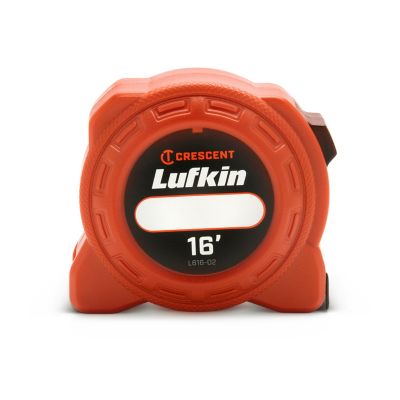
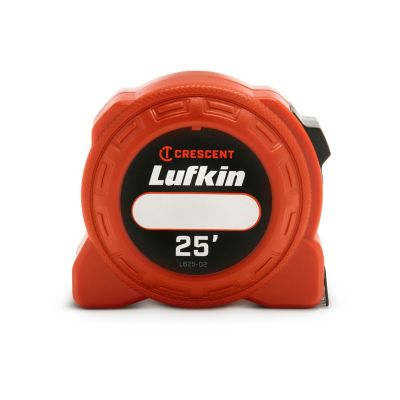
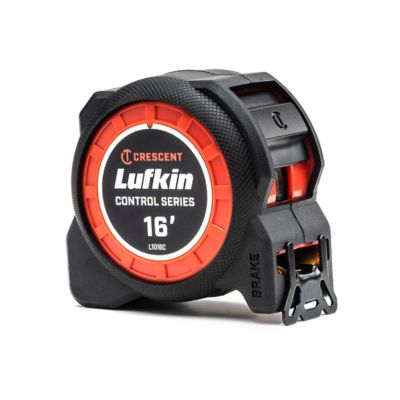
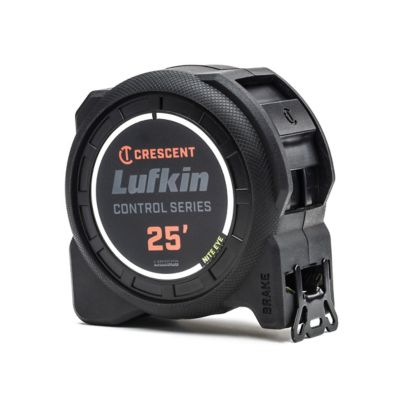
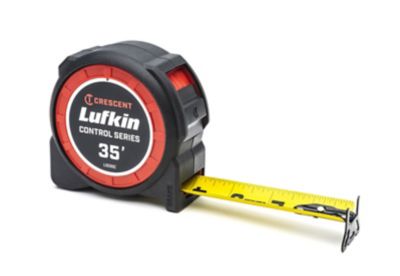
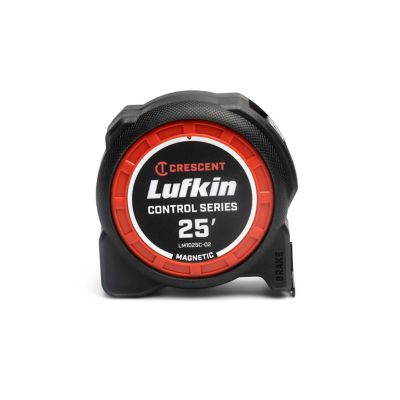
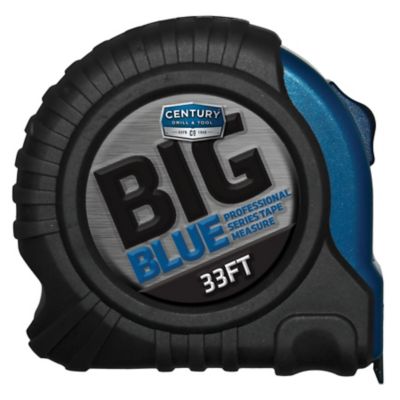
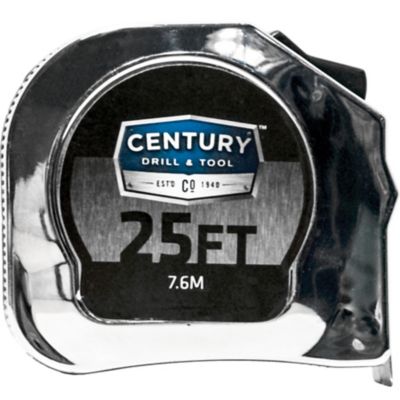
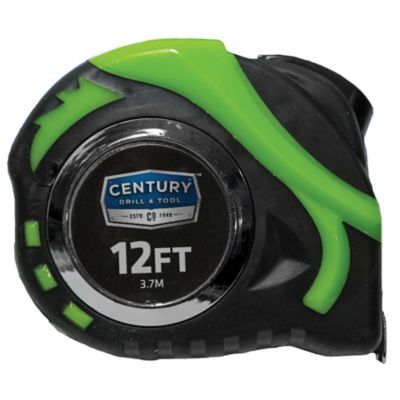
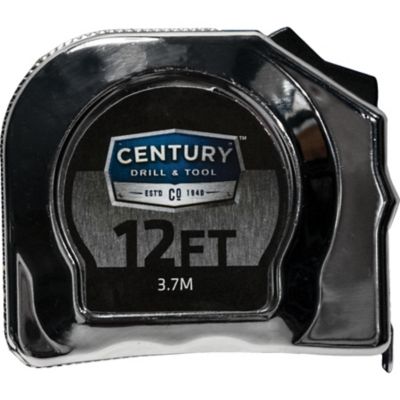
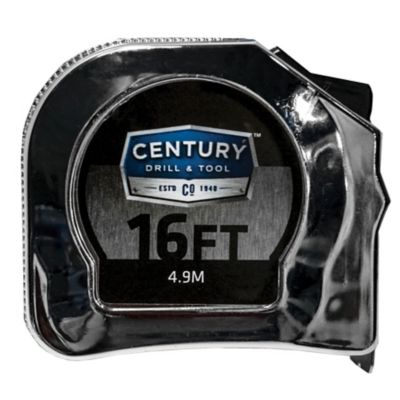
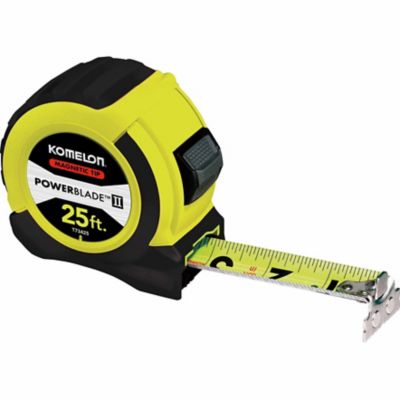
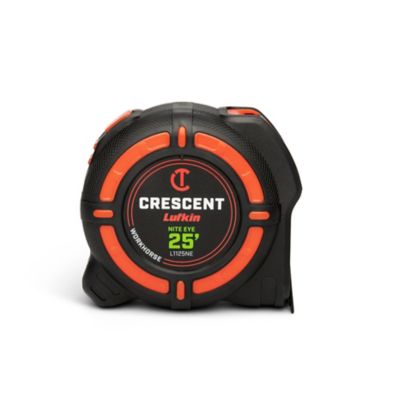
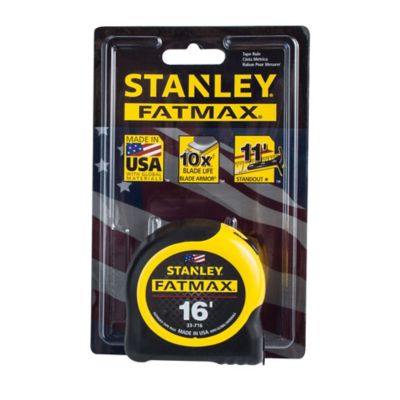
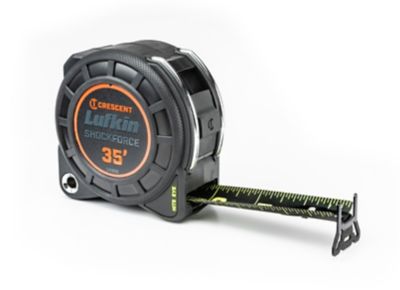
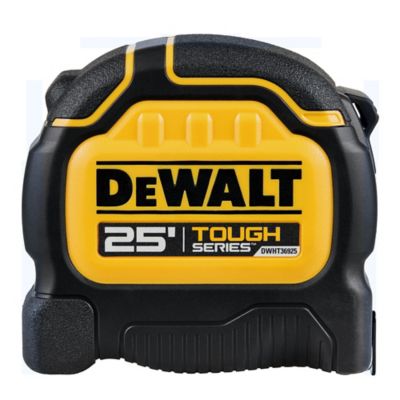
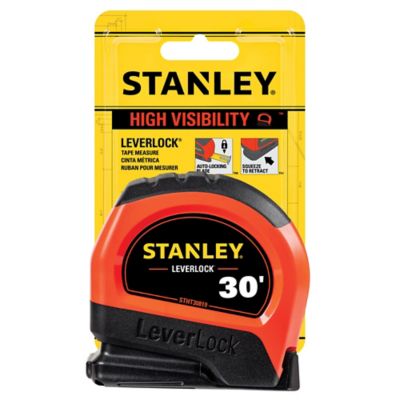
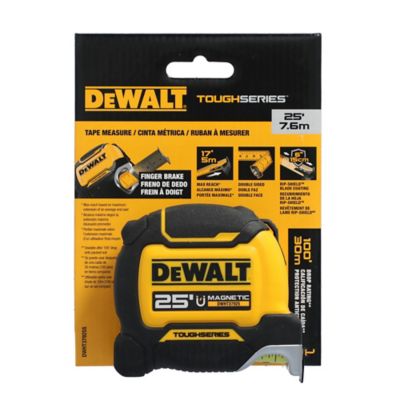
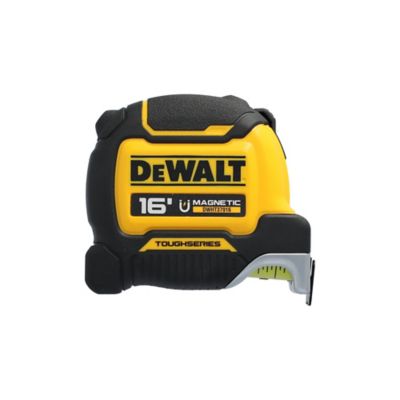
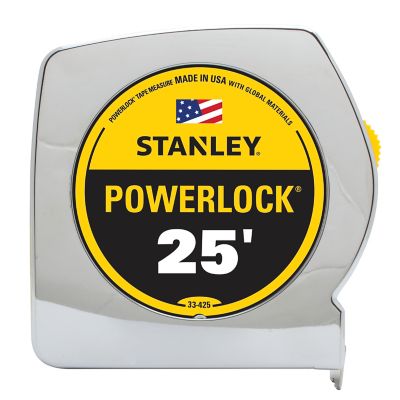
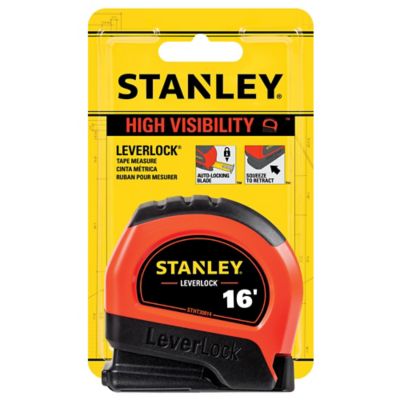
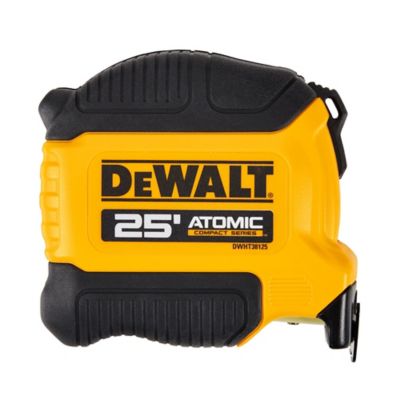
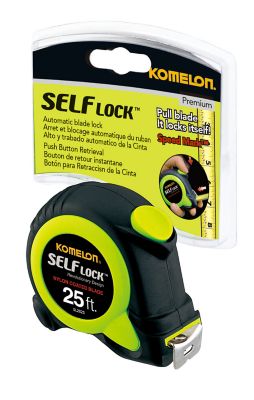
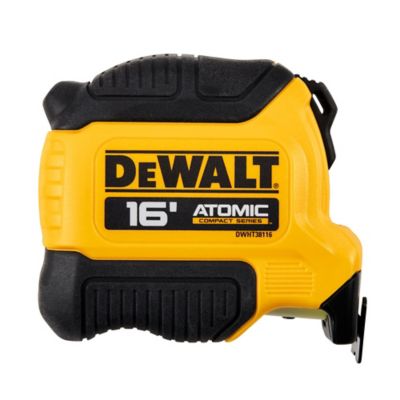
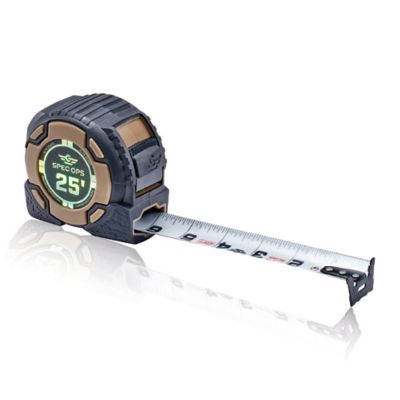
Large print tape measures feature bigger numerals and easy-to-see measurement markings, making dimensions easier to read when sizing lumber, checking a gate opening, or laying out shelves in the shop. The main benefit is a clearer view of the measurement without having to bring the blade as close to the face. That can come in handy for carpenters, homeowners, farm crews, and anyone who finds small numbers hard to pick out against a busy work surface. Print size is only part of readability, though. Dark markings against a light blade, clear spacing between numbers, and distinct lines for inches and fractions all help a measurement stand out. Some layouts emphasize whole inches, while others add labeled fractions that make it easier to tell an eighth from a quarter at a glance. Large numerals do not necessarily mean every fraction is labeled, so the overall marking pattern matters as much as the size of the numbers. Foot markings can help with longer dimensions, while inch markings keep smaller cuts straightforward. Depending on the design, a blade may show inch measurements, metric measurements, or both. For someone building fence panels or fitting a storage rack into a barn aisle, a familiar scale keeps the work moving without extra conversions. Markings on both sides of the blade can also be handy when the tape changes position around a board or opening, although that feature varies by design. A readable tape fits plenty of everyday jobs, from measuring a feed bin lid to checking whether a workbench will fit along a garage wall. Bigger print can make those jobs less fussy, but it does not change the need for a straight blade, a sound reference point, and careful placement. The best match is a measuring tool whose numbers, graduations, and reach suit the work happening most often, whether that means small repairs at the bench or longer measurements across a building.
The housing, blade, and return mechanism shape how a large print tape measure feels through a full day of work. Many large-print designs belong to the broader family of
Retractable Tape Measures, with a blade that pulls out for measuring and winds back into a compact case. Steel blades commonly have a curved profile that helps them extend across open space before bending under their own weight. That unsupported reach, often called standout, matters when one person is measuring a sheet of plywood or reaching across a wide workbench. Blade width can affect support and leave more room for readable markings, though width alone does not determine how far a tape will extend. A longer blade provides room for bigger jobs, while a shorter tape can feel less cumbersome in a pocket or tool pouch. Case materials vary, with molded plastic, metal components, and rubberized coverings contributing different combinations of weight, grip, and protection from everyday knocks. A shaped grip can make the case easier to hold, but the lock and release still need to feel manageable in the hand. Work gloves make small controls harder to operate, so a broad lock button may be a useful feature around the barn or shop. Belt clips and wrist straps offer different ways to keep the tape close without setting it on a crowded bench. At the blade’s end, hook shape affects how easily it catches the edge of lumber or another surface. Some hooks include a magnet for holding against suitable steel surfaces, which can help with certain metalworking and equipment-related measurements. Those features serve different jobs rather than making one design the answer for everything. A compact case might suit a homeowner hanging shelves, while a wider blade and more reach may better fit someone working with building materials. Readable numbers matter most when the rest of the tool is comfortable enough to handle and carry from task to task.
Everyday wear deserves attention, especially when a tape travels between a toolbox, truck cab, and shop floor. Blade coatings help protect markings from friction, but repeated scraping against rough lumber, masonry, or sharp metal edges can wear the printed surface over time. Dirt caught near the case opening can also rub against the blade as it retracts. A wipe with a soft cloth before storage helps keep grit from riding back into the housing, and a dry blade is less likely to carry moisture into the mechanism. Harsh cleaners and abrasive pads can damage markings or finishes, so care that follows the tool’s manufacturer instructions helps preserve readability. The return spring needs sensible handling, too. Letting a long blade snap back at full speed can strike fingers, batter the end hook, or put extra strain on the tool. Controlled retraction keeps the moving edge manageable and helps prevent a hard stop at the case. A hook that shifts slightly is not always loose from wear; many tape measures allow a small amount of movement to account for the hook’s thickness during inside and outside measurements. Bent hooks, creased blades, and faded markings are different concerns because they can interfere with reading or positioning the tape. These small details matter when a board needs to fit between two posts or a replacement panel must sit square in an opening. Large print is helpful, but it works alongside sound measuring habits rather than replacing them. For gift giving, a clearly marked tape measure makes practical sense for a person setting up a first workshop, maintaining property, or taking on regular home repairs. Familiar measurement units, a comfortable case, and numbers that are easy for the recipient to read give the gift everyday usefulness. Whether it rides in a carpenter’s pouch or stays in a kitchen drawer for household jobs, a large print tape measure brings clear markings to work that depends on getting the dimensions right.