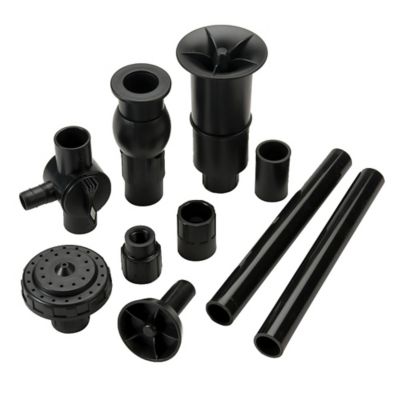
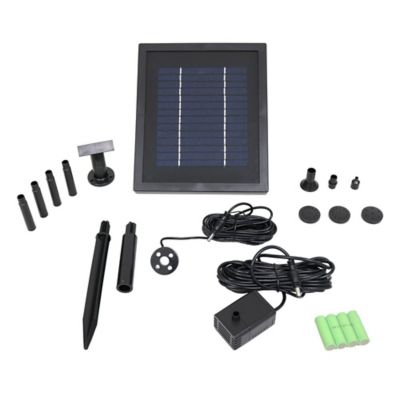
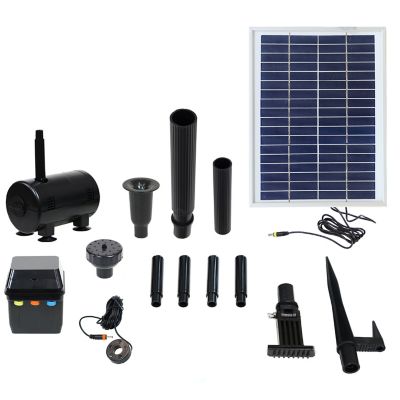
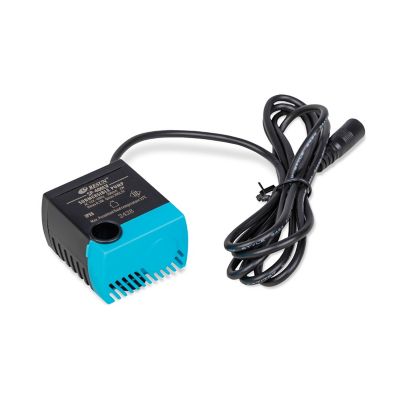
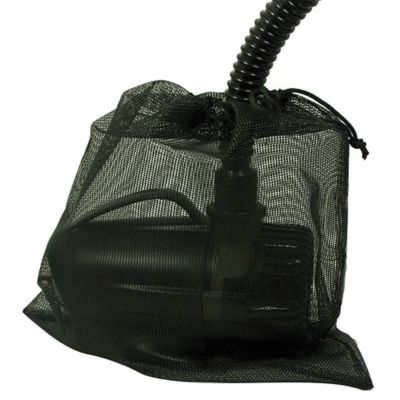
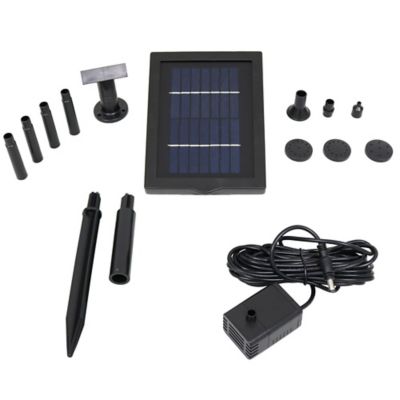
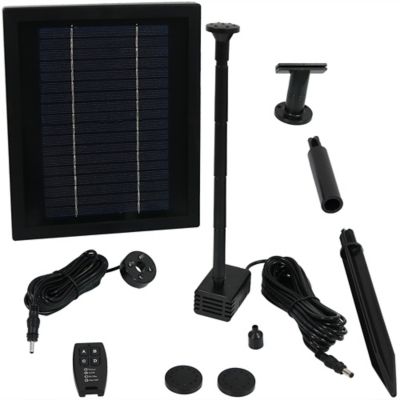
Fountain accessories help keep water moving, connections secure, and a water feature looking at home in its surroundings. They support everyday operation, routine cleaning, repairs, and changes to the way water flows or catches the light. Whether a fountain sits beside a farmhouse porch, along a garden path, or near a quiet corner of the patio, the right accessories should match both the fountain’s construction and the job at hand. Start with the owner’s manual, model information, and measurements rather than appearance alone. A part that looks about right may have a different connection size, power requirement, or operating range. For circulation, two important measurements are flow rate, commonly listed in gallons per hour, and head height, which describes how far water must rise. Published maximum flow generally reflects little or no lift; actual flow drops as lift and resistance increase. That matters when water has to travel from a hidden reservoir to the top of a taller feature. Too little flow can leave an uneven trickle, while too much can send water over the rim and onto the walkway. Adjustable flow gives you some room to find the sound and movement you prefer, but it does not replace proper sizing. Check the manufacturer’s performance chart against the fountain’s required operating conditions. Connection diameter, available reservoir space, and access for maintenance deserve a look, too. For someone planning a new setup, the
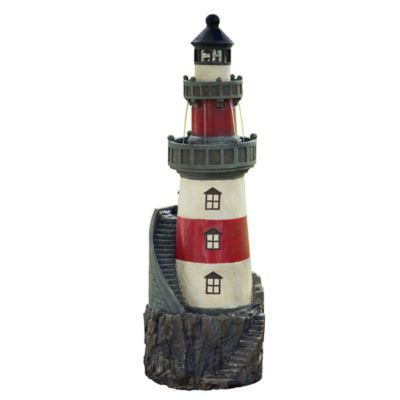
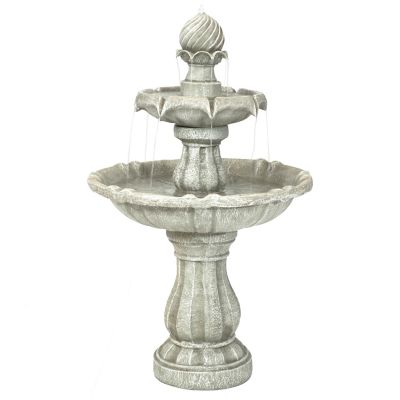
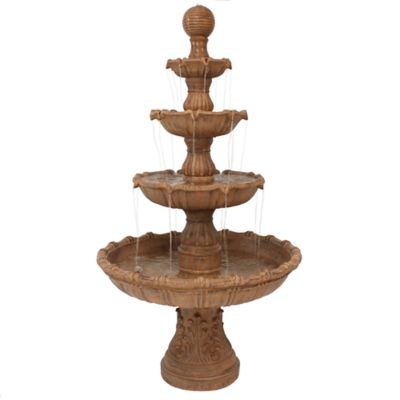
Water Fountain Outdoor selection provides a starting point for choosing the fountain before matching its accessories. For an existing setup, keeping a photo of the identification label and a few measurements handy can save a second trip. The goal is straightforward: steady circulation, water staying where it belongs, and a fountain you can enjoy from the porch without adding unnecessary work to the day.
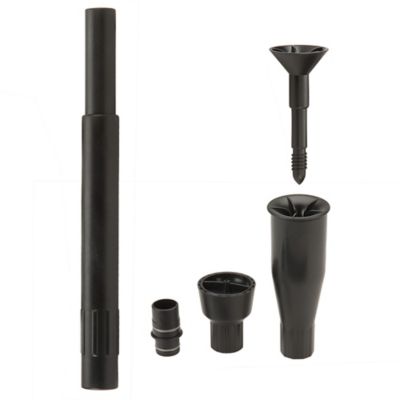
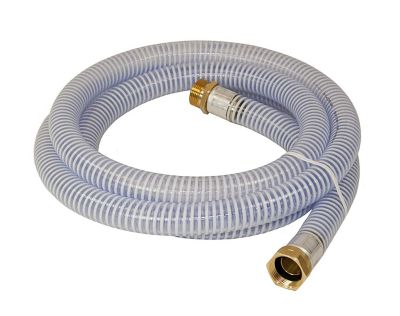
How a fountain fits into everyday life matters just as much as its measurements. A soft ripple near a seating area has a different feel from a taller spray out in an open yard, and accessories that change water patterns can affect sound, splash, and water loss. On a breezy property, a high, fine spray may carry beyond the basin even when everything is working as intended. A lower pattern can make more sense near porch furniture, gravel paths, or places where folks walk regularly. Look for compatible attachments and enough clearance for the intended spray, and remember that changing the outlet can also change resistance and flow. Water connections need similar attention. Check inside and outside diameters, attachment methods, and material compatibility instead of assuming all fittings will work together. A smooth route with fewer tight bends helps water move freely, while accessible connections make future cleaning less of a chore. For evening enjoyment, fountain lighting should suit its location and intended exposure. Equipment rated for outdoor weather is not necessarily rated for submersion, so confirm that distinction before placing anything below the waterline. Follow electrical instructions, use GFCI-protected power where required, and keep cords out of walking routes and away from mower traffic. As daylight gets shorter, a gently lit fountain can remain part of the view from the kitchen window after outdoor chores are done. Think about nearby windows, seating, and neighbors when choosing brightness and placement; more light is not always a better fit. These considerations make fountain accessories useful for gardeners, homeowners tending a small backyard, and folks caring for a larger country property. They can also make a thoughtful gift for someone who enjoys their outdoor space, provided the fountain’s specifications are known. Matching an established setup is far more helpful than guessing at compatibility, especially when electrical ratings or connection sizes are involved. A little checking beforehand helps keep a thoughtful gift from turning into another errand.
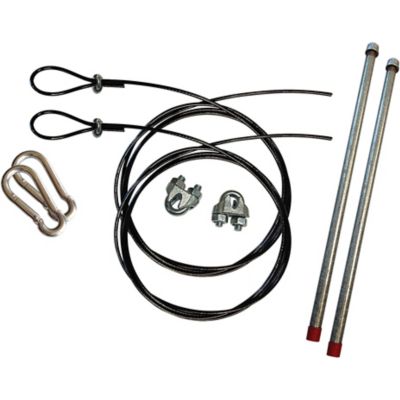
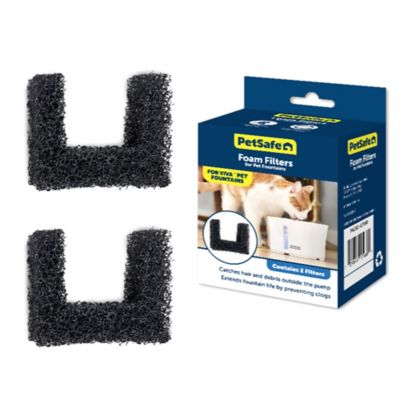
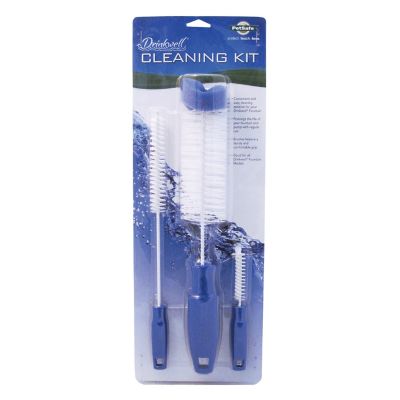
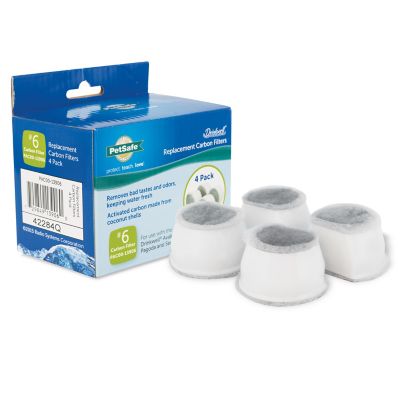
Maintenance and weather protection are another big part of choosing fountain accessories, particularly during the cooler months. A fountain beneath a tree may collect leaves and small twigs, while one near a gravel drive may gather windblown dust. Mineral content in the water can leave a pale ring around the basin or deposits along wet surfaces. The best cleaning approach depends on the fountain’s material, finish, and operating equipment, so check care directions before choosing a cleaning formula or maintenance accessory. Products intended for one surface may not suit another, and a treatment meant for an ornamental fountain should never be assumed safe for drinking water, fish, pets, or visiting wildlife. Follow the label’s application rate and restrictions, including any directions to drain or rinse afterward. If animals have access to the basin, account for that before adding anything to the water. Routine attention often starts with simple observations: a weaker stream, a new vibration, or water falling below its usual level. Those signs do not always mean a component needs replacing. A blocked intake, buildup, an obstructed line, or insufficient water can affect operation, so disconnect power and follow the manufacturer’s troubleshooting directions before handling equipment. Never let circulation equipment run dry unless it is specifically designed for that condition. Seasonal care deserves the same practical approach. Freezing water expands and can damage basins, internal passages, and connected components. A protective cover may help keep out leaves and precipitation, but it does not make a water-filled fountain freeze-safe. Follow the fountain manufacturer’s instructions for draining, drying, disassembly, and storage before freezing conditions arrive. When choosing protection, consider the fountain’s full dimensions, how the covering fastens, and whether its design sheds water rather than allowing puddles to collect. Store removable components as directed, with small parts together so they are easy to find when the fountain returns to service. Good access, compatible materials, and clear care requirements are worth weighing alongside appearance and price. They help make a fountain a pleasant part of the place, with less time spent sorting out leaks, splash, or preventable weather damage.