Fireplace rugs add a practical layer of protection and a little extra comfort around one of the coziest spots in the home. Set in front of a fireplace, wood stove, or other hearth, they can help catch stray bits of ash, bark, and small embers before they reach hardwood, laminate, tile grout, or a well-worn floor. They also give cold feet a softer place to land when you are tending the fire, carrying in a fresh armful of wood, or settling into a chair with a cup of coffee. As the weather shifts from warm days to cooler evenings, a hearth area often becomes the gathering place again, and the right rug helps define that space without taking away from the natural look of stone, brick, or wood. Look for a rug made for use near a heat source, paying close attention to the material, construction, and care instructions. Heat-resistant and flame-resistant materials are not the same as fireproof materials, so a fireplace rug should never be placed in direct contact with flames, hot coals, or a stove. It works best as part of a safe hearth setup that includes the proper screen, door, pad, and clearances recommended by the fireplace or stove manufacturer. If your home uses a freestanding stove, you may also want to browse
Fireplace Stoves to see options that pair naturally with a well-kept hearth area.
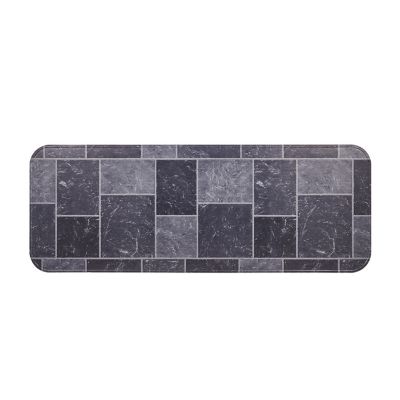
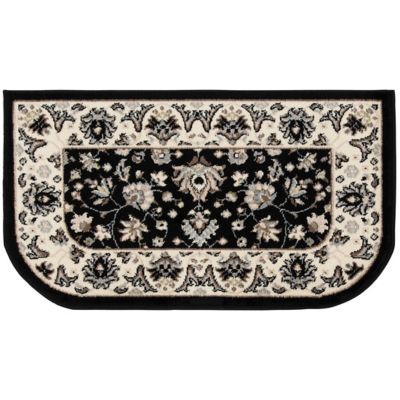
When choosing a fireplace rug, start with the shape and size of the space you need to cover. A long, low-profile runner can work well in front of a wide fireplace, while a smaller rectangular or half-round rug may suit a compact hearth or a stove set in the corner of a room. Measure the area before shopping, including the space where people stand to add wood or open the stove door. The rug should sit flat and provide enough coverage to catch the occasional spark without crowding nearby furniture or walkways. A low pile or tightly woven surface is generally easier to sweep and less likely to catch on boots, firewood baskets, or a vacuum cleaner. A nonslip backing or a separate rug pad can help keep the rug from shifting on smooth flooring, but make sure any backing is intended for use near warmth and does not block required ventilation or interfere with a hearth pad. Darker colors and rustic patterns can help disguise a little soot between cleanings, while neutral tones blend easily with cabins, farmhouses, workshops, and family rooms. For busy households, check whether the rug can be shaken out, swept, spot cleaned, or washed according to the care label. Keeping a small hand broom nearby makes it easy to clear away ash before it gets tracked through the house, and lifting the rug occasionally can help you check the floor underneath for grit, moisture, or heat damage.
Fireplace rugs can be a useful choice for homeowners settling into a new house, families refreshing a cabin, or anyone making a hearth feel more finished before the cooler months arrive. They also make a thoughtful housewarming gift for someone with a newly installed fireplace or stove, especially when paired with other practical hearth supplies. In a country home, a sturdy rug may see plenty of real use: muddy boots by the door, a dog stretching out near the warmth, kids warming their hands after outdoor chores, and firewood dust gathering after a long evening. Choosing a design that fits the way the room is used matters just as much as choosing one that looks good. If pets or children spend time near the hearth, favor a stable, easy-to-clean style and keep loose fringe, toys, and bedding away from the heat source. If the fireplace is used often, consider keeping a second rug on hand so one can be cleaned while the other is in place. Always allow ashes and surfaces to cool fully before cleaning, and dispose of ashes in a covered metal container according to local safety guidance. A fireplace rug cannot replace safe fire habits, but it can help keep the area neater, more comfortable, and better suited to everyday life—from quiet mornings by the fire to evenings spent visiting with family and friends.