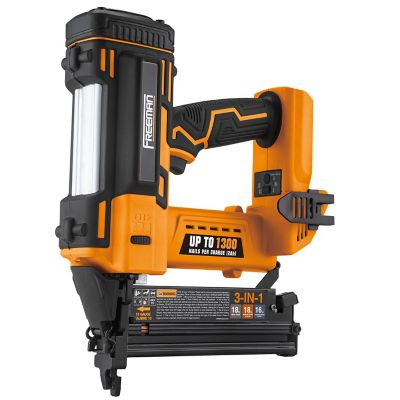
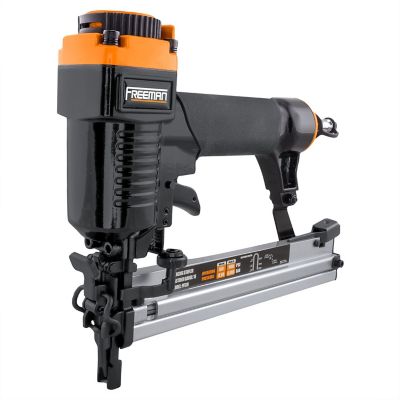
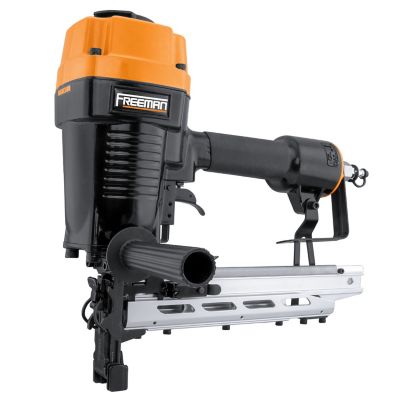
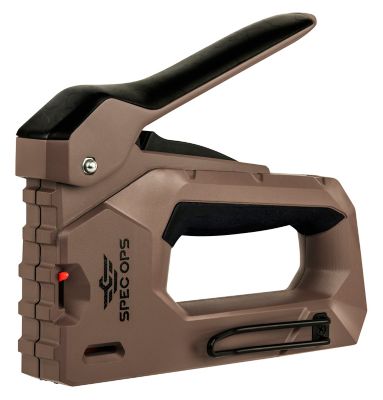
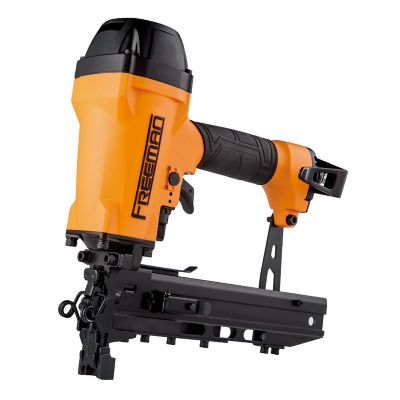
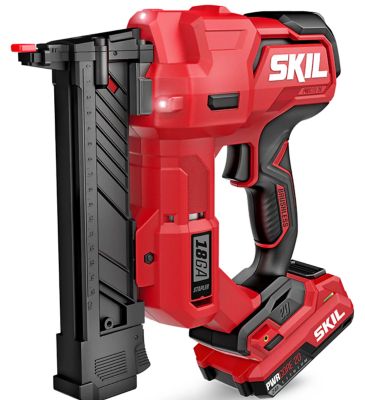
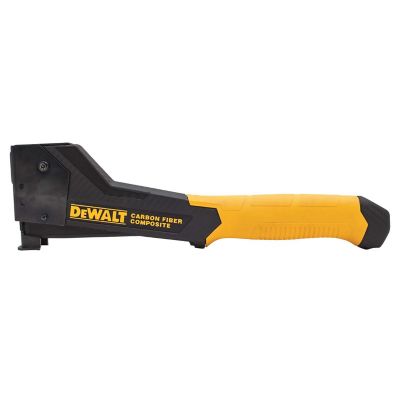
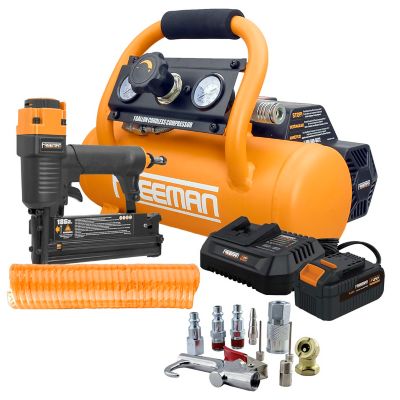
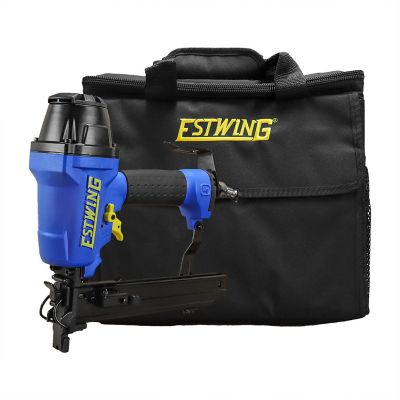
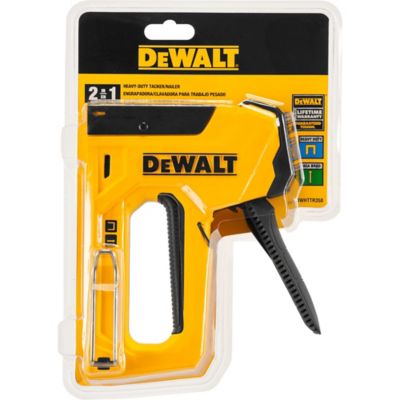
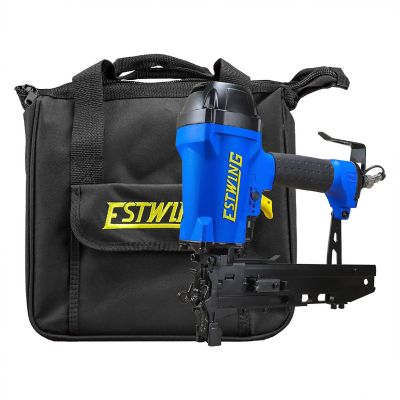
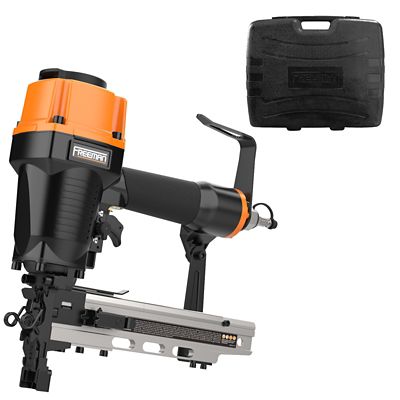
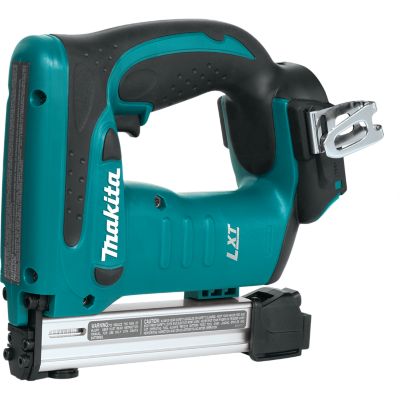
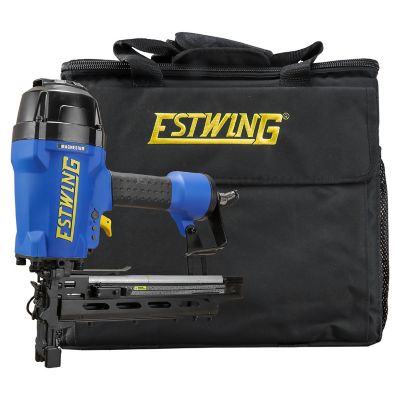
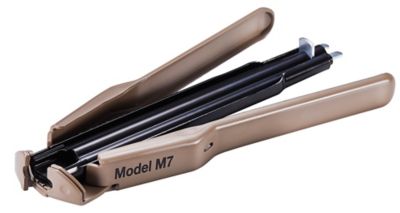
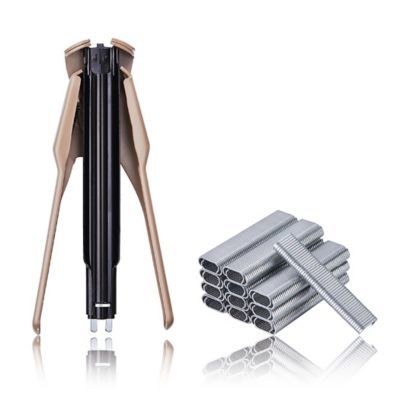
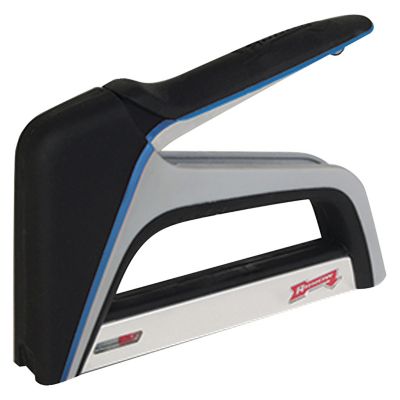
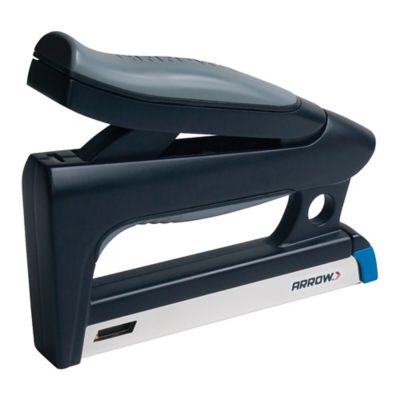
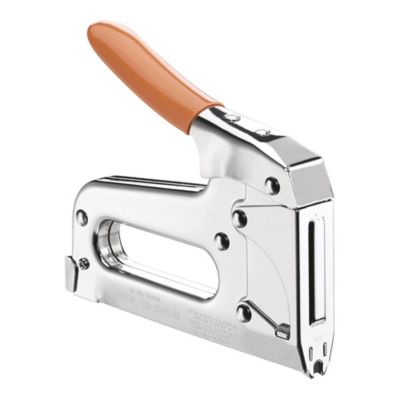
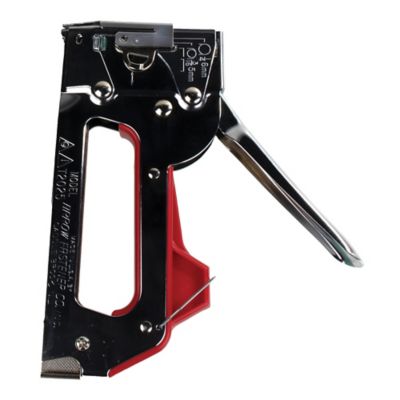
Fencing staplers are built for fastening wire fencing to wooden posts with far less strain than driving every staple with a hammer. They can help ranchers, farmers, homesteaders, property owners, livestock managers, and fence crews move steadily along a long fence line while keeping the wire held in place. Depending on the tool, a fencing stapler may drive heavy-gauge staples into field fence, woven wire, welded wire, poultry netting, garden mesh, or livestock panels. Cordless models are a handy fit for remote stretches of pasture because they do not need an air hose, compressor, or gas cartridge. A charged battery lets you work near a back corner of the property, along a tree line, or beside a gate where bringing extra equipment can be a chore. Pneumatic models connect to an air compressor and can deliver strong, consistent driving power for shop work, fence construction, and larger jobs where an air setup is already close by. Browse
Pneumatic Staplers when an air-powered tool fits the way you work. A fencing stapler can be especially helpful during fence repairs after livestock lean against a section, falling branches pull wire loose, or wet ground gives a post a little room to shift. Many folks find that the right tool turns a slow afternoon of stopping, reaching for a hammer, and checking each fastener into a smoother pass down the line.
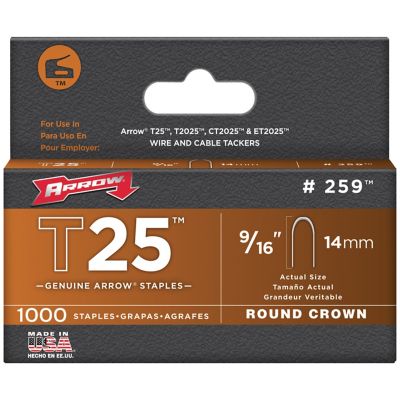
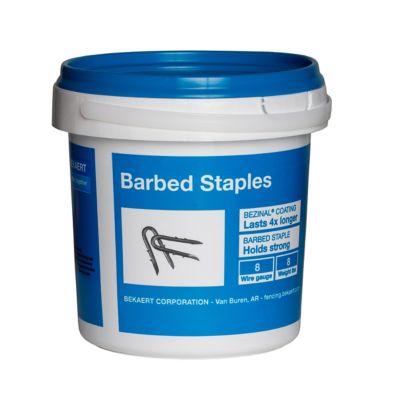
Start by matching the stapler with the fence material and the staples it is designed to drive. Heavy agricultural fencing commonly calls for 9-gauge staples, while lighter mesh and pet fencing may take 10.5-, 16-, or 18-gauge staples. Check the tool specifications and staple packaging together before buying, since the correct fit matters for feeding, driving, and holding power. The post material also plays a part. Fresh, softer wood may take a staple readily, while seasoned hardwood can call for more driving force and a different depth setting. A tool with depth adjustment lets you set the staple firmly without crushing the wire or sinking the fastener too far into the post. The goal is a snug hold that keeps the wire in place while leaving the strands intact. Magazine capacity is another practical detail, especially when you are several hundred feet from the truck. Magazines holding roughly 35 to 50 staples can reduce reload stops, though a smaller magazine may keep the tool more compact and easier to handle in tight spots. Look at the battery system for a cordless model, including charge time, battery size, and whether spare batteries fit other tools already in your shed. For a pneumatic model, account for compressor capacity, hose length, fittings, and the air pressure range listed by the manufacturer. A short hose may work well around a barn, while a longer line can be useful along a fence row but may add weight and drag. Keep spare staples protected from rain and mud, and clear the magazine according to the maker’s instructions before checking a jam or changing parts.
A fencing stapler is a practical choice for anyone caring for animals or maintaining acreage, and it can make a thoughtful present for a new landowner, a family member raising goats or cattle, or a neighbor who spends weekends improving a pasture. It is also useful for fence contractors and farm crews who need to set wire along uneven ground, around corners, and across long straight runs. Before fastening, lay out the fence line, confirm post spacing, and make sure the wire is pulled to the tension recommended for that type of fence. Set the wire against the post without twisting it, then drive staples at a slight angle when the tool and fastener instructions allow it; this can help hold the wire while leaving room for normal movement. Corners, ends, gates, and areas where animals press against the fence deserve extra attention, since these points often carry more pull than a straight run. Wear eye protection, sturdy gloves, and work boots, and keep hands clear of the nose and the path of the staple. Battery tools should be stored with the battery handled according to the manufacturer’s directions, while air tools need a clean connection, a suitable compressor, and proper hose care. As cooler weather settles in, a quick walk along the fence can reveal loose wire, leaning posts, and spots where fasteners have backed out before they become a larger problem. With the right staple size, driving depth, power source, and loading capacity, a fencing stapler can help keep field fencing, animal enclosures, and property boundaries in good working order through changing conditions.