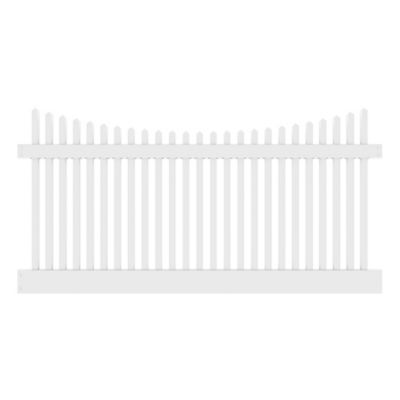
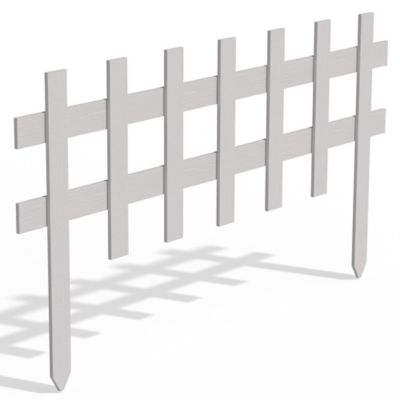
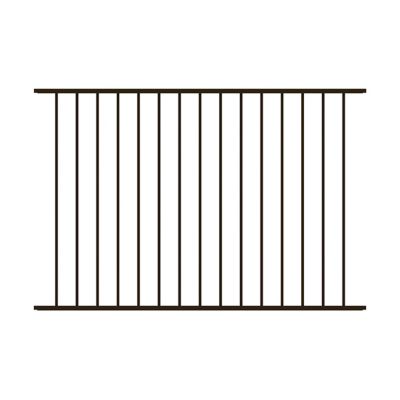
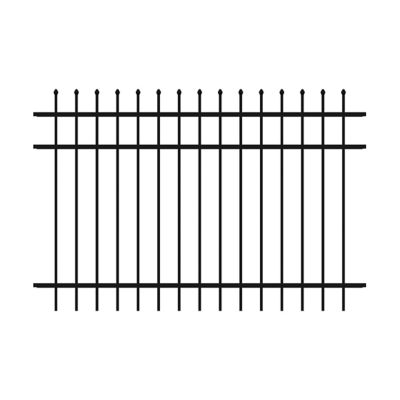
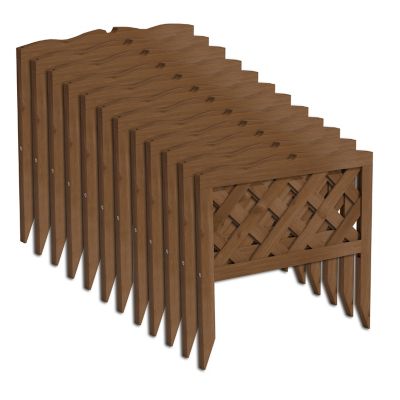
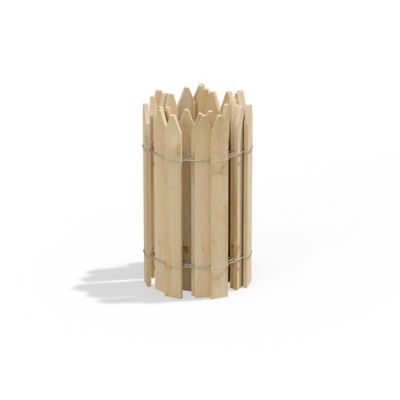
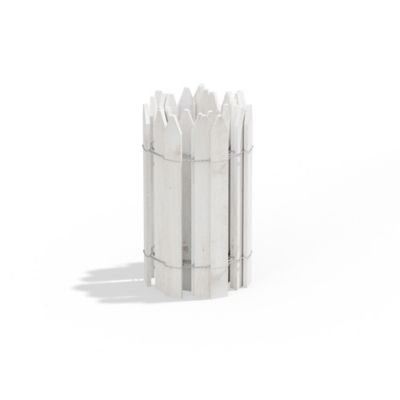
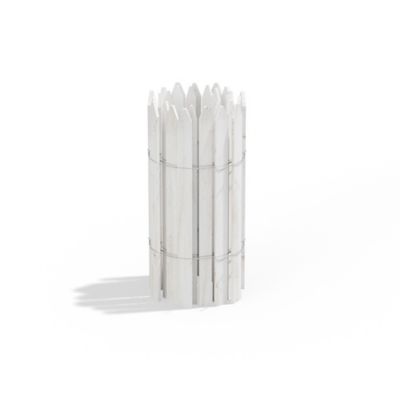
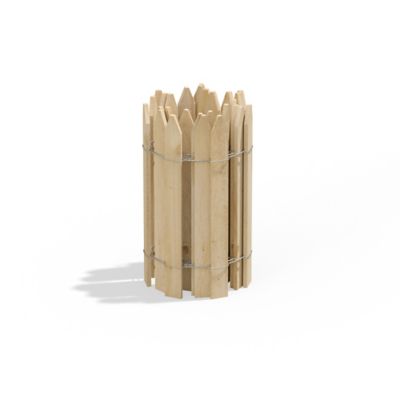
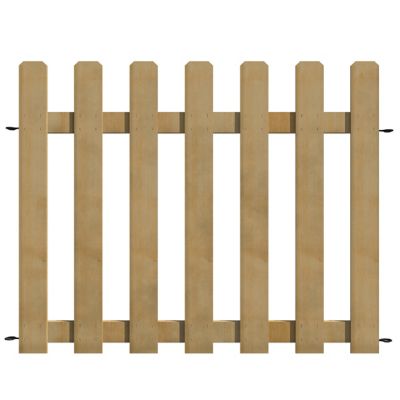
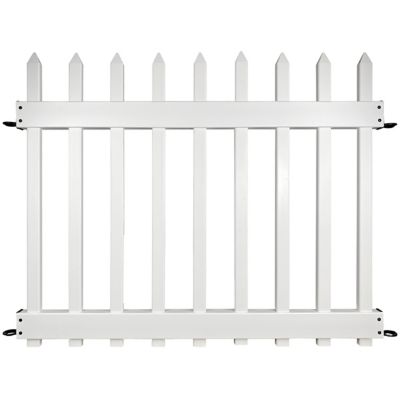
Picket fencing panels are fence sections made with evenly spaced upright boards or bars, called pickets, connected by horizontal rails. They create a clear boundary without closing off the view, making them a natural fit for front yards, garden edges, walkways, and the stretch between a farmhouse porch and the lane. The spaces between pickets let you see flowers, keep an eye on the yard, and maintain an open feel around gathering spots. Unlike solid privacy fencing, a picket fence outlines an area rather than screening it from sight. Panel construction groups several pickets into one section, so the overall look depends on the panel’s height, width, spacing, and top profile. Straight-top panels give a fence line an even outline, while scalloped sections dip toward the center for a softer look. Pointed, rounded, and square picket tops each bring a different character to the property, from a familiar country-yard appearance to a simpler, more understated boundary. Shorter sections can frame a flower bed without hiding the plants, while taller sections create a more noticeable division between a lawn and an adjoining space. For a homeowner with a long front walk, repeating panels can draw the eye toward the entrance and keep foot traffic away from planted borders. Around a kitchen garden, they can separate growing space from the rest of the yard while leaving vegetables and climbing supports in view. That open construction has limits, though: picket fencing is not a privacy screen, and spacing alone does not make it suitable for containing pets or keeping wildlife out. Its most straightforward job is marking space with a welcoming, finished look. When comparing that open style with more enclosed boundaries, the broader range of
Fence Panels helps put panel construction and intended use in perspective. The best match comes down to what the boundary needs to do, how much of the property should remain visible, and how the fence fits alongside the house, outbuildings, and planting beds.
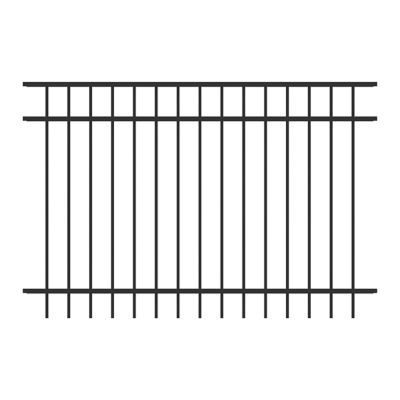
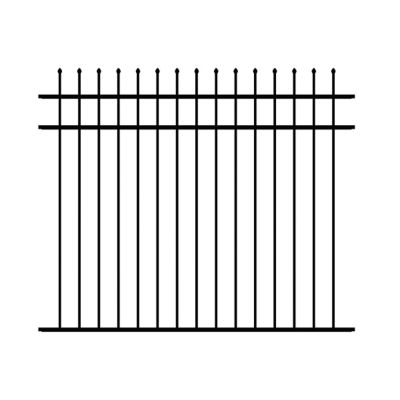
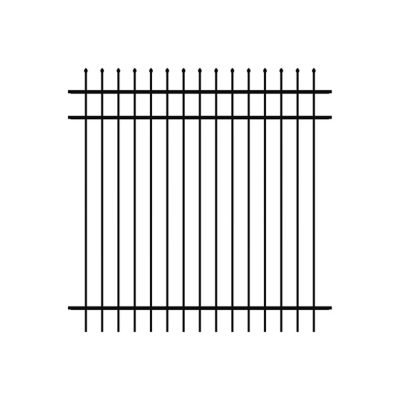
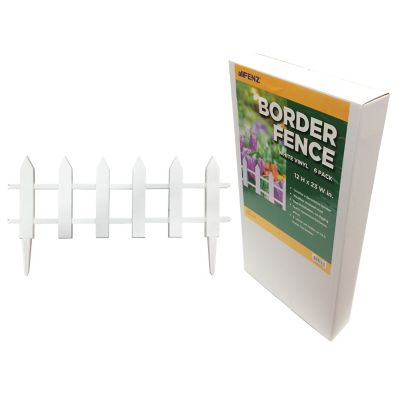
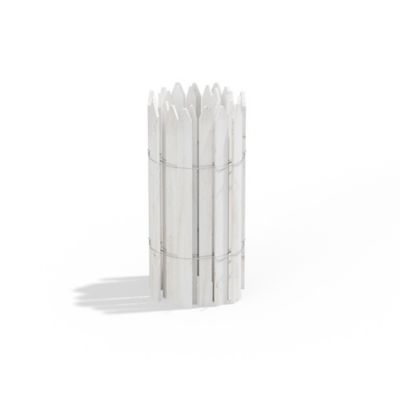
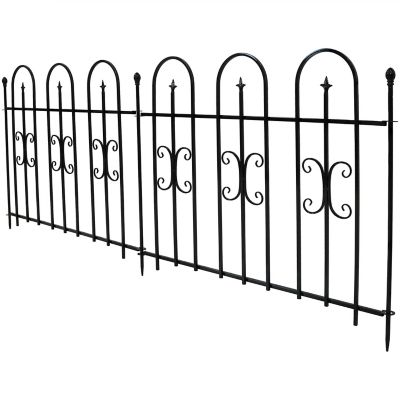
Material makes a big difference in the appearance, upkeep, and service life of picket fencing panels. Wood brings visible grain and a familiar board-and-rail look that sits comfortably beside a farmhouse, a gravel path, or a working garden. Depending on the lumber and its treatment, wood fencing may need paint, stain, or another appropriate finish to help protect its surface. Cedar and pressure-treated lumber have different characteristics, and treatment ratings matter wherever components contact the ground. An unfinished wood panel also leaves room for a finish that coordinates with porch posts, gates, or nearby structures, provided the coating suits the lumber and the manufacturer’s recommendations. Vinyl offers a more uniform surface without the grain pattern of wood and generally does not need routine painting or staining. Its construction varies, so the thickness of the components, rail design, and any reinforcement deserve attention rather than judging a panel by appearance alone. Metal picket panels can offer slender uprights and a more defined outline, with aluminum and steel differing in weight, finish requirements, and resistance to corrosion. Protective coatings, compatible fasteners, and attention to scratches all play a part in keeping a metal fence in good shape. Across materials, a panel’s strength depends on more than the pickets: rails, connections, posts, and anchors work together as a system. A substantial-looking section still needs the support specified for its design. Everyday care also differs by material. Wood benefits from checks for splinters, loose fasteners, and areas where a finish has worn away. Vinyl generally calls for gentle cleaning with products approved for its surface, while metal needs attention to coating damage and loose connections. Keeping soil, mulch, and piled leaves away from components that are not rated for ground contact can help limit deterioration. For a busy household, these differences matter as much as color or shape. A fence beside a frequently tended garden may get regular attention, while a long boundary along the front yard calls for an upkeep routine that fits the time available.
Fit starts with the panel dimensions, but the full fence layout includes posts, corners, gates, and the spaces needed for connections. Nominal panel width is not always the same as the required distance between post centers, and matching hardware is not necessarily included with every section. Product specifications should make clear whether a panel arrives assembled, requires assembly, or belongs to a system with particular posts and brackets. This distinction matters when extending an existing fence, where a similar color or picket shape does not guarantee compatible measurements. Ground shape is another practical consideration. On a sloping yard, some panels can follow the grade within stated limits, while others need a stepped arrangement that leaves a changing gap beneath each section. That lower gap affects both appearance and suitability around small pets. A fence bordering a dog’s exercise area needs a closer look at picket spacing, height, bottom clearance, and the animal’s tendency to squeeze through, dig, or climb. Standard yard pickets should not be assumed suitable for livestock, and pool enclosures must meet applicable safety requirements rather than simply resemble a suitable barrier. Gate openings deserve equal attention: a comfortable footpath opening may still be too narrow for a mower, garden cart, or wheelbarrow. Beside a vegetable patch, room to roll through with a load of compost can matter more than adding another uninterrupted panel. Near a driveway, fence placement should preserve clear sightlines and leave space for routine property access. Property boundaries, local rules, utility locations, and any permit requirements also affect where permanent fencing belongs. Low garden-border sections and full-height yard panels serve different purposes, even when both have a picket profile, so intended use is worth checking closely. For homeowners, gardeners, and rural property owners, well-matched picket fencing brings order to everyday spaces without making them feel shut away. The right combination of material, dimensions, support, and manageable care can give a front walk a clear edge, frame a favorite planting area, or connect the house and yard with a consistent, welcoming boundary.