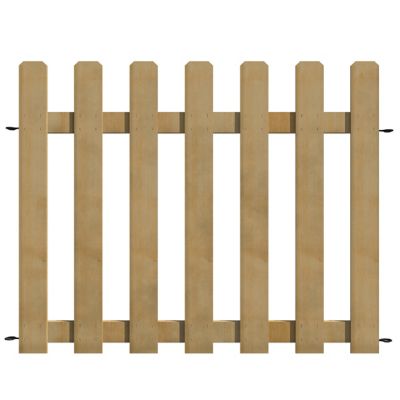
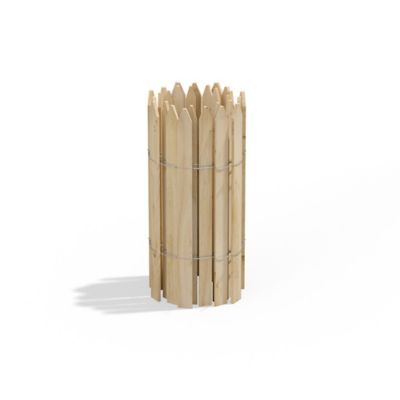
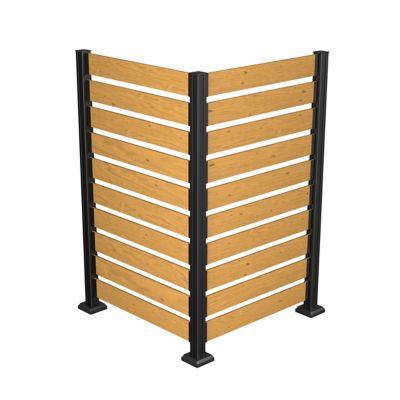
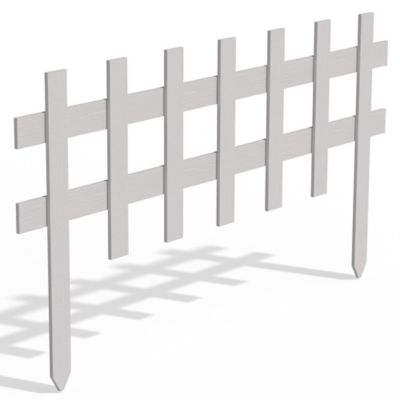
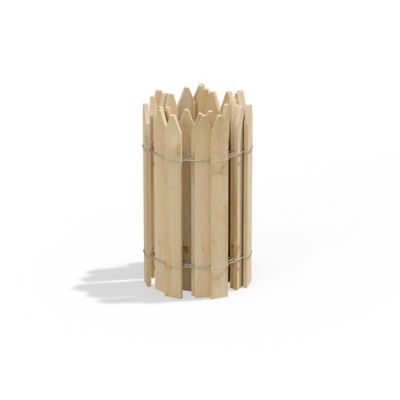
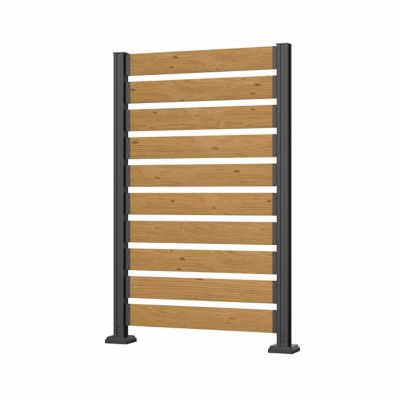
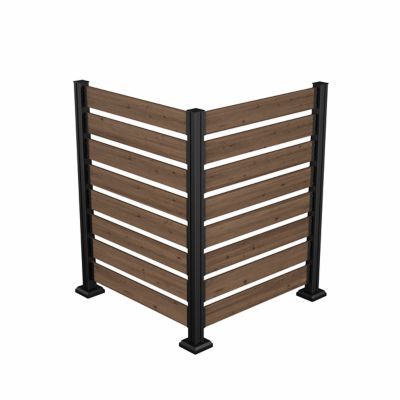
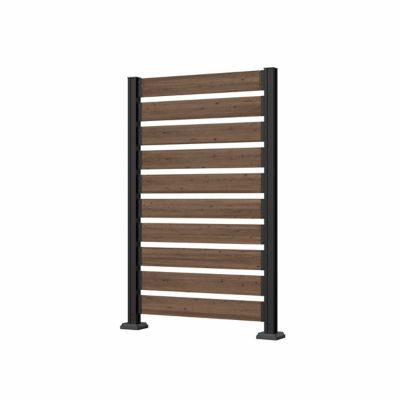
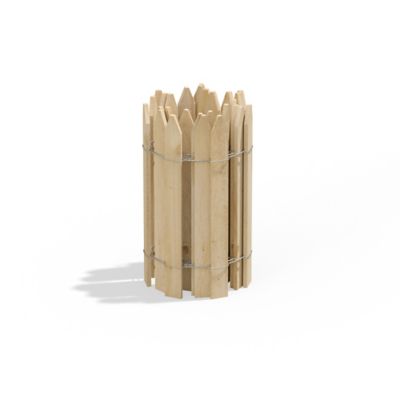
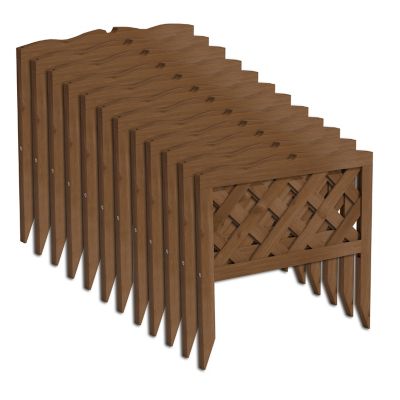
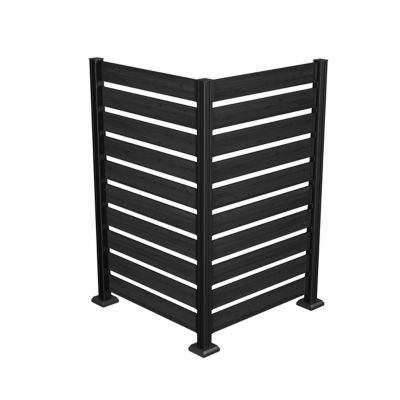
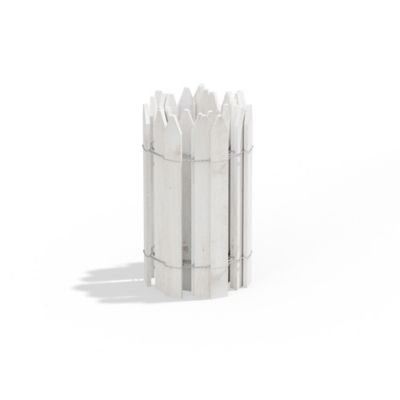
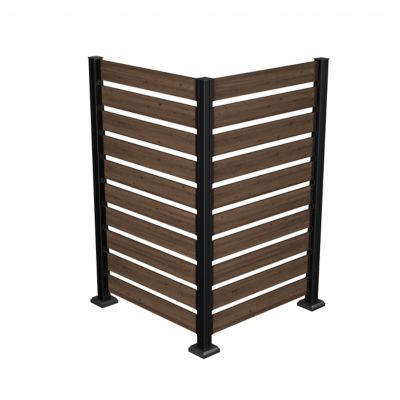
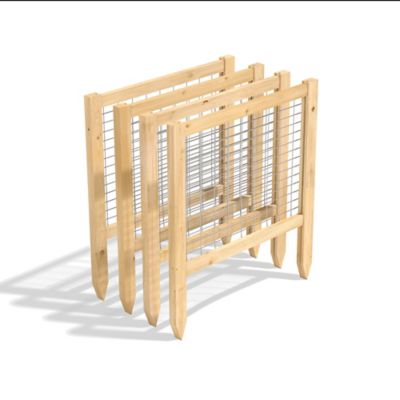
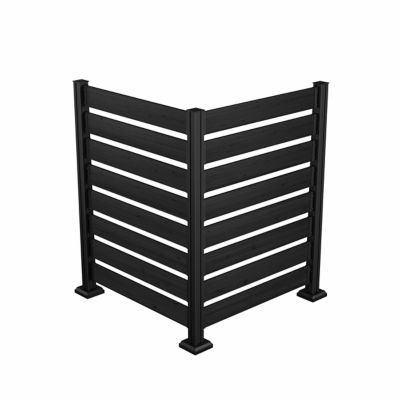
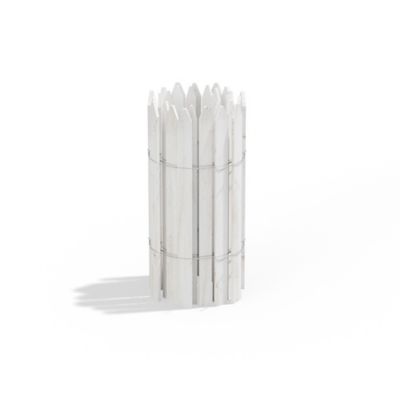
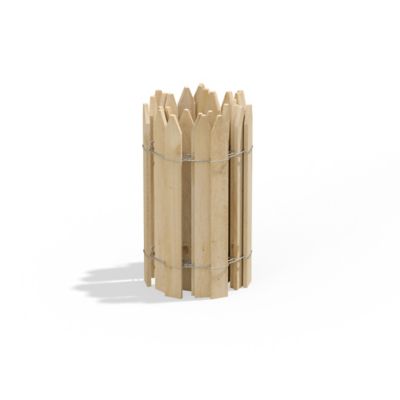
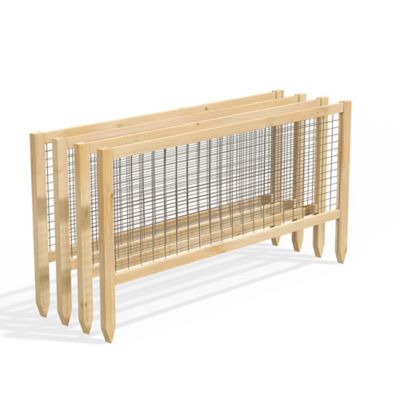
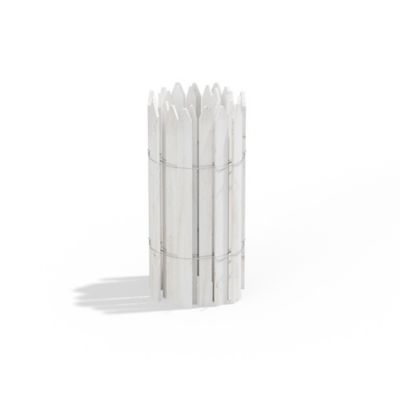
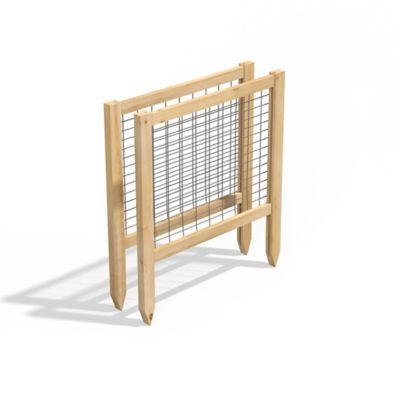
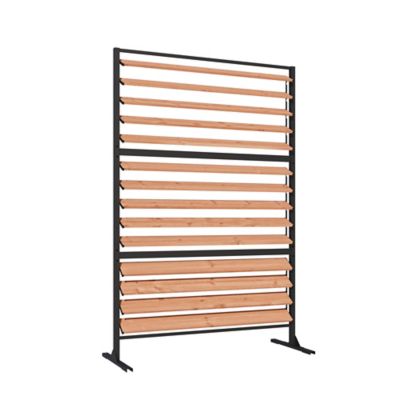
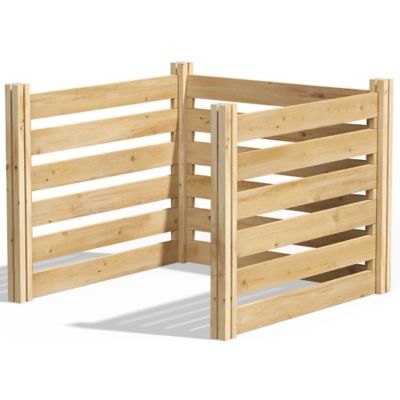
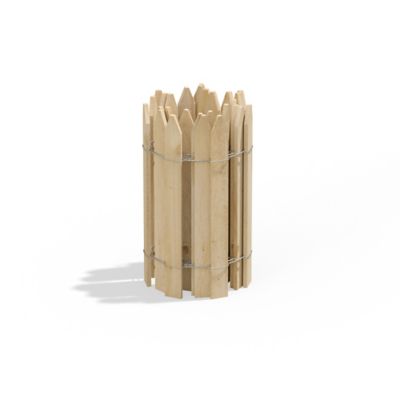
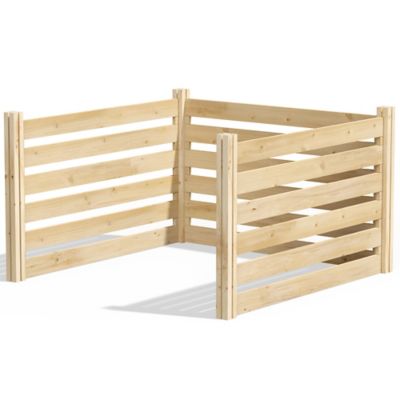
Wood fencing panels are preassembled sections of boards and supporting rails that attach to fence posts to form yard enclosures, property boundaries and privacy screens. They bring several fence boards together in one section, giving a run of fencing a consistent pattern without fitting every board separately. Around a country home, a wood panel fence can separate a backyard from a gravel driveway, give a patio some privacy or mark the edge of a garden. The right style depends on how much of the view you want to keep. Closely spaced privacy panels create a more enclosed feel, while spaced-picket panels define a boundary without closing off the view of the yard. Shadowbox designs alternate boards on opposite sides of the rails, offering a finished appearance from either side, though angled sightlines can still allow a view through. Lattice-top panels pair a more enclosed lower section with an open pattern above. Straight tops create a level, simple outline, while arched or scalloped profiles give a fence line a softer shape. Vertical boards suit many farmhouse settings, and horizontal boards emphasize long, clean lines. For a different take on that look,
Modern Fence Panels offer another direction to explore. Panel height also changes how a space feels: a lower fence can frame a front yard without hiding the porch, while a taller section can screen a seating area or keep a work corner out of sight. Privacy is not the only consideration, either. A fence beside a driveway should preserve clear views where vehicles enter and leave, and a fence near a garden should leave room for wheelbarrows, hoses and routine upkeep. For households with pets, board spacing, the gap beneath the panel and the animal’s climbing or digging habits matter as much as the height. A good match starts with what the fence needs to separate, screen or contain.
Wood species, treatment and construction all affect how fencing panels look and how they hold up over time. Cedar brings natural variation in color and grain, along with some natural resistance to decay, but it still benefits from appropriate placement and care. Pressure-treated pine is another common fencing material, with treatment intended to help protect the wood against decay and insect damage. Treatment ratings matter because a panel above the ground and a post set into the ground face different conditions. A wood component rated for above-ground applications is not automatically suitable for ground contact. Board thickness, rail size and fastening details also deserve attention, especially on a long boundary where small differences repeat across many sections. Knots and grain patterns give wood its character, while splits, loose fasteners or excessive twisting can affect how a panel fits and functions. Nominal dimensions do not always match actual measurements, so panel width and height need to work with the planned post spacing rather than an assumed measurement. Panel width alone may not equal the distance between post centers; the mounting method and post dimensions affect that layout. A replacement section can be particularly finicky when existing posts, brackets and rails follow a different pattern. On sloped ground, a rigid rectangular panel may need a stepped arrangement, which can leave triangular gaps beneath the fence. Some fence designs accommodate changes in grade differently, so the panel’s construction matters before settling on a layout. Those lower gaps are especially important around small pets or a vegetable patch. Fence posts, brackets and fasteners need to suit both the panel and its treatment, with corrosion-resistant hardware selected according to the wood and hardware manufacturers’ recommendations. Matching those parts helps keep connections secure and limits staining around attachment points. For a neat-looking boundary between neighbors, the direction of the finished face, shared sightlines and any local requirements can also influence the choice.
A wood panel fence works best when the whole enclosure fits everyday life, not just the straight stretches between corners. A backyard gate needs enough clearance for the equipment that actually passes through it, whether that is a push mower, a garden cart or a riding mower. A separate equipment entrance may make sense where a fenced yard meets a barn lane or work area. Gate openings also need proper support; a fence panel is not automatically suitable for conversion into a gate without a frame and hardware designed for the job. Along a planting bed, a little working room between vegetation and boards makes pruning, cleaning and fence checks easier. Keeping soil, mulch and stored materials away from the wood helps limit trapped moisture and leaves the lower edge visible for inspection. Wood naturally expands and contracts as its moisture content changes, so small shifts in board spacing can occur after installation. Stain or another compatible exterior finish can help manage moisture absorption and maintain the intended appearance, but finish selection and application depend on the wood, its treatment and the coating manufacturer’s directions. Freshly treated lumber may need time to reach the recommended condition before a finish goes on. Routine care includes clearing buildup from the boards, checking for loose connections and addressing damaged sections before they affect neighboring parts. Around a busy yard, that might mean checking a panel bumped by a mower or watching for wear near a frequently opened gate. Local fence rules, property lines, easements and underground utilities also belong in the planning picture before post holes are dug. Pool barriers have separate requirements, and ordinary yard fencing should not be assumed to meet them. Likewise, wood privacy panels are not a substitute for fencing designed around livestock behavior and containment needs. With the right proportions, sound supports and room for everyday chores, wood fencing panels can make a yard feel more settled while keeping its boundaries clear.