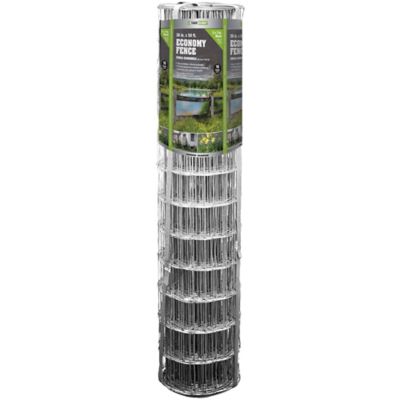
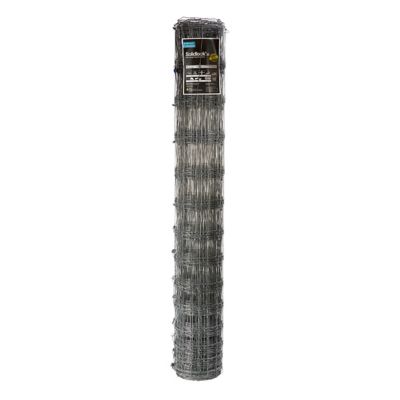
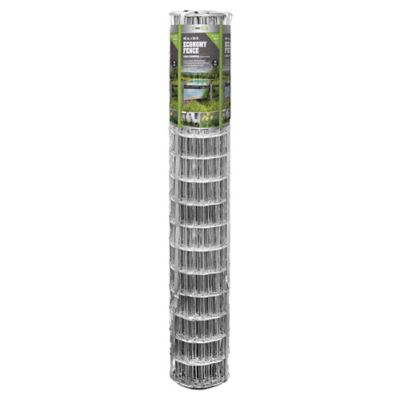
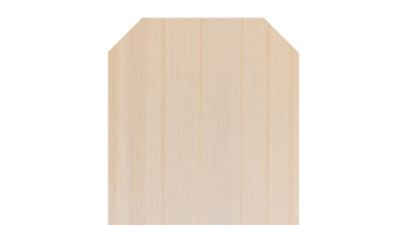
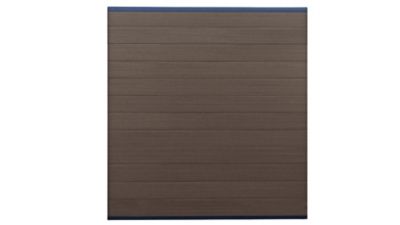
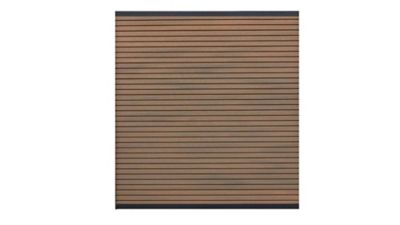
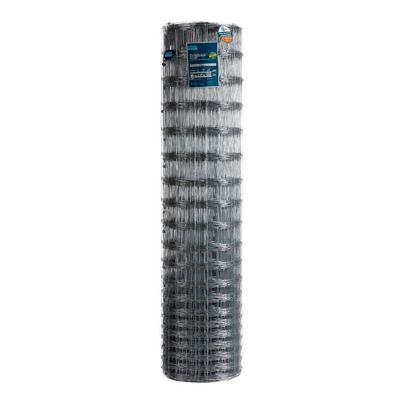
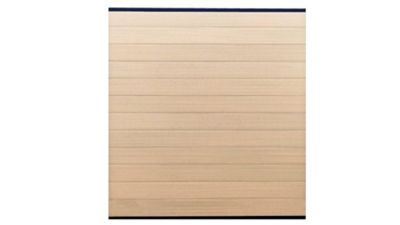
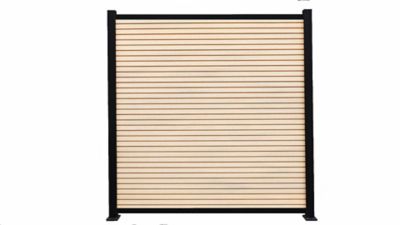
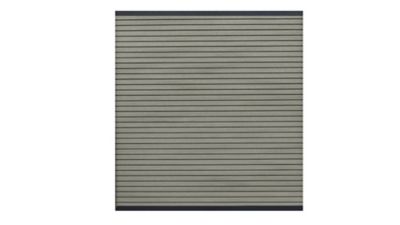
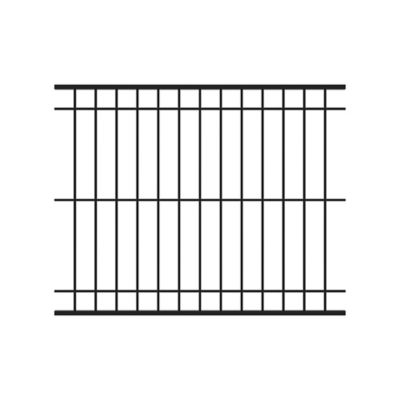
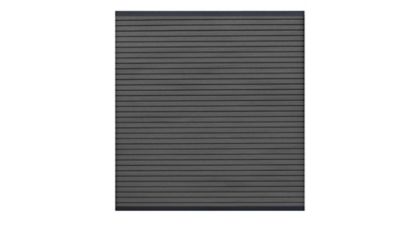
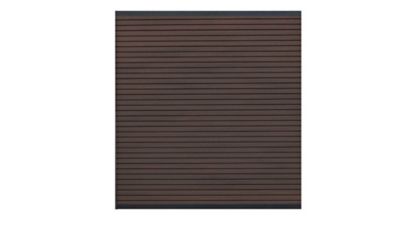
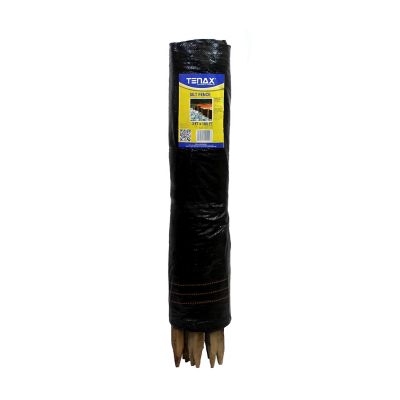
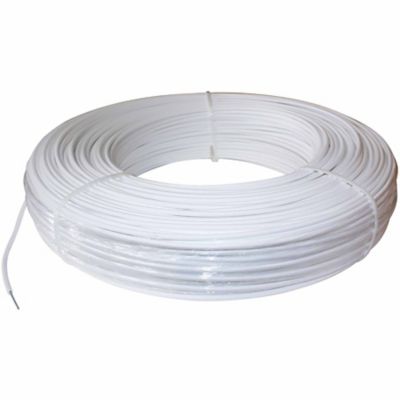
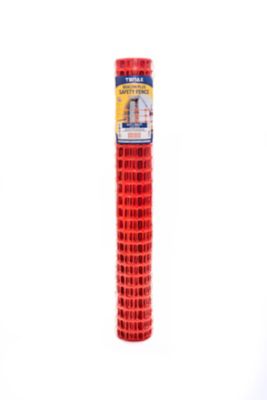
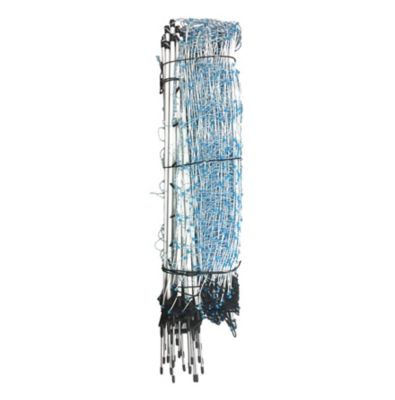
Fence options include wood, vinyl, chain link, woven wire, welded wire, and electric fencing, with the right fit depending on what needs to stay in, what needs to stay out, and how much upkeep suits the property. A fence around a backyard has a different job than a pasture boundary or a garden enclosure, even when all three share the same stretch of land. Privacy fencing creates a more enclosed space near a home, while open fencing marks boundaries without hiding the view across a field. Wood brings a familiar look to rural properties and offers several layouts, from closely spaced boards to open rails. Its care needs depend on the wood species, treatment, ground contact, and finish, with periodic attention helping limit splitting and decay. Vinyl offers a smooth, consistent appearance without routine painting, though its strength depends on the construction of the entire system, including posts, rails, and connections. Chain link keeps sightlines open and suits many yard and utility enclosures, with mesh size, wire gauge, coating, and height affecting its suitability for the job. Woven wire and welded wire provide other ways to enclose space while keeping an open feel. Woven wire has joined intersections that allow some movement, while welded wire has intersections fused together to hold a set grid. Those differences matter where animals may lean, push, or rub against a fence. Steel and aluminum fencing can also define a yard or entrance with an open, orderly appearance, though those materials differ in weight, strength, and care requirements. Some properties call for more than one fence style: a solid section beside a patio, an open boundary along a driveway, and livestock fencing farther out. Matching each section to its purpose can make the whole property easier to manage without requiring every fence line to look alike.
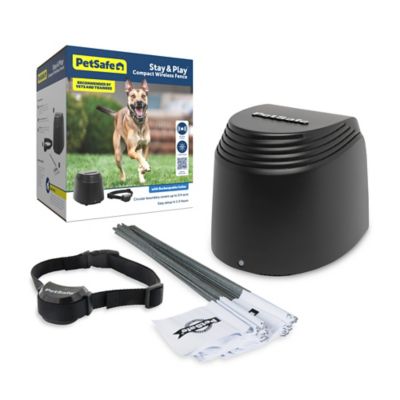
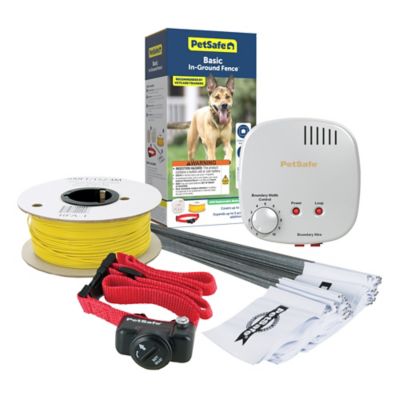
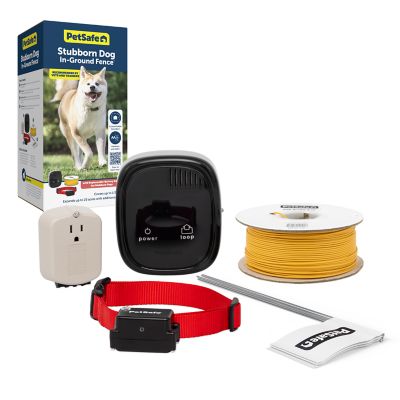
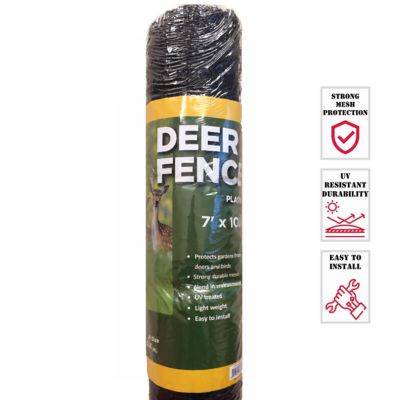
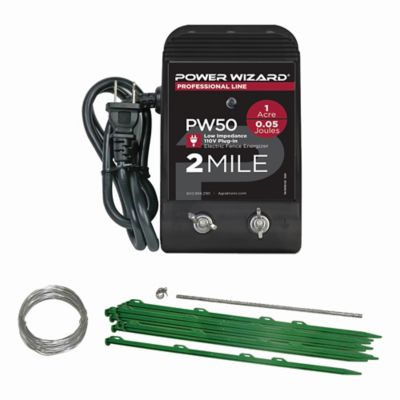
Animal fencing calls for a closer look at height, opening size, strength, and the behavior of the animals inside it. Cattle, horses, sheep, goats, poultry, and dogs put different demands on an enclosure. A cow leaning into a feeding area creates a different kind of pressure than a goat testing a corner or a dog digging beneath a gate. Woven wire is a common fit for livestock areas, but the spacing and overall construction need to suit the species and size of the animals. Smaller openings near the bottom can help contain smaller stock, while horse enclosures need particular attention to visibility and openings that limit the chance of a hoof becoming trapped. Smooth surfaces and secure connections matter wherever animals travel close to the fence. Barbed wire has a place in some cattle operations, but its sharp points make it a poor match for horse enclosures and many areas with frequent human contact. Electric fencing can serve as a livestock barrier or help discourage pressure against an existing fence, provided the system suits the animals and the layout. Its performance depends on compatible components, proper grounding, sound connections, and keeping vegetation from drawing power away from the fence line. Animals also need a chance to learn that boundary in a controlled setting. For poultry and gardens, mesh opening size matters as much as fence height; an opening that contains an adult bird may still admit a small animal. Garden fencing can discourage browsing and digging, but different pests call for different barrier designs. Gates deserve the same attention as the rest of an enclosure. A wide equipment entrance, a walk-through opening near the barn, and a gate between paddocks each have a different role. Clearance, latch placement, hinge support, and gaps beneath the gate all affect daily use. A well-matched fence and gate arrangement makes chores smoother, whether that means moving a wheelbarrow through the garden or bringing a tractor into a field.
The strength of a fence comes from the whole assembly, not just the material stretched or fastened between posts. Post spacing, setting depth, bracing, soil conditions, and the weight of gates all influence how well a fence holds its line. Corners and ends carry substantial tension in wire systems, while gateposts take repeated movement and leverage. On rolling ground, a layout that follows the land can help avoid large openings beneath the fence, but the best approach depends on whether the fence material can follow a slope or needs stepped sections. Compatibility matters, too: posts, fasteners, rails, mesh, and fittings need to work together rather than simply look right beside one another. Coated metal helps resist corrosion, and treated wood intended for ground contact has a different role from lumber meant to stay above the soil. Maintenance and
Fence Protection go hand in hand, with care matched to the material and any existing finish. Wood may need cleaning, a compatible protective finish, and attention to loose or damaged boards. Metal fencing benefits from checks for damaged coatings, corrosion, loose connections, and sharp edges. Vinyl generally needs cleaning and inspection for cracks or loose sections, while wire fencing needs attention to tension, broken strands, and attachment points. Trimming growth along a fence line makes damage easier to spot and helps keep access clear for repairs. Around working pens and busy gates, frequent contact can mean more wear than on a quiet boundary. Property lines, easements, underground utilities, and local fencing requirements also affect where an enclosure belongs and how it can be built. Pool barriers and other safety enclosures have their own requirements, so a general yard fence is not automatically suitable for those spaces. Across a small backyard or a larger spread, fence options work best when their materials, layout, and care needs fit the way the property gets lived on every day.