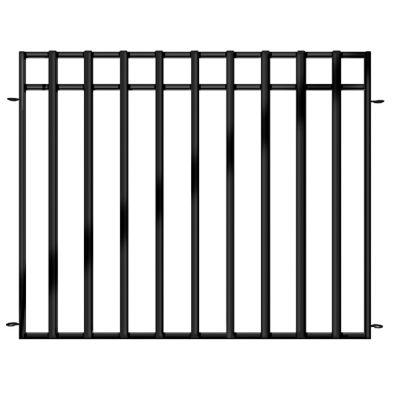
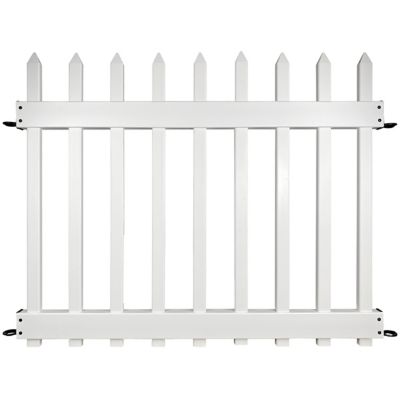
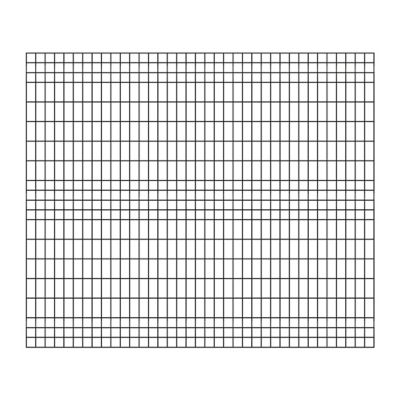
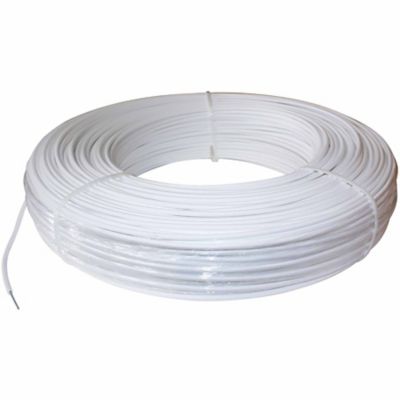
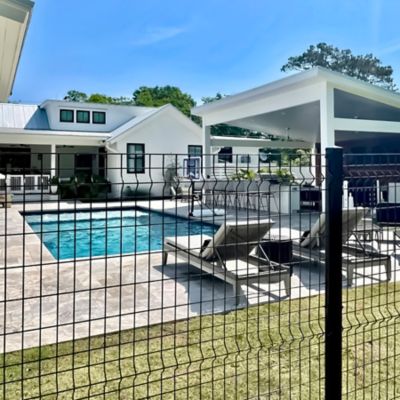
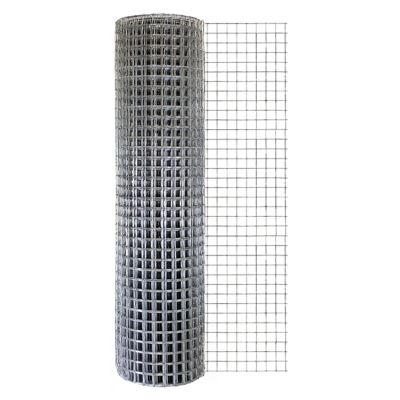
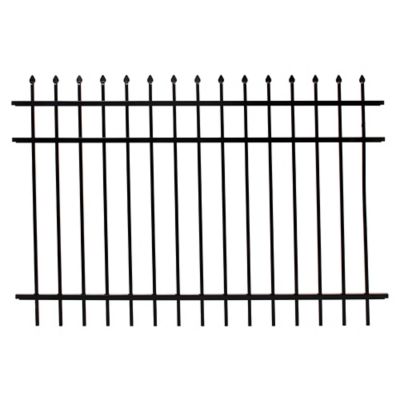
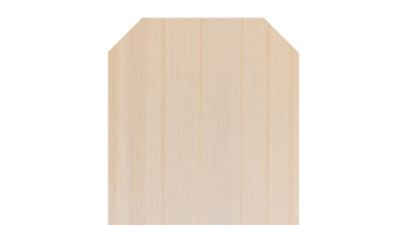
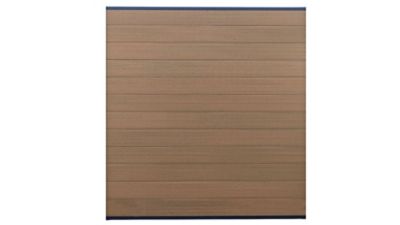
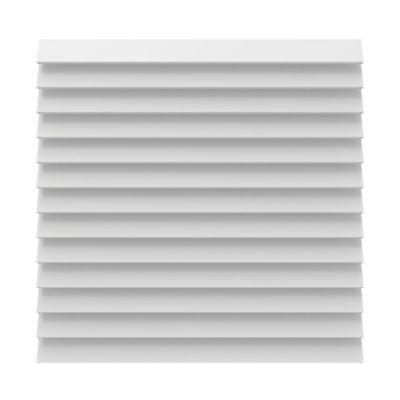
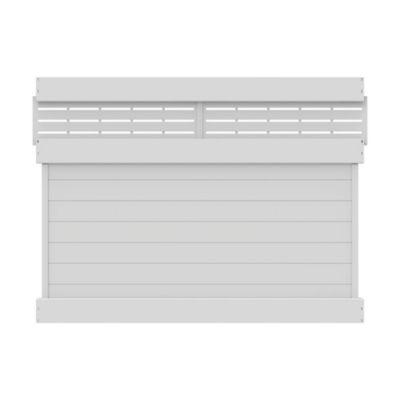
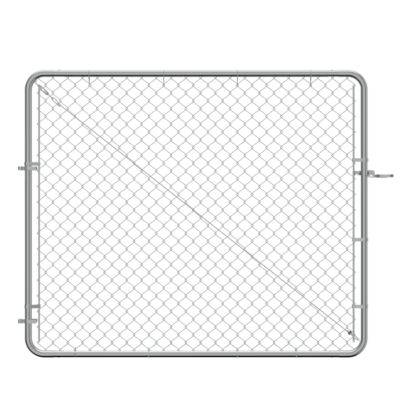
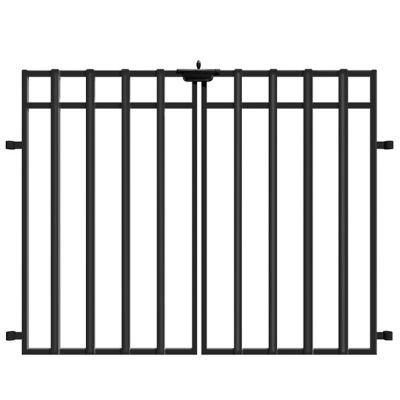
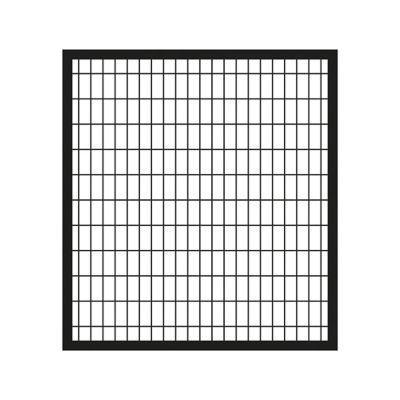
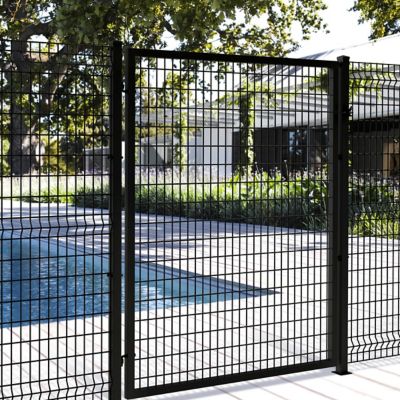
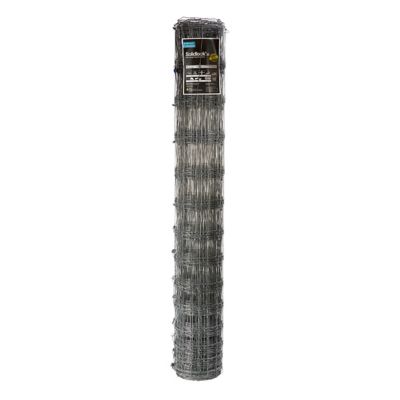
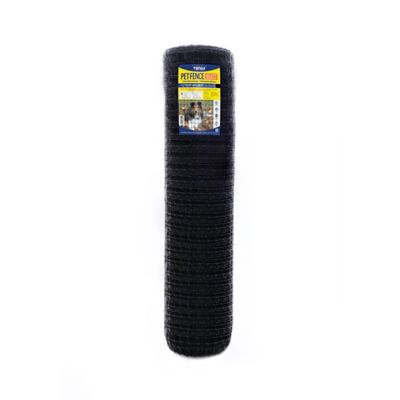
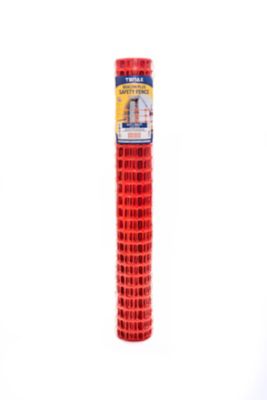
Fencing options include wood, vinyl, composite, chain link, metal panels, woven wire, welded wire, and electric fencing. The right fit depends on what belongs inside the fence, what needs to stay outside, how much privacy the space calls for, and how much upkeep makes sense for the property. A boundary around garden beds has a different job than a pasture fence running beside a lane or a fence enclosing a busy backyard. Solid wood, vinyl, and composite styles can limit sightlines and create separation, while open rails, mesh, and chain link keep more of the surrounding view. Wood offers a familiar look around barns, yards, and acreage, with different board arrangements allowing anything from an open boundary to a more enclosed space. Its care may include staining, sealing, painting, and replacing individual boards, depending on the lumber and finish. Lumber rated for ground contact matters wherever wood meets soil. Vinyl generally needs no painting, though cleaning, secure connections, and proper support still matter. Composite fencing varies in construction, so the requirements for posts, spacing, and reinforcement depend on the fence system. Chain link provides an open boundary with a continuous mesh surface, making it a practical category for yards, enclosures, and utility areas where visibility matters more than screening. Steel fencing offers strength, while aluminum provides a lighter metal option; neither material name alone determines whether a fence suits animal containment or another demanding job. Protective coatings, metal thickness, panel construction, and attachment points all contribute to how a fence holds up. Across these materials, height, spacing, and the shape of the ground influence both appearance and function. A handsome rail fence can define a property without keeping a small dog inside, just as a tall privacy fence may provide more screening than a garden border needs.
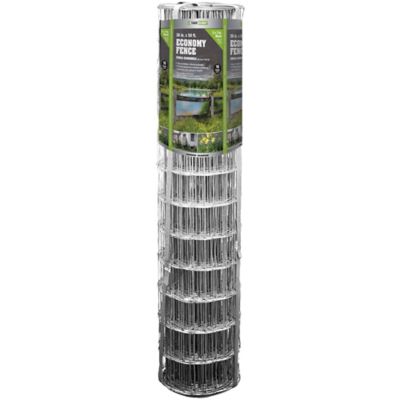
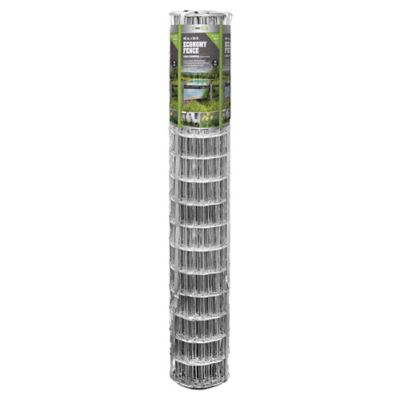
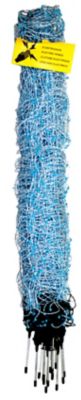
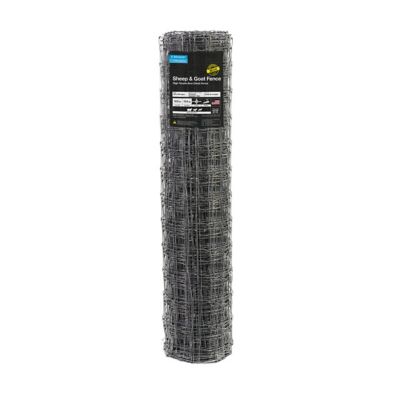
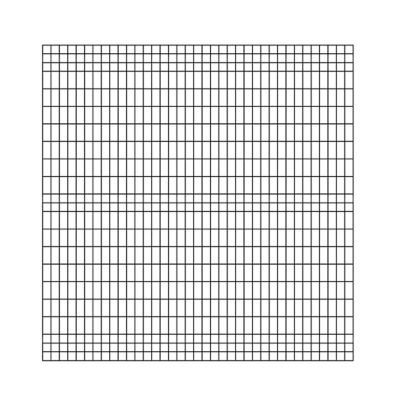
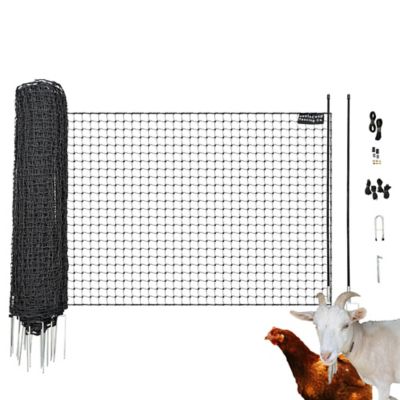
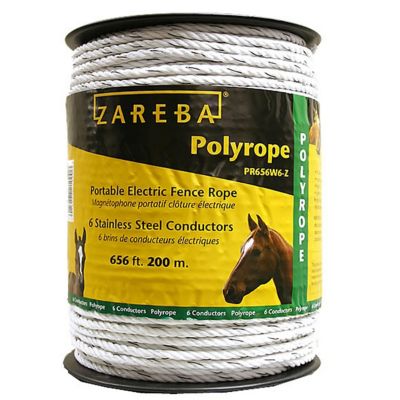
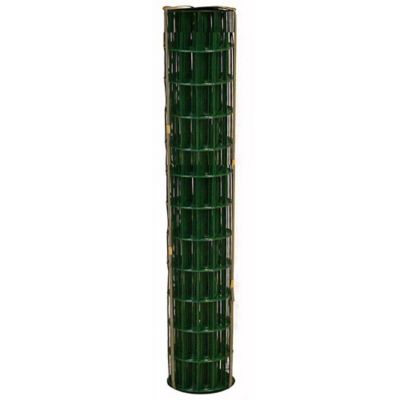
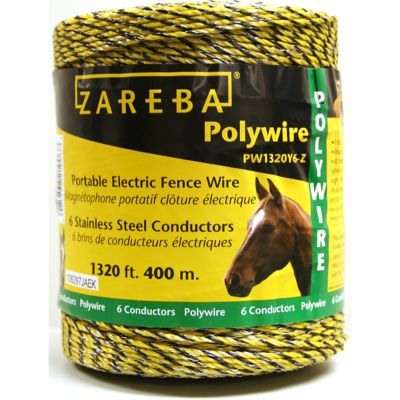
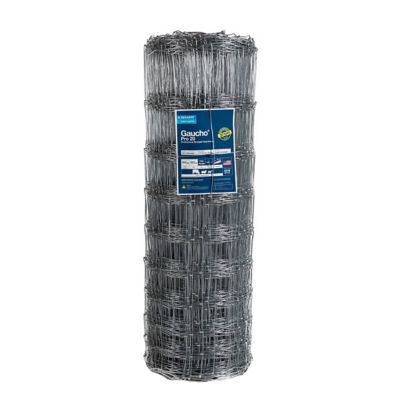
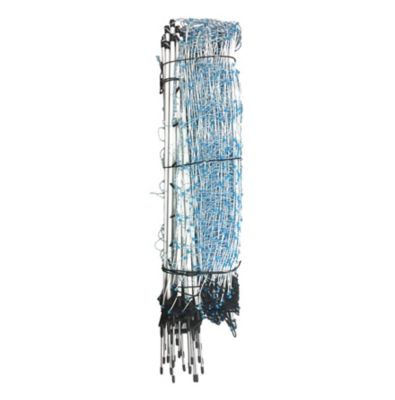
For farms, homesteads, and animal enclosures, fencing needs to match the animal rather than just the property line. Woven wire, welded wire, rail fencing, and electric fencing serve different purposes, and the details matter as much as the overall style. Woven wire has connected strands that form a flexible mesh, while welded wire joins crossing wires at their intersections. Wire gauge, opening size, fence height, and construction all affect suitability for a particular enclosure. A run of fence that contains mature cattle may leave openings a young goat can slip through, and mesh that works around a vegetable patch may not stand up to livestock leaning against it. Sheep and goats bring their own concerns, including heads, horns, and feet that can become caught in unsuitable openings. Horse fencing calls for good visibility and a design that reduces entanglement and injury risks; barbed wire is not an appropriate choice for horse enclosures. Smooth wire, mesh, boards, and rails each need the right spacing and support for the setting. Electric fencing can discourage animals from testing a boundary, but its performance depends on a compatible energizer, proper grounding, suitable conductors, and animals learning to respect the fence. It does not provide the same physical barrier as a solid or mesh fence. Vegetation touching conductors, damaged connections, or an interrupted power supply can reduce its effectiveness. Permanent pasture boundaries and portable cross-fencing also fill different roles: one establishes the main enclosure, while the other can divide grazing areas within it. Around poultry and gardens, small openings and attention to the lower edge can help address access by smaller animals, though climbing, digging, and overhead entry may require additional protection. No single fence style handles every animal or every pressure. The most suitable arrangement reflects animal size, behavior, and the consequences of an escape, especially near roads or neighboring land.
A complete fencing setup also depends on posts, braces, gates, fasteners, and connections that suit the fence material and its intended job. Long, straight runs need support, but corners, changes in direction, and gate openings place different demands on the structure. Post spacing and anchoring requirements vary with fence height, material, soil conditions, and the loads the fence must carry. Sloped ground adds another consideration: stepped panels can leave gaps underneath, while designs that follow the grade may keep a more consistent distance from the ground. That difference matters when a small pet could nose beneath a panel or a young animal could work through an opening. Gates deserve just as much thought as the fence line. A walk-through opening may suit everyday chores, while access for a mower, livestock trailer, or tractor calls for enough clear width and room to turn. Hinges need to support the gate, and latches should suit the animals and people passing through. A gate that drags or swings into a tight spot can turn a simple feed run into a nuisance. Compatible fasteners and fittings help protect connections, particularly where treated lumber or different metals meet. Property boundaries, easements, local fence rules, and underground utility locations also affect where posts can go; contacting 811 before digging helps arrange utility marking. Once a fence is in place, ongoing care means checking for loose boards, sagging wire, damaged coatings, shifting posts, and latches that no longer catch cleanly. Cleaning methods and repair materials should match the fence material, with extra attention to cut edges and connection points where applicable. For spaces around the house, explore
Fencing for Backyard for options suited to everyday yard needs. Whether the project surrounds a garden, separates a yard from a work area, or establishes a livestock boundary, a well-matched fence brings together the right material, sensible access, and upkeep that fits life on the property.