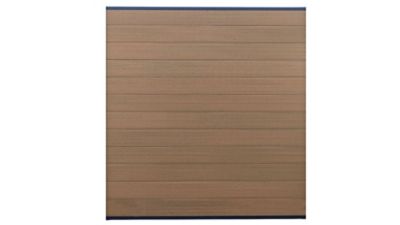
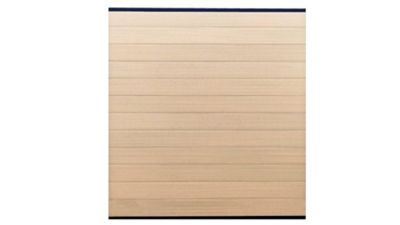
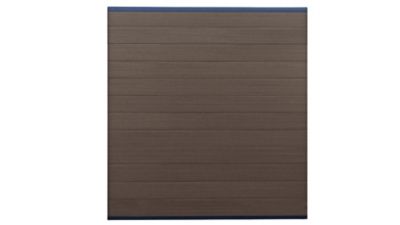
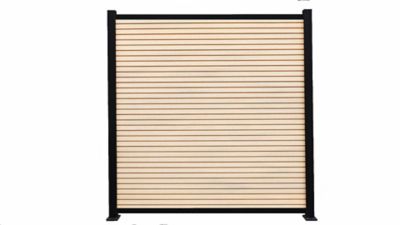
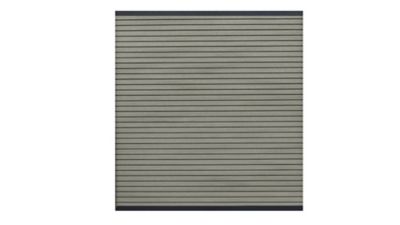
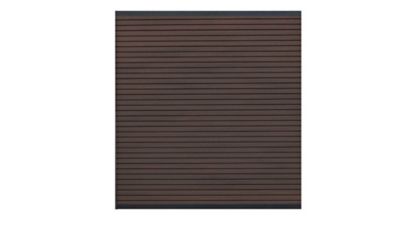
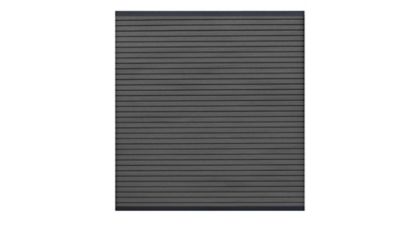
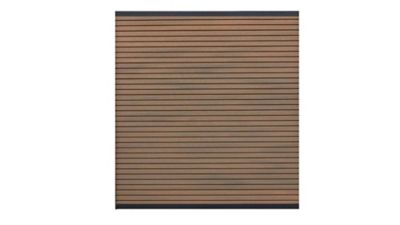
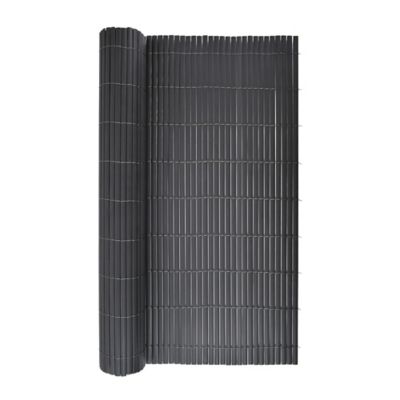
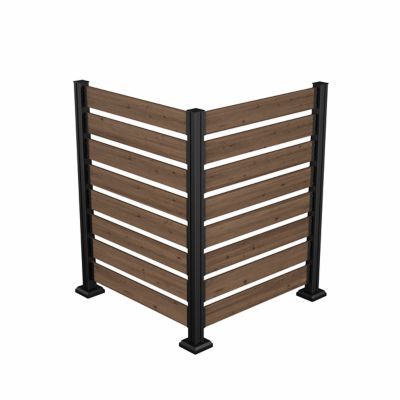
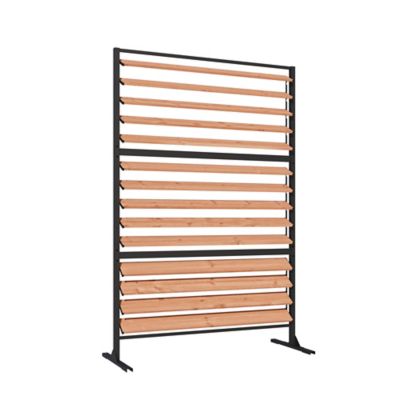
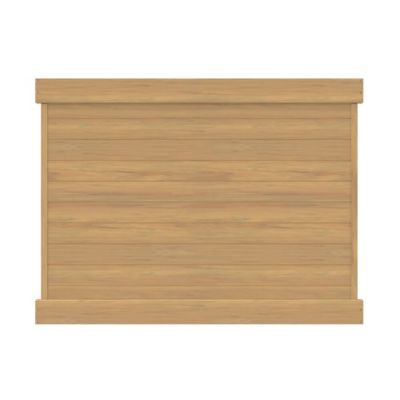
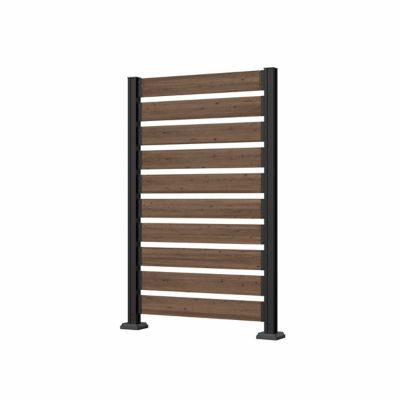
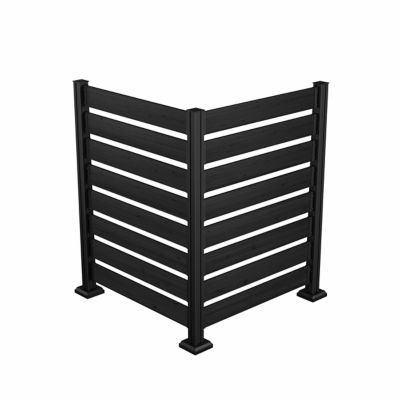
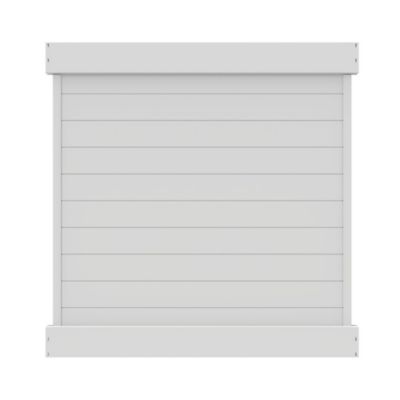
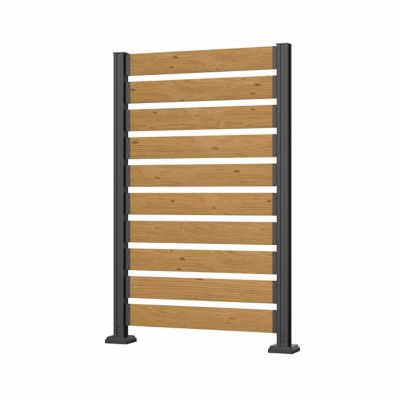
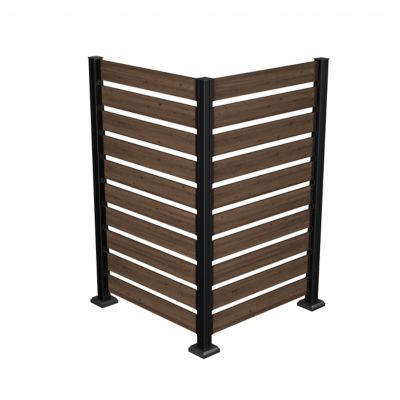
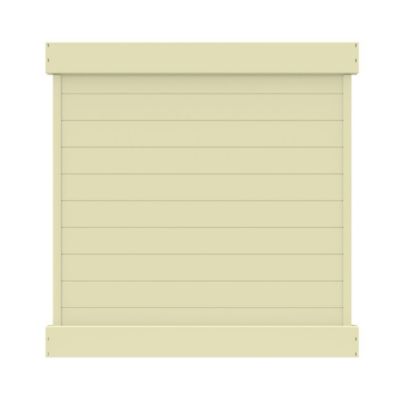
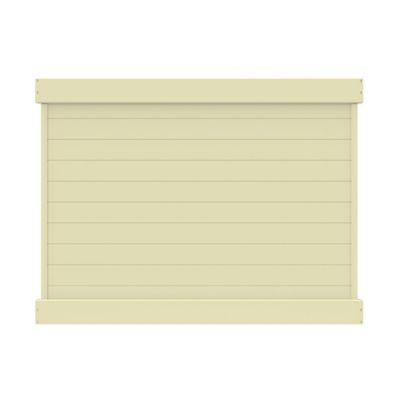
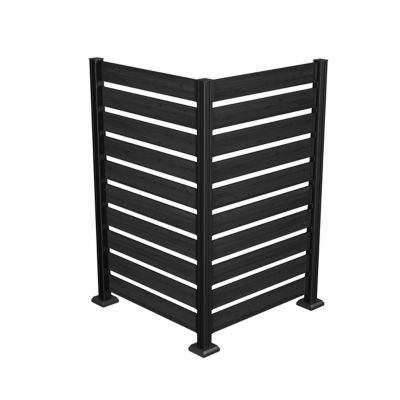
Privacy fence solutions help separate a backyard, patio, or work area from nearby sightlines, making everyday spaces feel a little more tucked away. The main choices include wood fencing, vinyl panels, composite fencing, metal panels, and chain-link fencing fitted with privacy slats or screening. Each brings a different look and level of upkeep to the property. Wood fits comfortably beside a farmhouse, garden, or gravel lane, with cedar offering natural resistance to decay and pressure-treated lumber providing protection against rot when properly specified for its placement. Vinyl offers a consistent surface without routine staining, while composite combines wood fibers and plastic in a material that often needs no paint or stain. Metal panels provide an opaque barrier with a crisp profile, though panel edges, protective finishes, and compatible framing deserve attention. For an existing chain-link enclosure, fitted slats can reduce visibility without replacing the entire fence, provided the posts and framework can support the added load. Fence style matters just as much as material. Stockade designs place vertical boards close together, overlapping board-on-board layouts help cover gaps, and tongue-and-groove panels join along their edges for close coverage. Shadowbox fencing alternates boards on opposite sides of the rails, allowing more airflow but leaving some angled views through the fence. Horizontal boards create long, clean lines, with privacy depending on board spacing rather than their direction. Comparing
Privacy Fencing Panels brings those differences into focus, especially when matching the fence to a porch, outbuilding, or neighboring boundary. A solid-looking fence is not necessarily completely opaque from every angle, and wood can develop small gaps as it dries and moves. For a seating area beside the house, close coverage may matter most; along a garden boundary, a more open layout may provide enough separation without making the space feel boxed in. The right balance comes down to which views need blocking and how the space gets lived in.
A good fit starts with the relationship between the fence, the ground, and the openings that keep a property working. Six-foot fencing is common around backyards, but allowable height, setbacks, and placement vary by local rules, neighborhood requirements, and the fence’s position on the lot. A side boundary beside a driveway may need a different layout from a back fence behind a patio, particularly where clear views are important for entering the road. Panel width and post spacing need to match the chosen fencing system; trimming a panel is not always possible without affecting its construction or warranty. Sloped ground adds another consideration. Stepped panels leave a stair-step top line and may create larger openings underneath, while rackable panels can follow a grade within their stated limits. Those bottom gaps matter around small pets, garden beds, and areas where loose objects might pass beneath the fence. Posts, rails, brackets, and fasteners form the working structure behind the finished face, so their dimensions and material compatibility deserve as much attention as the panel itself. Ground-contact wood needs the proper treatment rating, and wood preservatives can call for particular fastener coatings or stainless steel hardware. Vinyl and composite systems may require specified inserts, rails, or expansion clearances rather than a mix of unrelated parts. Gates bring another set of measurements into play: the clear opening must accommodate whatever passes through, whether that is a wheelbarrow, riding mower, utility cart, or tractor attachment. Hinges, latches, and gate posts need to suit the gate’s weight and span, with enough clearance for smooth movement. A broad gate can make daily chores easier, but it also puts more leverage on its supports. Property lines, easements, and underground utilities belong in the planning conversation before any digging. Privacy fencing also needs its own structural support; it should not be expected to retain a bank of soil or carry a heavy stack of firewood. Those practical details help a fence serve the whole place, not just look right from the porch.
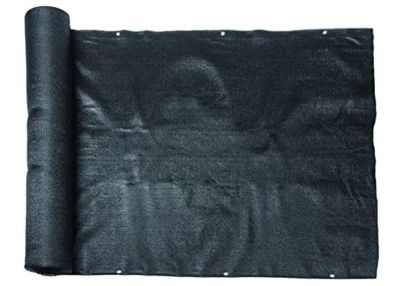
Care requirements often decide which privacy fencing material feels right over the long haul. Wood generally needs periodic inspection, cleaning, and a finish suited to the species and treatment. There is no single staining schedule for every fence: the coating instructions, surface condition, and how readily the wood absorbs water are better measures than a fixed calendar alone. Loose boards, splitting near fasteners, and deteriorating post bases are worth addressing before a small repair becomes a longer stretch of fence work. Vinyl usually calls for gentle cleaning rather than staining, with a soft brush and a cleaner approved by the manufacturer helping remove dirt without scratching the surface. Composite care depends on its formulation and finish, so abrasive cleaners and strong chemicals should not be assumed safe. Metal fencing benefits from attention to scratched coatings, exposed cut edges, and corrosion around connections. Chain-link privacy slats and fabric screens need checks for loose attachments, torn sections, and interference with gates. Screening can reduce visibility, but its stated coverage percentage does not mean every opening disappears, particularly near edges and attachment points. Across materials, keeping soil and piled mulch away from components not rated for ground contact makes inspection easier and helps limit trapped moisture. Leaving enough working room beside the fence also makes mowing, trimming, and small repairs less of a chore. Around a family yard, privacy fencing can give a picnic table or play area a clearer boundary; near a homestead work area, it can screen tool storage or separate the view of utility equipment from an outdoor gathering spot. Screening around equipment must still leave required service access and ventilation clear. Privacy fencing is not automatically a livestock enclosure, a pool barrier, or a sound barrier, and those jobs call for their own construction and safety requirements. For households with dogs, height, bottom clearance, latch placement, and climbing opportunities matter alongside visual coverage. A fence that suits both the view and the daily routine can make a property more comfortable without getting in the way of the work that happens there.