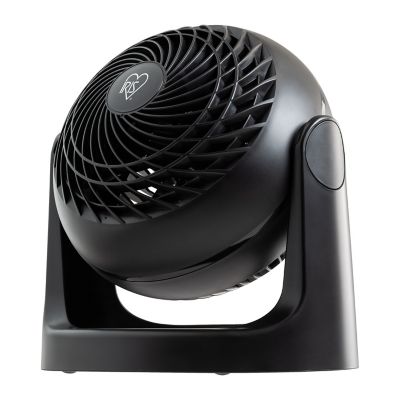
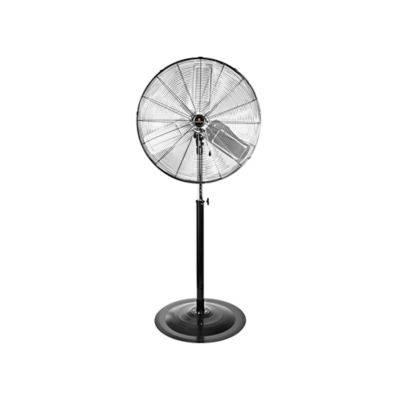
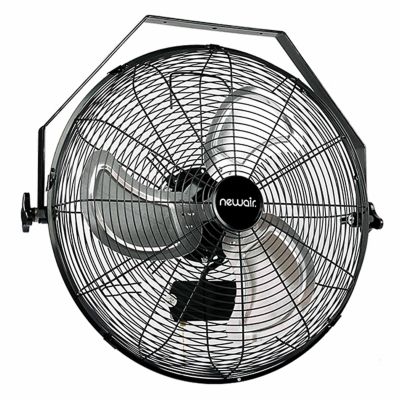
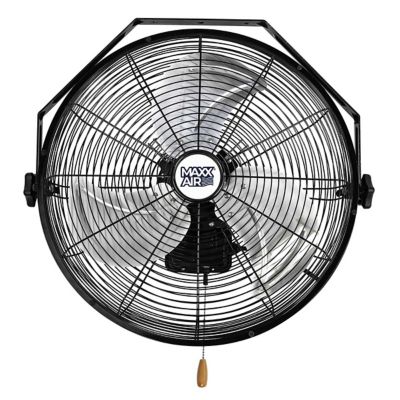
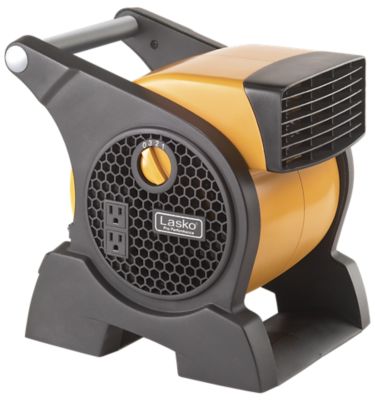
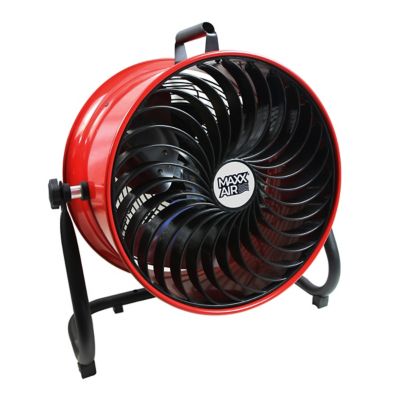
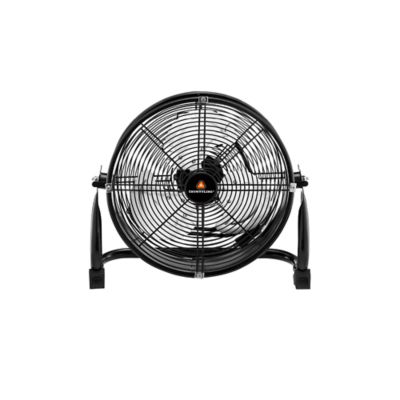
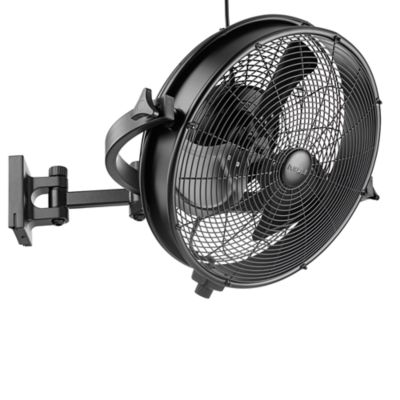
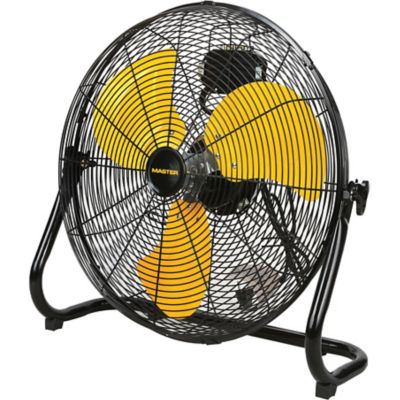
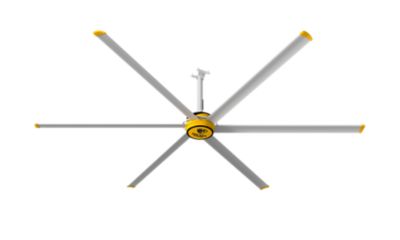
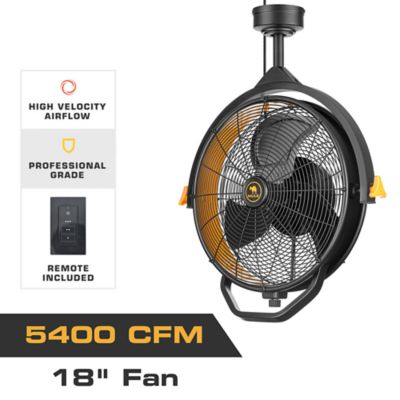
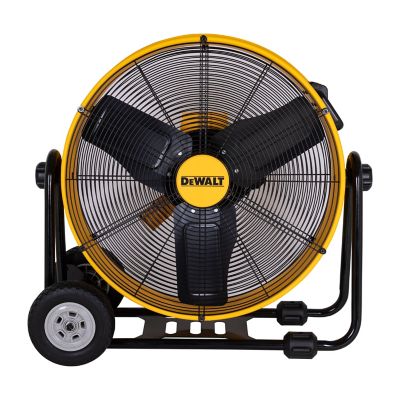
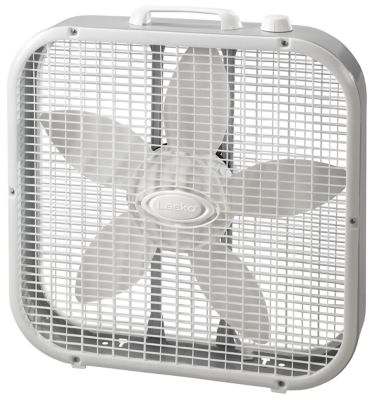
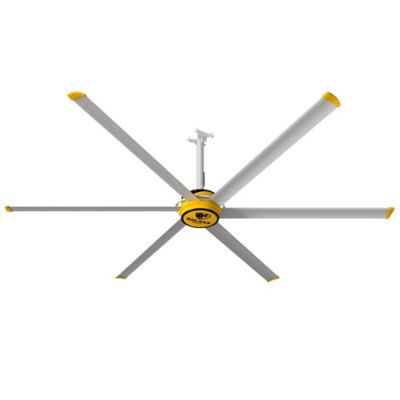
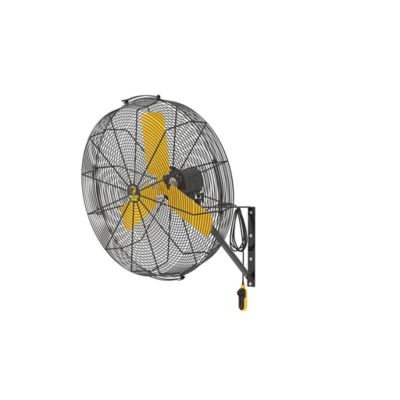
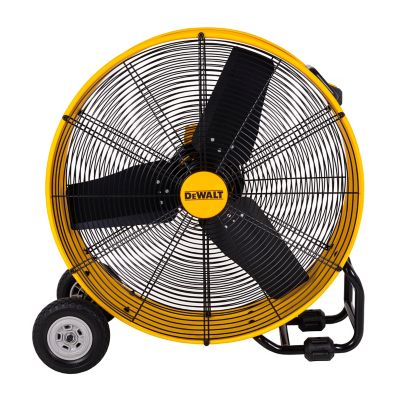
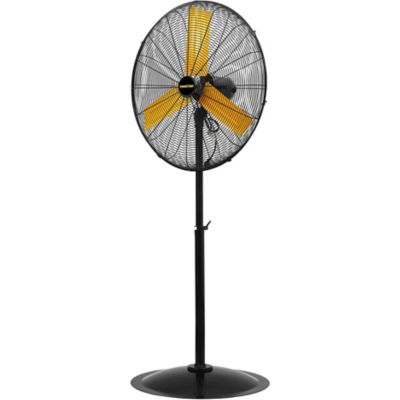
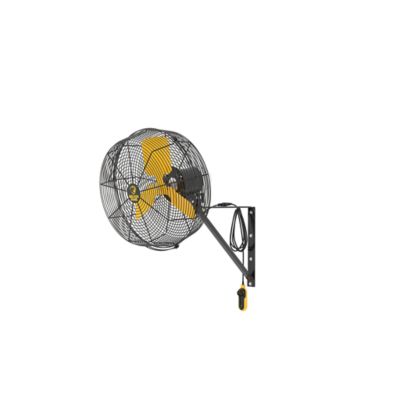
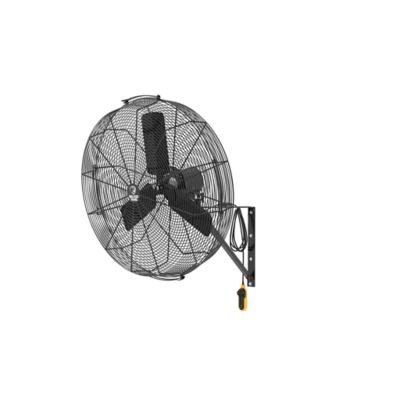
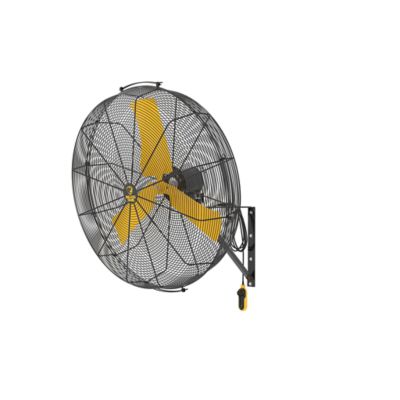
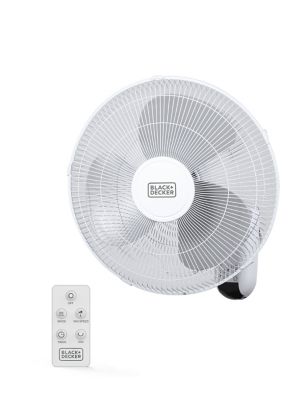
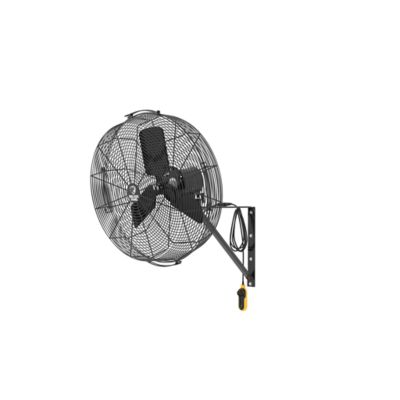
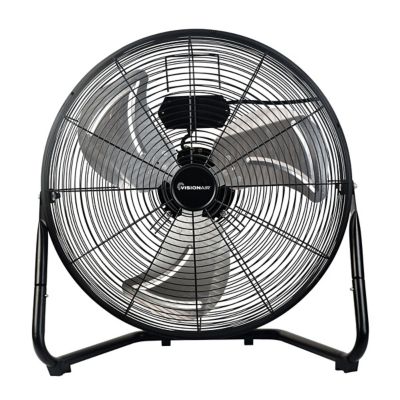
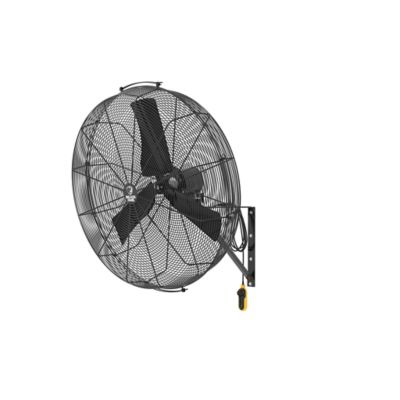
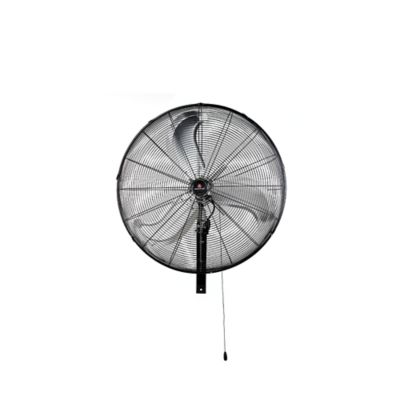
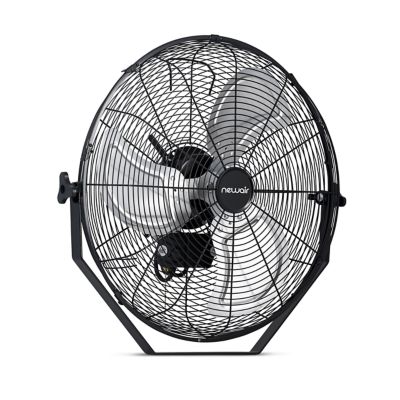
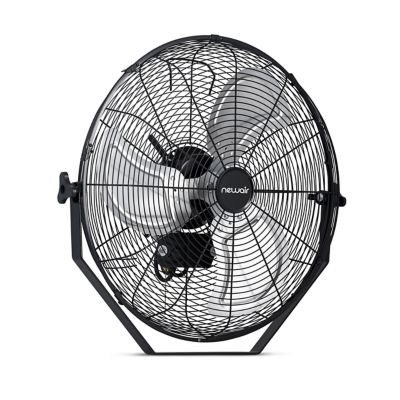
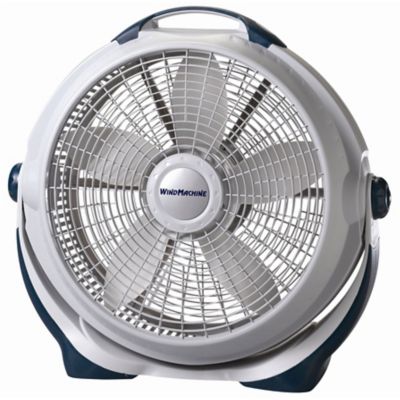
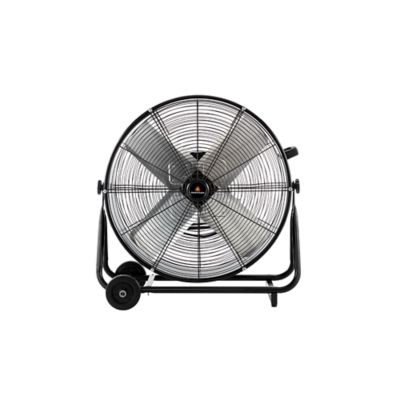
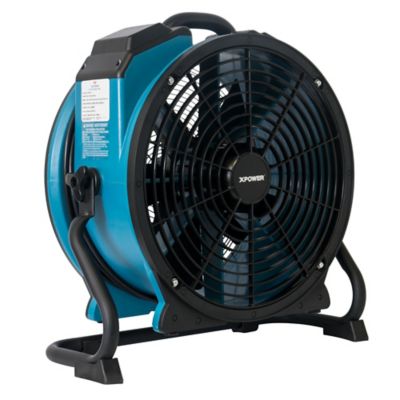
Electric fans keep air moving through homes, workshops, garages, and other everyday spaces, with styles that range from small tabletop units to large floor fans. Rather than refrigerating the air, a fan creates airflow that can help people feel cooler by supporting evaporation from the skin. That makes electric fans a practical fit beside a workbench, across from a favorite chair, or near a desk where air tends to sit still. Different shapes suit different jobs. Table fans and personal fans fit on stable desks, counters, and bedside tables, putting a breeze close to one person without taking up much room. Pedestal fans raise the airflow above floor level, and adjustable height and tilt settings help direct it toward a seated person or across an open living area. Tower fans have a tall, narrow shape that fits neatly alongside furniture, while oscillating designs sweep airflow from side to side instead of keeping it aimed at one spot. Box fans have a broad, square profile that works well in many household settings, though placement still needs to follow the manufacturer’s directions. Window fans are designed for compatible window openings and can bring air in or exhaust it out, depending on their configuration. Floor fans and high-velocity fans concentrate air movement closer to ground level, making them a familiar choice around work areas. Larger drum fans serve spaces where greater air movement is needed, provided the fan is rated for that setting. Wall-mount fans free up floor space and can keep the fan out of a busy walkway, but they need suitable mounting surfaces and secure hardware. The best fit comes down to the space, the people working or relaxing there, and where the airflow needs to go. A narrow home office, a roomy garage, and a livestock building each call for different construction, placement, and operating features.
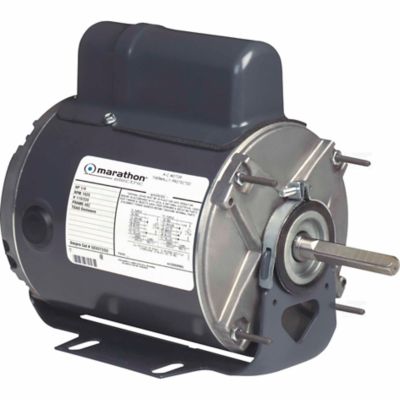
Fan performance involves more than blade diameter or the number of speed settings. Airflow may be listed in cubic feet per minute, often shortened to CFM, which describes the volume of air a fan moves over time under stated test conditions. Comparisons are most useful when ratings come from similar testing methods; the largest number alone does not explain how a breeze will feel across a particular room. Airflow pattern, distance, nearby furniture, and the direction of the fan head all matter. A focused stream may suit someone standing at a repair bench, while a wider sweep can better serve several seats around a room. Multiple speeds make it easier to adjust that airflow without moving the whole fan. Noise deserves attention, too, especially in bedrooms, shared offices, or spaces where conversation matters. Motor design, blade shape, speed, and vibration all contribute to sound, and decibel ratings are most meaningful when the testing distance and operating speed are clear. Some fans have DC motors, which can offer efficient operation and a broad range of speed adjustments, though performance varies by design. A fan generally draws less electricity than an air conditioner, but the two appliances do different jobs, so wattage is a better comparison point than broad energy claims. Materials also affect how a fan fits its surroundings. Plastic housings can keep smaller fans light enough to move between rooms, while steel housings, metal guards, and substantial bases are common on fans intended for more demanding work areas. Neither material tells the whole story: secure controls, protected wiring, a steady base, and an appropriate motor enclosure matter just as much. Around barns or agricultural workspaces, equipment needs to be specifically rated for the conditions present. Ordinary household fans are not a substitute for agricultural ventilation equipment, dust collection, or systems designed to manage hazardous fumes.
Everyday convenience often comes from the details that make a fan easy to position, operate, and clean. Carry handles help with moving portable fans between suitable locations, while cord storage can keep things tidier when the fan is put away. An adjustable head helps direct air without balancing the base on a box or tipping the housing against nearby equipment. Controls should be easy to reach in the intended spot, whether the fan sits beside a chair or mounts above a work area. Remote controls and programmable timers can be handy in living spaces, and some designs include electronic settings or app connectivity. Those features serve a different purpose from stronger airflow, so the right combination depends on how the space functions. Fit includes the whole operating footprint, not just the dimensions of the base: an oscillating fan needs room to turn without hitting furniture, curtains, shelving, or cords. Stable placement, intact blade guards, and access to a suitable outlet are important around children, pets, and busy walkways. Electrical connections and any extension cord must meet the manufacturer’s requirements, and a fan should never run with a damaged cord or loose guard. Cleaning needs vary by construction, but dust buildup on guards, blades, and motor vents can interfere with operation. Disconnecting power before cleaning and following the care directions helps protect electrical parts; removable guards should only come off when the design allows it. Fans intended for dry indoor spaces also need to stay clear of wash areas and other sources of moisture unless specifically rated for those conditions. For spaces that need added heat rather than air circulation alone,
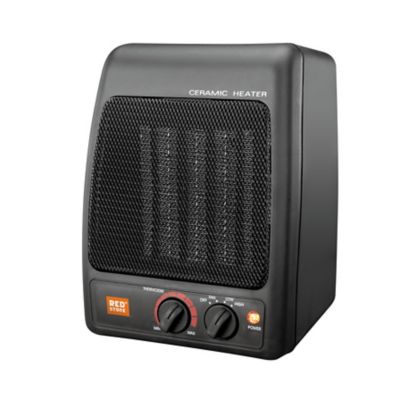
Electric Fan Heaters combine a heating element with a fan and have separate clearance and electrical requirements. Whether the setting is a quiet reading corner or a workshop with a steady stream of projects, thoughtful placement and the right operating features help an electric fan earn its place without getting in the way.