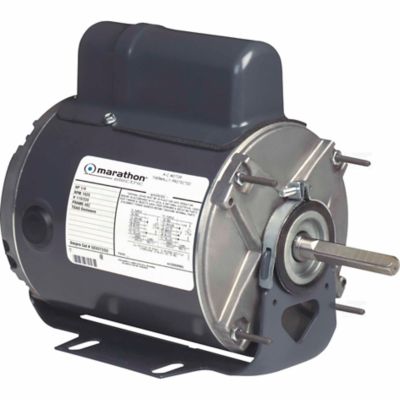
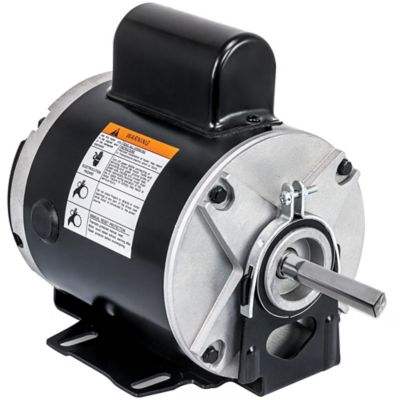
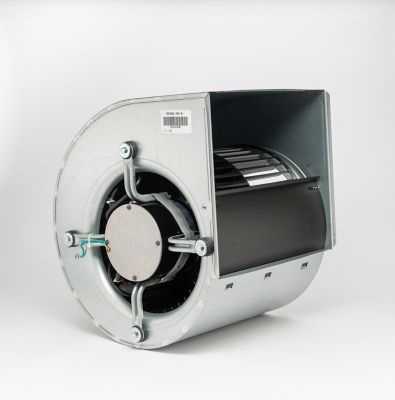
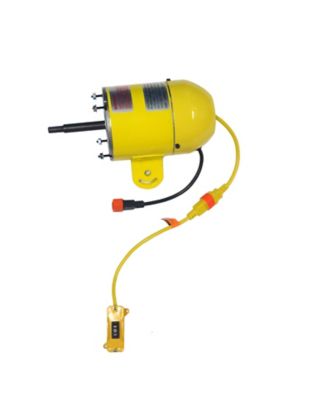
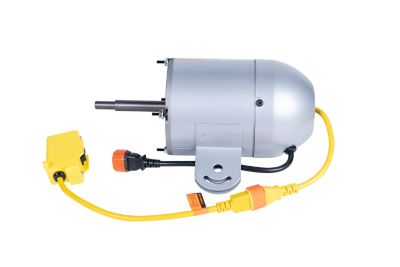
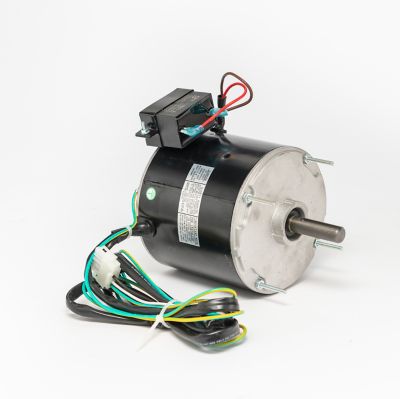
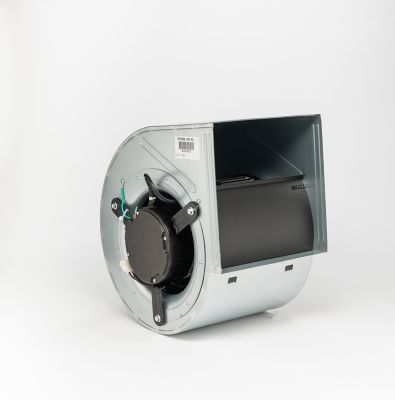
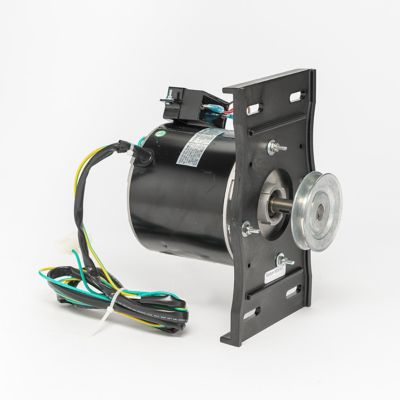
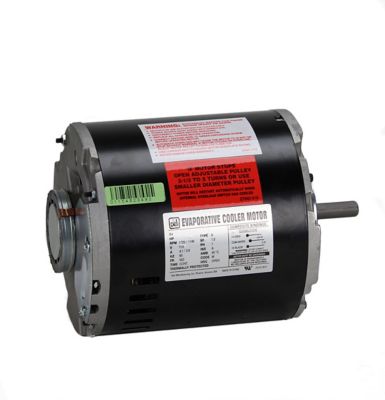
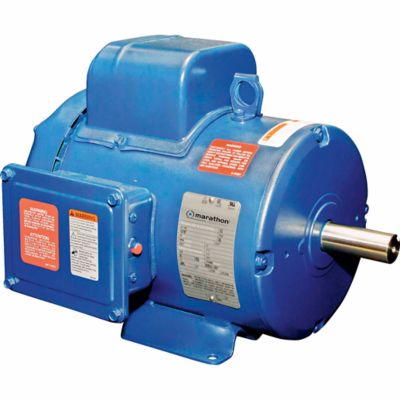
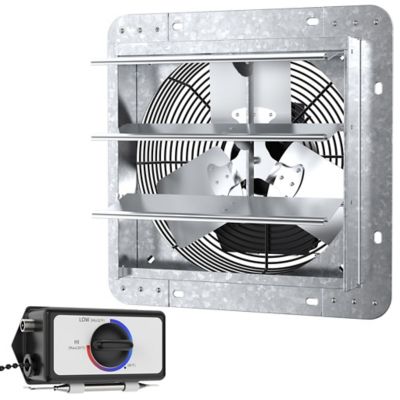
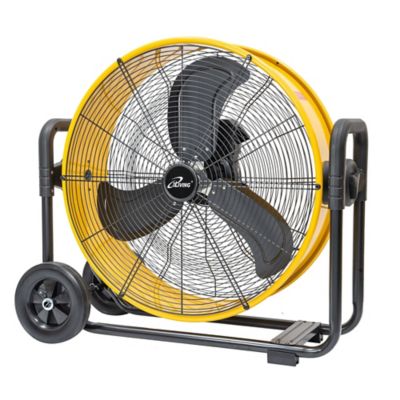
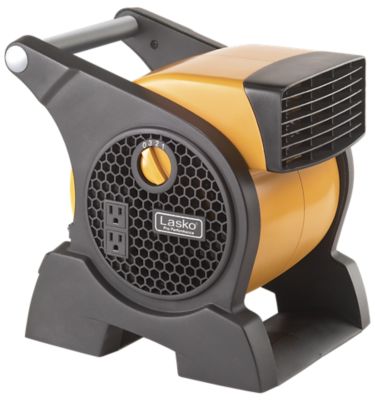
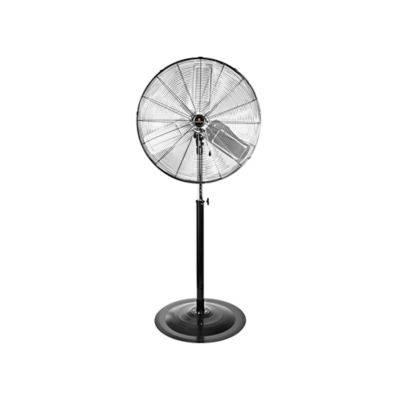
Ventilation fan motors supply the turning force that moves a fan blade or blower wheel, helping exhaust stale air, moisture, odors, and excess heat or draw replacement air into a space. They’re working parts in ventilation systems serving bathrooms, kitchens, utility rooms, workshops, and agricultural buildings. On a farm or rural property, that might mean keeping air moving through a work area where chores leave damp surfaces or helping an exhaust fan pull lingering odors from a washroom. The motor does the turning, while the blade, housing, ductwork, and openings determine how air travels through the building. That distinction matters: a replacement motor needs to work with the whole fan assembly, not simply fit inside its cover. When the housing, blade, guards, and other components remain in sound condition, replacing the motor may offer a practical way to get an existing fan back to work without changing the entire installation. For property owners, maintenance crews, and folks looking after barns and outbuildings, a compatible replacement keeps attention on the equipment already serving the space. Different systems also call for different operating patterns. Some fans run for short stretches after a room gets damp, while others handle extended operation in working buildings. Motor duty ratings help distinguish equipment intended for continuous operation from equipment with other operating limits. Single-speed and multiple-speed arrangements add another consideration, especially where an existing switch or controller is part of the setup. A speed control must suit the motor’s design; not every ventilation motor supports variable-speed operation. A motor that hums, struggles to start, or stops unexpectedly deserves evaluation, but those symptoms can also point to a failed capacitor, a binding blade, or an electrical issue. Understanding the complete assembly helps keep a replacement focused on the actual problem rather than a symptom.
Fit starts with the original motor’s specifications and the fan manufacturer’s replacement requirements. Horsepower, voltage, phase, frequency, speed, and rotation all matter, along with the motor’s physical dimensions. A mounting bracket that looks close can still leave the shaft in the wrong position, and a shaft that is slightly different in diameter or length may not accept the existing blade hub correctly. Mounting style, bolt spacing, shaft flats, and the location of electrical connections can make the difference between a straightforward fit and a part that cannot safely serve the application. Rotation deserves particular attention because directional labels may refer to a view from the shaft end or the opposite end. The motor and fan documentation should establish the intended direction rather than an assumption based on appearance. In the same way, motor speed needs to match the fan design. A faster motor is not automatically a better choice: changing blade speed can affect noise, electrical load, airflow, and stress on the assembly. Horsepower alone does not establish how much air a fan will move, either. Airflow depends on the blade or blower wheel, the housing, and the resistance created by ducts, louvers, screens, and other parts of the air path. Electrical compatibility extends beyond matching the supply voltage. Wiring arrangements, capacitor requirements, overload protection, and control compatibility also belong in the replacement decision. Where a capacitor is part of the design, its specified rating matters to proper motor operation. A replacement should follow the fan manufacturer’s requirements rather than rely on a motor that merely looks similar on the bench. Clear nameplate information and dimensional drawings are especially helpful when an older installation has limited room around the motor or a tightly positioned blower wheel. For an exhaust fan tucked above a utility room or mounted high in a shop wall, confirming those details before installation can prevent an extra trip up the ladder and keep the repair from turning into an unnecessary rebuild.
Materials and enclosure design help determine where a ventilation fan motor belongs and how it stands up to everyday work. Metal housings, protective finishes, bearing arrangements, and enclosed or open construction serve different operating environments. Open motor designs allow air to pass through the motor, while enclosed designs limit that direct exchange; neither description alone establishes suitability for every dusty or damp location. An enclosed motor is not automatically waterproof, and ordinary ventilation equipment is not a substitute for equipment specifically rated for hazardous locations. Areas involving combustible dust, flammable vapors, corrosive substances, or heavy moisture require equipment suited to those conditions. In a busy shop, even an otherwise suitable motor can struggle when lint, dirt, or debris blocks cooling passages or collects around the fan assembly. Care extends beyond the motor itself: clear louvers, unobstructed ducts, properly fitted guards, and a blade that turns freely all support normal operation. A bent blade, worn bearing, loose mount, or rubbing blower wheel can create vibration and place extra strain on a replacement motor. Bearing care also depends on construction. Some motors have sealed bearings that require no added lubricant, while others have designated lubrication points and specific service instructions. Adding oil where it does not belong can create problems rather than prevent them. Inspection and cleaning should follow the equipment instructions with power disconnected and secured against an unexpected start. Electrical connections, grounding, and any uncertain wiring are work for a qualified professional. Once installed, a well-matched motor should operate within its stated ratings without persistent vibration, scraping, or repeated overload shutdowns. For jobs that call for a complete fan rather than a motor alone, explore
Heat Ventilation Fans for related equipment. Whether the fan serves a household utility space or a hardworking outbuilding, the goal stays the same: a motor that fits the assembly, suits the job, and keeps air moving as intended.