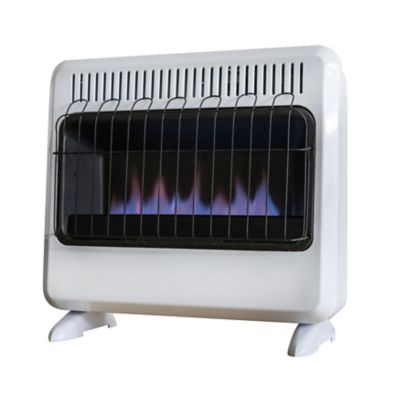
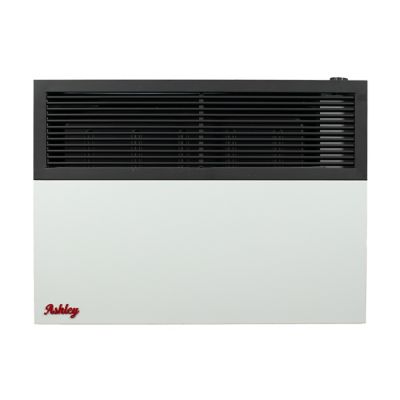
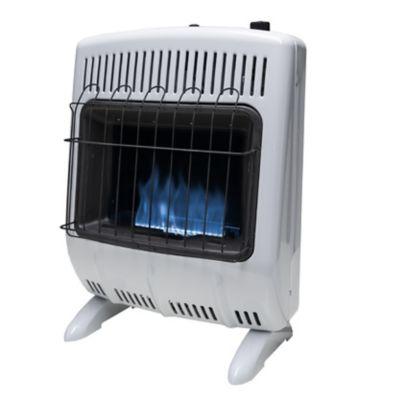
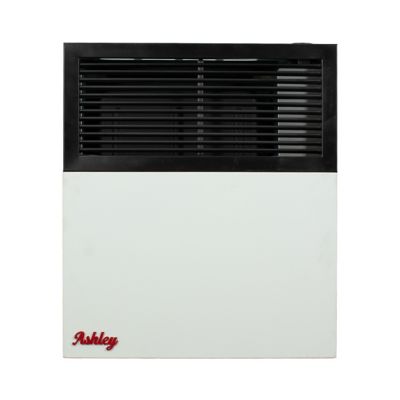
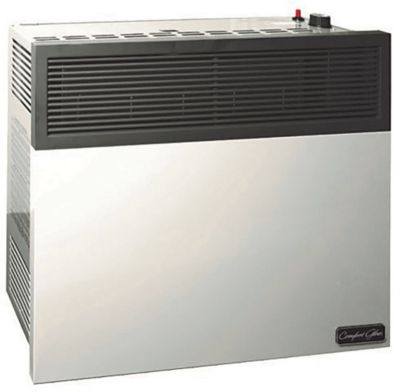
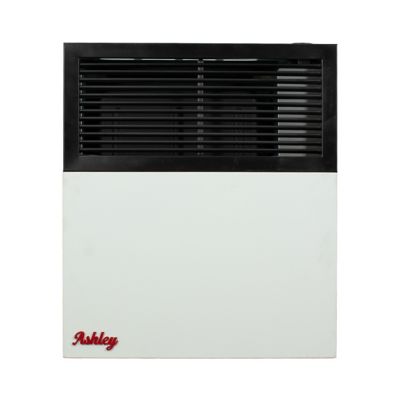
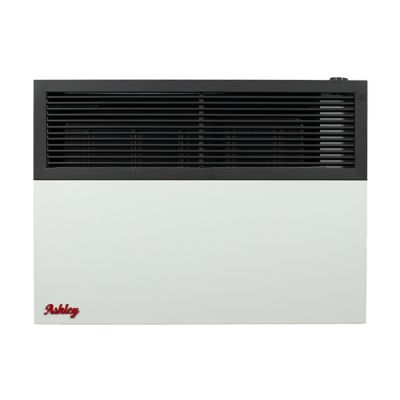
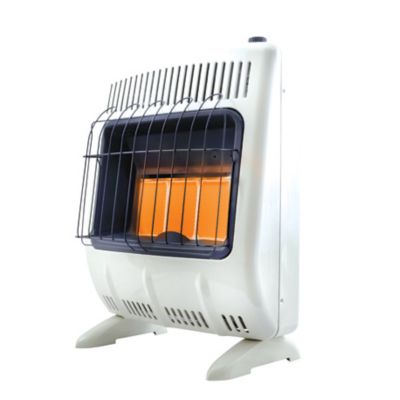
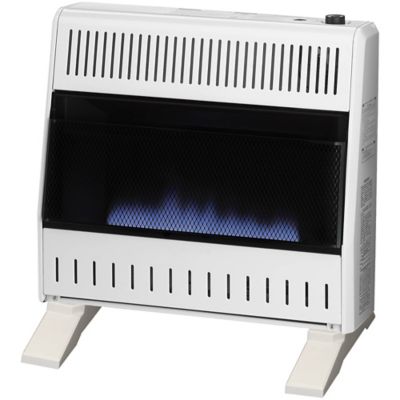
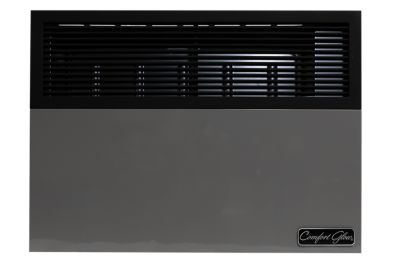
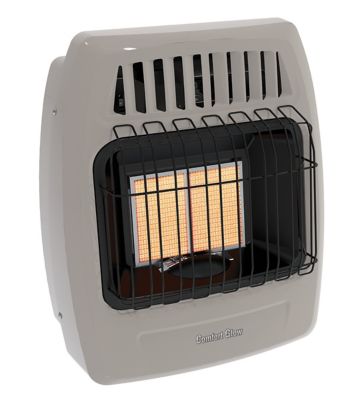
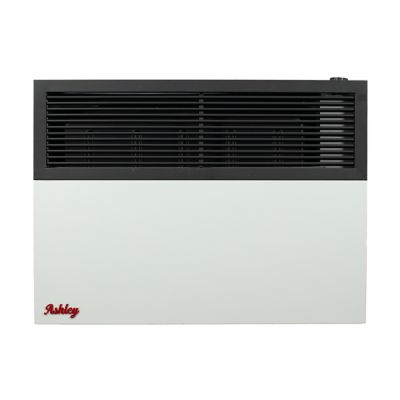
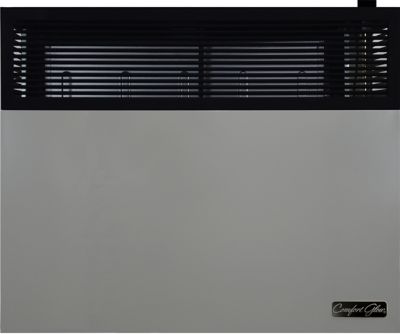
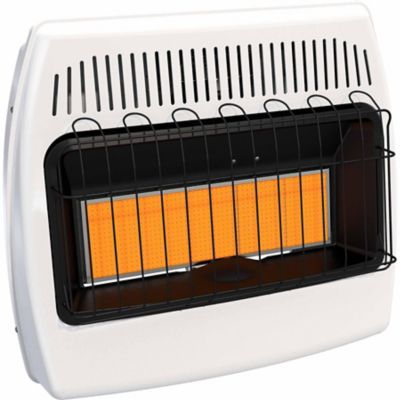
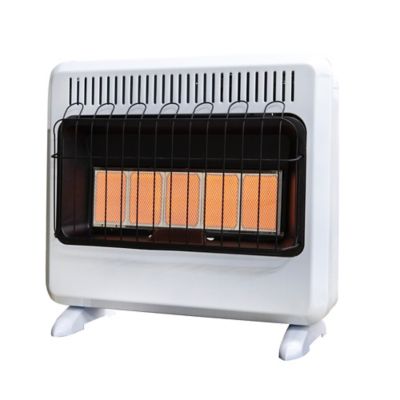
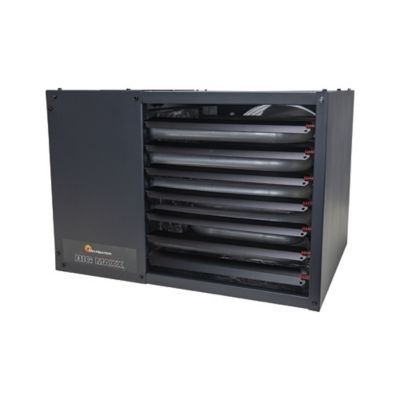
Gas wall heaters provide room-focused warmth without the footprint of a freestanding heater, making them a practical fit for homes, cabins and other spaces approved for gas heating. A wall-mounted cabinet keeps the appliance off the floor, though the area around it still needs the clearances specified by the manufacturer. That matters in a small living room with a sofa nearby, a cabin where every square foot counts or a room with curtains along an outside wall. Natural gas wall heaters connect to a compatible natural gas supply, while propane wall heaters require a properly sized propane supply and the correct regulator arrangement. These fuels are not interchangeable unless the appliance specifically permits conversion with manufacturer-approved components and professional installation. For a rural property with a propane tank already serving other appliances, fuel supply capacity is part of the fit, not just the location of the nearest line. Heating capacity is commonly expressed in British thermal units per hour, or BTU/h, and the right output depends on more than floor area. Ceiling height, insulation, window size, air leakage and local winter conditions all affect how much heat a room needs. A snug room with a low ceiling has different heating demands than an open living space with tall ceilings and drafty windows. Listed square-foot coverage provides a starting point, but it cannot account for every building. A qualified installer can assess the heating load and confirm that the gas piping can support the appliance along with other connected equipment. Wall dimensions matter, too: cabinet width, depth, mounting height and service access all influence placement. The goal is a heater that suits the room’s heating needs while leaving sensible space for furniture, doorways and everyday foot traffic. Whether the space is a place to settle in after checking fence or a cabin gathering room, intended use helps narrow the choice.
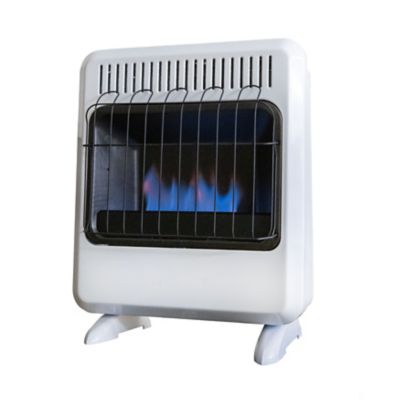
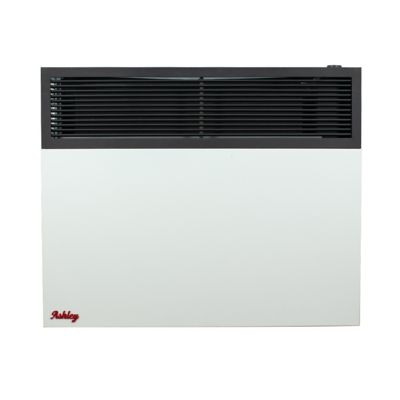
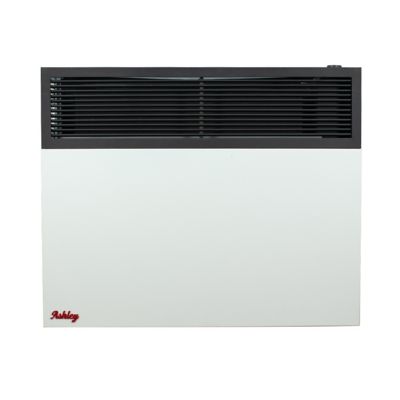
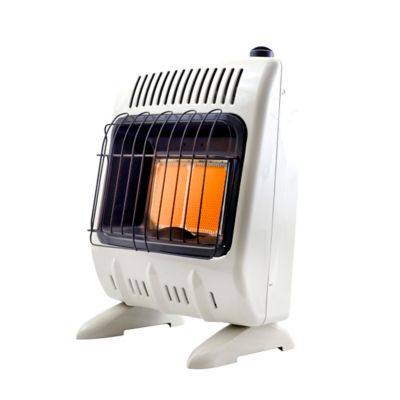
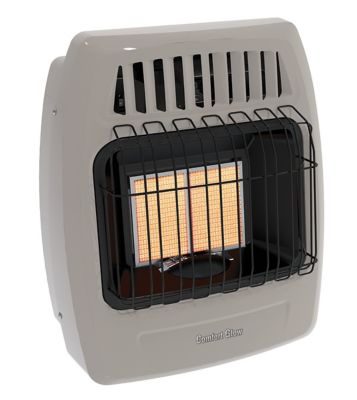
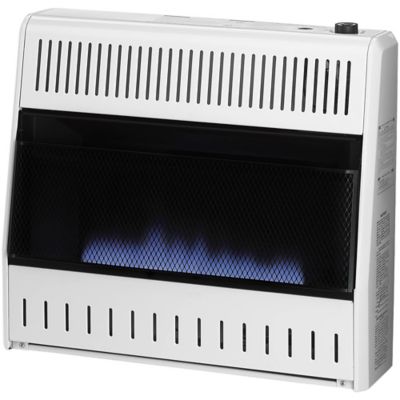
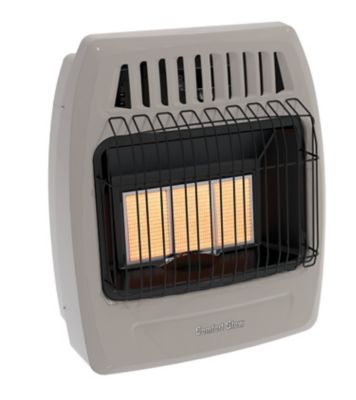
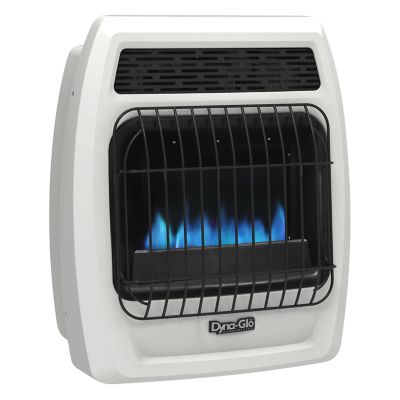
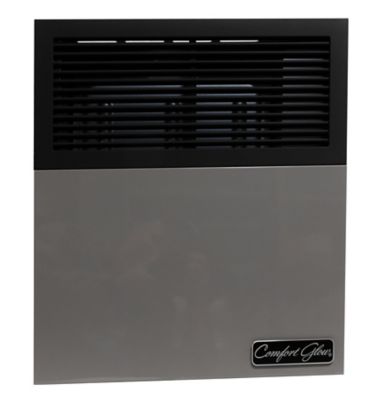
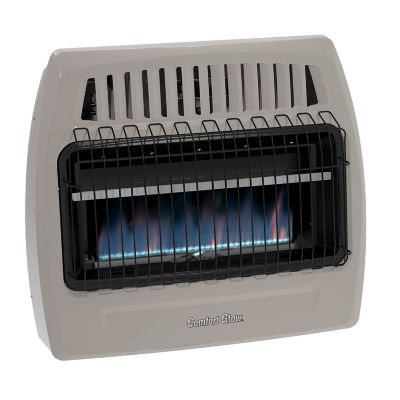
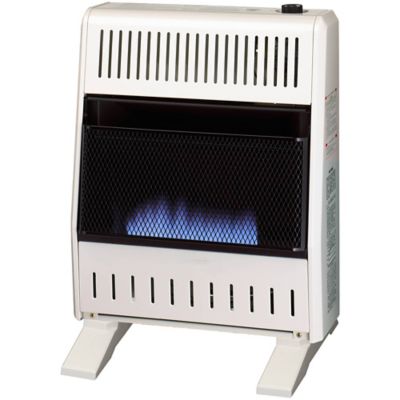
Venting is one of the biggest differences among gas wall heaters. Direct-vent gas wall heaters have a sealed combustion system that draws combustion air from outdoors and sends exhaust outside through a dedicated vent assembly. These designs generally require a suitable exterior-wall location, along with clearances around the outdoor termination. Windows, doors, building corners and nearby obstructions can affect where that termination belongs. Other vented designs may have different chimney or vent requirements, so the venting method deserves as much attention as the cabinet size. Vent-free gas wall heaters do not connect to an exhaust flue; instead, combustion byproducts and moisture enter the room. Their installation depends on local rules and the manufacturer’s requirements for room volume, ventilation, altitude and placement. Some locations prohibit vent-free appliances or restrict them in bedrooms and bathrooms. A small room is not automatically a suitable location simply because the heater fits on the wall. Vent-free models commonly include an oxygen depletion sensor that shuts off the gas supply when oxygen falls below its operating threshold. That sensor is not a carbon monoxide detector and does not replace required ventilation or working carbon monoxide alarms. Heat delivery also varies. Infrared or radiant designs direct warmth toward people and nearby surfaces, while blue-flame designs primarily warm room air through convection. Radiant warmth can feel more immediate near the heater; convection depends more on air movement throughout the space. Neither approach removes the need for proper sizing and placement. Electricity requirements vary as well. Some gas heaters can operate without household electrical power, but others need electricity for ignition, controls, fans or venting equipment. An optional blower may stop during an outage even when the burner can continue operating. For a property where backup heat matters, the appliance’s stated power requirements tell more than the fuel type alone. The venting system, controls and installation all determine whether a heater can serve that role.
Cabinet construction and controls help shape everyday comfort and upkeep. Steel housings and finishes intended for heating equipment are common, while radiant designs may include ceramic burner panels behind a protective guard. Cabinet surfaces and guards can still become hot, making placement especially important around children, pets and busy walkways. A shallow profile can help in a tight room, but it does not reduce required separation from curtains, furniture, bedding or other combustible materials. Controls range from manual heat settings to thermostatic operation, with some designs offering multiple output levels or compatibility with a separate thermostat. Easy-to-reach controls, readable markings and access for service can make a difference long after installation day. A thermostat location that reflects the occupied part of the room helps avoid a setup that responds mainly to a draft or heat trapped near the appliance. For garages and workshops, suitability must be explicitly stated by the manufacturer; gasoline vapors, airborne dust and stored flammable materials create hazards that rule out many ordinary room heaters. These appliances are not a substitute for equipment intended for agricultural buildings or other demanding environments. Installation involves more than fastening a cabinet to drywall. The wall structure, mounting hardware, gas connection, pressure requirements and any vent components need to meet the appliance instructions and local code, with gas connections and leak testing handled by a qualified professional. Ongoing care generally includes keeping air openings unobstructed, removing surface dust as directed after the heater cools and arranging professional inspection of the burner, pilot, safety controls and venting. A heater that stays accessible is easier to inspect than one boxed in by shelving or stacked belongings. Gas heat is one option within the broader
Wall Heaters category, with fuel supply, venting and room layout shaping the right fit. Matching those details to the property supports comfortable room heating without crowding the spaces where everyday life happens.