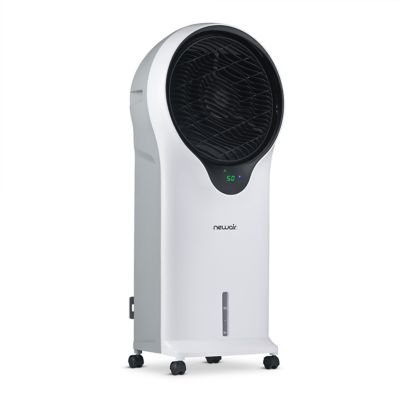
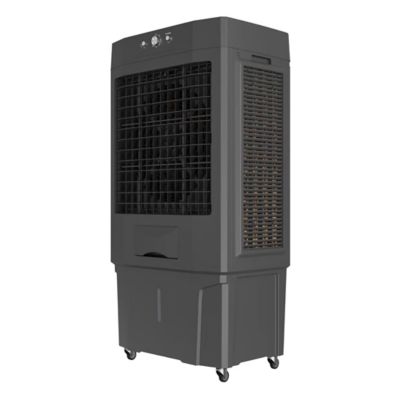
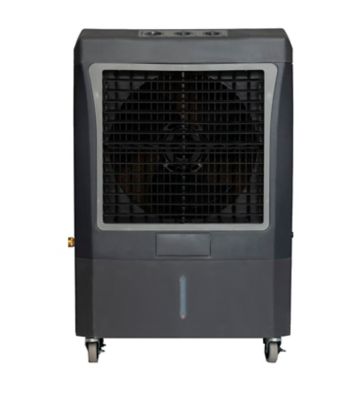
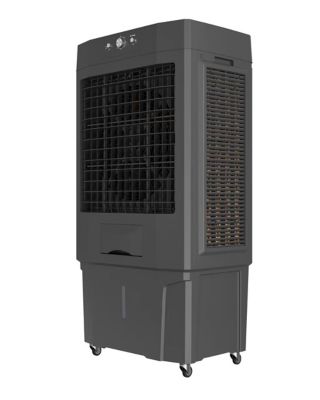
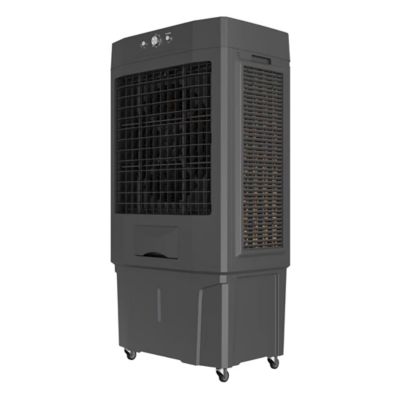
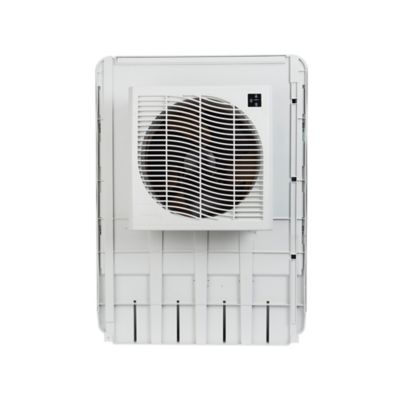
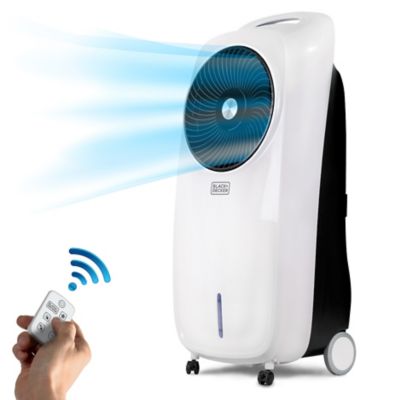
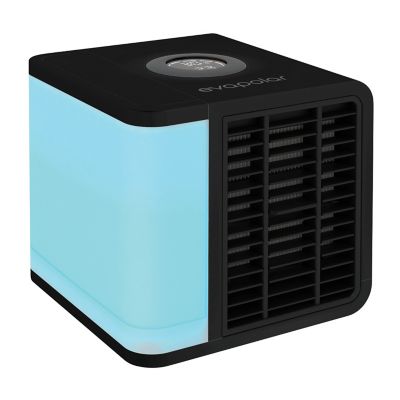
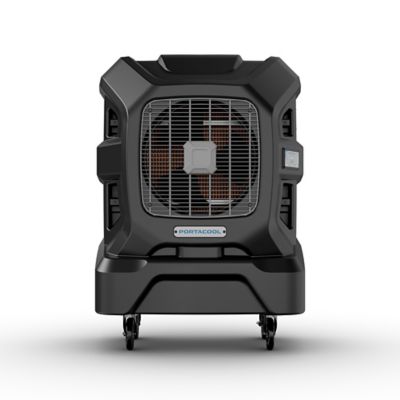
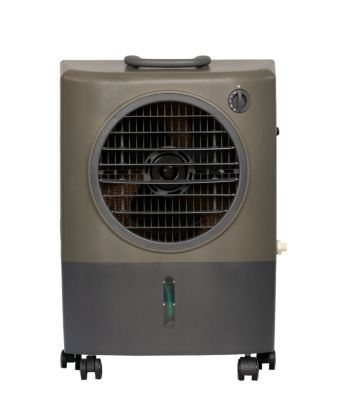
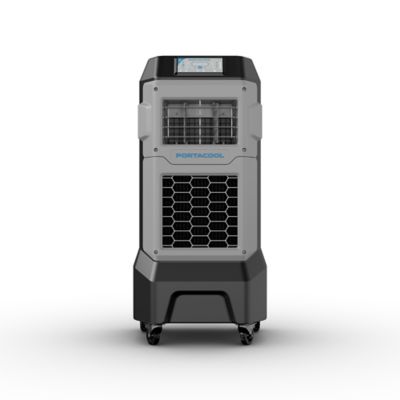
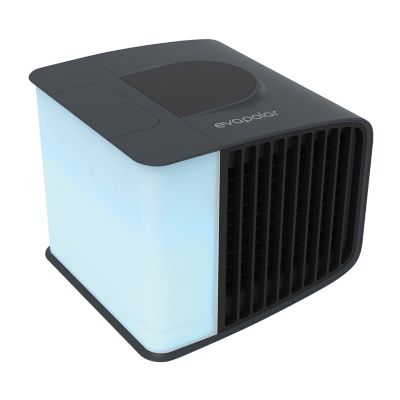
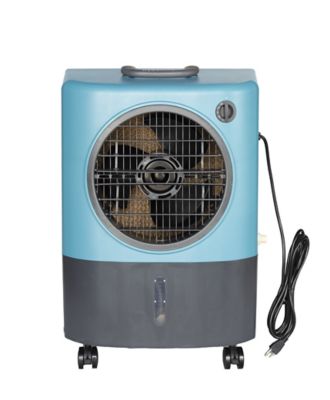
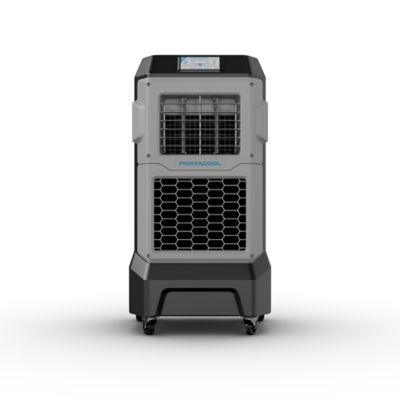
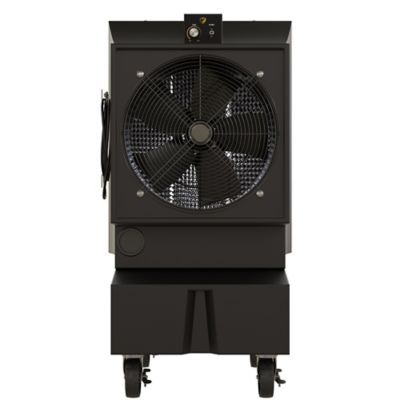
Evaporative coolers for dry climates cool the air by drawing it through water-soaked pads, where evaporation absorbs heat before a fan sends the cooled air into the surrounding space. Often called swamp coolers, they work best in hot, dry conditions, typically when relative humidity is below about 50%. Cooling performance generally drops as humidity rises toward 50% to 60%, and the difference becomes especially noticeable in enclosed spaces where moisture builds up. That makes these coolers a practical fit for many arid and semiarid areas, including places where an afternoon in the garage or an open-sided workshop can get uncomfortable fast. Unlike refrigerated air conditioners, evaporative coolers add moisture to the air and need a steady path for fresh air to enter and damp air to leave. A suitable open window, doorway or exhaust opening helps keep that air moving rather than trapping it inside. In the right conditions, the result is a cooler breeze across a workbench, a shaded patio seating area or a spot where chores keep someone on their feet. Actual temperature reduction depends on outdoor temperature, humidity, airflow and the condition of the cooling media, so a stated cooling range is not a promise for every setting. These coolers are also different from ordinary fans: a fan moves air, while an evaporative cooler combines airflow with the heat-absorbing action of water evaporation. Most direct evaporative models do not need a refrigeration compressor, although electricity use varies with motor size, speed and operating time. For folks working around a small acreage, tending a home shop or spending time on a covered porch, the appeal is straightforward: directed cooling where people gather or work, provided the surrounding air is dry enough for evaporation to do its job. A shaded location with an unobstructed air supply can help, while a tightly closed, damp room works against the cooling process.
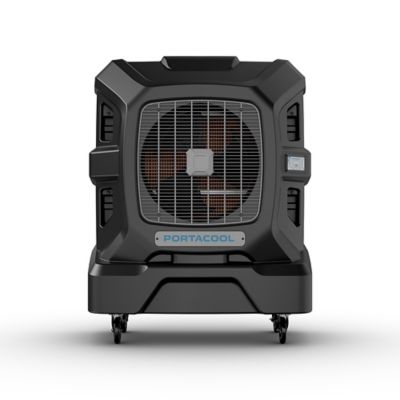
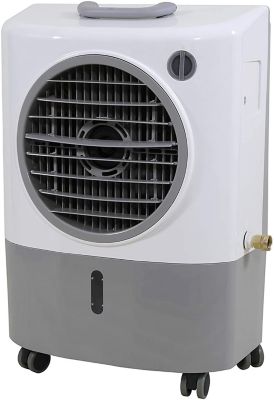
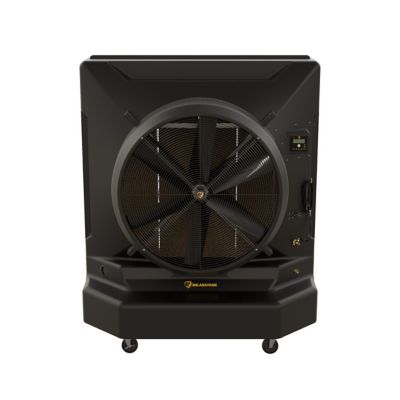
Matching an evaporative cooler to its setting involves more than choosing the largest fan or the biggest water tank. Airflow, often listed in cubic feet per minute, or CFM, describes how much air the fan moves; stated coverage gives another point of comparison, but ceiling height, open doors, sun exposure and the shape of the space all affect the result. A garage with a tall ceiling and a wide-open bay has different needs than a small hobby room with a window for exhaust. Outdoors, the cooled breeze is most noticeable along the airflow path rather than evenly across an entire yard. Someone standing at a potting bench or taking a break beside the barn may benefit more from well-placed airflow than from a broad coverage claim. Adjustable louvers, fan speeds and oscillation can help direct that breeze, while the cooler’s height determines whether the air reaches seated guests, a standing worker or the space beneath a bench. Footprint matters, too. A unit needs room around its intake and should not crowd a walkway, block a door or sit where equipment can bump it. Portable designs with handles and casters can make repositioning easier, but a full water tank adds considerable weight, and wheels that roll smoothly on concrete may be harder to manage over gravel. Housing materials also deserve a look. Molded plastic resists rust and can keep weight down, while metal housings may offer a different balance of strength, weight and finish care. Either way, joints, handles, wheel attachments and access panels affect how well a cooler stands up to everyday handling. Tank openings, visible water levels and accessible pads can make routine upkeep less of a chore. For patios, livestock work areas or open sheds, electrical suitability and protection from rain or splashing must match the model’s stated rating. An evaporative cooler can improve comfort in an appropriate space, but it does not replace required ventilation, dust collection or heat-safety measures for people and animals.
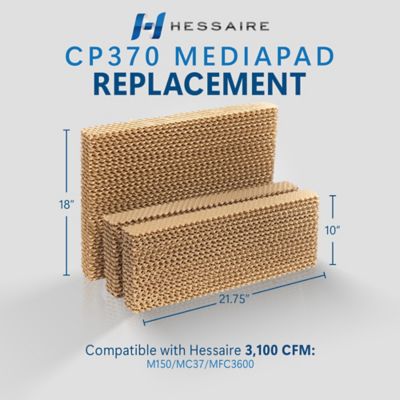
Water supply and regular care play a big part in how an evaporative cooler performs over time. A larger reservoir can lengthen the stretch between refills, although actual run time depends on heat, humidity, fan speed and water flow. Some designs accept a hose connection for ongoing filling, which calls for a suitable water source, secure fittings and attention to the float valve and overflow provisions. A level surface helps the reservoir and pump operate as intended. Water hardness matters as well: minerals left behind during evaporation can collect on pads, pumps and distribution openings, reducing water flow and leaving parts of the cooling media dry. Dust from a shop floor, nearby gravel drive or open shed can also settle on intake surfaces. Accessible filters and removable pads make inspection and cleaning more manageable, especially where a cooler runs near daily chores. Cooling media may include rigid cellulose pads or other absorbent materials, and replacement size, thickness and fit need to match the equipment rather than simply looking close. Compatible
Evaporative Cooler Parts can help support routine upkeep when pads, pumps, hoses or fittings need attention. Fresh water, regular reservoir cleaning and drying between extended periods of nonuse help limit odors and buildup; cleaning products and treatment additives should be suitable for the equipment and its cooling media. Before storage or exposure to freezing conditions, draining the tank, pump and water lines helps prevent trapped water from damaging components. Power should be disconnected before cleaning or servicing, and cords belong out of wet areas and travel paths. For a shop that stays busy from morning chores through evening repairs, practical details such as reachable controls, manageable fan noise and straightforward tank access can matter as much as airflow. A cooler matched to the space, supplied with clean water and given room to breathe is better positioned to deliver the steady, refreshing airflow that makes dry-climate work and gathering areas more comfortable.