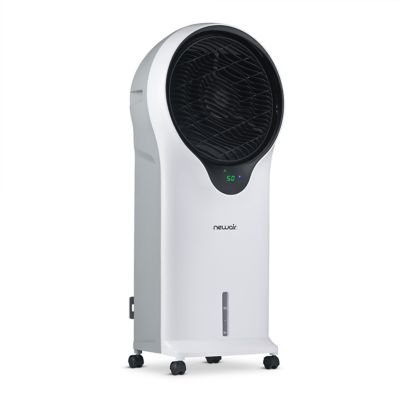
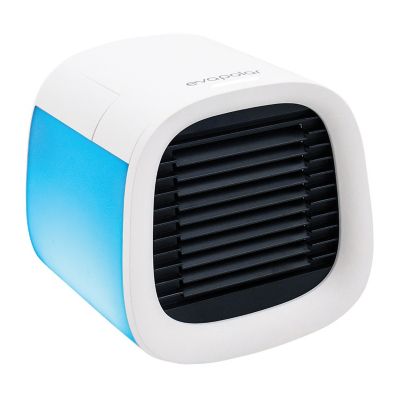
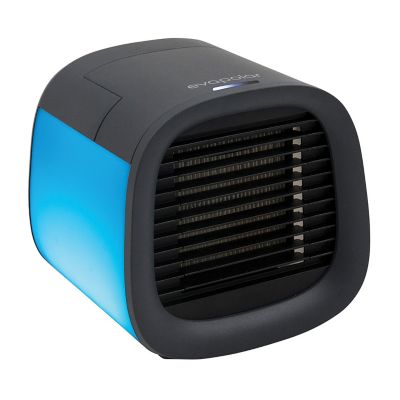
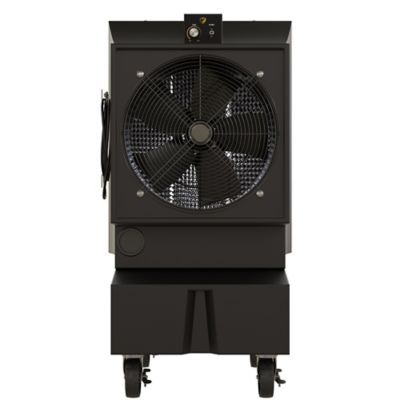
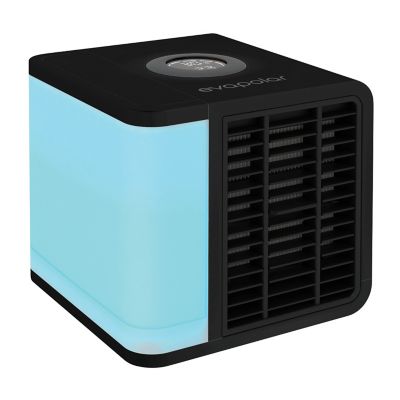
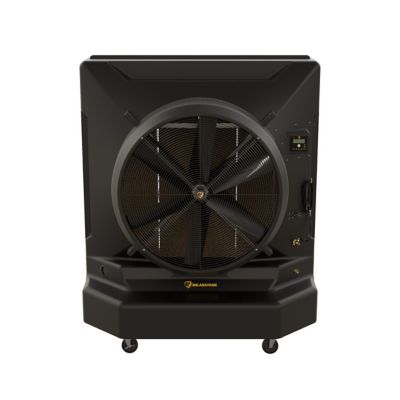
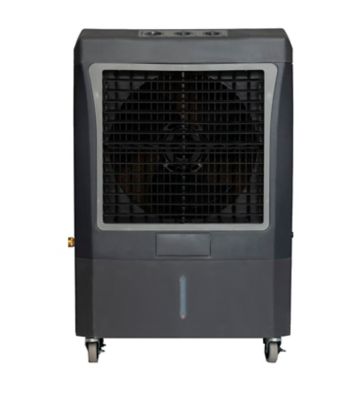
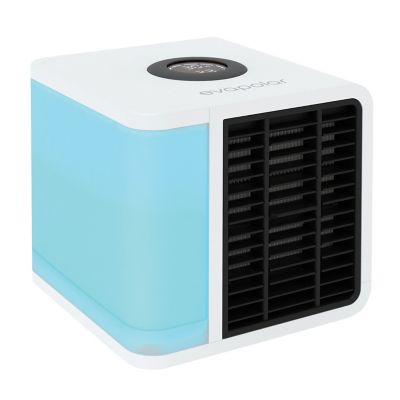
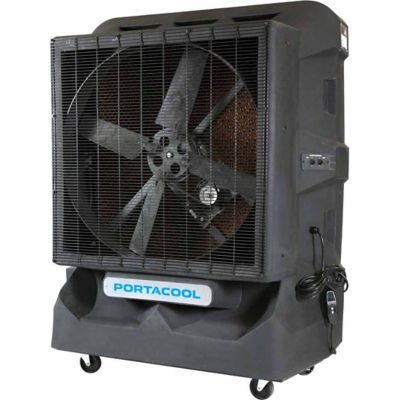
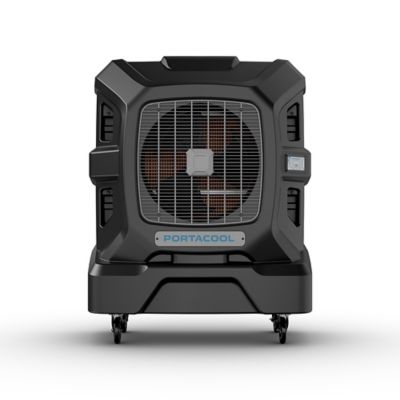
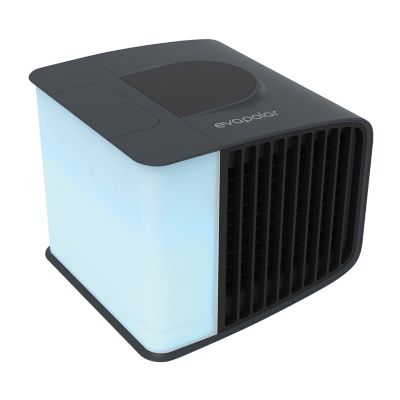
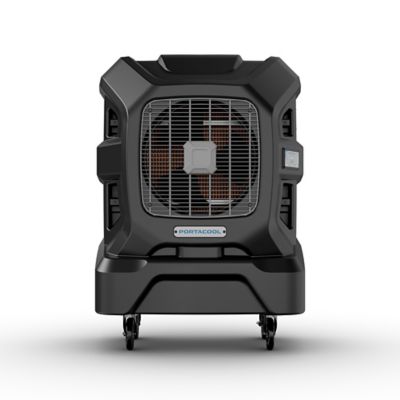
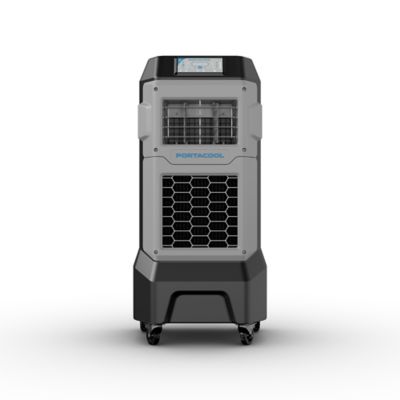
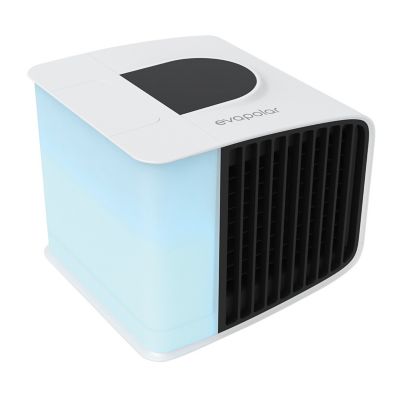
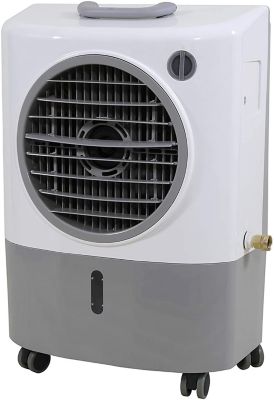
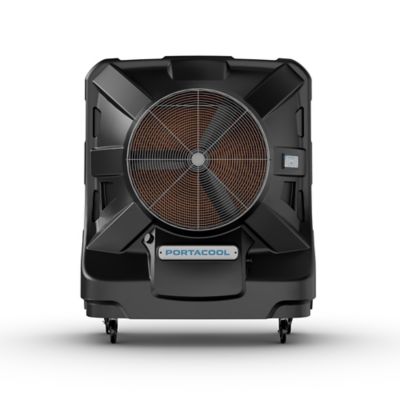
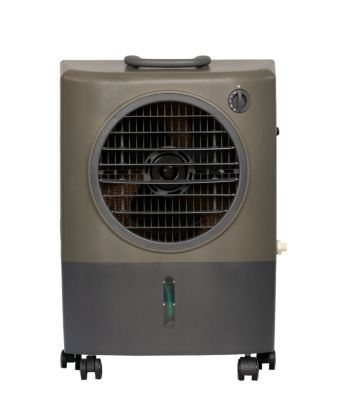
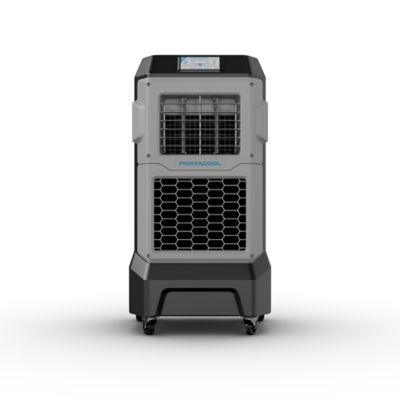
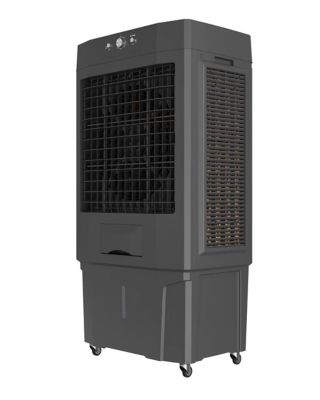
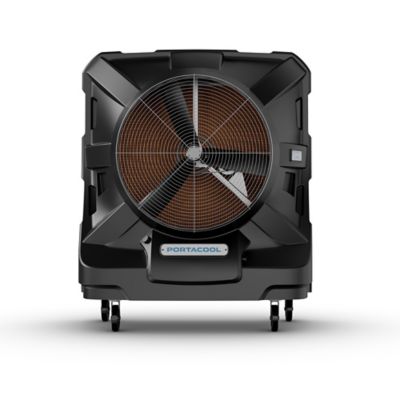
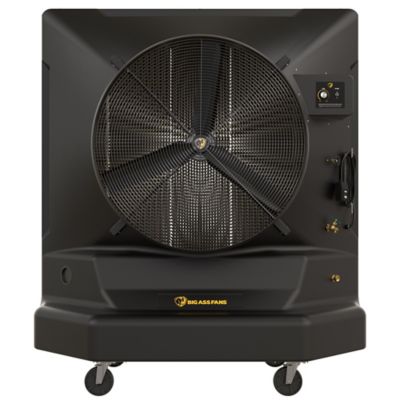
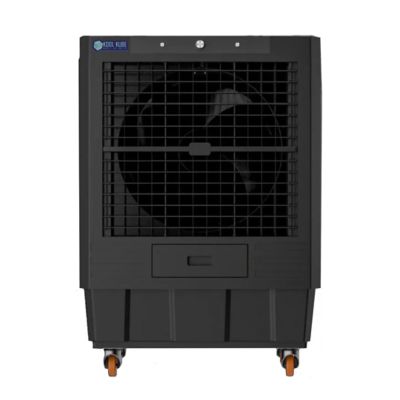
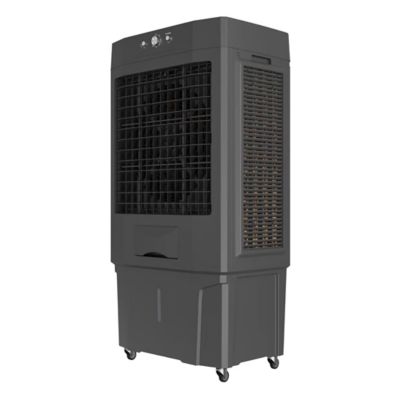
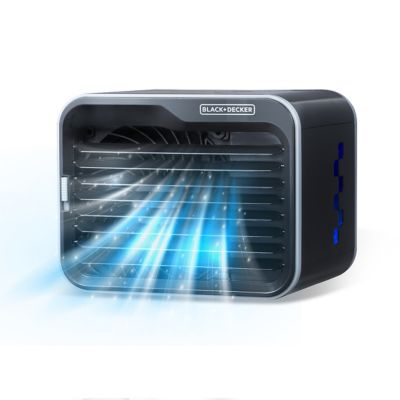
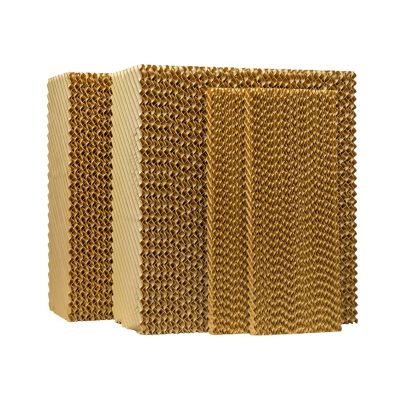
Evaporative coolers bring water-based cooling to spaces where moving air alone may not be enough, from a garage workbench to a covered patio or a well-ventilated farm shop. Also called swamp coolers, they draw warm air through water-soaked cooling pads, sometimes called media. As part of that water evaporates, it absorbs heat from the passing air, and a fan sends the cooler, more humid air toward the surrounding space. The process does not require a refrigeration compressor or chemical refrigerants for cooling. With a fan and water pump doing the work, electricity use is generally lower than with compressor-based air conditioning, although power needs vary by size and design. These coolers perform best in hot, dry conditions, where the air can readily absorb more moisture. High humidity limits evaporation and reduces the cooling effect, so the same cooler can feel noticeably different in a dry workshop than on a muggy porch. The temperature of the incoming air, its moisture content, and the condition of the cooling pads all influence performance. Unlike an air conditioner that removes moisture and works best with the space closed up, an evaporative cooler needs a path for fresh air to enter and humid air to leave. An open garage door or properly planned ventilation can make that distinction especially important. Recirculating air through a tightly closed room allows moisture to build up and reduces cooling performance. Portable evaporative coolers often make the most sense for spot cooling: keeping air moving across a repair bench, a packing table, or a seating area rather than holding an entire building at a precise thermostat setting. For someone spending hours sorting hardware, tending equipment, or tackling projects in a ventilated outbuilding, that steady stream of cooled air can make the immediate work area more comfortable. They are not a substitute for refrigerated air conditioning where humidity control or a consistently low indoor temperature is essential.
The range of evaporative coolers includes portable floor-standing designs, larger mobile equipment, and fixed window or duct-connected systems. Each format fits a different kind of space and routine. A portable cooler can move between work areas when its casters, handles, and overall dimensions suit the route, while a fixed installation calls for a suitable opening, structural support, and the right electrical and water connections. Doorway width, floor conditions, and clearance around the air intake matter just as much as the spot where the cooler will sit. Airflow ratings, usually expressed in cubic feet per minute, or CFM, describe how much air the fan moves. They help with comparisons, but rated coverage also depends on ceiling height, ventilation, humidity, and the layout of the space. A shop with tall rafters and an open equipment bay presents a different job than a small garage with one open door. Shelving, parked machinery, and stacked supplies can block the air stream, making outlet direction and adjustable louvers useful considerations. Multiple fan speeds allow a gentler breeze near a seating area or stronger airflow across a busy workspace. Water capacity affects how often a reservoir needs attention, but a larger tank does not automatically mean stronger cooling. Runtime varies with fan settings, conditions, and the rate of evaporation. Some designs allow manual filling, while others support a continuous hose connection and a float valve. Low-water indicators and pump shutoff features can help manage daily operation when included. Housing materials also shape the fit for the job. Molded plastic housings avoid metal rust on the body and may be easier to move, while metal cabinets call for attention to their finish and exposure to moisture. Sturdy handles, supported casters, accessible fill openings, and removable media panels are worth a close look in a working shop. Fan sound matters, too, particularly where people need to talk across a bench. Electrical ratings and the approved operating location should match the setting; a cooler intended for indoor operation does not become suitable for rain simply because it has wheels.
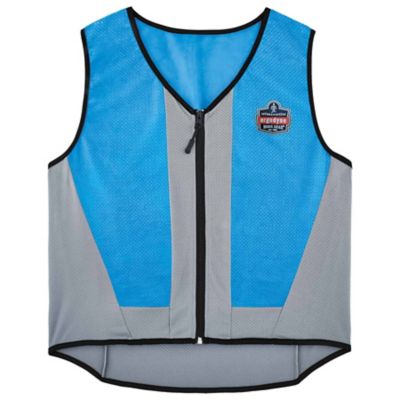
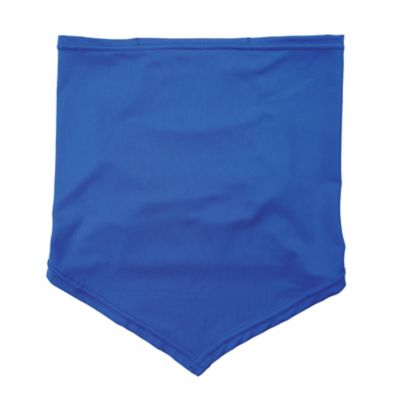
Regular care centers on the water system, cooling media, and unobstructed airflow. Dust from a gravel drive, sawdust around a workbench, and airborne debris near an open shop door can collect on intake screens and pads. Accessible screens and media panels make routine cleaning less of a chore, especially where the cooler runs near everyday farm and workshop traffic. Water with a high mineral content can leave scale on pads, pumps, and reservoir surfaces as evaporation continues. Heavy buildup can restrict water flow and reduce the wet surface available for cooling, while worn or clogged pads may need replacement according to the maker’s directions. Replacement media needs the proper dimensions and material for the cooler so air passes through it as intended. Reservoirs benefit from regular draining and cleaning rather than repeated topping off without attention to sediment. Fresh water, the specified cleaning methods, and the recommended maintenance schedule help limit odors and buildup; cleaners or additives that are not approved for the equipment can damage components or leave unwanted residue in the airflow. Before a cooler sits idle for an extended stretch, draining the tank and allowing the media to dry helps keep standing water from lingering inside. Equipment stored where freezing is possible needs its reservoir, pump, and water lines protected according to its storage directions. Practical placement also leaves room for filling and cleaning without putting cords or hoses across a walking path. For personal cooling that can travel beyond the shop,
Evaporative Cooling Towels offer another way to put water evaporation to work while moving between chores. Neither moving air nor personal cooling gear replaces drinking water, rest breaks, or safe work practices in high heat. The best-fitting evaporative cooler is one matched to the air conditions, ventilation, workspace, and upkeep that go along with everyday use.