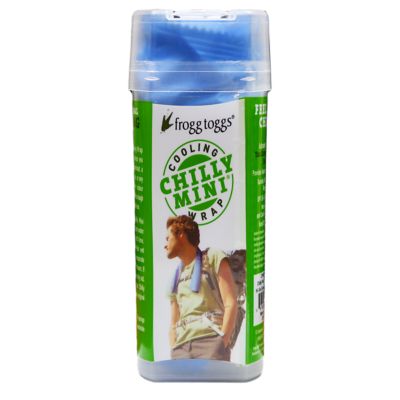
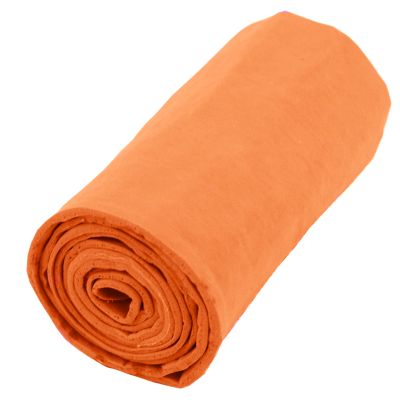
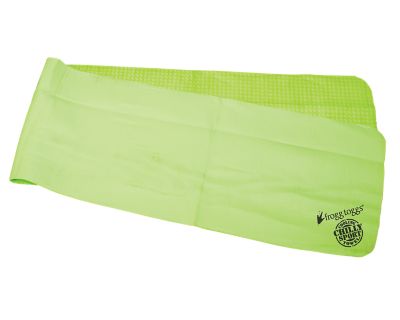
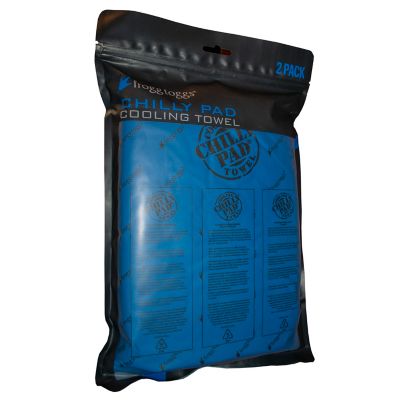
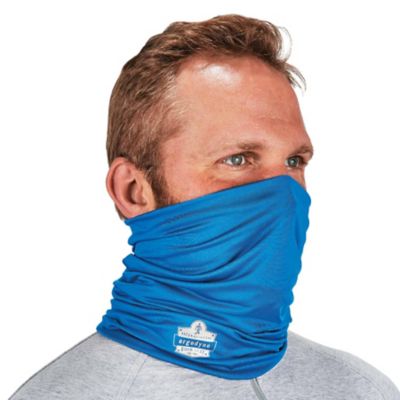
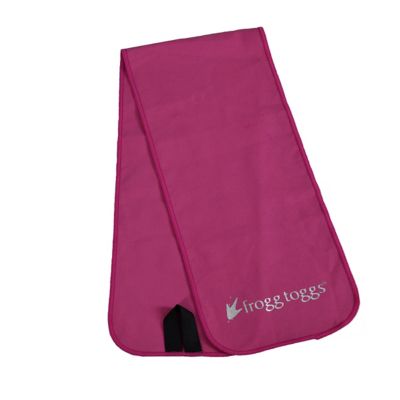
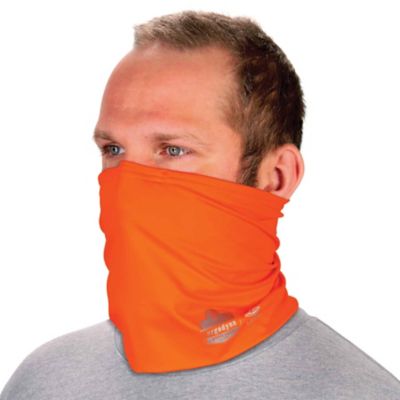
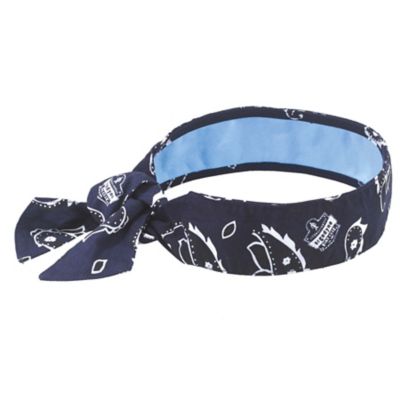
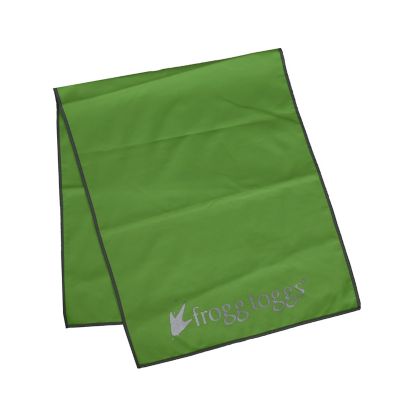
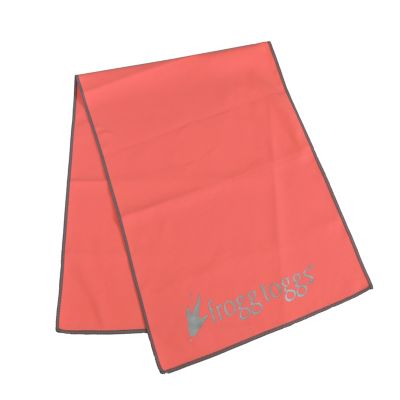
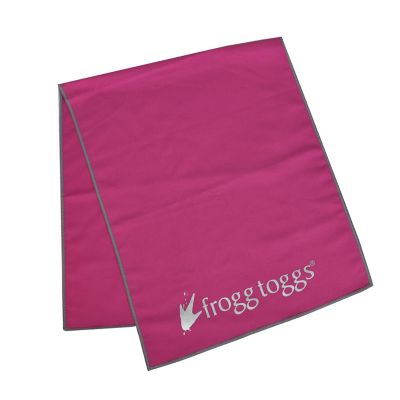
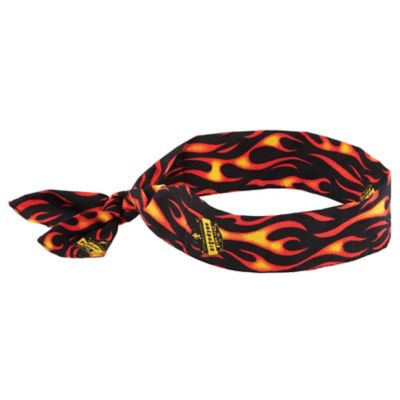
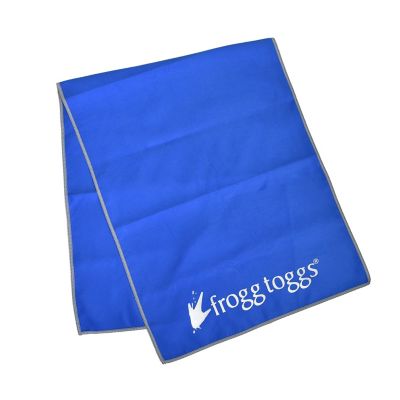
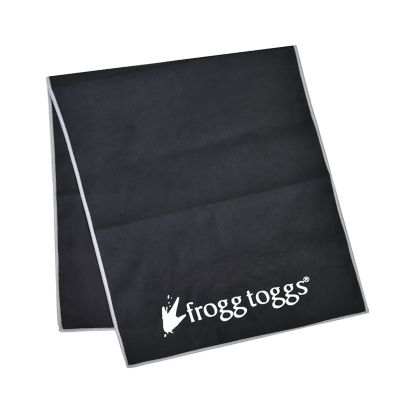
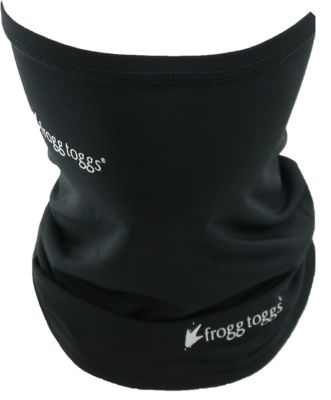
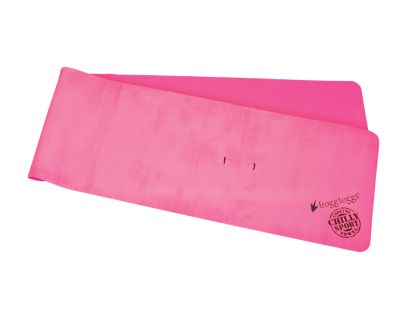
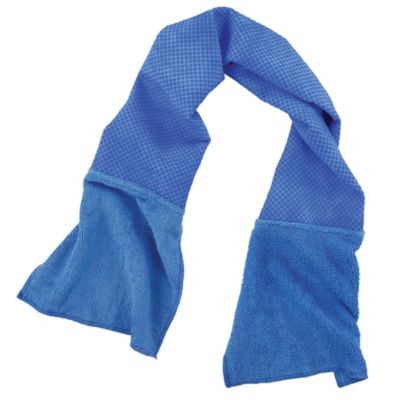
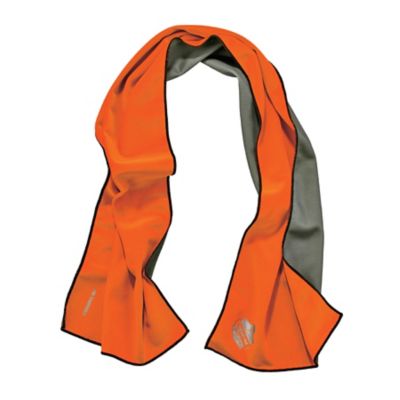
Evaporative cooling towels hold water in an absorbent material and release it gradually through evaporation, helping the damp fabric feel cool against the skin. As that water evaporates, it carries heat away from the towel’s surface. The effect depends on moisture, airflow, humidity, and the towel’s construction, so the cooling sensation can vary from one setting to another. These towels offer a simple way to add comfort while tending livestock, hauling feed, walking fence lines, working in the garden, or taking a break after stacking hay. They also fit into exercise routines, fishing trips, campground chores, and other activities where a damp cloth around the neck feels welcome. Most evaporative towels begin with a thorough soaking in clean water, followed by wringing out the excess so the material stays damp without dripping. Some designs call for a shake or snap to move air through the wet fabric; the care and activation directions explain what suits each material. Once prepared, the towel can rest across the back of the neck or another area of exposed skin, depending on its shape and intended wear. It does not need to be ice-cold to provide a cooling sensation, and many designs work with ordinary tap water rather than refrigeration. A breeze can help evaporation along, while still, humid air can limit the effect. As the fabric loses moisture, another wetting restores the water needed for continued cooling. There is no single cooling time that applies to every towel or every job: fabric thickness, sun exposure, movement, and the amount of water retained all play a part. A towel carried along for an afternoon of mowing may need attention at a different pace than one worn during a shaded rest break. Keeping a cooling towel within reach makes it easier to refresh the fabric when needed, whether it rides in a work bag, a tackle bag, or a pack headed down the trail.
Material makes a noticeable difference in how an evaporative cooling towel feels, folds, and holds moisture. Polyvinyl alcohol, often shortened to PVA, is an absorbent, sponge-like material that can hold substantial water relative to its size. It typically feels smooth and pliable when wet but becomes firm as it dries. That change is normal for many PVA towels, and soaking the material before bending or unfolding it helps protect the structure. Microfiber and functional mesh designs generally have a more familiar cloth feel, with some staying flexible when dry. Polyester-based fabrics and blends can provide a lighter drape, while textured surfaces and open-knit construction affect how the towel sits against the skin and how air moves through it. Neither material type is the best match for every person. Someone who prefers a substantial damp pad across the neck may favor sponge-like construction, while a person carrying a small day pack may lean toward a thin fabric that folds down neatly. Length and width matter just as much as material. A longer, narrower towel can drape over both shoulders, while a broader shape offers more coverage across the neck and upper back during a break. Fit should feel comfortable without bunching under a collar, pulling at the neck, or interfering with work gear. Smooth edges and secure stitching help the towel stand up to repeated wetting, wringing, and washing, though abrasive surfaces can still snag or damage the fabric. For jobsite needs,
cooling towels for construction workers connect this same cooling approach with physically demanding tasks and time outdoors. Around rotating equipment, power tools, conveyors, or moving machinery, loose fabric can create a snagging hazard, so placement needs to follow workplace safety rules. A towel also should not interfere with a hard hat, hearing protection, safety glasses, or any other required equipment. The right size and feel are the ones that suit both the person wearing it and the task at hand.
Care helps an evaporative cooling towel stay pleasant to handle through repeat use. Sweat, soil, sunscreen, and other everyday residue can build up in damp fabric, especially after a full stretch of chores or exercise. Cleaning directions differ by material: some fabric towels allow machine washing, while sponge-like designs may call for gentle hand washing and particular drying steps. The label is the best reference for detergent, water temperature, bleach, fabric softener, and dryer restrictions. Additives can affect certain absorbent materials, so a familiar laundry routine is not always the right routine for a cooling towel. Thorough rinsing matters, too, because leftover detergent can feel uncomfortable against sweaty skin. Storage deserves the same attention as washing. A damp towel left sealed in a truck cab or zipped inside a work bag can develop an unpleasant odor, especially if it still carries sweat or dirt. Letting it dry when the material’s instructions call for it, or following any specified moist-storage routine, helps keep it ready for the next outing. A PVA towel that dries firm needs gentle rewetting rather than forceful folding, while a flexible fabric towel can often fold flat for carrying. Separate clean towels make sense for family members or coworkers rather than sharing a cloth that has been against someone else’s skin. As a practical gift, a cooling towel can suit a gardener, a runner, a farmhand, or anyone who spends time doing active chores, especially when its size and texture match that person’s routine. Even so, an evaporative towel is a comfort accessory, not protection from heat illness and not a replacement for drinking water, taking breaks, or moving to a cooler place. Feeling cooler at the skin does not establish that body temperature has dropped, and a cooling towel does not provide sun protection unless it carries a stated rating for that purpose. Paired with sensible work habits and proper care, it can be a straightforward addition to everyday gear for the barn, the jobsite, or the trail.