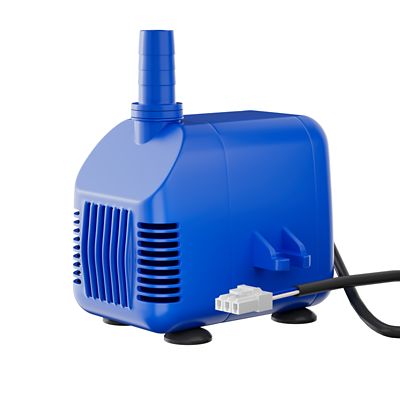
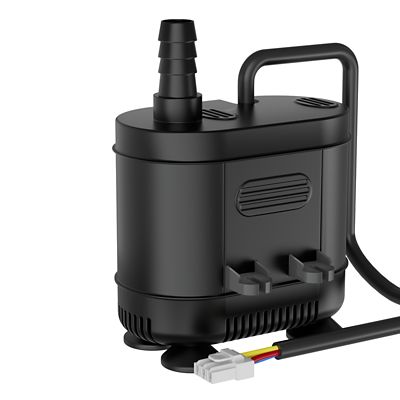
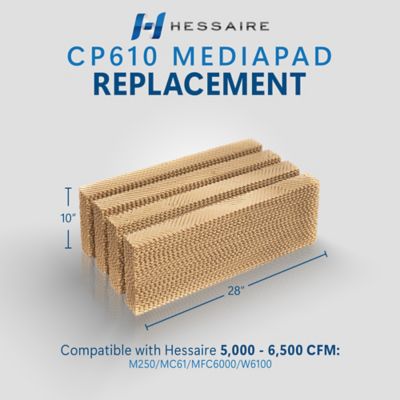
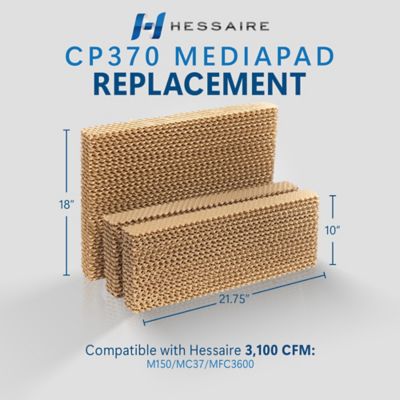
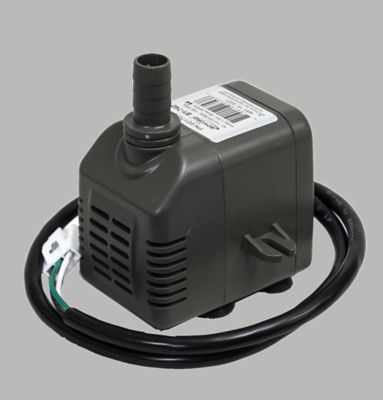
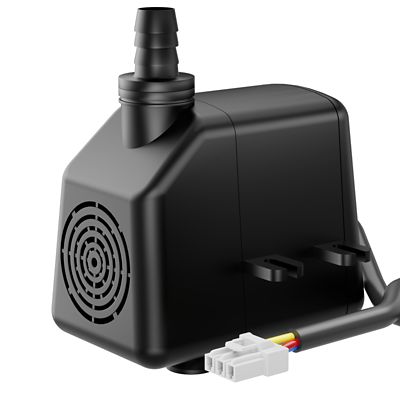
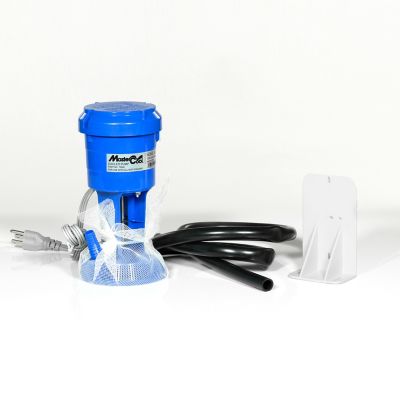
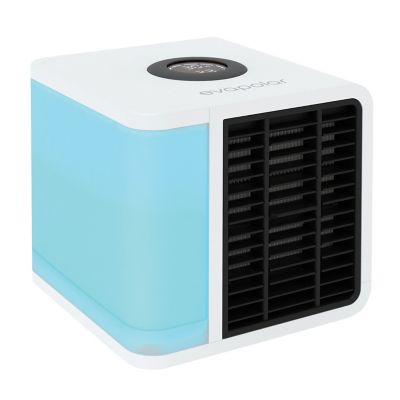
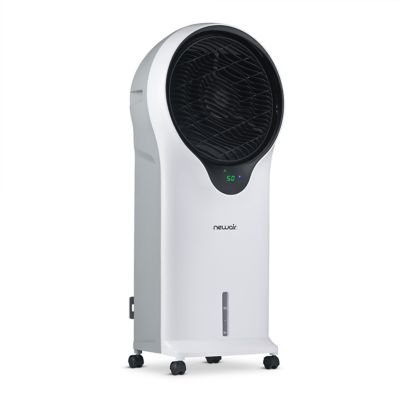
Evaporative cooler parts include water pumps, float valves, cooling pads, water distribution tubing, belts, motors, fan components and drain fittings. Each part supports a different job, from keeping the cooling media wet to moving air through the unit and into a work area. Often called swamp coolers, these systems pull air through water-soaked pads, where evaporation lowers the air temperature before a fan sends it into the space. They perform best in dry conditions with a steady path for fresh air to enter and moist air to leave. That makes them a practical cooling option for suitable garages, workshops, farm buildings and other ventilated spaces, though results depend on humidity, building layout and cooler size. Replacement parts need to match the equipment, not just look close enough on the shelf. The cooler’s model number, manufacturer specifications and part number provide a better starting point than appearance alone, especially when two pumps or valves have similar housings but different connections or operating requirements. A submersible water pump circulates water from the reservoir to the distribution system above the pads. Voltage, flow rate, lift height, outlet size and the required operating water level all matter when matching a pump to a cooler. Too little water delivery can leave sections of the media dry, while an incorrect pump can create water distribution problems. A float valve controls incoming water to maintain the reservoir level; brass and plastic designs may have different mounting arrangements, inlet fittings and adjustment ranges. The right fit leaves room for the float to move freely without rubbing against the cabinet or nearby components. For a shop owner keeping equipment running or a homeowner maintaining a portable unit, those small compatibility details can make the difference between a straightforward replacement and another trip back to the workbench. Pump inlet screens and properly matched tubing also help keep the water circuit working as intended, particularly where dust and debris collect around the reservoir.
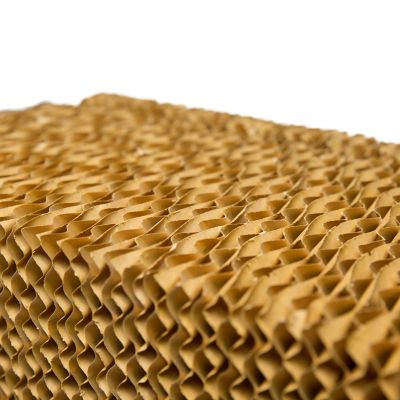
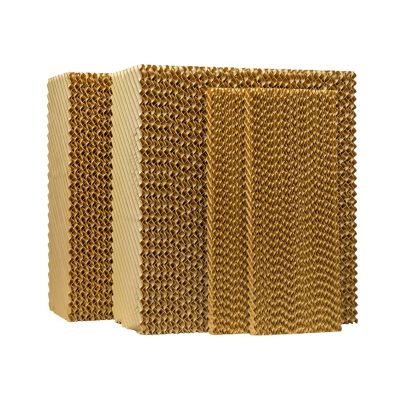
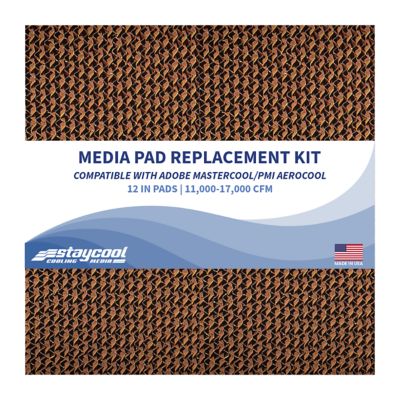
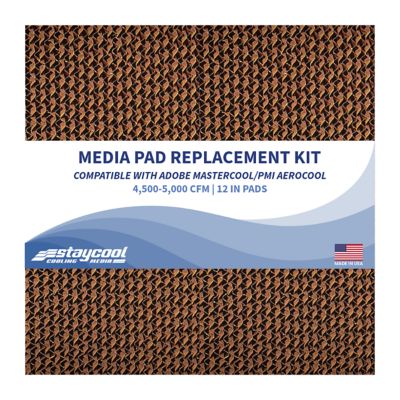
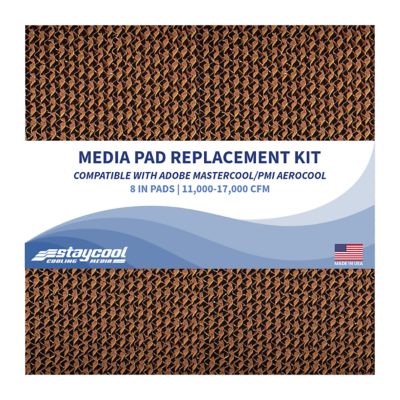
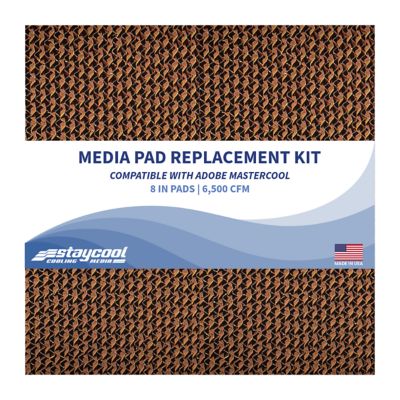
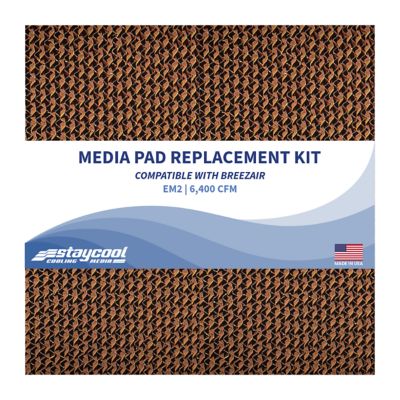
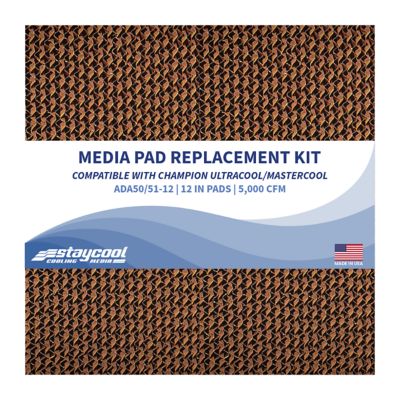
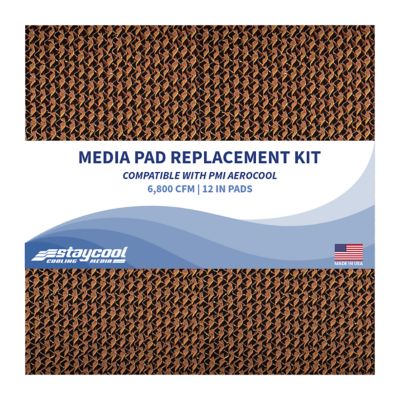
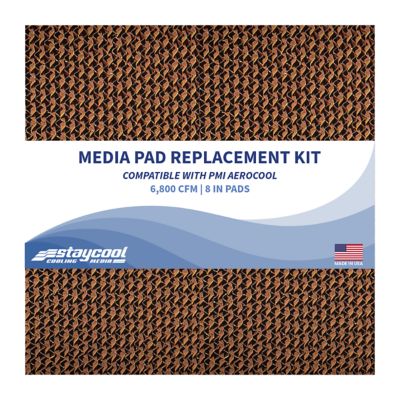
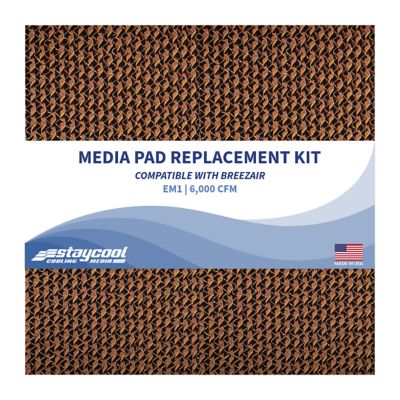
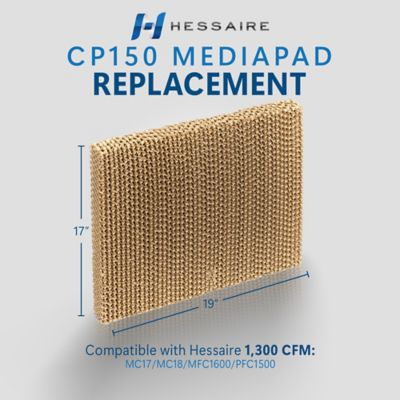
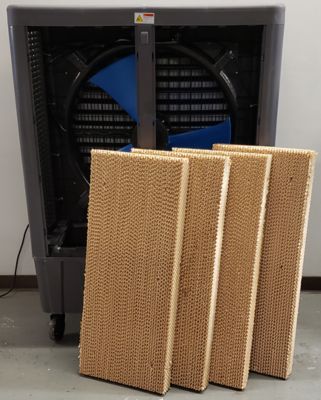
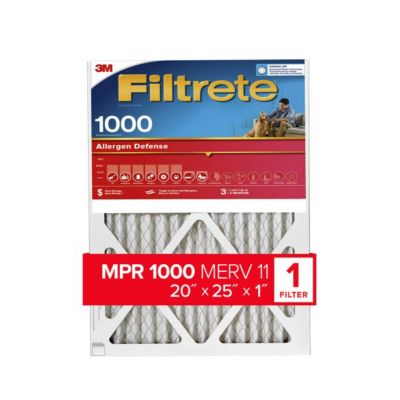
Cooling pads and rigid media are central to how an evaporative cooler performs. Aspen pads generally contain wood fibers held in a supporting layer, while rigid media commonly features formed cellulose sheets that create passages for air and water. These materials are not interchangeable across every cooler, and the correct choice depends on the unit’s original design. Height, width, thickness and airflow orientation matter, along with the way the media sits in its frame. A pad that is too thin can leave gaps that let air pass around the wet surface; media that is too thick or otherwise mismatched can restrict airflow or interfere with the cabinet. Manufacturer-specified dimensions help preserve the intended balance between water coverage and air movement. Water distribution trays, feed tubes, elbows and other fittings also play a part in spreading water across the media rather than concentrating it in one spot. In a workshop where fine sawdust settles on every ledge, or a farm building with airborne dirt, cooling media and water passages can collect debris that affects operation. Hard water adds another consideration because mineral deposits can build up on pads, pump screens, float assemblies and reservoir surfaces. Replacement intervals vary with water conditions, operating hours and the manufacturer’s care recommendations, so a calendar alone does not tell the whole story. Heavy deposits, crumbling media, persistent odors or uneven wetting call for a closer look at the affected components. Drain plugs, seals and reservoir fittings deserve attention, too, since even a small leak can leave a wet patch beneath the cooler. Cleaning products and water treatments should be approved for the equipment and its media, with special care around metal finishes, plastics and electrical components. Good access to the reservoir, removable pad frames and correctly fitting replacement seals can make routine upkeep less of a chore without changing how the cooler was designed to operate.
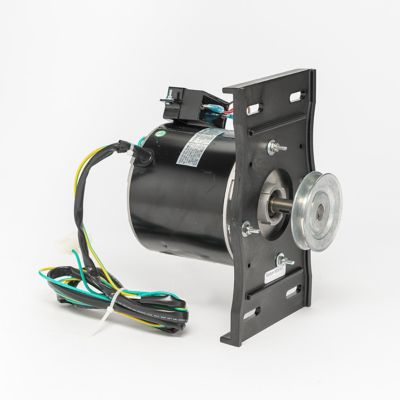
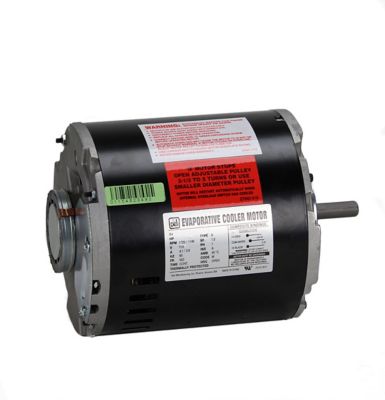
Air-moving and drive components need the same careful matching as water-side parts. Some evaporative coolers have belt-driven blowers, while others have direct-drive fans, so not every unit needs the same replacement hardware. On a belt-driven setup, belt length and profile must suit the pulley arrangement, and the specified tension helps the drive run without unnecessary slipping or strain. Replacement motors require more than a matching horsepower rating: voltage, speed, rotation, shaft dimensions, mounting style and electrical connections all affect compatibility. Bearings, pulleys and blower components likewise need the correct dimensions and configuration for the equipment. A rattling cabinet or a squealing belt may draw attention first, but noise alone does not identify the part that needs replacement. Loose fasteners, alignment problems, worn bearings and damaged fan components can produce similar symptoms, making proper diagnosis worthwhile before choosing parts. Electrical troubleshooting and repairs belong with someone qualified for the work, particularly where wiring, motor connections or controls are involved. Power should be disconnected before service, and any water supply should be shut off when opening or replacing water-connected components. Materials matter throughout the cooler: metal fittings need to suit their connections and exposure to water, plastic components need the right temperature and service ratings, and seals need to match the surfaces they close against. Equipment that gets rolled across a concrete floor or sits near an open shop door also benefits from intact guards, sound mounting hardware and secure hose connections. Keeping the model information handy makes later maintenance easier, especially when several coolers around a property have different pad sizes, pumps or drive arrangements. For a look at complete units and the different equipment these components support, browse
Evaporative Coolers. Choosing replacement parts around the cooler’s specifications, the space it serves and its water conditions helps keep maintenance practical, whether the unit cools a single workbench area or moves air through a larger shop.