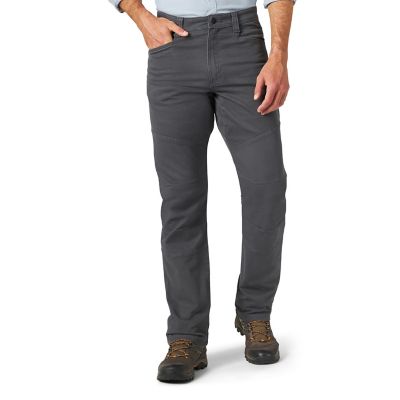
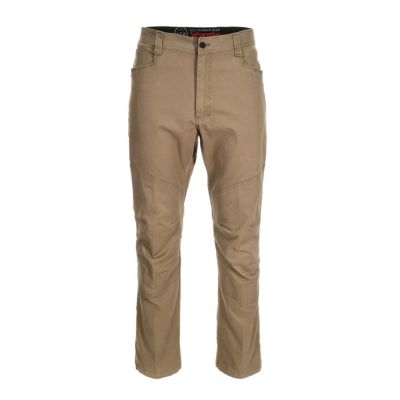
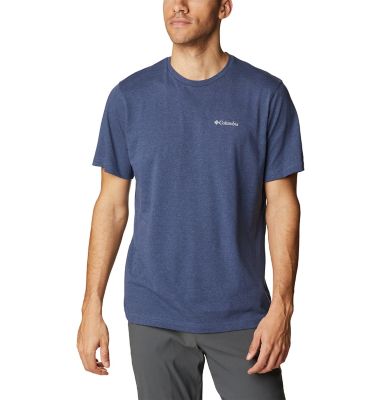
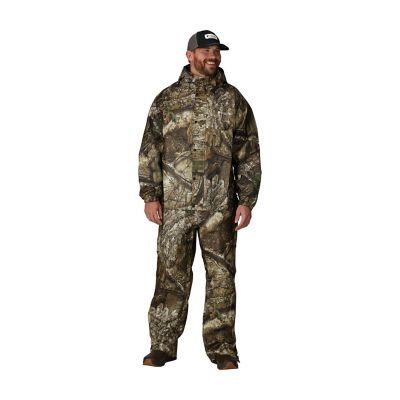
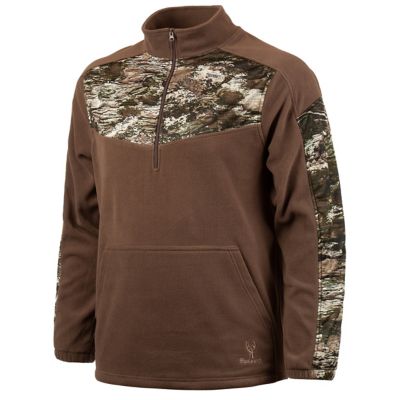
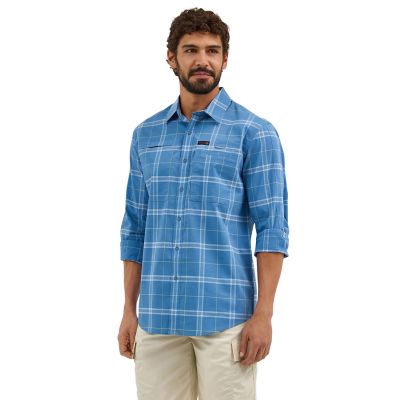
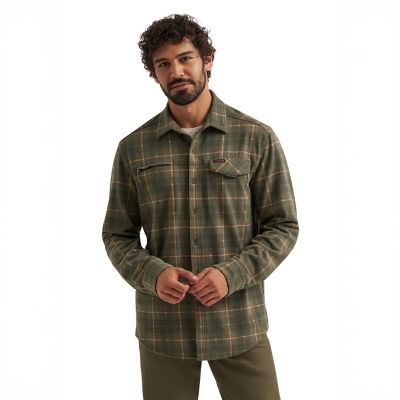
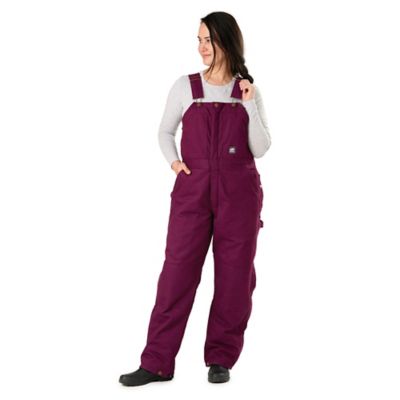
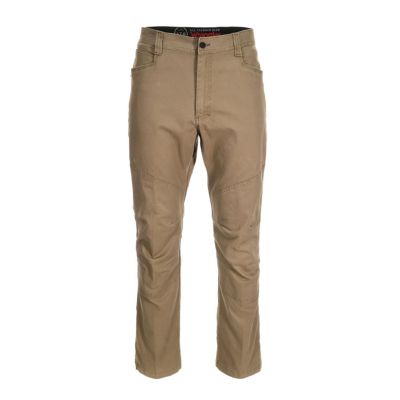
Hiking essentials for men can make the difference between a pleasant day on the trail and a long, uncomfortable walk back to the truck. Whether he spends weekends exploring wooded paths, follows rocky overlooks through the hills, or takes a quiet afternoon hike across open pasture and public land, the right gear helps him stay comfortable, prepared and ready for changing conditions. Start with clothing that manages moisture and allows easy movement. A breathable base layer helps pull sweat away from the skin, while a lightweight long-sleeve shirt can add sun coverage and protection from brush, bugs and cool breezes. Quick-drying hiking pants or durable trail shorts are useful when the route crosses tall grass, muddy ground or shallow water, and a light layer that blocks wind or rain can earn its place in the pack when the forecast is unsettled. Take a closer look at
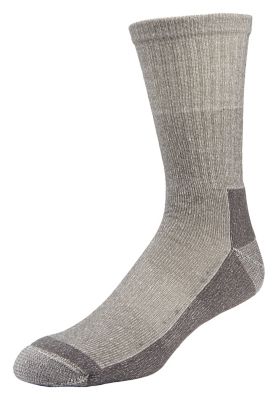
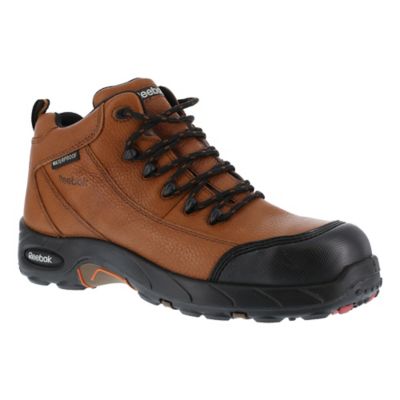
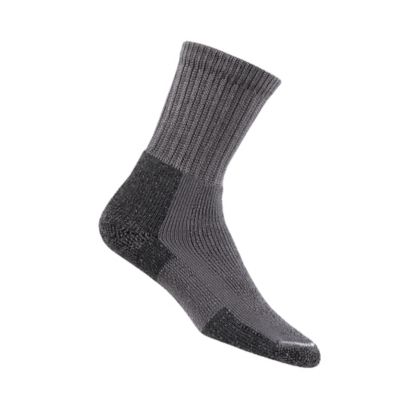
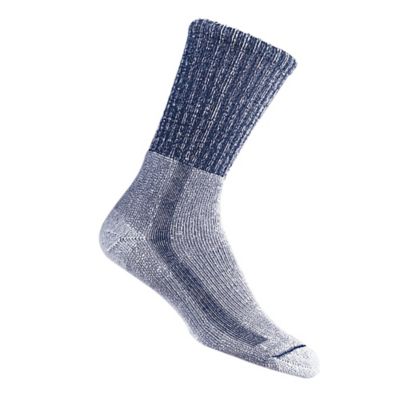
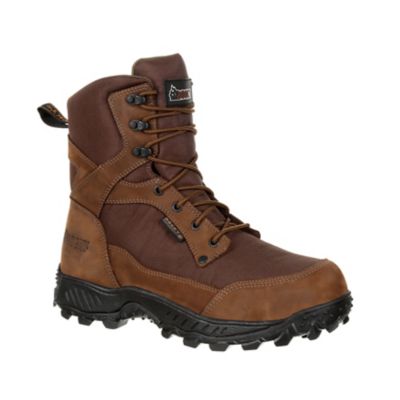
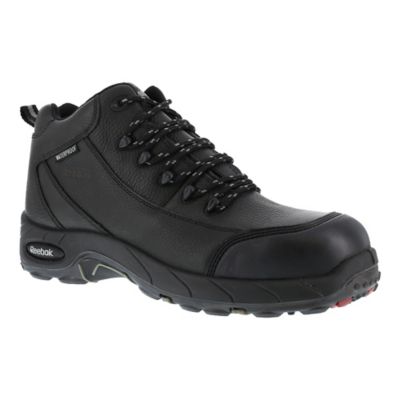
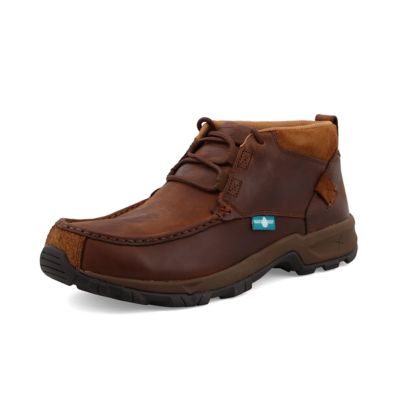
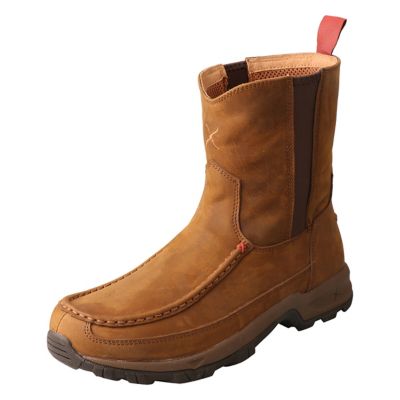
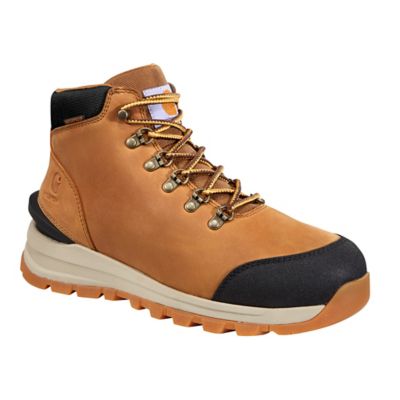
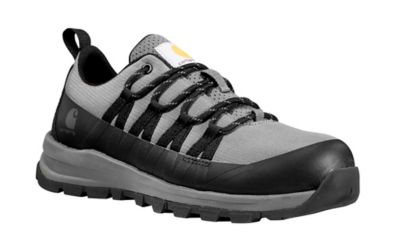
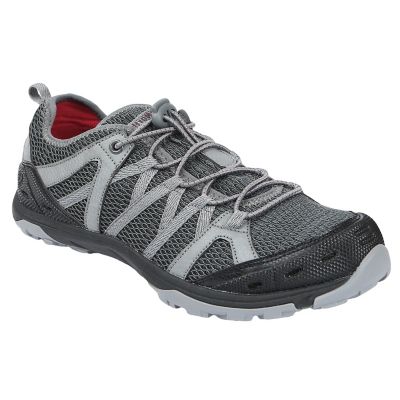
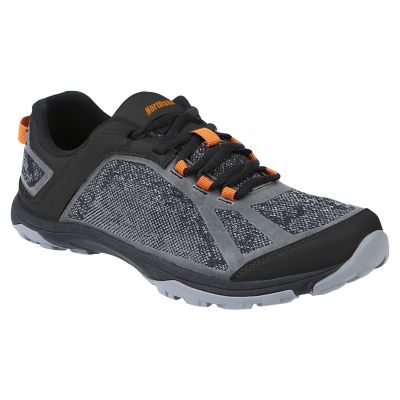
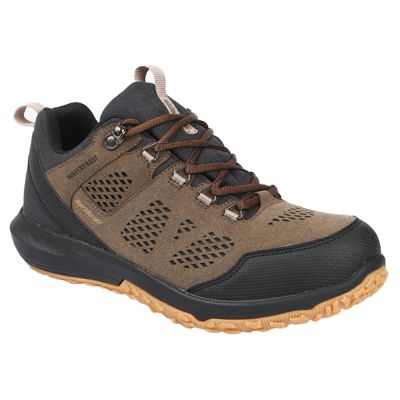
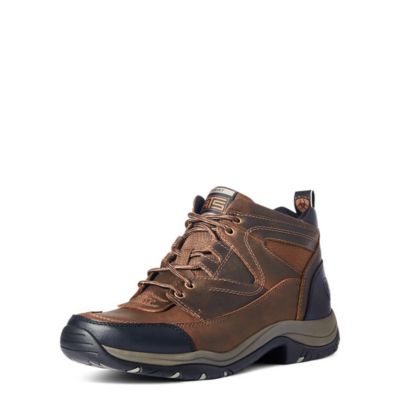
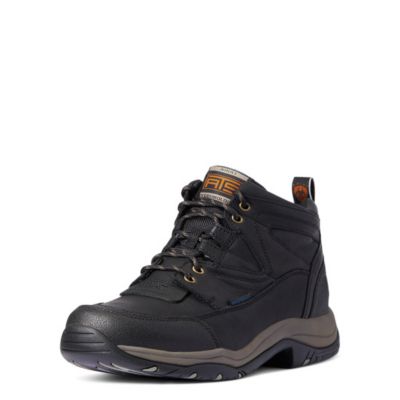
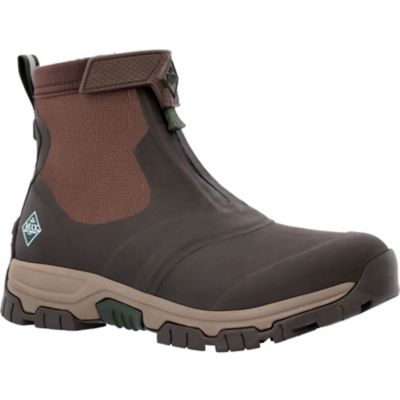
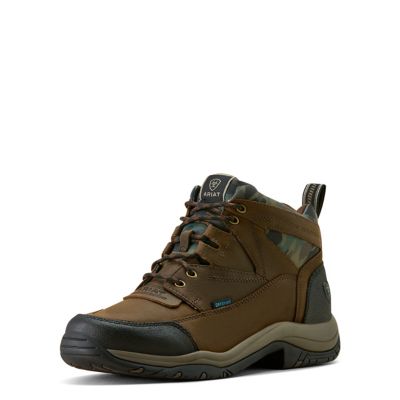
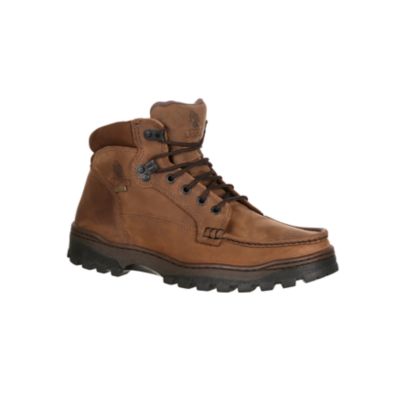
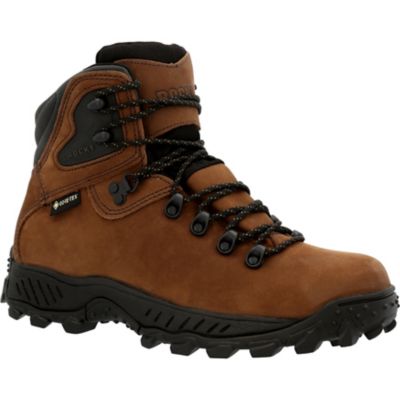
Hiking Clothing For Men when putting together an outfit for the trail. Fit matters just as much as fabric. Clothing should be roomy enough for a full stride and a warm layer underneath without hanging loose around branches or gear. Look for flat seams, secure pockets and waistbands that stay comfortable beneath a backpack. Socks deserve attention, too. Moisture-managing hiking socks with cushioning in the heel and ball of the foot can help reduce hot spots, while a spare pair gives him a fresh option after a stream crossing or a sweaty climb. Footwear should match the ground ahead. Supportive hiking boots may suit uneven, rocky terrain and heavier loads, while trail shoes can feel lighter on smoother routes. In either case, look for a well-fitting heel, enough room for the toes to spread and soles with dependable traction. Break footwear in before a long outing; a short walk around the yard or a few easy trails can reveal rubbing that is easy to fix at home and miserable to discover miles from the trailhead.
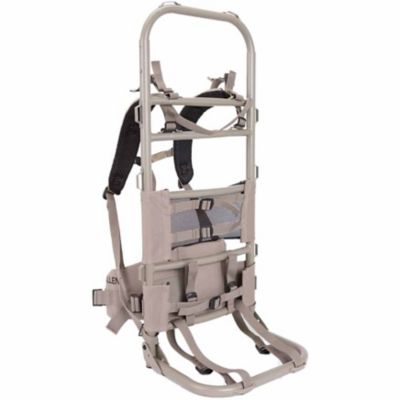
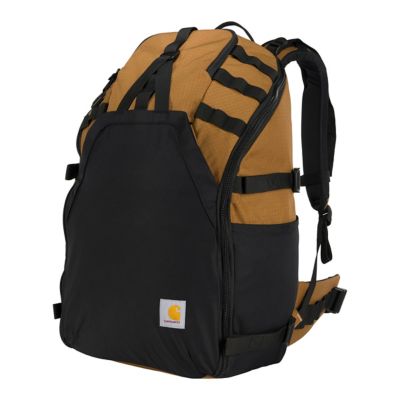
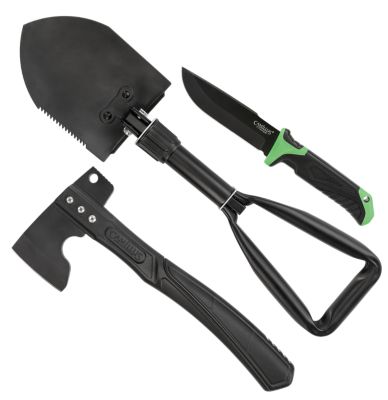
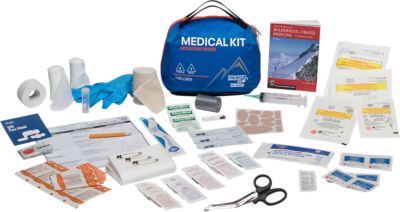
A comfortable daypack is another foundation of a good hiking setup. For most day hikes, a pack in the roughly 18- to 33-liter range offers room for water, food, an extra layer and safety gear without becoming oversized. Padded shoulder straps, a supportive hip belt and breathable back panels help spread the load, especially on steep climbs. Pack water for the full route, with extra in hot, dry conditions, and consider a way to treat water if the hike travels far from a dependable source. High-energy snacks, trail mix, dried fruit, jerky, sandwiches and electrolyte options can help keep energy steady when the trail runs longer than planned. A simple packing system keeps frequently used items near the top or in outside pockets: rain layer, map, sunscreen, snacks and first-aid supplies should not be buried under everything else. Sun protection remains useful even on cooler days, since open ridgelines and long stretches without shade can add up quickly. Pack broad-spectrum sunscreen, lip balm with sun protection and sunglasses that cut glare. Insect protection may be worthwhile near creeks, brush and shaded woods. The classic Ten Essentials provide a practical safety check for day hikes: navigation, illumination, sun protection, first aid, a knife or repair tool, fire-starting supplies, emergency shelter, extra food, extra water and a way to communicate. Navigation should include an offline map or a physical map and compass rather than relying on a phone alone. A fully charged phone can help with communication and mapping, but a small power bank adds backup for longer outings. A headlamp with spare batteries is valuable when a scenic loop takes longer than expected, daylight fades behind the trees or an injury slows the return. A compact first-aid kit should include blister care, bandages, antiseptic wipes, pain relief and any personal medications. For remote areas, an emergency blanket or bivy, a whistle and a satellite communicator or personal locator beacon can provide an extra margin of safety. Small repair tape, cord and a multitool can handle a torn strap, loose buckle or other minor problem before it turns into a major inconvenience.
These hiking essentials also make thoughtful gifts for a man who enjoys time outside, from a first-time day hiker to an experienced trail regular who has worn out his favorite gear. A well-chosen pack, durable clothing layer, comfortable socks, reliable light or compact first-aid kit is useful without requiring a perfect read on his personal style. For a gift, focus on practical details such as adjustable sizing, easy-care materials, weather resistance and packability. Someone who hikes with a dog may appreciate room for water, collapsible bowls and waste bags, while a parent or grandparent may put extra value on simple navigation tools, bright lighting and an organized first-aid kit. During the warmer part of the year, breathable layers, sun protection and extra water help on exposed trails; as temperatures drop, add insulating layers, gloves, a warm hat and a rain or wind shell that can be carried until needed. Late-season leaves, damp ground and shorter daylight can make traction, illumination and weather protection especially important without changing the basic packing list. Before heading out, check the route length, elevation, surface and expected conditions, then choose gear that fits the trip rather than carrying every item in the closet. Keep heavier items close to the middle of the pack and snug to the back, leave room for an extra layer, and test adjustments at home. A quick walk around the property can show whether a pack rubs, a bottle shifts or a pocket is hard to reach. Good hiking gear should feel dependable and straightforward, letting him pay attention to the crunch of leaves, the sound of a creek and the view at the top instead of worrying about sore feet or a forgotten essential.