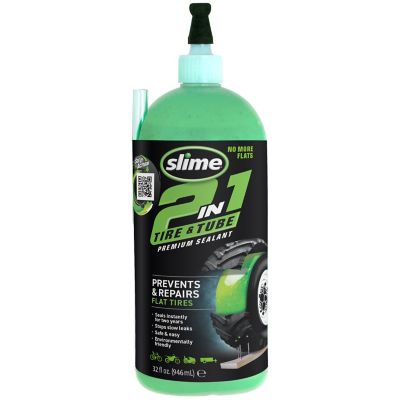
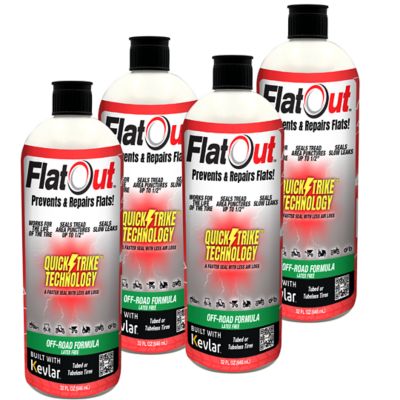
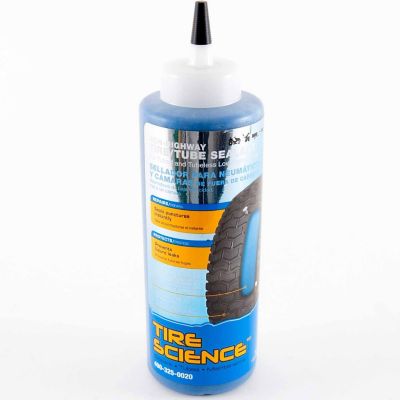
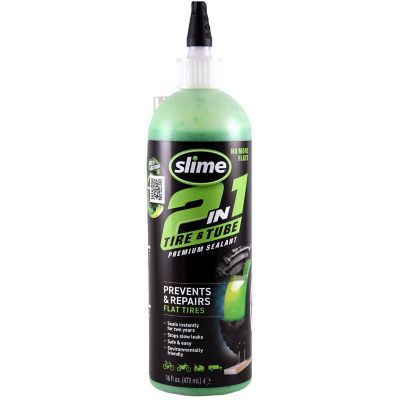
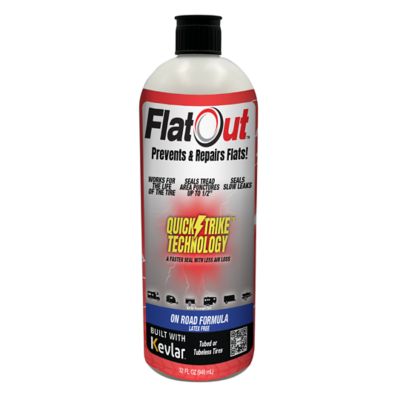
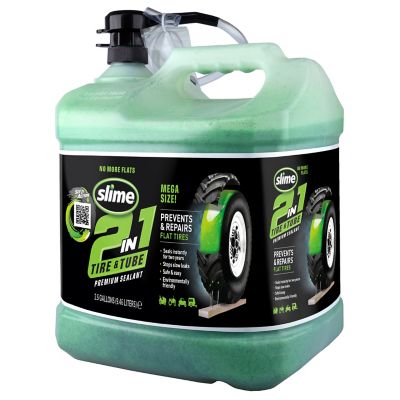
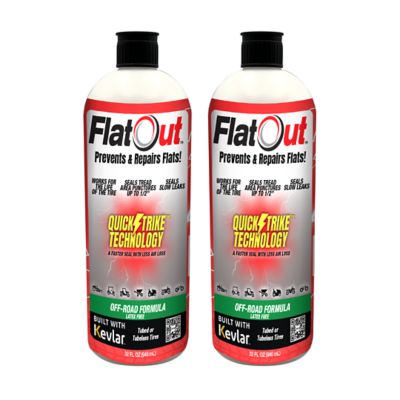
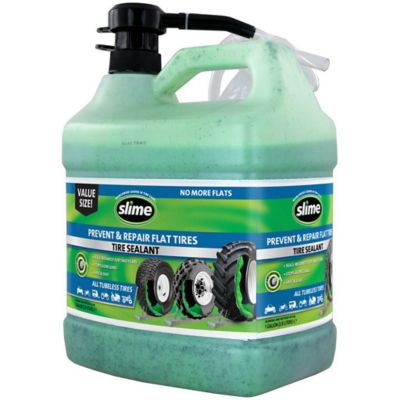
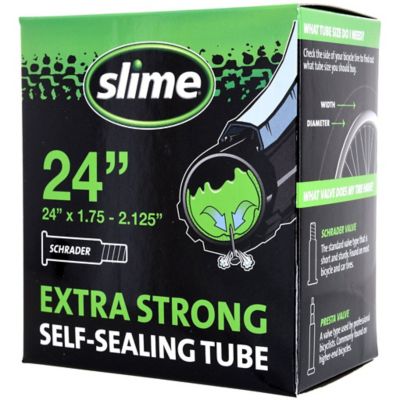
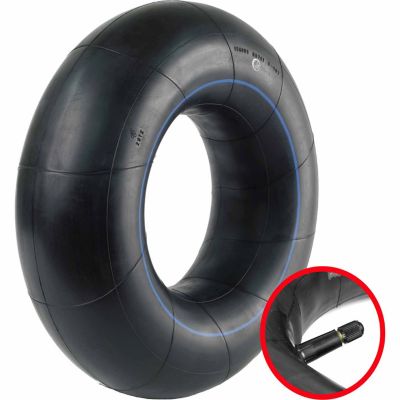
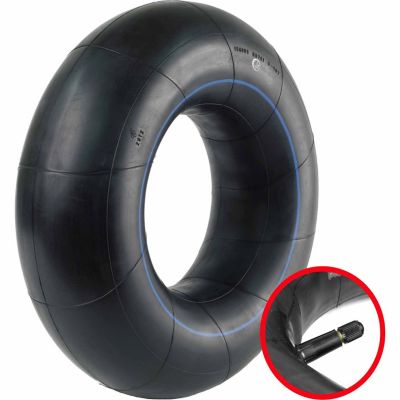
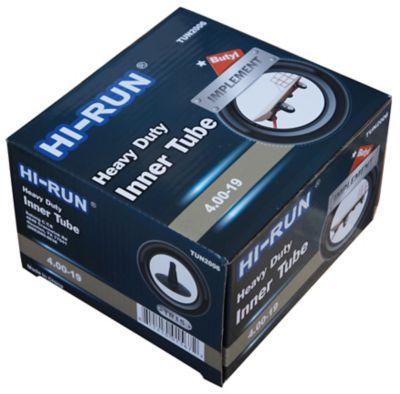
Equipment tire and tube sealant helps manage small punctures and certain slow air leaks in compatible pneumatic tires, keeping everyday chores from getting sidelined by a soft wheel. On a place with thorny fence rows, rough pasture lanes, and brush around the outbuildings, a little puncture protection can make a difference. Riding mowers, garden tractors, utility carts, wheelbarrows, and other off-highway equipment all have different tire needs, so the best match starts with the wheel assembly rather than the size of the machine. A tubeless tire holds air between the tire and rim, while a tube-type setup holds air inside a separate inner tube. Sealant must be labeled for the setup it will enter; a formula intended only for tubeless tires is not automatically suitable for inner tubes. The same goes for equipment applications. A sealant meant for low-speed, off-highway work should not be assumed suitable for a road-going trailer or another highway application. Tire construction, operating speed, load, and the equipment manufacturer’s recommendations all matter. Whether the wheel contains an equipment tube or a
Bike Inner Tube, compatibility depends on more than whether the liquid fits through the valve. For suitable applications, wheel rotation distributes the formula inside the tire or tube, and escaping air can carry sealing material toward a small puncture. Some formulas are intended for installation before a puncture happens; others have directions for addressing an existing leak. Those purposes are not interchangeable, and neither one removes the need for proper inflation. Around the barnyard or along a mowing route, the practical benefit is help with the small tread punctures that interrupt work, not protection against every cause of a flat. A tire that repeatedly loses pressure still needs attention, especially when the wheel carries a load or helps keep equipment stable on uneven ground.
Equipment tire sealant formulas vary in their liquid carriers and sealing materials. Depending on the formulation, those materials may include fibers, rubber particles, latex, or other suspended compounds that gather at a puncture opening. The ingredient list alone does not establish how large a hole a formula can seal, how long it can remain effective, or which tire materials it can contact. Those details belong to the manufacturer’s stated specifications. Puncture-size ratings deserve a close look because a rating for a tubeless tire may differ from the rating for an inner tube, even within a formula labeled for both. A flexible tube behaves differently from a thicker tire casing, and a puncture can stretch or tear rather than stay a neat, round opening. Location matters just as much as diameter: small holes in the tread area are a different problem from a sidewall cut, a damaged bead, or a cracked rim. Sealant is not a substitute for repairing structural damage, and a flat tire should be inspected before equipment goes back to work. Compatibility with wheels, valves, and any tire-pressure monitoring components also deserves attention. Claims such as noncorrosive, water-cleanup, or suitable for a particular rubber type apply only when the label makes them. No single description guarantees suitability for every assembly. For equipment that spends hours crossing rough ground, the useful comparison is between the actual application requirements and the formula’s limits, not simply between ingredient names. A wheelbarrow carrying feed bags needs a different amount of sealant than a large tractor tire, and the heavier machine may have additional service requirements. Tires containing liquid ballast are another special case because sealant compatibility cannot be assumed. The right fit accounts for what is already inside the tire, how the machine operates, and what the tire and equipment manufacturers permit. That keeps a puncture-prevention purchase tied to the job at hand rather than a broad promise on the front of a container.
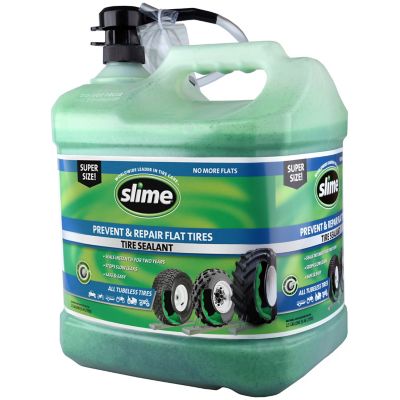
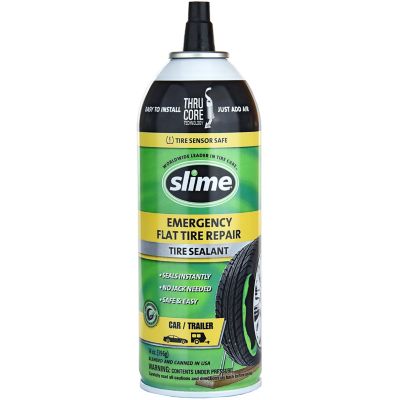
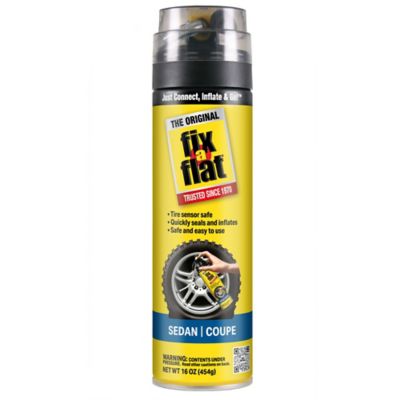
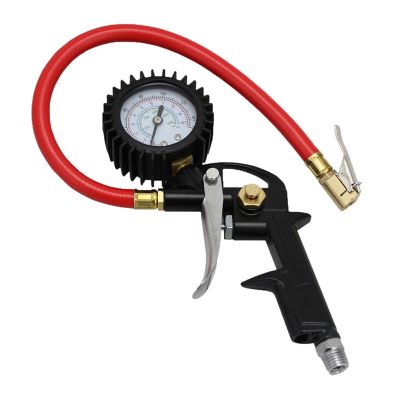
Container size, application method, and ongoing care round out the comparison. Sealant amounts generally depend on tire dimensions and the manufacturer’s application chart, not just a quick guess based on wheel height. Too little material may leave insufficient coverage, while adding extra does not automatically increase puncture protection and may affect wheel balance or operation. For someone tending several small machines, total treatment capacity matters; for a single cart tire, a manageable container and a suitable applicator may be more practical. Some applications call for a removable valve core, a valve-core tool, and a hose or pump that fits the valve stem. Others have different installation requirements, so valve access and the supplied application equipment are worth checking before opening a container. Sealant does not inflate a tire by itself unless the package specifically combines sealing and inflation functions. Access to an appropriate air source and a tire-pressure gauge remains part of caring for pneumatic equipment tires. Normal maintenance still includes checking pressure against the equipment specifications, looking for embedded objects and damaged rubber, and keeping valve caps in place. A recurring leak can come from the valve, bead area, rim, or tire casing, and adding another dose may leave the real problem untouched. Service life varies by formula and application, so inspection and replenishment intervals should follow the label rather than an assumed number of years. Storage instructions, container closure, cleanup directions, and disposal requirements also matter, especially in a shop shared with feed, animal supplies, or household storage. Before a tire goes in for professional service, the technician should know that sealant is inside and which formula was added. That information helps with inspection and cleanup. For property owners, grounds crews, and folks keeping chore equipment rolling, a well-matched sealant can be a practical part of tire care, alongside sound tires, correct pressure, and prompt attention when a wheel starts losing air.