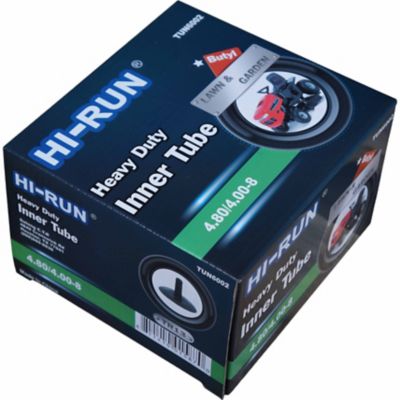
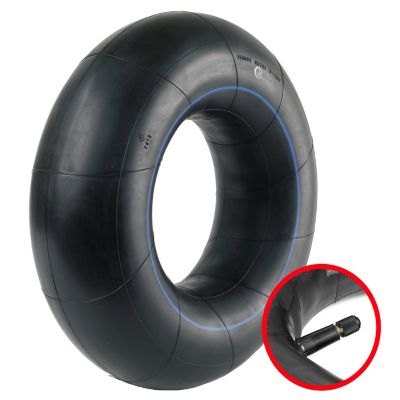
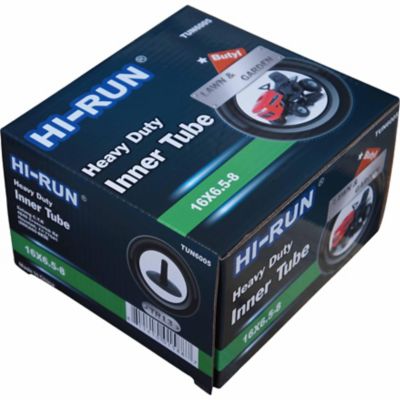
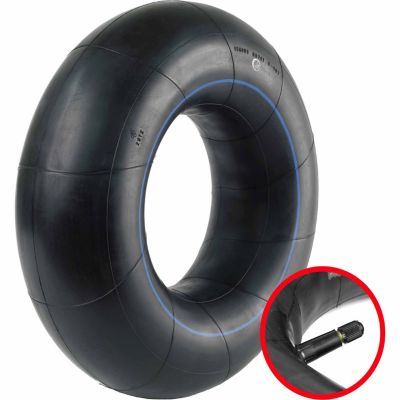
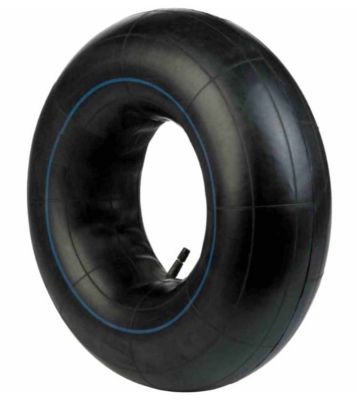
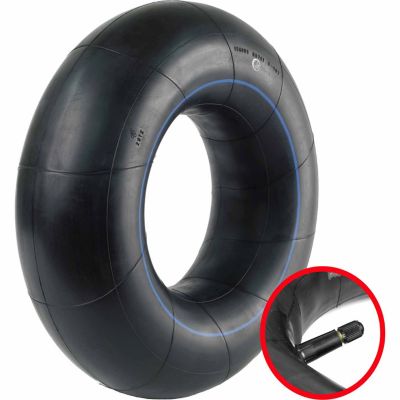
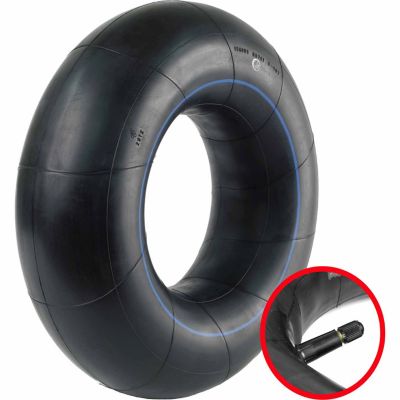
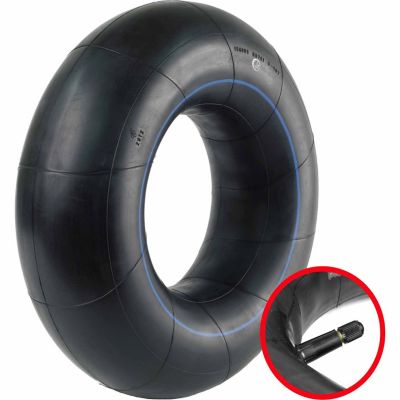
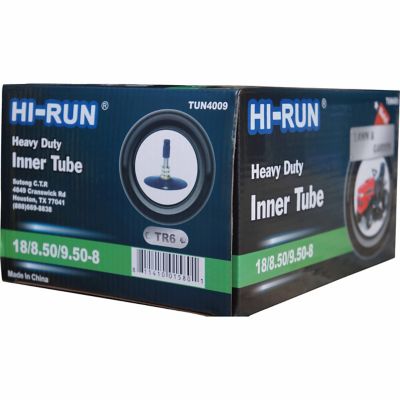
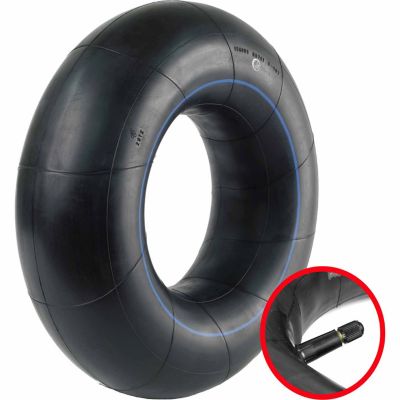
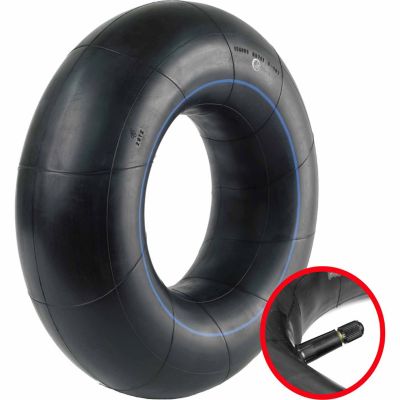
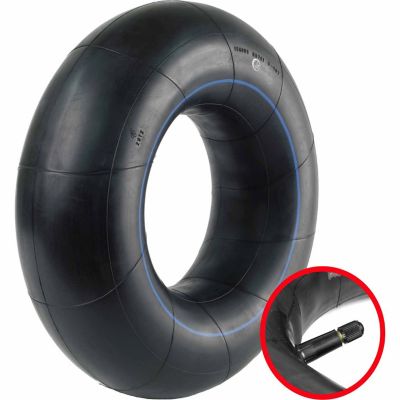
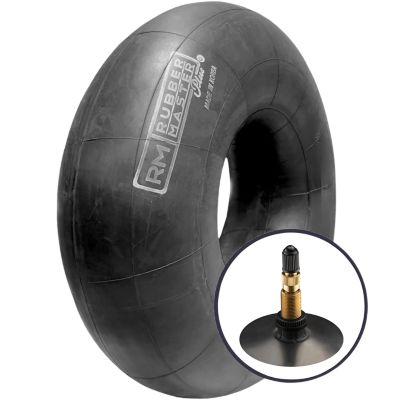
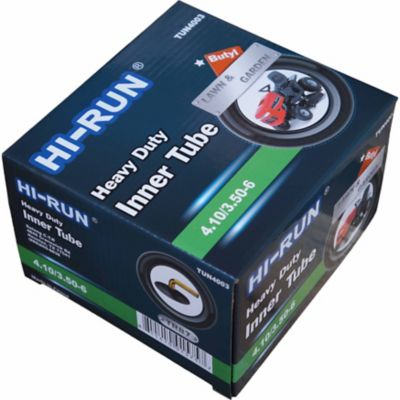
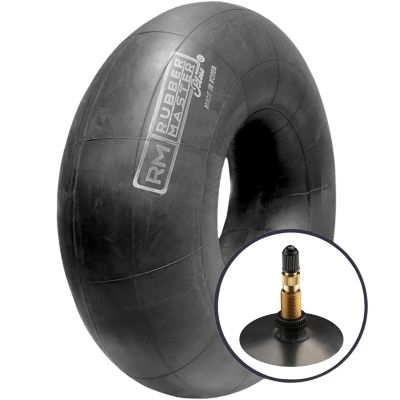
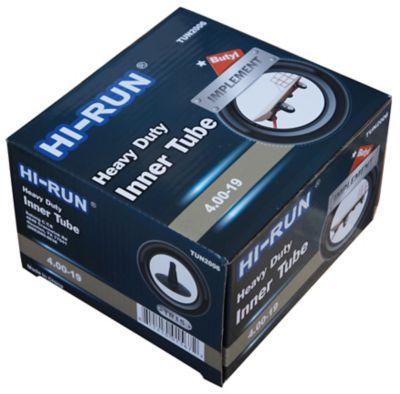
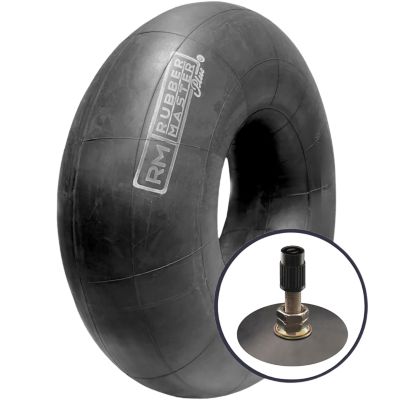
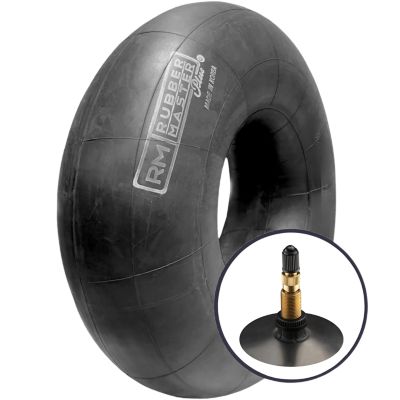
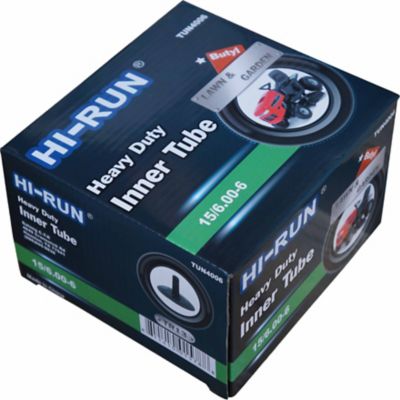
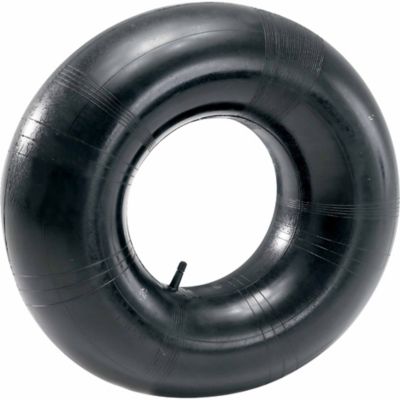
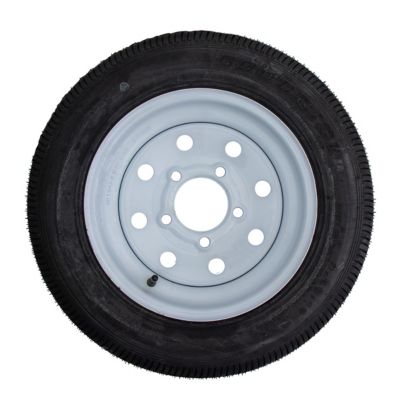
Tire tubes are flexible, doughnut-shaped bladders that fit inside pneumatic tires and hold the air that supports the load. In a tube-type wheel assembly, the outer tire handles contact with the ground, the rim supports the tire, and the inner tube forms the sealed air chamber. That simple arrangement serves plenty of jobs around a farm, acreage or home, from rolling a wheelbarrow full of mulch to moving feed bags on a hand truck or keeping a bicycle ready for a ride down the lane. Lawn equipment, garden carts, certain tractor wheels and other utility equipment may also call for tubes, depending on how their tires and wheels are designed. The right tube belongs to the whole wheel assembly, not just the task at hand: tire size, rim dimensions, valve opening and manufacturer requirements all matter. Butyl rubber is a common tube material because it flexes with the tire and slows the escape of air through the tube wall. Other rubber formulations appear in equipment applications, while some bicycle tubes feature thermoplastic polyurethane, often shortened to TPU, to reduce weight. Those materials have different handling and repair requirements, so a patch or repair compound suited to rubber may not suit another material. Construction also affects flexibility, weight and how well a tube holds air over time, though no tube makes a tire immune to punctures or pinching. A cart carrying fence supplies across a gravel drive places different demands on its wheels than a bicycle rolling along pavement, and the tube needs to be intended for that application. The tire and wheel determine the assembly’s load and operating limits; adding a tube does not raise those limits. For folks maintaining several pieces of equipment, it helps to think of tire tubes as fit-specific replacement parts rather than interchangeable rubber rings. A mower, a yard cart and a hand truck may all have small pneumatic tires, but their tube sizes and valve arrangements can be quite different.
Fit starts with the size marking on the tire sidewall and the size range listed for the tube. A tube must match the wheel diameter and accommodate the tire’s width without excessive stretching, bunching or folds. Some tubes cover a stated range of tire widths, which is normal when that range includes the tire’s actual size. A tube that looks close beside the wheel can still be the wrong fit once it is enclosed inside the tire. Size markings also follow different systems across bicycles, lawn equipment and agricultural tires. On many small equipment tires, the final number in the size designation identifies the rim diameter, while other numbers describe tire dimensions. Bicycle tires may carry a metric marking that identifies tire width and bead-seat diameter, helping distinguish wheels with similar inch-based names. Matching the complete designation is more useful than relying on a single number or a quick glance at wheel height. For bicycle wheels, a
Bike Inner Tube needs the same attention to diameter and width, along with a valve that fits the rim and works with the pump. Schrader valves have the wider, spring-loaded design familiar from car tires. Presta valves are narrower and have a small threaded closure at the tip. The rim’s valve opening needs to suit the valve type, and the stem must extend far enough beyond the rim for the pump head to attach properly. Straight valve stems work well where there is open access, while bent or angled stems can help on compact equipment wheels where a hub or axle leaves little room for inflation. Stem direction matters, too: a valve that points toward an obstruction can turn a routine pressure check into a struggle. A valve cap helps keep dirt away from the opening, which is especially handy for equipment traveling through a barnyard or along a dusty driveway. It does not replace a sound valve seal. Taken together, size, valve style, stem length and stem orientation determine whether a tube fits comfortably and remains practical to maintain.
Long service life depends on what surrounds the tube as much as the tube itself. A rough rim edge, exposed spoke end, trapped grit or sharp object lodged in the tire can damage a replacement tube even when its size is correct. Bicycle wheels may need suitable rim tape to cover spoke holes, while other wheel assemblies have their own protective components and service requirements. A tube should sit smoothly inside the tire rather than being caught beneath the bead or pulled sideways at the valve. Operating pressure should follow the equipment or bicycle manufacturer’s recommendation and stay within the limits of the tire, rim and other assembly components. Too little pressure allows extra tire movement and can leave the tube vulnerable to pinching; pressure beyond the assembly’s limits creates a separate safety concern. Even tubes that hold air well need periodic pressure checks, particularly before a cart carries a heavy load or equipment heads out for a long stretch of work. Slow air loss can come from a valve problem, a small puncture or normal movement of air through the material, so the cause matters when deciding between repair and replacement. Compatible patches may suit some small punctures, but split seams, damaged valves and badly stretched or chafed sections generally call for replacement. Sealants likewise need to be approved for the tube material and application rather than assumed suitable for every wheel. Spare tubes keep best away from direct sunlight, oils, fuels and sharp tools, with valve stems protected from bending or damage. A tube also cannot restore a tire with damaged cords, a compromised bead or other structural problems, and placing one inside a tubeless assembly requires manufacturer approval for that tire-and-wheel combination. Large tractor wheels and multi-piece rims call for trained tire service personnel and proper safety equipment. With the right fit and sound surrounding components, tire tubes help keep everyday hauling, mowing and riding equipment ready for the next job, whether that means carrying bedding to the barn or taking a bicycle into town.