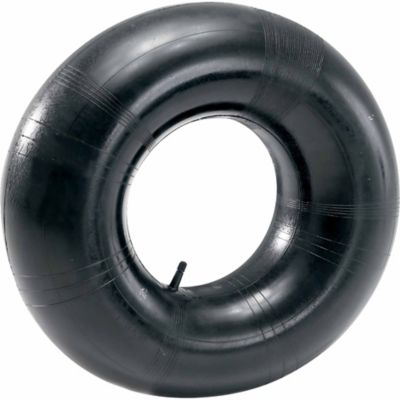
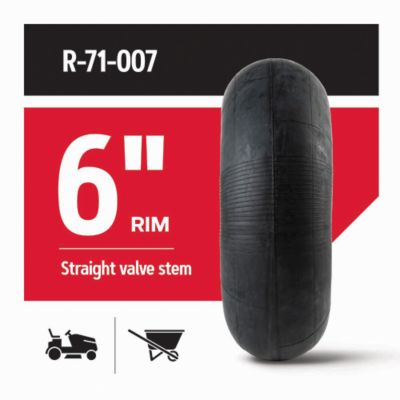
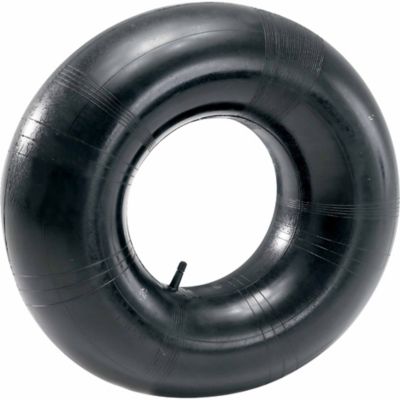
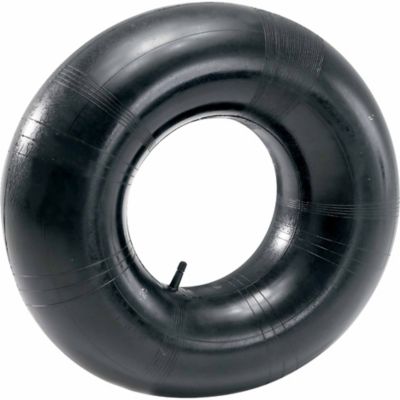
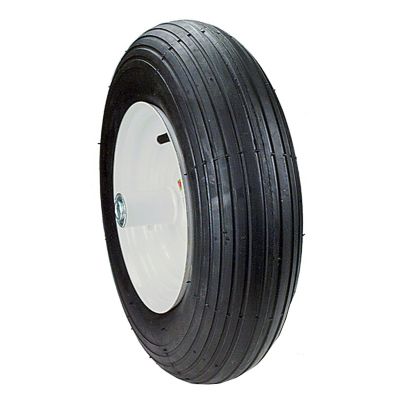
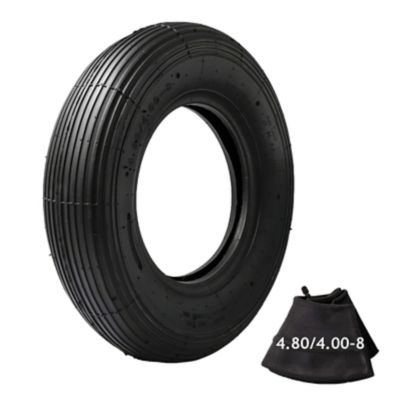
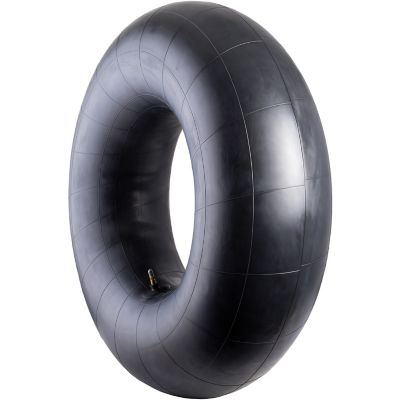
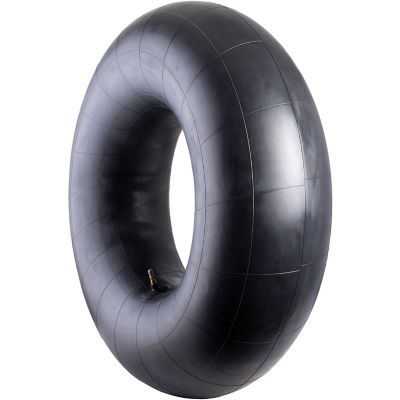
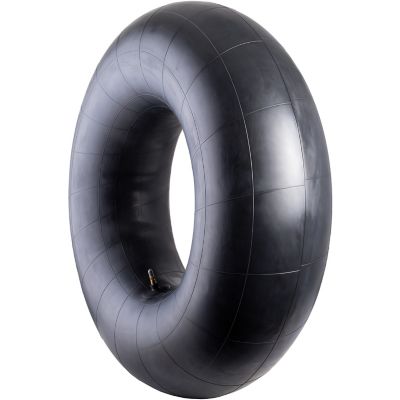
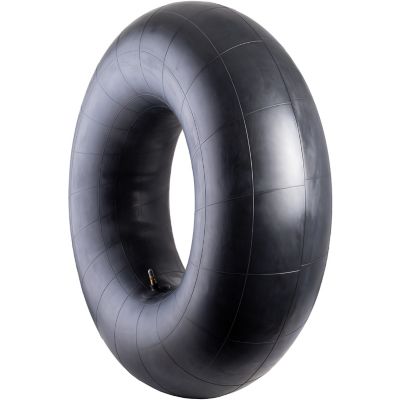
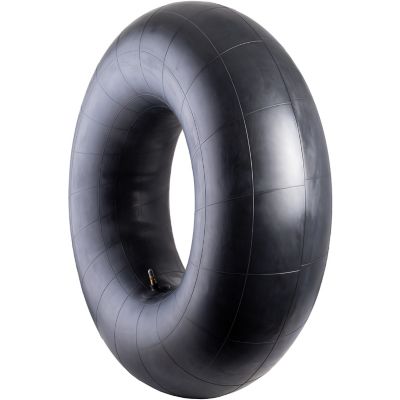
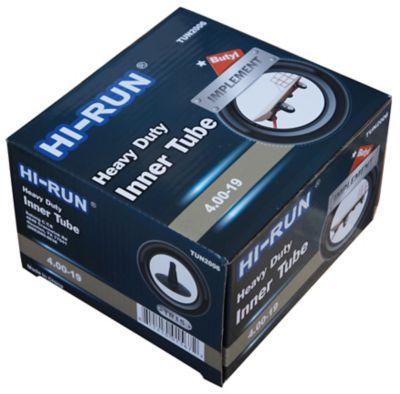
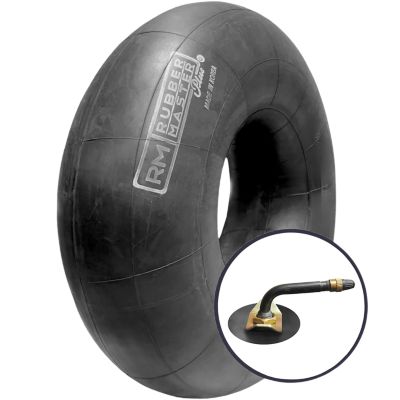
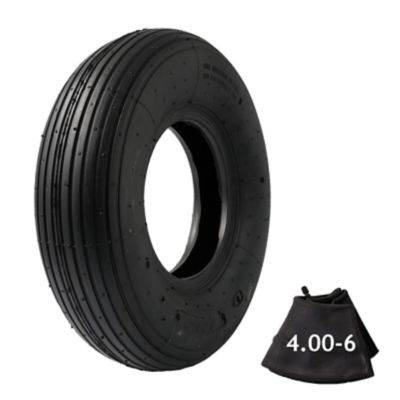
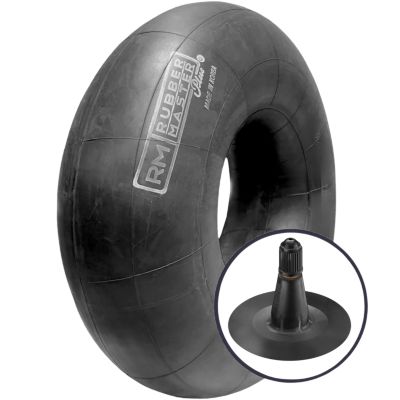
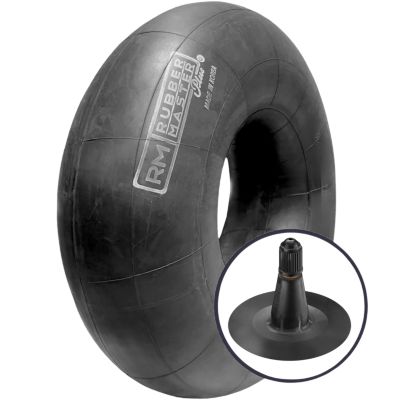
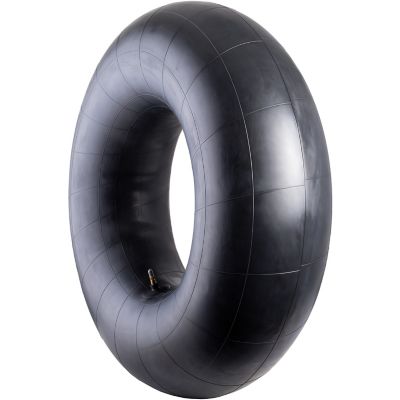
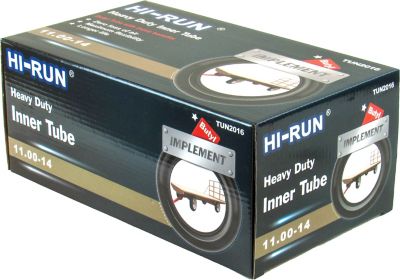
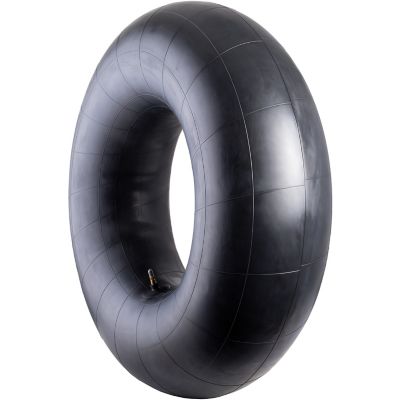
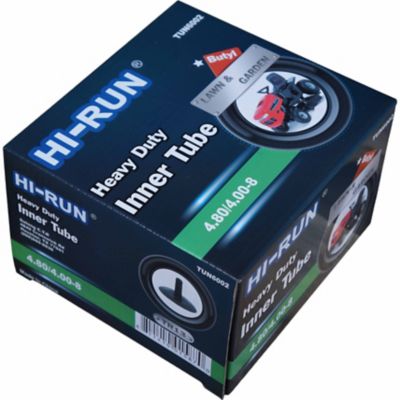
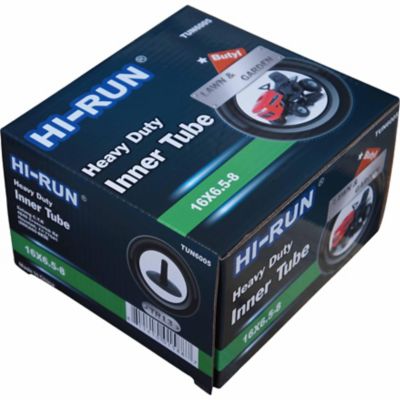
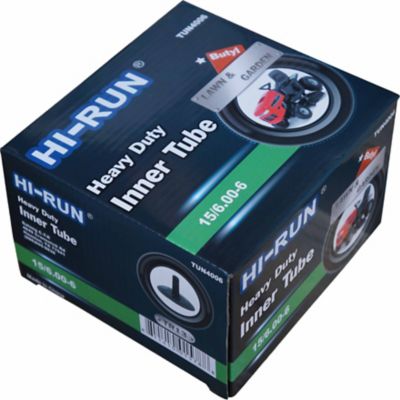
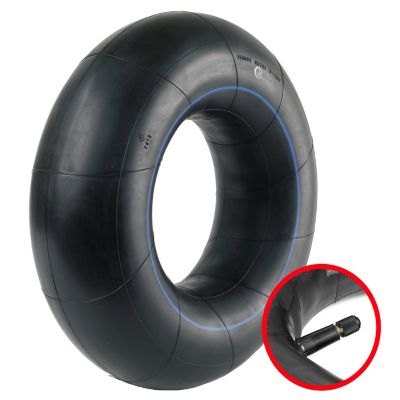
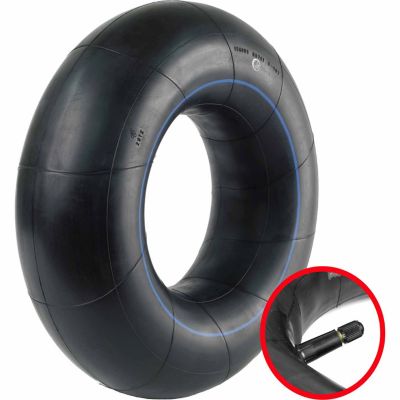
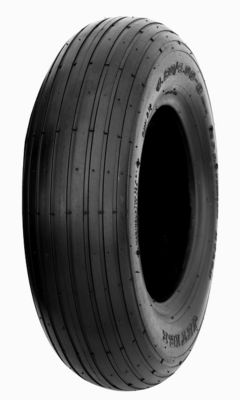
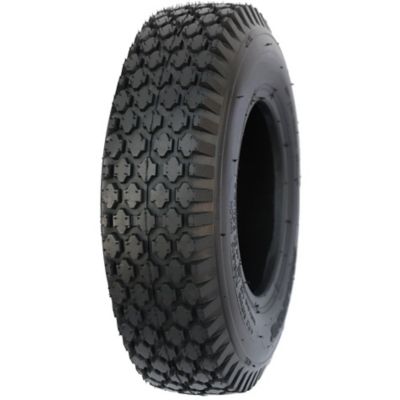
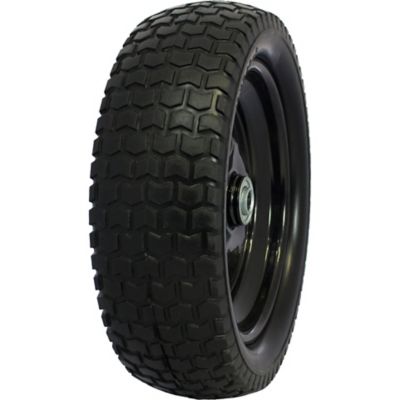
Inner tubes for wheelbarrow tires need to match the tire size, rim diameter, and valve opening so the wheel can hold air without folds, stretching, or a hard-to-reach valve. The tire’s sidewall is the best starting point for finding that match, with size markings such as 4.80/4.00-8 or 4.10/3.50-4 identifying different tire and rim combinations. In those examples, the final number indicates the rim diameter in inches, not the outside diameter of the inflated tire. An eight-inch rim and a four-inch rim call for different tube fitments, even if the wheels look similar at a glance. Some inner tubes cover more than one tire size, but the tire’s full size designation should appear among the tube manufacturer’s listed fitments. Matching only one number can leave out an important difference in width or diameter. That matters whether the wheelbarrow carries compost to a garden bed, feed sacks across a barn aisle, or gravel along a fence line. A properly matched tube helps keep a pneumatic wheel ready for those everyday chores without replacing wheel parts that still have plenty of service left. The tube holds the air inside the tire, while the outer casing protects it and provides the tread that meets the ground. Neither part does the other’s job. A sound tire with an air leak may need attention to the tube or valve, while split sidewalls, exposed cord, or a badly damaged bead point to a separate tire problem. For shoppers sorting out damage to the outer casing,
Wheelbarrow Replacement Tires covers the tire side of the repair. Wheelbarrow instructions and markings on the existing wheel can also help establish fit when the sidewall lettering is worn. The goal is a tube that belongs inside that particular tire and wheel assembly, rather than one that simply looks close in size. Matching those details helps preserve the familiar balance and handling of a wheelbarrow that already suits the job.
Rubber composition, valve style, and the condition of the surrounding wheel all influence how an inner tube performs. Butyl rubber is common in inner tubes because it resists air loss, while natural rubber and rubber blends can have different stretch and repair characteristics. Material descriptions are worth considering alongside fit, but no rubber compound makes a tube immune to thorns, sharp wire, or a nail hiding in a pile of boards. Heavier tube construction may offer added material between the air chamber and a puncture source, though thickness alone cannot prevent damage from a rough rim or a pinched installation. The valve deserves just as much attention as the rubber body. Straight and bent valve stems serve different wheel layouts, and the right shape leaves room to connect an air chuck without forcing the stem sideways. On a small wheel with limited space between the rim and hub, that clearance can make routine inflation much less of a chore. A stem that sits at an awkward angle or rubs against a rim opening can suffer strain, even when the tube size is otherwise correct. The valve opening also needs to suit the stem’s dimensions and any mounting requirements specified by the manufacturer. Tube selection should reflect the tire construction, too. Pneumatic tires have an air chamber; solid and flat-free wheels do not take an inner tube. A tubeless tire is a different setup, and adding a tube is appropriate only when the tire and wheel manufacturers permit it. Gardeners, livestock keepers, landscapers, and property owners all put different demands on a wheelbarrow, but the same fit considerations apply. A load of loose bedding may feel light at the handles, while wet soil or crushed stone puts much more weight over the wheel. The tire, rim, and wheelbarrow load ratings still govern the job; fitting a new tube does not raise those limits. Air cushioning can soften travel over ruts and uneven ground, but a balanced load remains important for control.
Long service starts with giving the tube a smooth, properly fitted place to work. A puncture can come through the tread, but damage can also begin inside the tire, where a thorn tip remains lodged in the casing or a rough patch on the rim presses against the rubber. Rust flakes, burrs around the valve hole, and debris trapped between the tube and tire deserve attention before a replacement goes into service. Otherwise, the same trouble can return on the next trip across the yard. A small, clean puncture may be repairable with a patch intended for that tube material, while a torn valve base, deteriorated rubber, or extensive damage generally calls for replacement. Looking at where an old tube failed can help distinguish a tread puncture from rubbing, pinching, or valve strain. Proper inflation matters after the repair as well. Too little air allows excessive tire flex and can leave the tube vulnerable to pinching under a heavy load; too much air can exceed the limits of the assembly. The wheelbarrow manufacturer’s pressure recommendation, together with the limits marked on the tire and other components, provides the right reference rather than a guess based on how firm the tire feels. A pressure gauge is especially helpful on small tires, where a brief burst from an air hose can change pressure quickly. Keeping the valve cap in place helps keep dirt out of the valve area during trips through loose soil, sawdust, and bedding. Spare tubes benefit from clean storage away from direct sunlight, petroleum products, sharp tools, and anything that could cut or crease the rubber. For a wheelbarrow that moves between the shed, garden, and livestock pens, these small details help keep a simple repair from becoming a repeated interruption. The right replacement tube supports the work already at hand: getting a loaded wheelbarrow from one end of the property to the other with less wrestling at the handles.