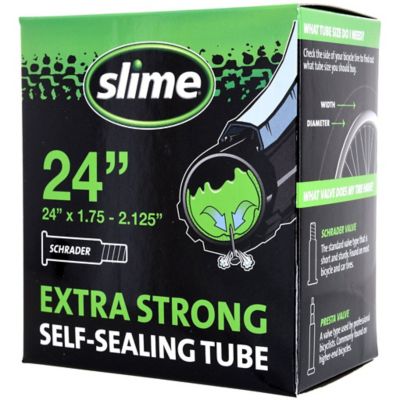
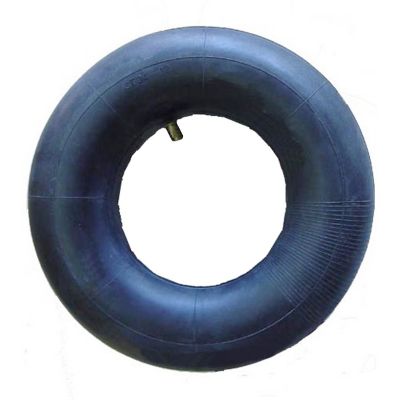
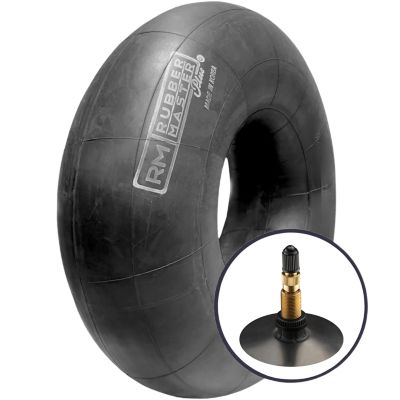
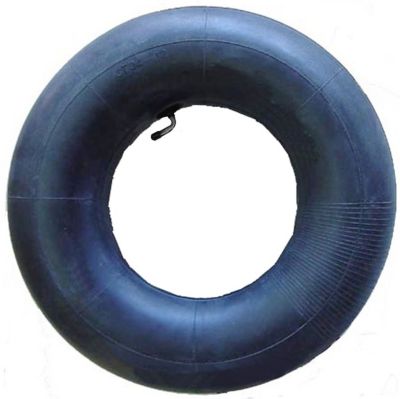
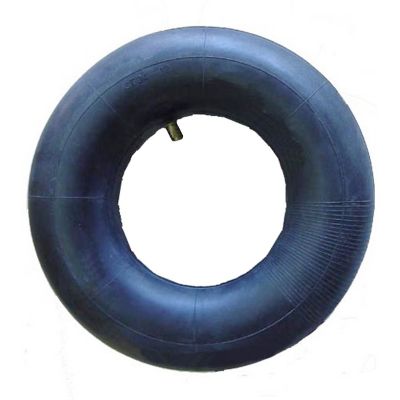
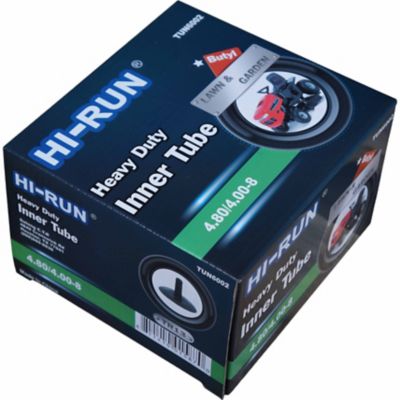
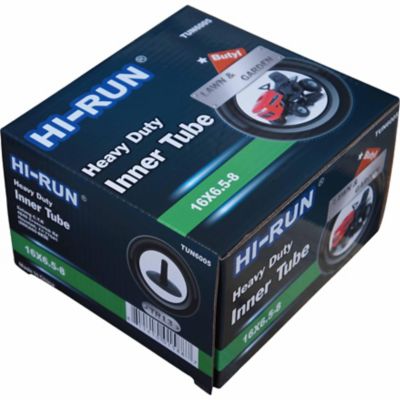
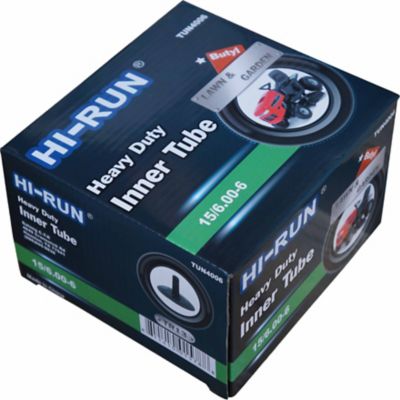
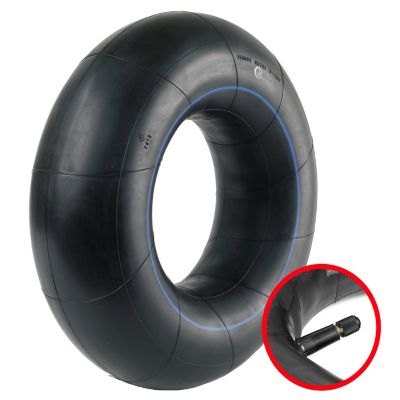
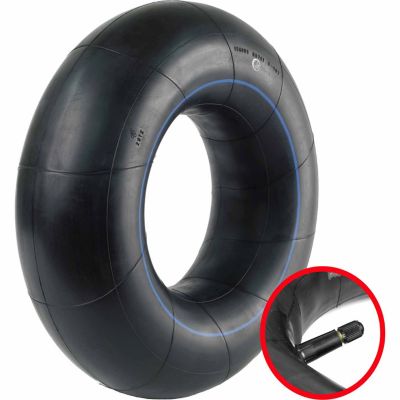
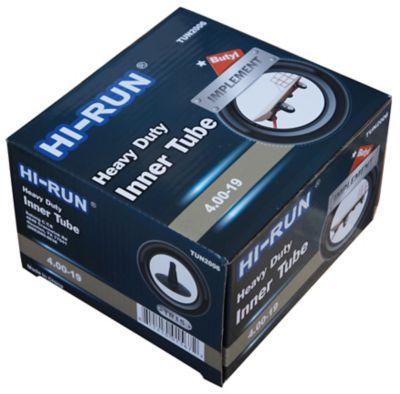
A bike inner tube is an inflatable ring that sits inside a bicycle tire, holds air and helps the tire cushion the ride. On a tube-type bicycle wheel, the tire forms the outer contact surface while the inner tube maintains the air pressure inside it. The two parts work together, but they serve different jobs: a fresh tube cannot make up for a tire with a split casing, exposed cords or a badly damaged bead. Bike inner tubes suit a wide range of everyday riding, from a child pedaling down the driveway to an adult taking a gravel lane into town. A bicycle that carries someone along paved paths may need a different tube size and construction than a mountain bike rolling over roots and loose stones. Most conventional bicycle tubes are made from butyl rubber, a flexible material that holds air well and fits the needs of many recreational riders. Standard butyl tubes offer a practical balance of weight, air retention and everyday service. Heavier-wall versions add material between the air chamber and small puncture hazards, although they also add weight to the wheel. Lightweight tubes reduce that weight, which can matter more to riders covering longer distances or paying close attention to how their bikes handle. Specialty materials include latex and thermoplastic polyurethane, often called TPU. Latex tubes generally lose air faster than butyl, while TPU designs can pack down small; both require attention to the manufacturer’s compatibility requirements for tires, rims, brakes and repair supplies. No tube material makes a bicycle flat-proof. For most riders, the best match starts with the bicycle’s existing wheel and tire setup, followed by the kind of ground the bike crosses and how often it heads out. A spare for a family bike deserves the same fit check as one carried in a saddlebag on a long ride.
Bike inner tube sizing depends on two main measurements: wheel diameter and tire width. The replacement tube must match the tire’s diameter and include its width within the range printed on the tube packaging. Common bicycle tire markings include 20-inch, 26-inch, 27.5-inch, 29-inch and 700c sizes, but the full sidewall marking matters more than a general wheel-size description. A tube labeled for a range of widths can expand to fit several tire widths within that stated range; that flexibility does not make it suitable for a different wheel diameter. The International Organization for Standardization, or ISO, marking provides another useful reference. On a tire marked 50-559, for example, 50 indicates the nominal tire width in millimeters, and 559 identifies the bead seat diameter. Matching that diameter helps prevent confusion between wheel sizes that sound alike but do not share the same fit. Even sizes with a shared bead seat diameter can need different tube widths: 700c and 29-inch tires commonly share a 622-millimeter bead seat diameter, yet their tire widths can differ considerably. Valve type is the next important distinction. A Schrader valve is the wider style found on many recreational bicycles and resembles the valve on a car tire. A Presta valve is narrower and has a small threaded tip that opens before inflation, making it common on road bikes and many mountain bikes. The rim’s valve opening and the tube’s valve type need to be compatible, and the pump head must support that valve or an appropriate adapter. Valve length matters, too. A deep rim needs enough valve stem extending beyond the rim for the pump head to attach securely. A stem that barely clears the opening can make routine pressure checks a chore. For a household with several bicycles leaning against the shed wall, noting each tire size and valve style helps keep replacement tubes matched to the right wheels.
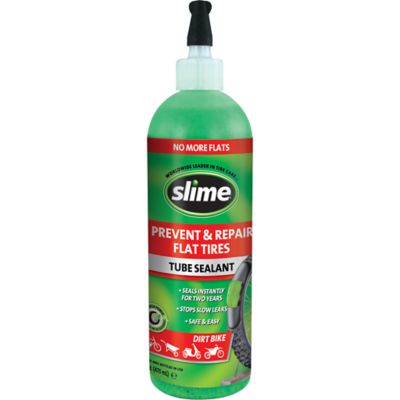
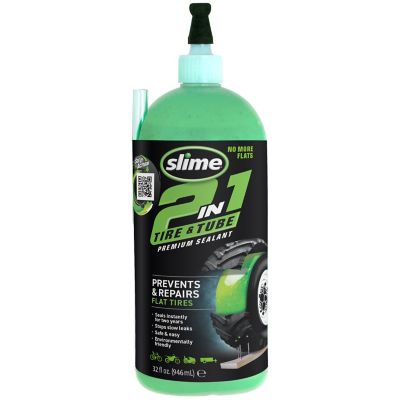
Construction and care make a difference once the size and valve are settled. Puncture-resistant bike tubes generally have thicker walls, while self-sealing tubes contain a compound intended to close certain small holes in the tread area. Those features can be helpful on routes with scattered thorns or other small, sharp debris, but they do not prevent every flat. Large cuts, sidewall damage, valve tears and pinch flats fall outside what many sealing compounds can handle. Products grouped under
Equipment Tire And Tube Sealant can have different applications, so any formula considered for a bicycle needs labeling that supports the tube material, valve and intended setup. Sealant for a tubeless tire is not automatically suitable for an inner tube. The condition of the surrounding parts matters just as much as the tube itself. A thorn left inside the tire, a rough rim edge or rim tape that no longer covers the spoke holes can damage a replacement tube before the next outing gets far. Proper seating keeps the tube from becoming trapped beneath the tire bead, and a straight valve stem helps avoid strain at its base. Inflation should follow the applicable tire and rim limits, with pressure suited to the rider’s load and riding conditions rather than a number chosen from habit. Too little pressure increases the chance of the tube getting pinched between the tire and rim when a wheel strikes a rock or sharp edge. Routine pressure checks also help reveal slow air loss before a ride. For storage, spare tubes belong away from sharp tools, oils and direct sunlight, preferably in protective packaging that keeps the valve from rubbing against the folded rubber. A compatible patch kit can handle some small punctures, while torn valve bases and larger splits generally call for replacement. Keeping a correctly sized spare with basic tire tools can turn a flat along a fence line or halfway down a trail into a manageable stop rather than a long walk home.