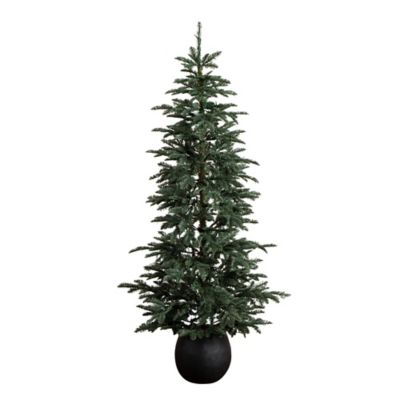
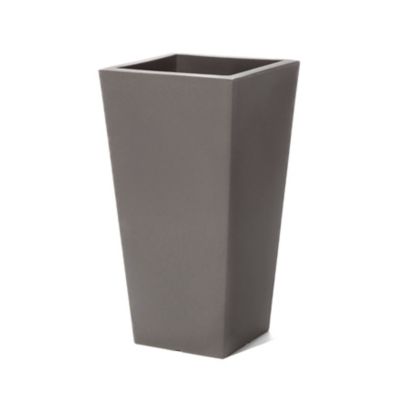
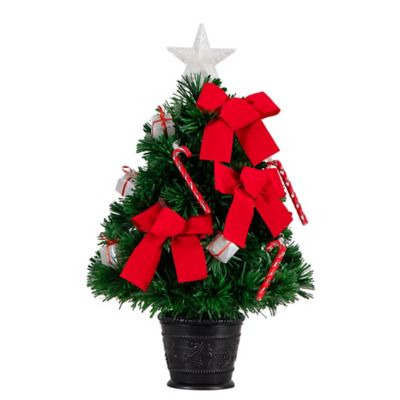
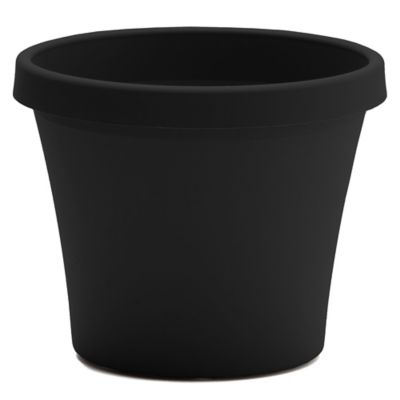
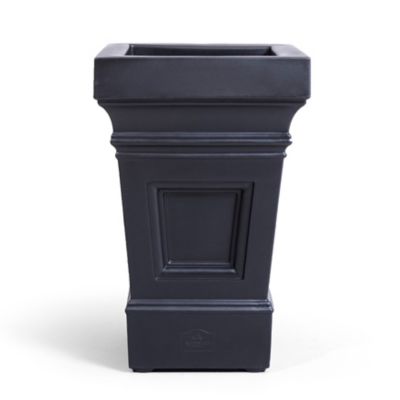
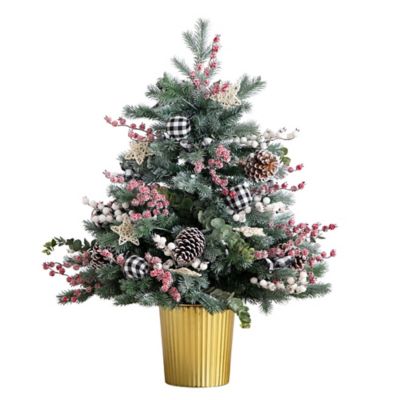
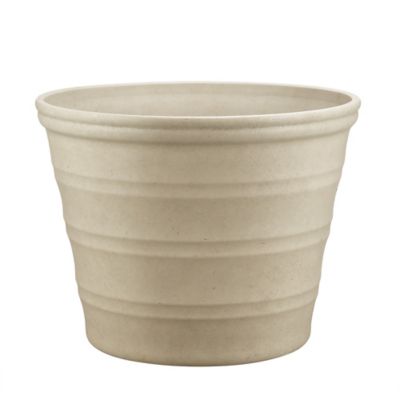
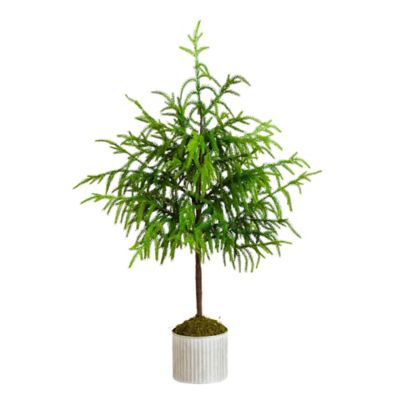
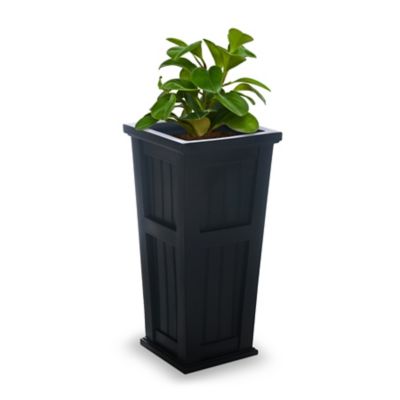
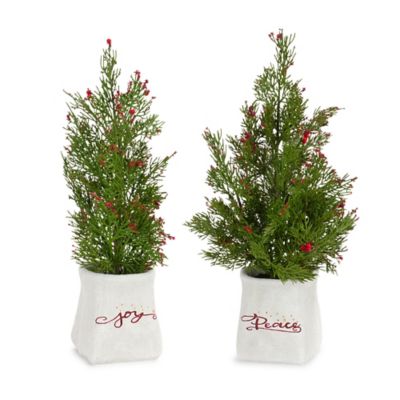
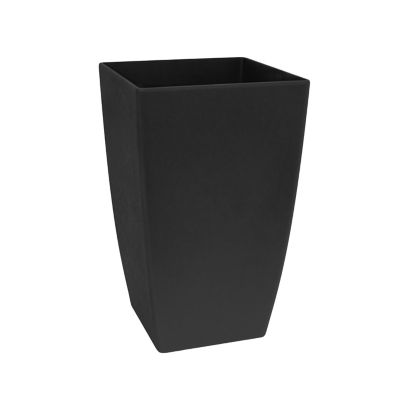
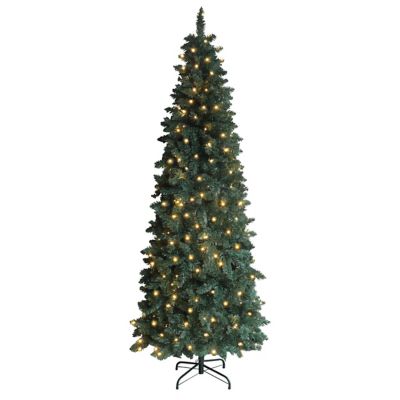
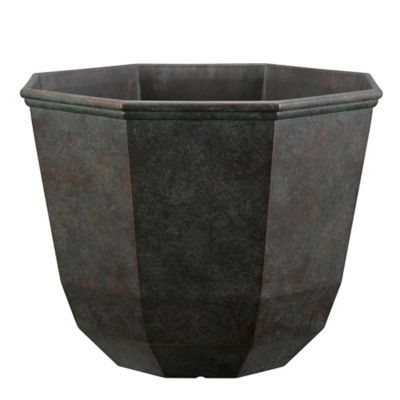
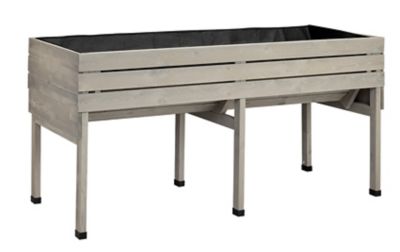
Planters for Christmas trees give a holiday tree a finished base while keeping a stand, nursery pot, or root container out of sight. They can bring the look of a weathered farm bucket, a painted wooden box, or a simple porch urn into a Christmas display, but the right fit depends on what the container needs to hold. A living tree with roots needs room for its root ball and a way for excess water to drain. A cut Christmas tree needs a proper tree stand with a water reservoir, even when that stand sits inside a larger planter. An artificial tree needs the support specified for its base; an empty pot alone does not take the place of a secure stand. That distinction matters whether the tree is a little tabletop evergreen near the kitchen window or a taller centerpiece beside the fireplace, safely clear of heat and sparks. Deep containers can conceal the legs of a stand, while broad, lower planters leave more room beneath spreading branches. The opening has to accommodate the widest part of the stand or inner pot, not just the trunk. Interior depth, bottom width, and any inward taper also affect the fit, especially with urns that narrow below the rim. A generous opening makes it easier to reach a cut tree’s water reservoir without shifting branches or ornaments. Outside measurements help tell whether a planter will sit comfortably beside a sofa, along an entry wall, or on a porch landing without crowding the walkway. For homes where children gather around presents or pets curl up beneath the branches, a broad footprint and a properly supported tree matter more than extra height. A tall container can lift a small tree into view, but it also raises the display’s center of gravity. The most useful Christmas tree planters balance the look of the room with enough interior space, access, and support for the tree they surround.
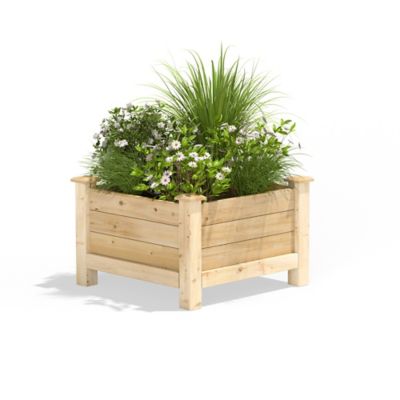
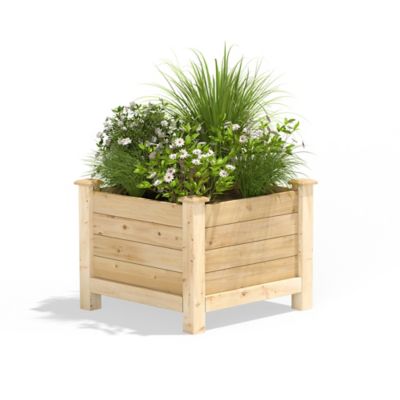
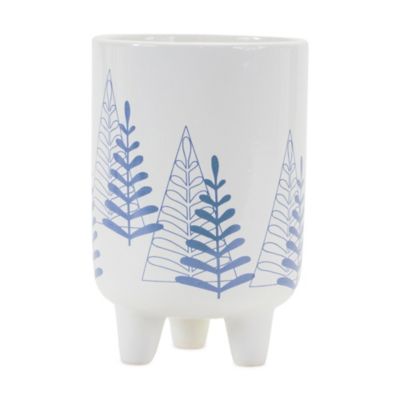
Material makes a difference in both appearance and everyday handling. Galvanized metal brings a familiar barn-and-garden feel to a tree base and is often easier to move than stone or substantial ceramic. Metal containers are not necessarily watertight, though, and seams, drainage openings, and the condition of the finish all deserve attention when the planter will sit on an indoor floor. Wooden boxes pair naturally with evergreen branches, plaid ribbon, and a room full of family ornaments. Their flat sides can tuck neatly beside furniture, but unfinished wood can absorb moisture, and slatted construction will not contain spills. A separate waterproof liner or properly fitted inner container helps keep damp soil and stray water away from the wood without blocking drainage from a living tree’s pot. Ceramic and stone planters add weight at the base, which can be helpful, although weight alone cannot secure a tree. Their heft also makes a full container harder to reposition, so the combined weight of the planter, tree, soil, and water is worth considering before setting one on a table or raised surface. Resin and other molded materials can offer the appearance of heavier pots with less lifting, a practical choice for households that move holiday displays between storage and the porch. Their suitability for outdoor exposure varies by construction and manufacturer guidance. For a Christmas tree beside the front door, resistance to moisture, sunlight, and freezing conditions matters as much as color or shape. Porous pots can crack when trapped water freezes, and a sheltered porch still gets wind-driven rain or snow. Drainage holes need to remain open, with a saucer or floor protection suited to the location. Indoors, a non-scratching barrier beneath the container helps protect finished floors, while occasional checks under the base catch condensation or overflow before either leaves a mark. Simple surfaces and accessible interiors also make cleanup easier after fallen needles, soil, and water collect around the tree.
The intended setting helps narrow the choices among Christmas tree pots, tubs, boxes, and urn-style planters. A pair of small trees flanking a farmhouse doorway calls for containers that fit the landing, leave the door free to swing, and suit outdoor exposure. A single living tree in a mudroom needs enough light for the species and space away from heating vents, along with a container that allows watering without leaving the roots standing in water. Living evergreens generally do best with only a brief stay inside a heated home; the length of that stay depends on the tree and local conditions, rather than the holiday schedule alone. A roomy outer planter can hold the nursery pot throughout the display, making it easier to lift the tree out for care or its next location. For a cut tree in the family room, the planter works as a cover around the water-holding stand, with clearance for checking the water level regularly. For an artificial tree, a broad container can conceal the original base while keeping its supports fully in place. Loose moss, cloth, or ribbon may soften the view around the rim, but those finishing touches are not structural support and should stay clear of electrical connections and watering access. Families hosting Christmas supper may favor a smaller footprint that leaves room for chairs, while someone setting up a tree in a cabin or enclosed entry may value a lighter container that is easy to carry and store. A planter can also make a thoughtful gift for a gardener who enjoys a small living Christmas tree, particularly when the container suits plants beyond the holiday. For another flowering holiday favorite,
Planters For Christmas Cactus offer a related option for smaller indoor displays. After Christmas, clean, fully dry containers are easier to put away, and finishes generally fare better when soil and standing water are not left against them. With the tree’s needs and the household’s space in mind, a well-fitting planter gives the Christmas display a grounded, tidy finish without getting in the way of everyday life.