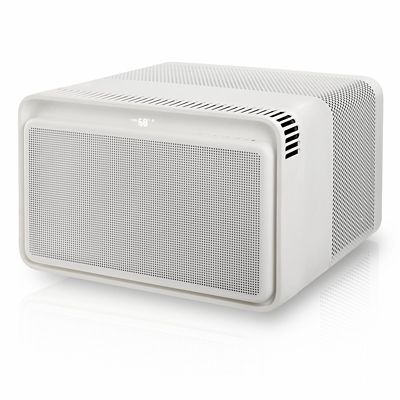
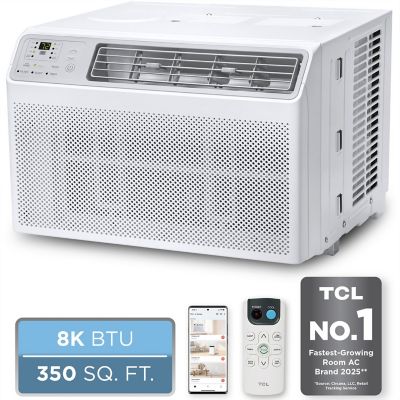
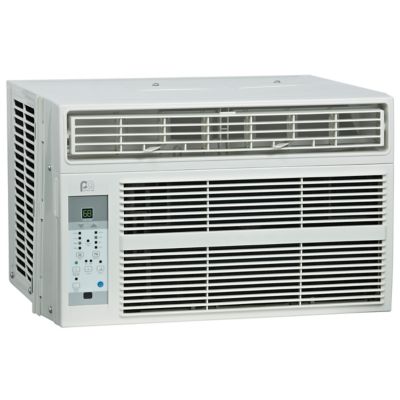
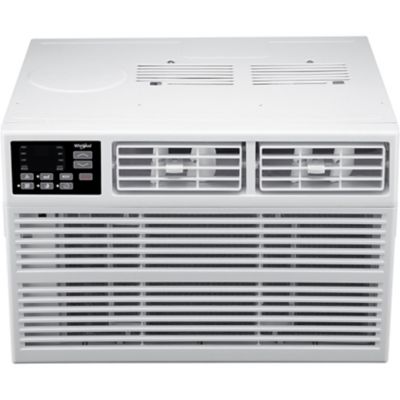
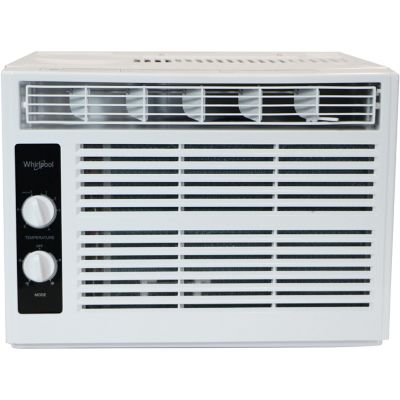
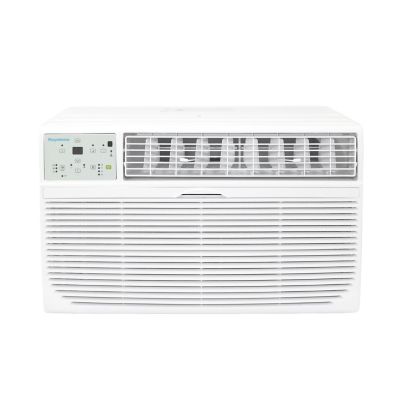
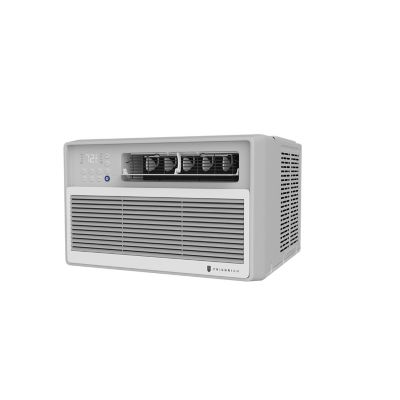
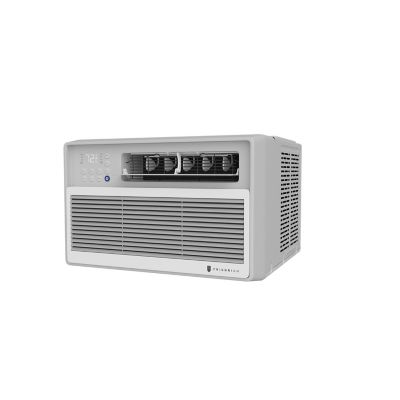
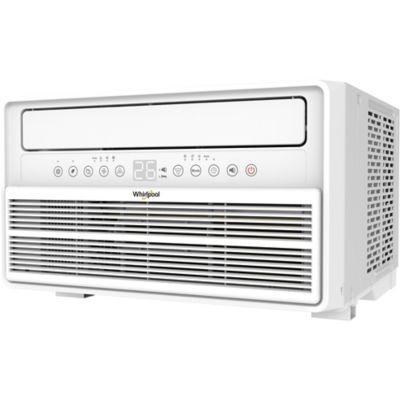
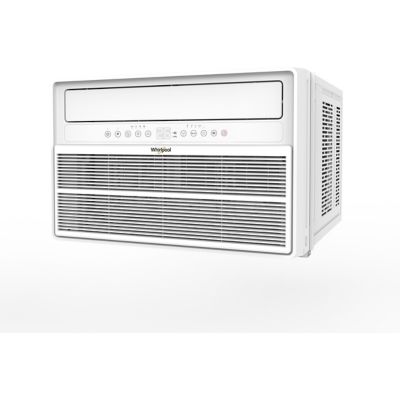
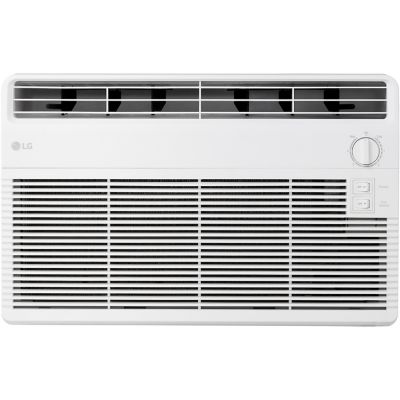
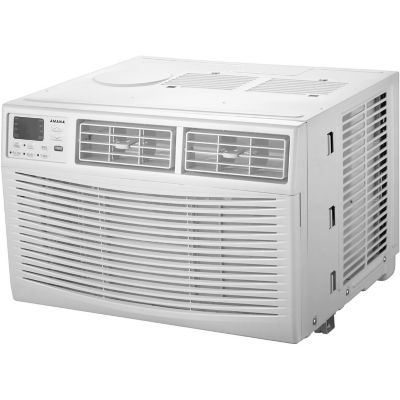
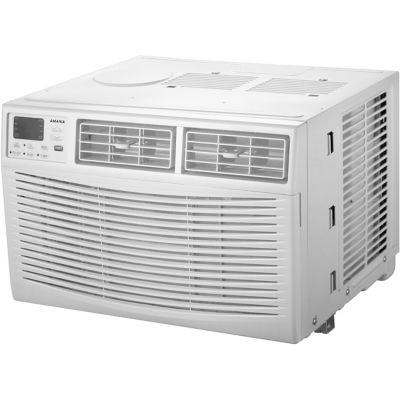
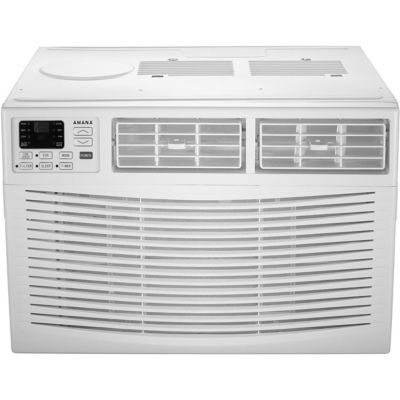
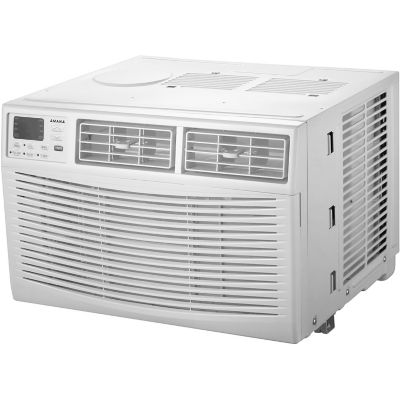
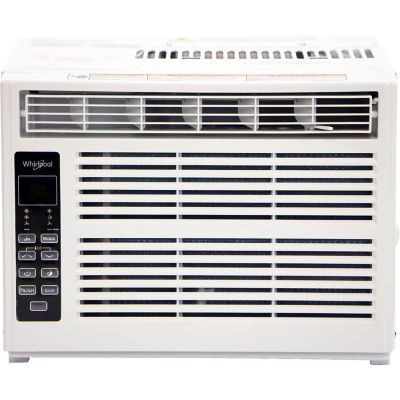
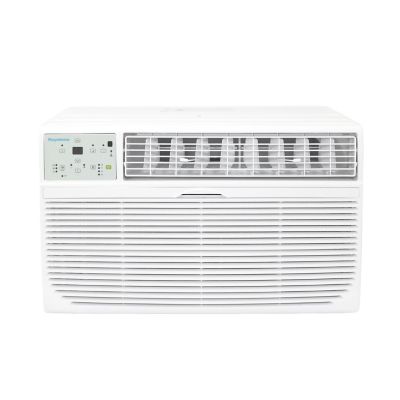
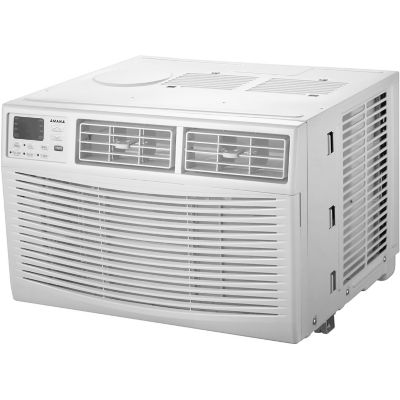
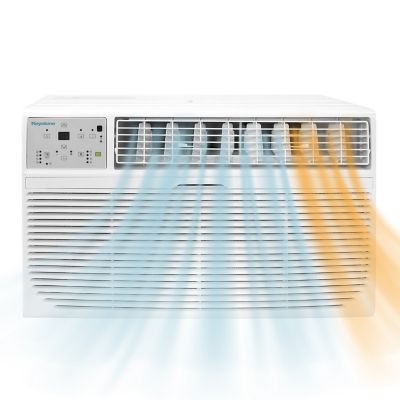
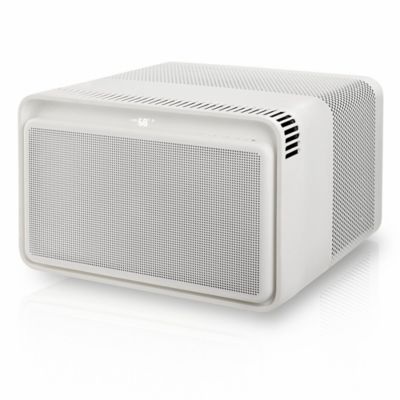
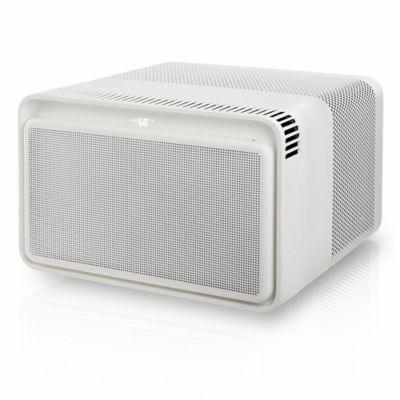
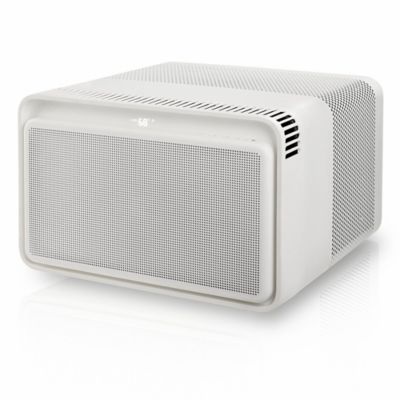
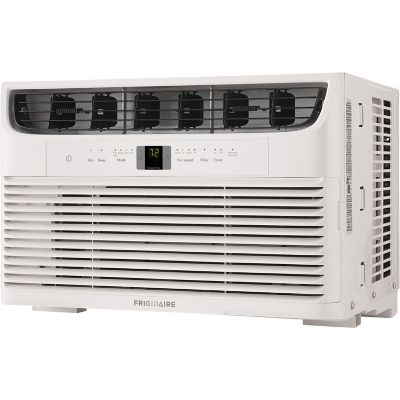
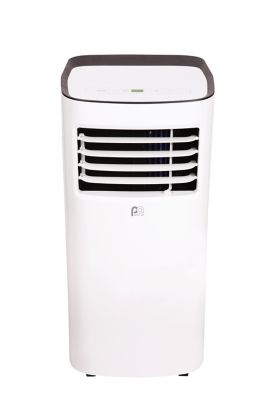
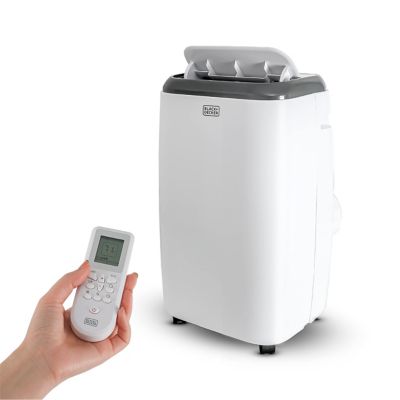
Easy installation air conditioners bring room-by-room cooling to places where extending central air may not make sense, from a farmhouse bedroom to an enclosed home office off the mudroom. The simplest fit depends on the space: window air conditioners keep most of the equipment in the window opening, while portable air conditioners stand indoors and send warm air outside through an exhaust hose. Features that can simplify setup include preassembled frames, clearly marked mounting hardware, adjustable window panels, and accessible filter compartments. Those details matter when the goal is a comfortable room without turning installation into a major project. Window units are often a practical match for compatible double-hung windows, which open vertically, but fit depends on the model’s minimum and maximum opening dimensions, sill requirements, and weight. A narrow bedroom window and a wide kitchen window may call for different mounting arrangements, even when the rooms need similar cooling capacity. Included side panels help close gaps around a unit; weather seals help limit drafts and keep cooled air from escaping. Neither takes the place of the support hardware required by the manufacturer. U-shaped window air conditioners have a channel that allows a compatible window sash to close between sections of the unit, a design that can help separate indoor space from compressor noise. Saddle-style designs straddle the sill, placing sections of the equipment on opposite sides of the wall and potentially leaving more of the window view open. These designs have different clearance and support requirements, so the two names are not interchangeable. Traditional box-style window air conditioners remain another option, with a more familiar cabinet shape and mounting arrangement. Metal cabinets, molded plastic front panels, and adjustable louvers serve different purposes: the cabinet houses the equipment, the front provides access to controls and filters, and the louvers direct airflow toward the living space. For any window design, an easy installation still means a secure fit, proper support, and a window location that does not block a required emergency exit.
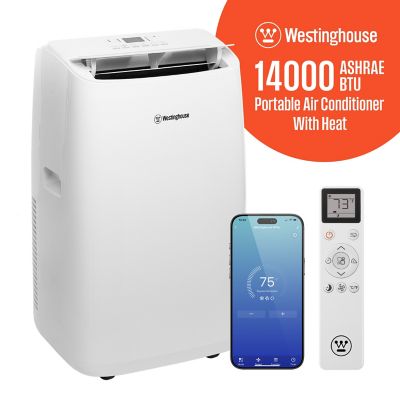
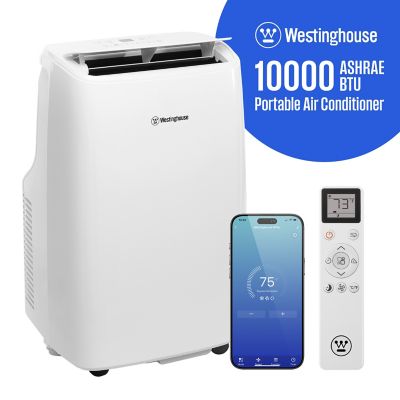
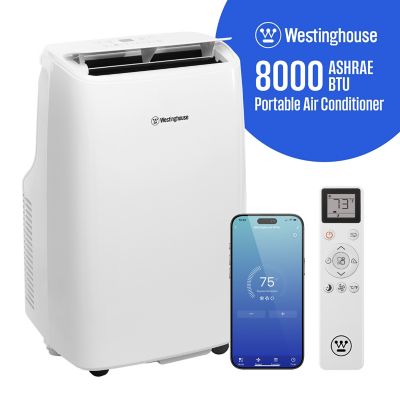
Portable air conditioners suit rooms where a compatible exhaust panel can fit the window and there is enough floor space around the cabinet. They keep the main appliance on the floor, avoiding the need to lift it into a window opening, though the unit itself can still be heavy. Casters and built-in handles make movement across a level floor more manageable; stairs, thick rugs, and raised thresholds are another matter. A portable unit is not a vent-free cooling appliance. Its hose carries heat outdoors, and the window kit needs to fit securely so that hot outside air does not flow back around the panel. Many kits fit certain vertical or horizontal sliding windows, while crank-out windows may require a separate compatible solution. Single-hose models draw room air through the appliance and exhaust some of it outdoors. Dual-hose designs provide separate paths for outdoor intake and exhaust, which can reduce the amount of conditioned room air pulled outside. Both need the clearances and hose arrangement specified for the appliance. In a spare bedroom that doubles as a sewing room, that might mean reserving a spot near the window rather than tucking the cabinet behind a chair. Moisture handling also varies: some designs evaporate much of the collected water during cooling, but humid conditions or certain operating modes can still require draining. Ductless mini-split air conditioners offer another approach for spaces such as finished additions or enclosed backyard offices, with an indoor air handler connected to an outdoor unit. Some systems have precharged line connections intended to simplify part of the installation, but wall penetrations, mounting, electrical work, and local permit requirements still apply. They are a more involved undertaking than a typical window or portable setup. Across these categories, electrical compatibility deserves as much attention as physical fit. Voltage, outlet configuration, circuit capacity, and manufacturer requirements all matter; extension cords and power strips are generally not appropriate substitutes for a suitable wall outlet.
Room size helps narrow the choice, but square footage alone does not tell the whole story. A shaded downstairs bedroom has a different cooling load than an upstairs room with afternoon sun, low attic insulation, and a ceiling that holds heat long after sundown. Air conditioner capacity is expressed in BTUs per hour, and the manufacturer’s room-size recommendations provide a starting point alongside ceiling height, sun exposure, occupancy, and heat from nearby appliances. An oversized air conditioner can cycle off before removing enough moisture, leaving a room cool but clammy, while an undersized unit may struggle to reach the set temperature. For portable models, comparing the same capacity rating method matters; the seasonally adjusted cooling capacity, or SACC, accounts for operating effects that a higher conventional BTU figure may not reflect. Intended use matters, too. A sleeping space may benefit from lower published sound levels, dimmable displays, and airflow that does not blow straight across the pillow. A home office may call for steady temperature control through a long afternoon. Timers, remote controls, and adjustable fan speeds add everyday convenience, while
WiFi Air Conditioners can offer app-based settings and scheduling when paired with a compatible home network. Connected functions vary, and some require a particular wireless network band. For longer service life, accessible filters and straightforward drainage arrangements are worth considering alongside installation features. Dust from gravel lanes, pet hair, and lint can collect at indoor air intakes, making routine filter care especially important in busy country homes. Washable filters need cleaning and complete drying according to the manufacturer’s directions; other filter types need replacement as specified. Outdoor-facing sections need unobstructed airflow, with leaves and grass clippings kept clear of vents. When cooling is no longer needed during the cooler months, seasonal removal, storage, or protection depends on the appliance and its instructions. A secure installation, sensible room match, and manageable upkeep make these air conditioners a practical way to keep the spaces where folks sleep, work, and unwind more comfortable.