Premium Dry Dog Food
Shop premium dry dog food for everyday meals, with a range of kibble options to help you find the right fit for your dog’s size, age, dietary needs, and preferences. Compare recipes, bag sizes, and trusted brands to choose a premium dry dog food that works for your pet and routine.
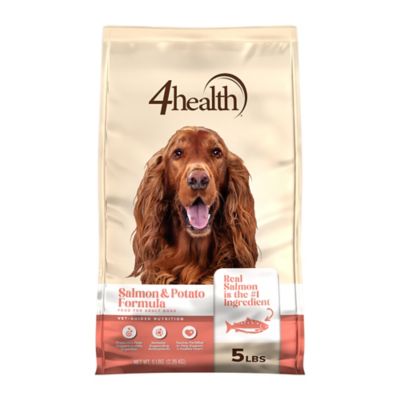
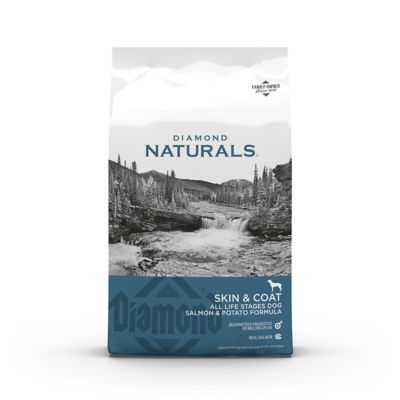
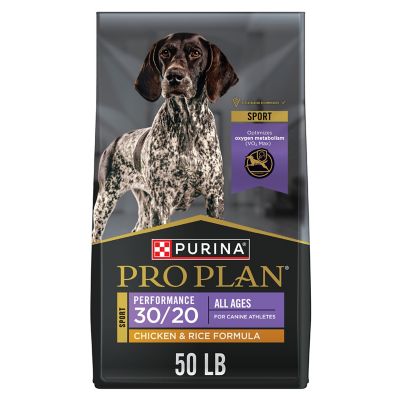
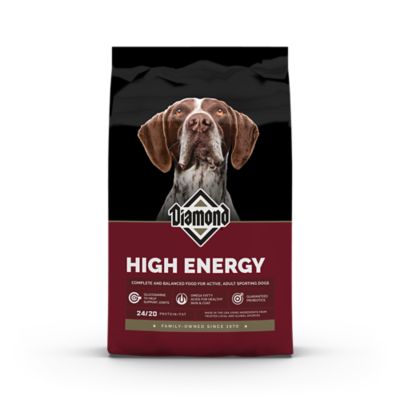
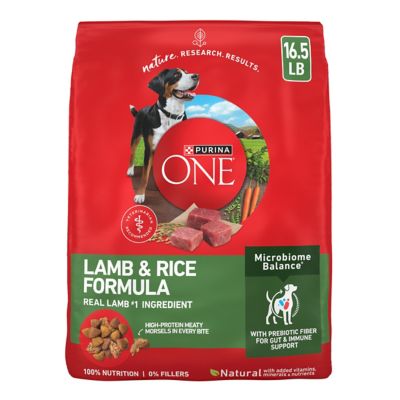
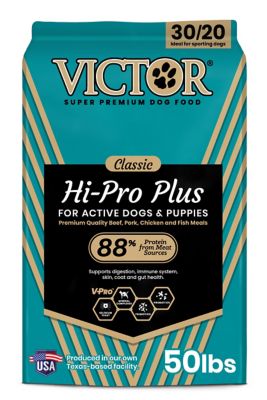
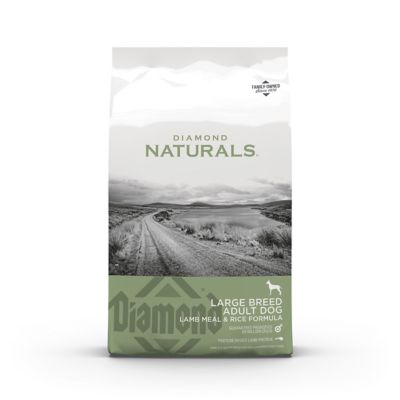
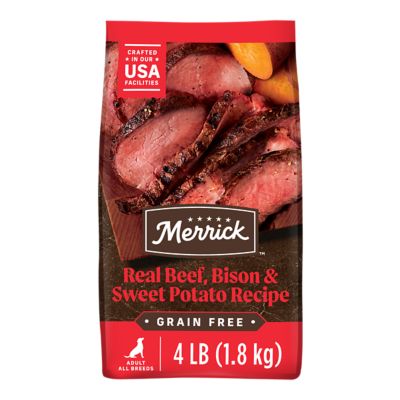
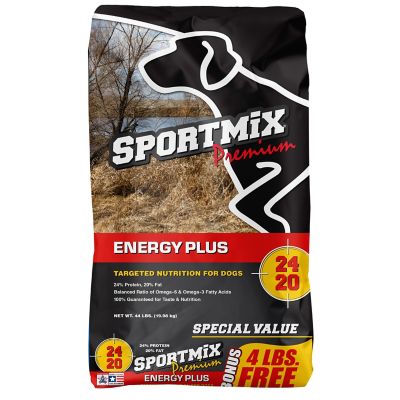
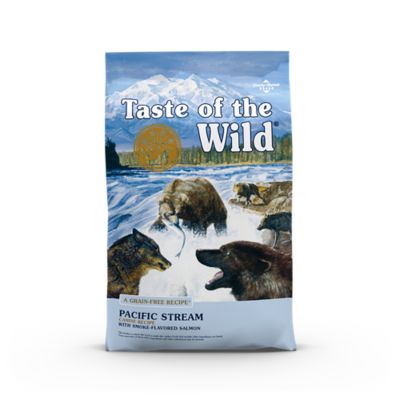
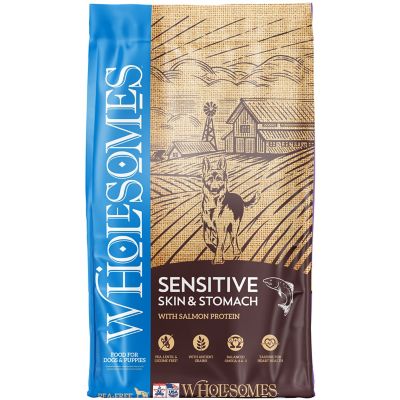
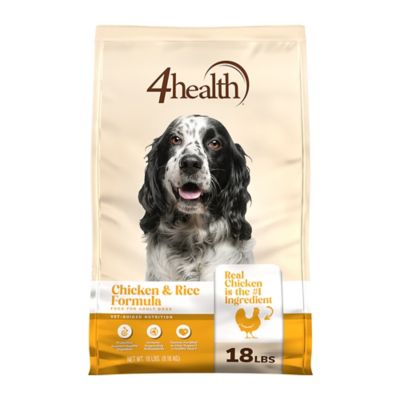
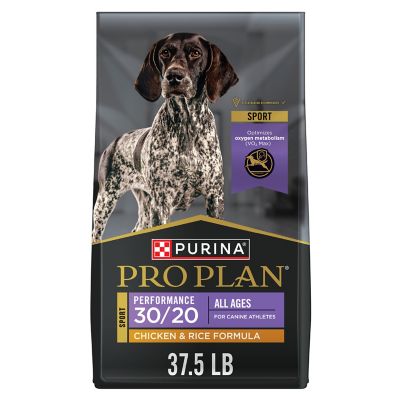
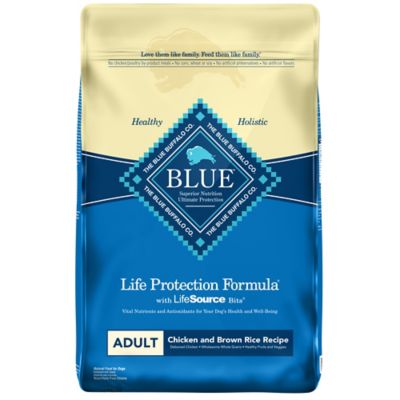
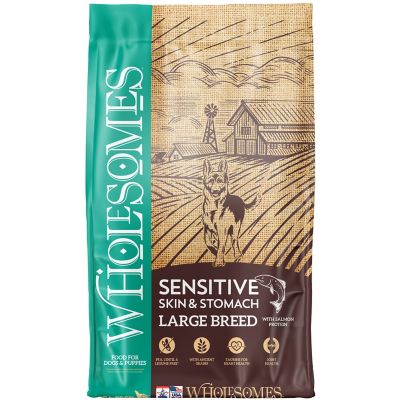
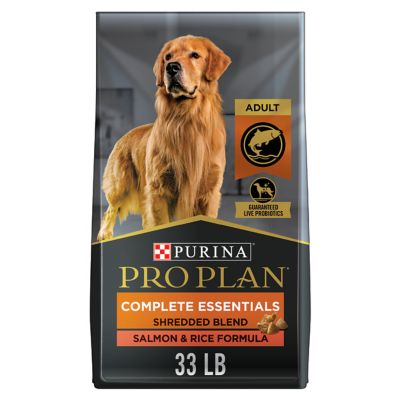
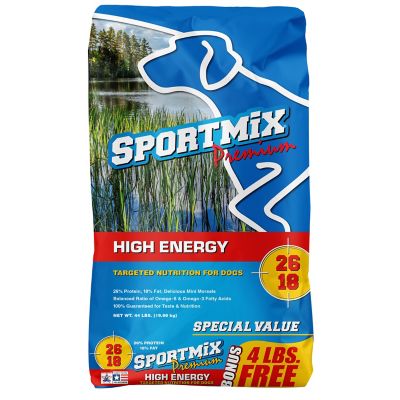
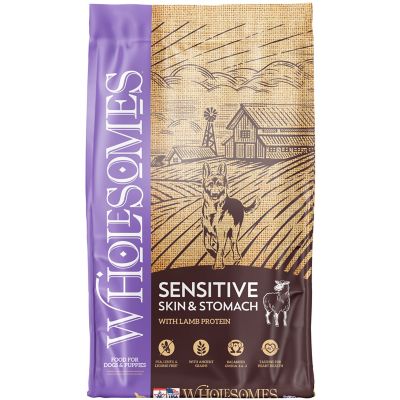
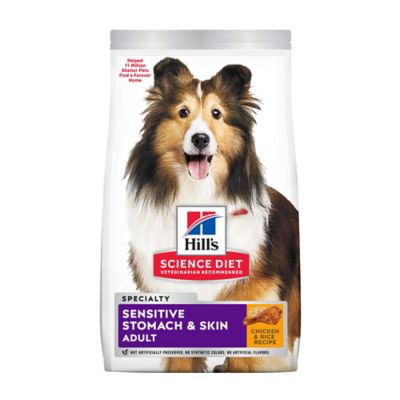
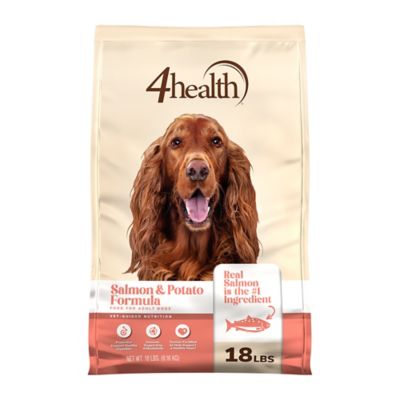
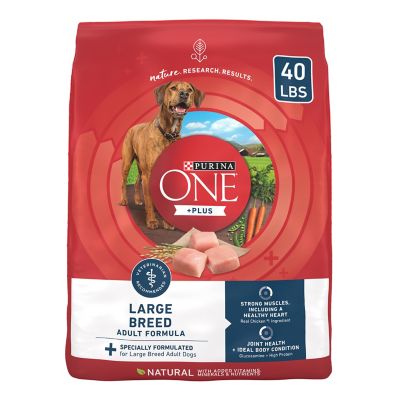
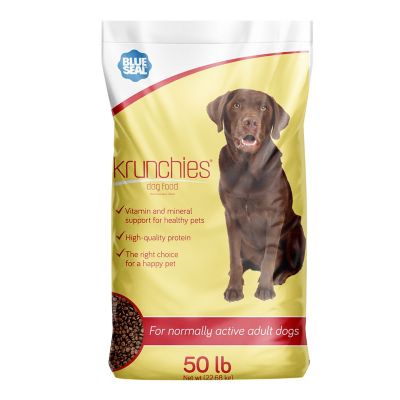
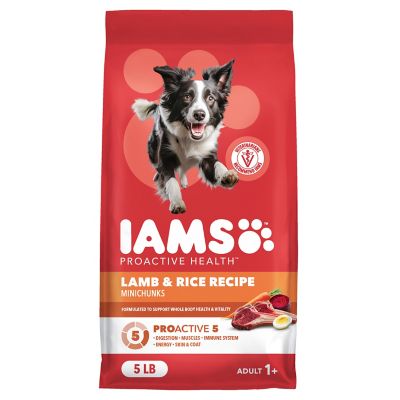
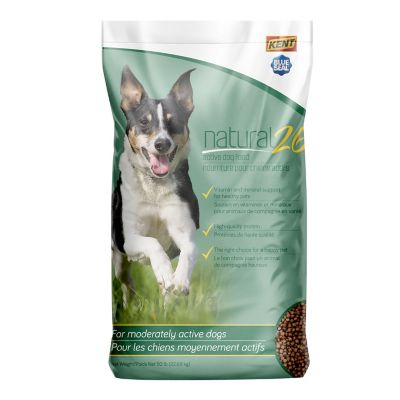
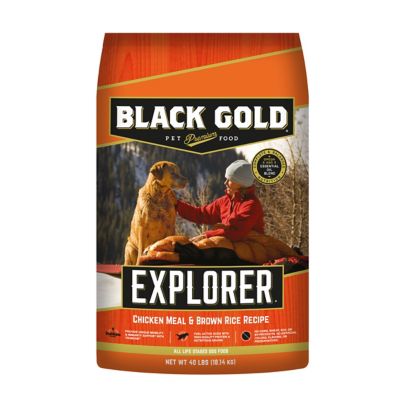
$39
.99
Sale Was $44.99 Save $5.00 (11%)
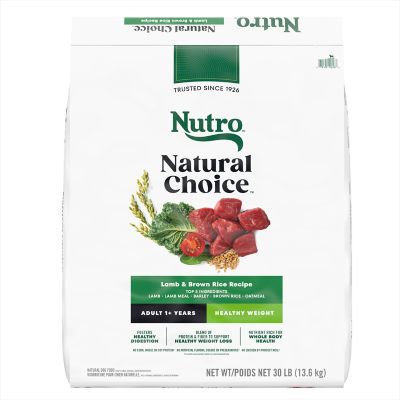
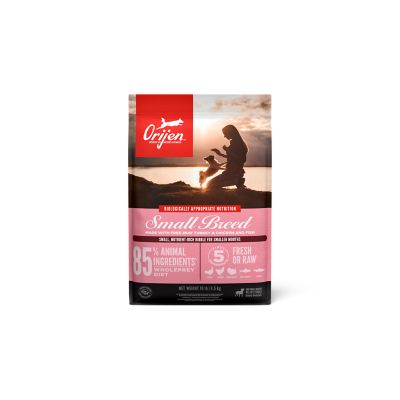
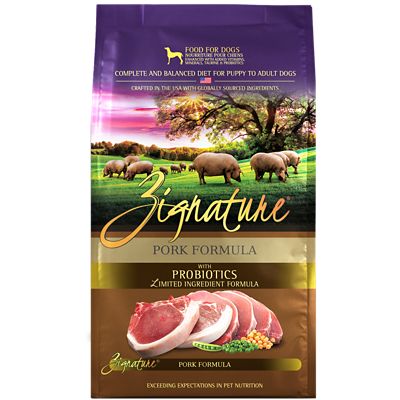
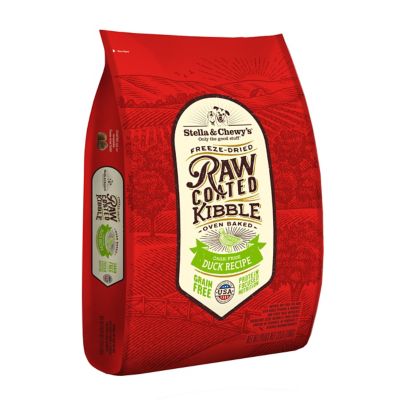
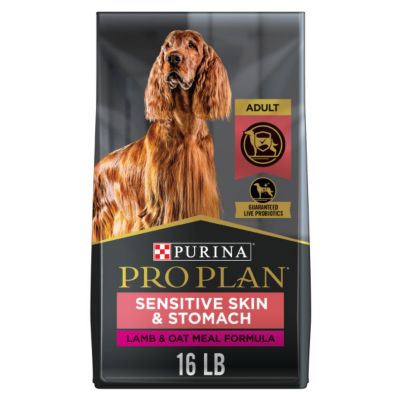
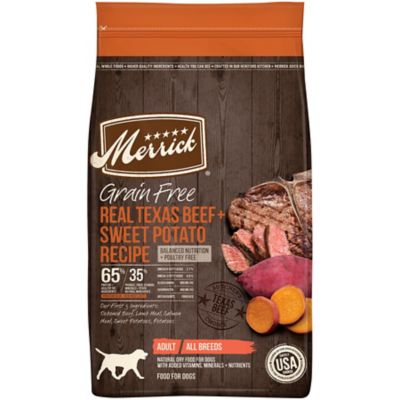
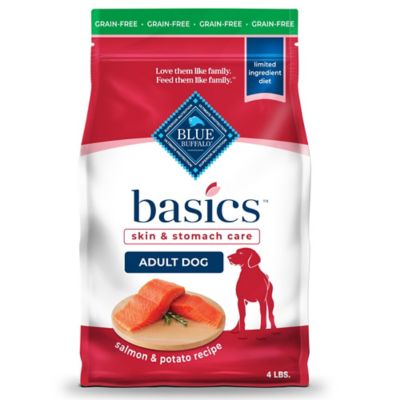
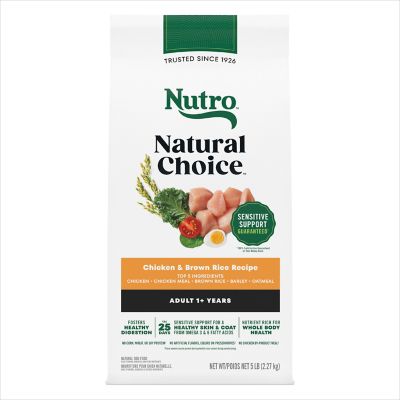
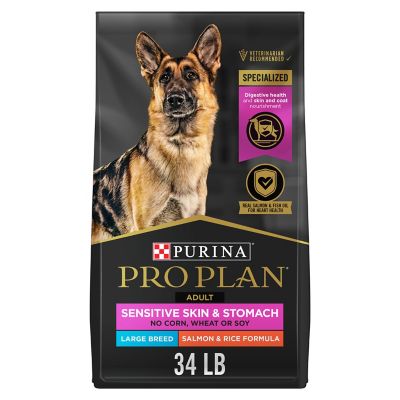
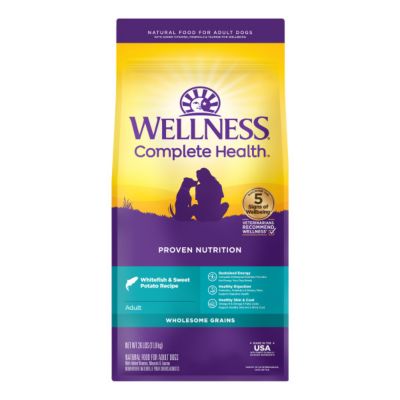
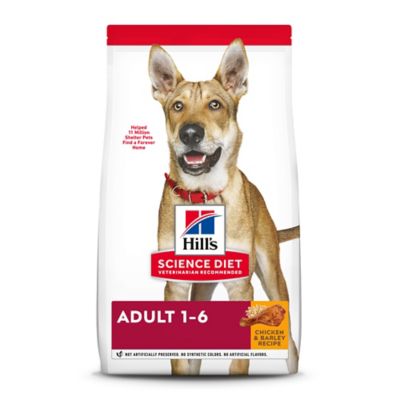
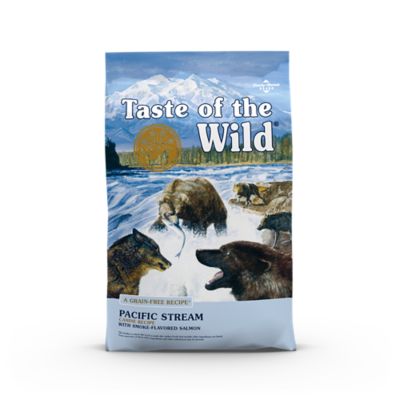
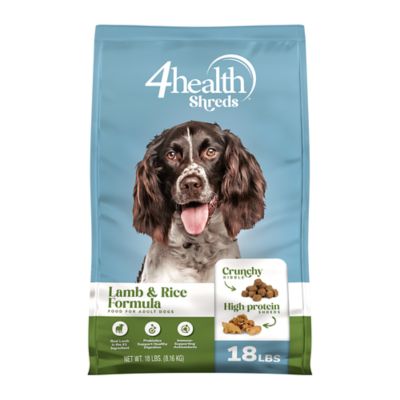
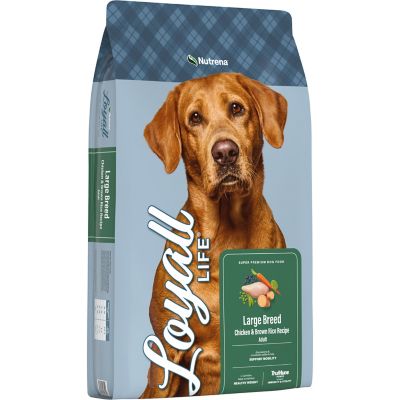
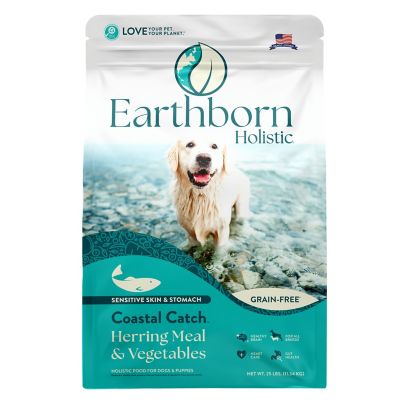
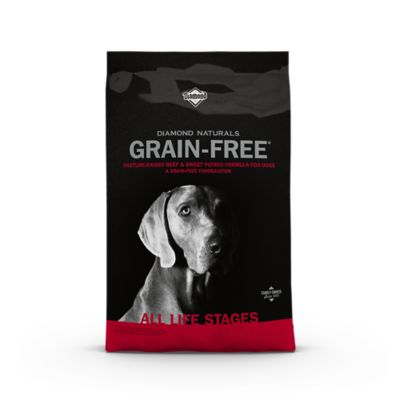
Best Of FAQ
What makes a top-tier dry dog food?
A top-tier dry dog food typically features carefully selected ingredients, clearly listed animal proteins, nutritious grains or other carbohydrates, and added vitamins and minerals. Look for a recipe that fits your dog’s life stage and everyday routine.
What ingredients should I look for in top-tier dry dog food?
Many dog owners look for a named meat, poultry, or fish near the top of the ingredient list, along with digestible carbohydrates, sources of fiber, and added vitamins and minerals. Choose ingredients that match your dog’s preferences and feeding needs.
Is grain-free dry dog food considered top-tier?
Not necessarily. Top-tier dog food can include grains such as rice, barley, or oatmeal, while grain-free recipes feature ingredients like peas, potatoes, or other plant-based carbohydrates. The best choice depends on your dog’s individual diet and your veterinarian’s guidance.
What types of top-tier dry dog food are available?
You’ll find recipes made for puppies, adult dogs, and senior dogs, along with options featuring different proteins, grains, and flavors. Some formulas are also made for specific preferences, such as limited-ingredient or grain-free diets.
How should I transition my dog to a new dry food?
Switch foods gradually by mixing a small amount of the new recipe with your dog’s current food, then slowly increasing the new food over several days. This helps your dog get accustomed to the new taste and texture.
Best Sellers
-
"I love this product. It is very healthy and nutritious and my animals love it very much"
-
"I love tractor supply! They have great prices and great quality of supplies"
-
-
"The best brand out in the market, I have two golden doodles that absolutely love this"
-
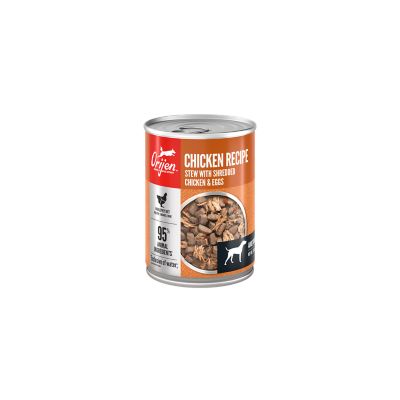
"Orijen has a great quality product with their Chicken Recipe Stew with Shredded Chicken and Egg"