Door security hardware helps control access to a building by securing the door, strengthening its connection to the frame, or limiting how far it can open. The category covers deadbolts, locksets, reinforced strike plates, door guards, reinforcement locks, and door braces, along with electronic locks that allow entry by code or another supported method. Each serves a different purpose, whether the doorway leads into a farmhouse kitchen, a detached workshop, or an office beside the feed room. A deadbolt extends into a matching opening in the frame and provides a locking point separate from a spring latch. A reinforced strike plate strengthens the area where that bolt meets the jamb, while certain reinforcement devices provide another point of resistance when the door is closed. These parts work as a system: a substantial lock cannot make up for a split jamb, loose hinges, or a door that no longer closes squarely. For exterior entrances, resistance to forced entry matters alongside everyday operation, weather exposure, and a clear way out from inside. ANSI/BHMA grades can help shoppers compare hardware within the same category when the applicable standard and certification are listed. Grade 1 generally represents the highest performance level under the relevant standard, followed by Grades 2 and 3, though a grade is not a promise that entry is impossible. Test requirements vary by hardware type and may address strength, operating cycles, and security performance. That makes the whole assembly important, not just the number on the lock. A busy front entrance may call for hardware built to handle frequent turning and latching, while a detached storage building may put more emphasis on corrosion resistance and key management. For a broader look at protecting entrances exposed to the elements,
Exterior Door Security brings the focus to the outside doorway and its supporting hardware. The right match starts with how that entrance functions on an ordinary day.
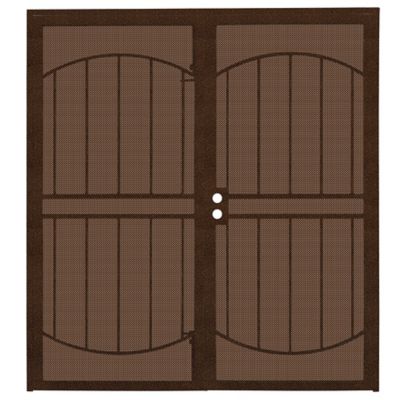
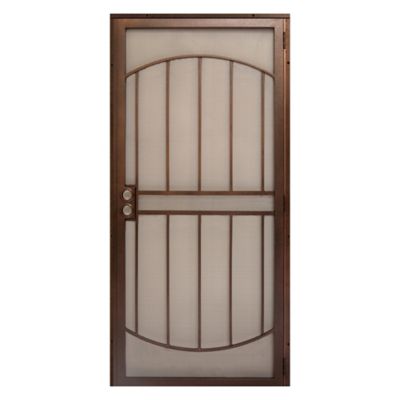
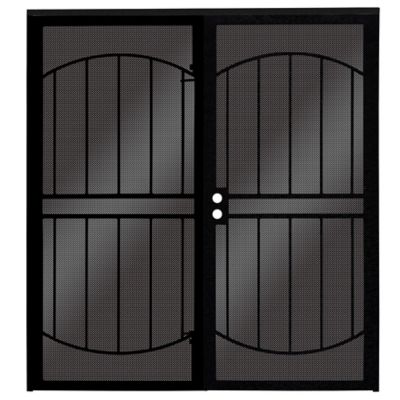
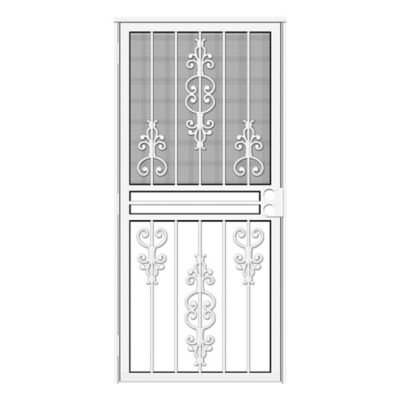
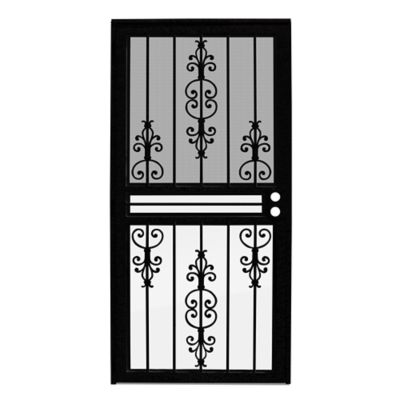
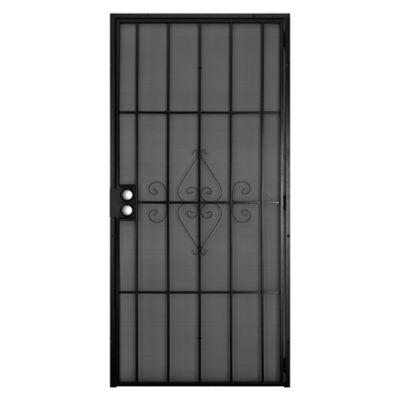
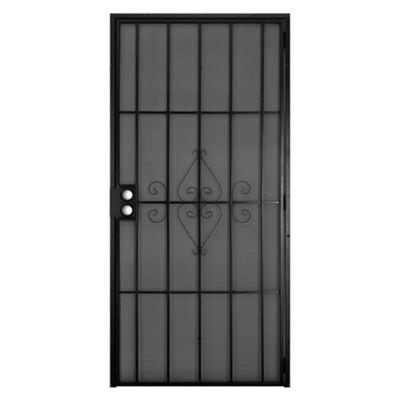
Materials and fit make a real difference once door security hardware is on the door. Steel is common in bolts, strike plates, and reinforcement components where strength matters, while brass, stainless steel, zinc alloys, and aluminum appear in various housings and assemblies. Material alone does not tell the whole story; thickness, construction, fasteners, finish, and the intended installation all affect performance. An entrance facing blowing rain or sitting near a damp barn aisle needs hardware rated for that environment, with finishes and components suited to moisture. A sheltered porch offers some protection, but temperature changes and condensation can still take a toll. Fit includes door thickness, the diameter and spacing of existing holes, and backset—the distance from the door edge to the center of the lock opening. Door swing and handing also matter for hardware whose operation depends on direction. A replacement that matches the existing preparation can reduce extra drilling, but the bolt still needs enough clearance to extend fully without rubbing or binding. On wood-framed entrances, longer strike fasteners may help transfer force into sound framing behind the jamb when the assembly and manufacturer’s instructions support that installation. Screw length by itself is not a measure of security, and metal frames, masonry openings, and specialty doors require their own fastening methods. Reinforcement hardware also needs enough room around weatherstripping, trim, and the door edge to function properly. A door that swells in damp weather or drags across the threshold can put strain on a lock even when the hardware fits its original holes. Sliding doors, screen doors, and storm doors have different frames and operating patterns from hinged entry doors, so their security components need to match that construction rather than borrow a solution meant for another opening. Around a working property, those distinctions show up quickly: the light storm door catching the wind and the solid workshop entrance getting opened with an elbow do not ask the same things of their hardware.
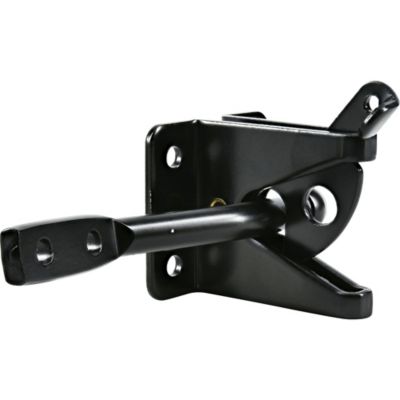
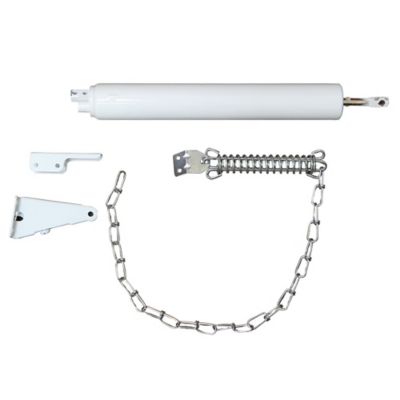
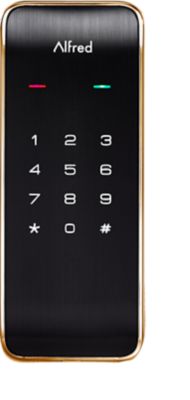
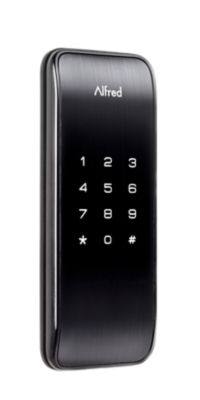
Everyday access is just as important as strength, especially when several people come and go through the same entrance. Mechanical keyed locks offer straightforward operation without batteries, and compatible keyed-alike arrangements can simplify access across several doors. Key control still matters when a spare changes hands between family members, neighbors, or workers. Keypad and connected locks can reduce the need to pass around physical keys, with some supporting separate entry codes, scheduled access, or activity records. Those functions vary by model; a keypad does not necessarily include remote access, and connected features may require a compatible hub, network, or service. Battery life, low-battery alerts, backup entry provisions, and operating temperature ranges deserve attention on doors far from the main house or exposed to cold weather. Automatic locking can be convenient after carrying groceries inside or heading out to check livestock, but it depends on a door that closes and aligns correctly. Supplemental guards and swing bars serve a different role, allowing limited opening on compatible doors, but they are not substitutes for a properly fitted primary lock and do not make a partly opened door safe against every threat. Braces and interior reinforcement devices may add resistance while occupants are inside, yet any added barrier must allow escape and comply with applicable building and fire requirements. Hardware on required exit doors, shared buildings, or work areas may need particular release features. Ease of operation matters for children, older adults, and anyone whose grip is limited, including someone coming in with cold hands after chores. Care is usually straightforward: finishes benefit from cleaning methods approved by the manufacturer, fasteners need occasional attention, and locks perform better when the door stays aligned. Lubricants should match the lock maker’s recommendations rather than whatever happens to be on the workbench. During the cooler months, checking for moisture, binding, and changes in door fit can help catch trouble before a bolt becomes hard to turn. Well-matched door security hardware supports the daily rhythm of a property, balancing controlled entry, manageable upkeep, and a clear exit when it matters most.