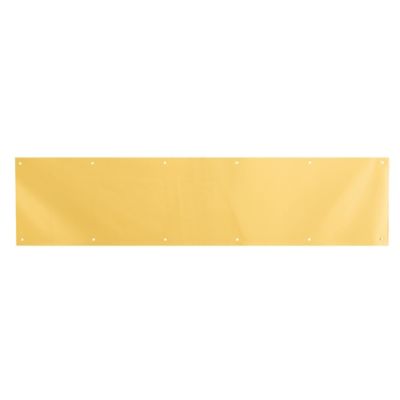
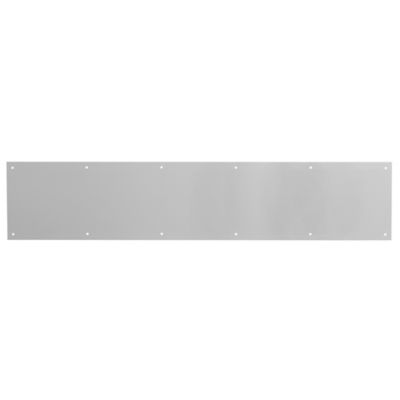
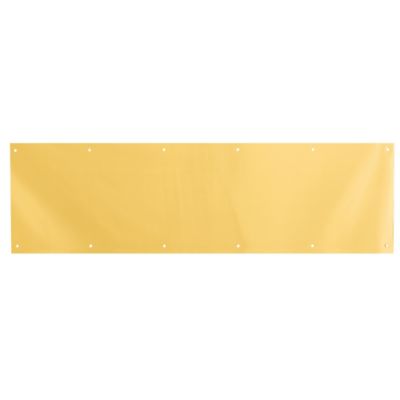
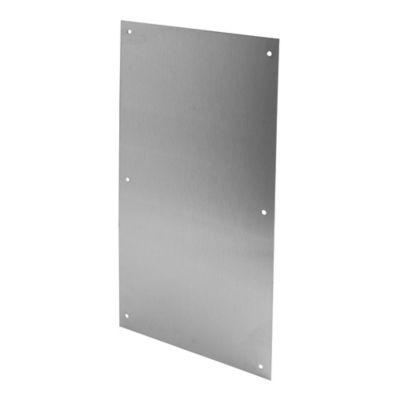
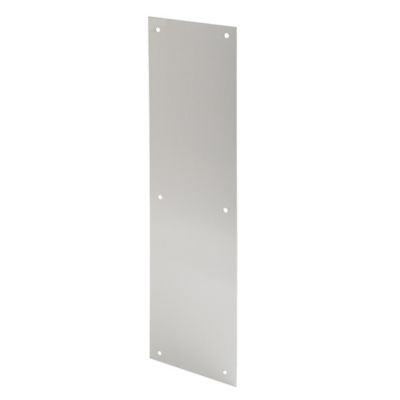
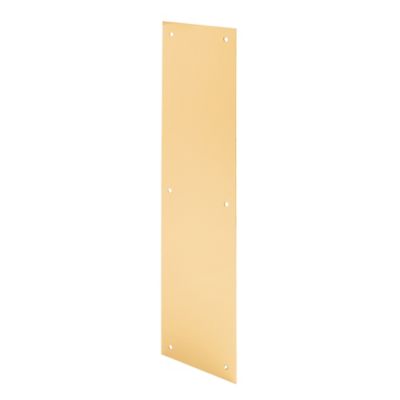
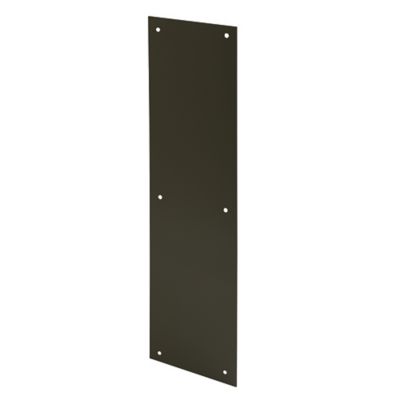
Kick plates for storm doors are protective panels fitted across the lower portion of a compatible door to help shield the surface from shoe marks, scuffs, dirt, and everyday bumps. That bottom section sees plenty of action at a farmhouse entry, a back porch, or a mudroom where boots, feed pails, and grocery bags pass through all day. A kick plate puts another layer between that traffic and the door beneath it, helping limit wear where contact happens most often. Coverage matters, though: a low plate can protect against a boot toe or the corner of a bag, but it will not stop pet scratches farther up the door. Metal options can include aluminum, stainless steel, and brass, while some protective panels feature rigid plastic. Aluminum offers relatively light weight, which can matter on a storm door with a light frame. Stainless steel provides a firm surface with good resistance to corrosion, though its finish still benefits from regular cleaning. Brass brings a warmer look and may develop a patina unless a protective coating helps preserve its appearance. Plastic panels resist rust, but their scratch resistance, stiffness, and suitability for exterior exposure depend on the material. Thickness also affects how a plate handles contact: a thin sheet may suit light scuff protection, while a heavier plate adds weight and needs suitable support. Brushed surfaces can make small marks less noticeable than a mirrorlike finish, and painted finishes can blend with the lower door panel. Matching nearby hinges, handles, or a door closer gives the entrance a coordinated look without requiring every piece of hardware to be identical. The main job remains protection, not reinforcement. A kick plate covers its own footprint; it does not repair a loose door frame, strengthen hinges, or make a storm door suitable for forceful kicking.
Fit is especially important with storm door kick plates because storm doors do not all have the same lower construction. Some have a solid bottom panel, some carry glass or screen nearly to the bottom, and others have a factory-fitted kick panel that is part of the door assembly. An add-on surface plate and a replacement factory panel are not necessarily interchangeable. Common door kick plate heights include 6 and 8 inches, but the right coverage depends on the actual mounting area. Width also needs to follow the usable door surface rather than the doorway opening or the door’s nominal size. A plate that looks right on paper can still overlap trim, cover a joint, or interfere with the frame when the door closes. Flat mounting space, corner shape, edge clearance, and the location of the bottom sweep all affect the fit. On a narrow-framed storm door, there may be very little solid material between the glass and the edge of the frame. That makes door construction and the manufacturer’s mounting requirements more important than appearance alone. Screw-mounted plates need suitable backing and fasteners that will not reach glass, internal hardware, or the opposite face of the door. Adhesive-mounted plates need a compatible, clean surface and an adhesive intended for the door material and exposure. Neither attachment style suits every door. Magnetic mounting requires a compatible steel surface; a magnet will not hold directly to aluminum, plastic, or many stainless steel surfaces. Existing screw-hole spacing matters for replacement plates, too, since a new plate may cover old holes without lining up with them. Plate thickness and placement should leave the sweep, closer, latch, and any drainage openings working freely. For an older storm door at a busy side entrance, a correctly fitted plate can tidy up a scuffed lower section, but damage to the door itself still needs separate attention.
Everyday care helps a storm door kick plate keep doing its job without becoming another big chore. Grit caught on the surface can scratch a finish when it gets rubbed around, so gentle cleaning generally starts with removing loose dirt before wiping the plate with a soft cloth and a cleaner approved for that material. Mild soap and water often suit routine cleaning, followed by a rinse or damp wipe and drying, but the plate maker’s care directions take priority. Abrasive pads, harsh chemicals, and metal polish can damage painted surfaces or protective coatings, even when the underlying metal seems tough. Around a working entry, fertilizer residue, animal waste, and other corrosive messes deserve prompt cleanup rather than being left against the plate or trapped along its lower edge. Fasteners and corners also deserve an occasional look. A lifted edge can catch a boot or bag, and a loose screw can let the plate shift against the door. Where different metals meet, compatible fasteners and any specified separating material help reduce corrosion concerns. Households with pets, children, or frequent trips between the yard and kitchen often get the most practical benefit from lower-door protection. Picture an armload of groceries coming through the back entrance or muddy work boots brushing the bottom panel while someone reaches for the handle: those small, repeated contacts are the wear a well-matched plate is meant to help manage. Keeping the door handle accessible and the closer properly adjusted still matters, since a kick plate is not a substitute for normal door operation. Entrances that serve a shop, office, or other high-traffic building may call for a different construction and mounting approach;
Kick Plates for Commercial Doors covers that related category. For a storm door, the best match comes back to the door’s construction, the area needing protection, and a finish that fits the rest of the entry. Those details help a modest piece of hardware earn its place on a hardworking doorway.