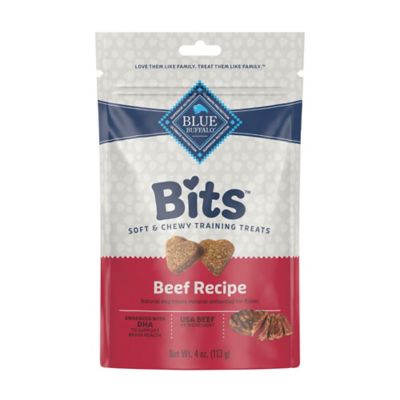
Dog training aids can make everyday lessons clearer, calmer, and easier to fit into a busy routine, whether you are teaching a young pup the basics or helping an older dog brush up on good manners. The right setup usually starts with a sturdy 4- to 6-foot leash for close control, along with a properly fitted flat collar or harness that allows comfortable movement. A wearable treat pouch keeps small rewards close at hand, which matters when a good sit happens in the driveway or a dog finally walks past the neighbor’s fence without pulling. A clicker can help mark the exact moment your dog gets it, while praise, play, and food rewards give the dog a clear reason to repeat that behavior. For recall practice, exploring safely in open areas, or working around distractions, a 15- to 30-foot long line provides extra room without giving up your ability to guide the dog. Choose materials with your surroundings in mind: easy-clean options suit muddy yards and creekside walks, while a lightweight leash may feel better for a small dog or a handler with limited grip strength. Check stitching, clips, buckles, and sizing before use, and make sure collars and harnesses fit snugly without rubbing or restricting breathing. Training aids are not a substitute for supervision, patience, or a plan, but they can help turn scattered practice into short, useful sessions. Keep lessons upbeat and brief, reward the behavior you want, and give your dog time to settle when the world feels like a lot.
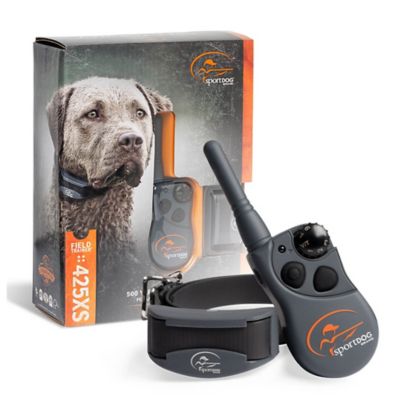
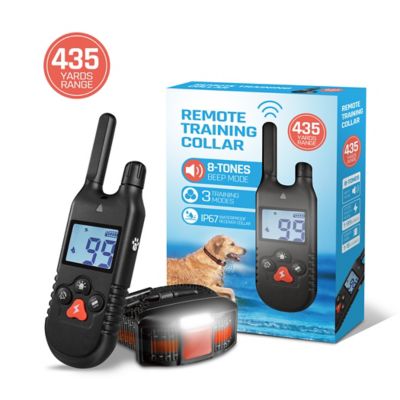
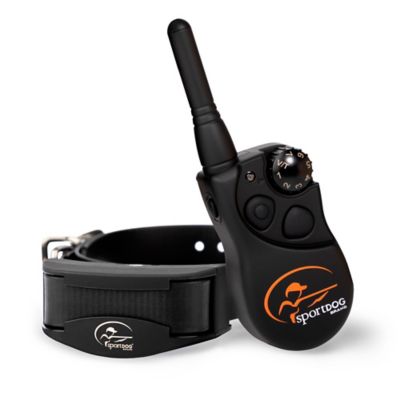
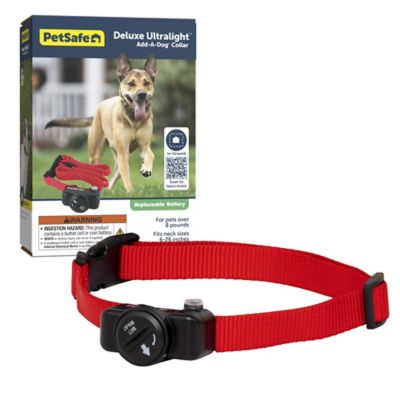
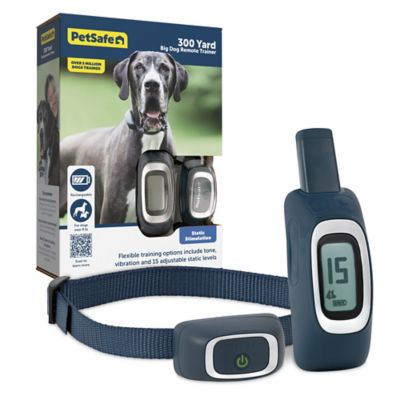
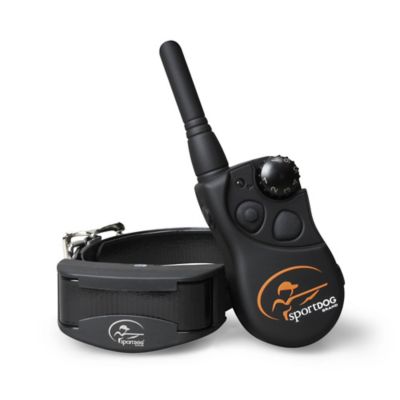
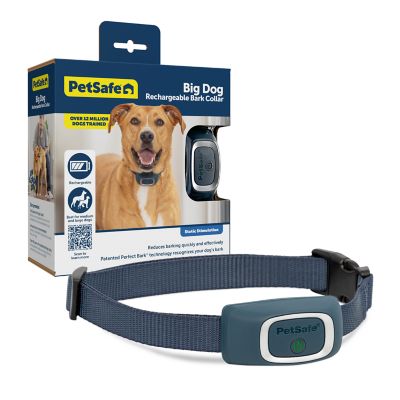
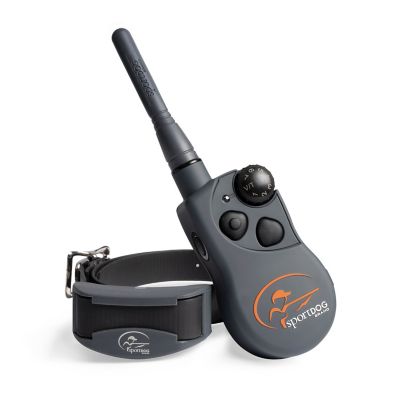
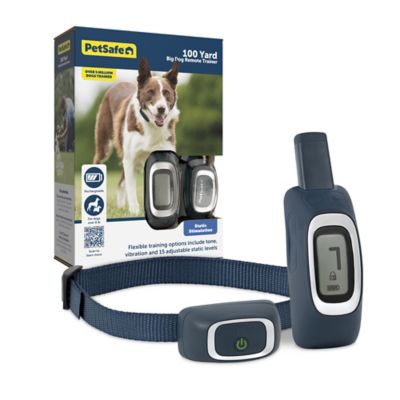
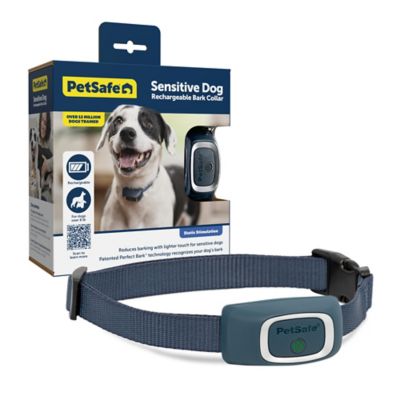
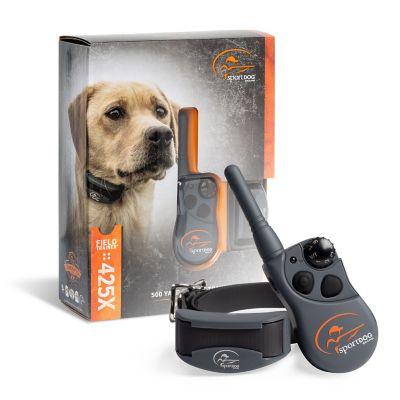
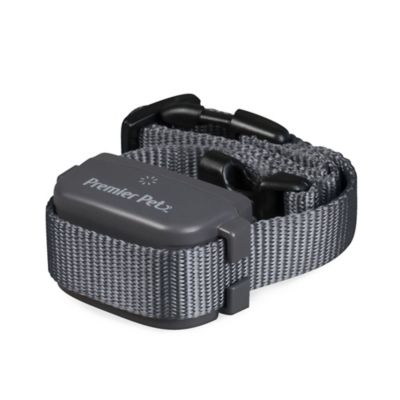
Different training goals call for different types of equipment. Cones, weave poles, low hurdles, and collapsible tunnels can add variety to backyard exercise while building body awareness, focus, and confidence; they should be adjusted for your dog’s size and used on a secure, level surface. Place cots, raised platforms, training boxes, and touch targets can help teach boundaries, calm settling, and simple cues such as “place” or “touch.” These tools are especially handy in homes where muddy paws, visiting relatives, farm chores, or a ringing doorbell can send an excited dog into a full-speed dash. A long line and high-value treats can support recall work around a barn, field, or park, but practice should begin in a secure area away from roads, livestock, and other hazards. Specialized collars, remote training devices, and pressure-based equipment require extra care; improper use can cause fear, confusion, or injury, so many owners benefit from working with a qualified, reward-based trainer who can demonstrate safe handling. Barking has its own set of causes, including boredom, excitement, alarm, loneliness, and a need for more exercise or quiet space. Address the reason behind the noise first by adding enrichment, blocking a view, teaching a “quiet” cue, and rewarding calm behavior. For households looking into additional options,
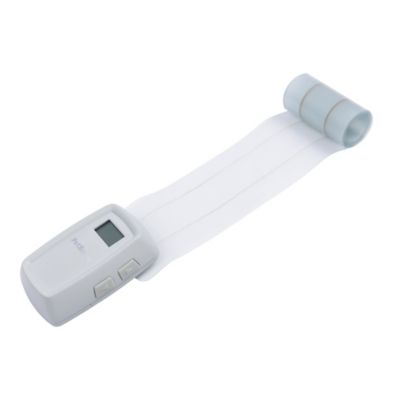
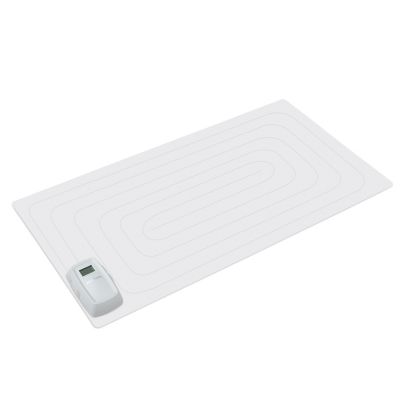
Dog Bark Control Devices may be considered as part of a broader training plan, with close attention to humane use, local rules, and the individual dog’s temperament. Tools should guide learning rather than scare a dog into silence. A steady routine, clear cues, and plenty of rest often do more good than a crowded training kit.
Dog training aids can be useful for a wide range of owners, from someone bringing home a first puppy to a seasoned handler preparing for obedience, agility, hunting, or farm work. They also make thoughtful gifts for a new dog owner, especially when paired with practical basics such as a treat pouch, clicker, training leash, or interactive exercise equipment. Consider the dog’s age, size, energy level, coat, strength, and confidence before choosing anything. A tiny terrier may need lightweight gear and small rewards, while a strong young dog may call for a wider, more durable leash and a well-fitted harness. Senior dogs often do best with low-impact exercises, soft surfaces, easy-to-see targets, and lessons that protect sore joints. During the warmer season, early-morning or shaded sessions can keep paws and people comfortable; as the weather turns cooler, indoor practice, covered porches, garages, and quiet rooms can keep training on track. Store treats in an airtight container, inspect gear after muddy or wet outings, and let equipment dry fully before putting it away. A simple five-minute session beside the kitchen counter can be just as valuable as a long workout in the yard: reward four paws on the floor, a relaxed wait, or a calm glance back at you, then finish while your dog is still engaged. With the right dog training supplies and a little consistency, ordinary moments—clipping on a leash, greeting a delivery driver, walking past chickens, or settling near the supper table—become chances to build trust and better habits.