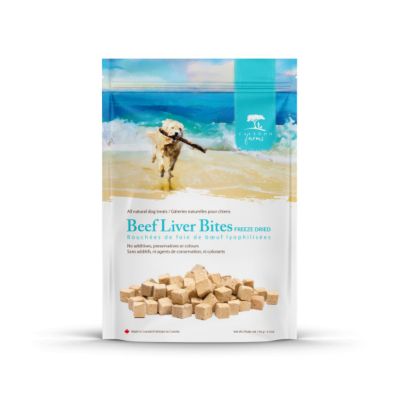
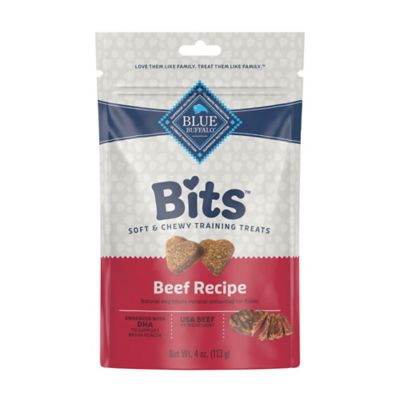
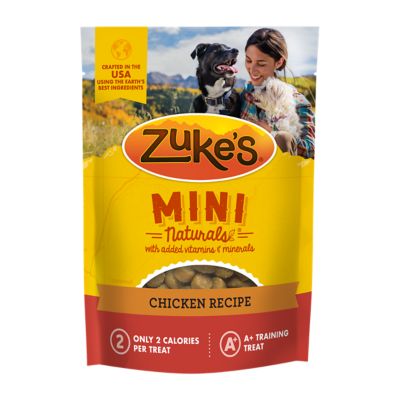
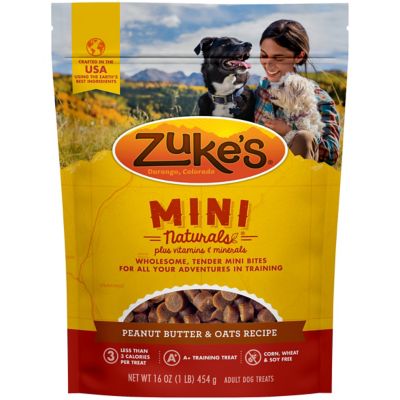
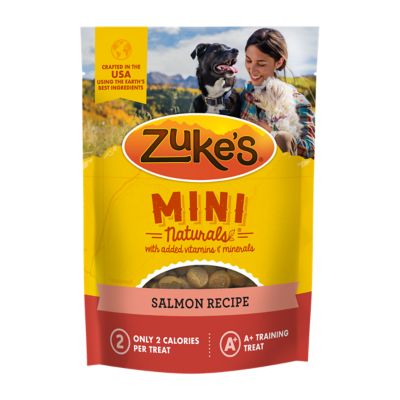
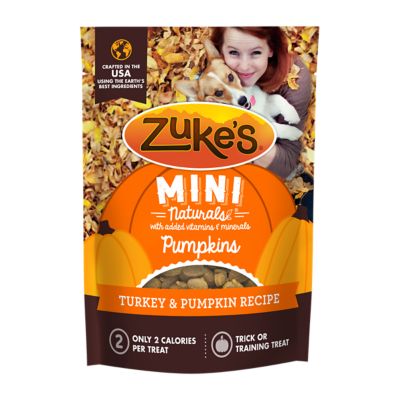
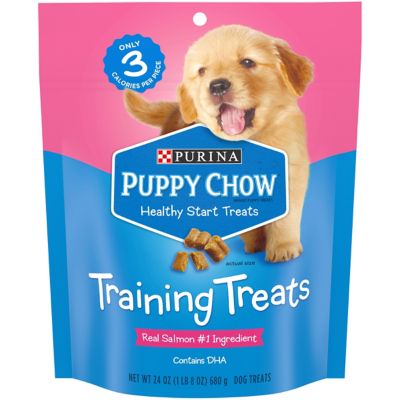
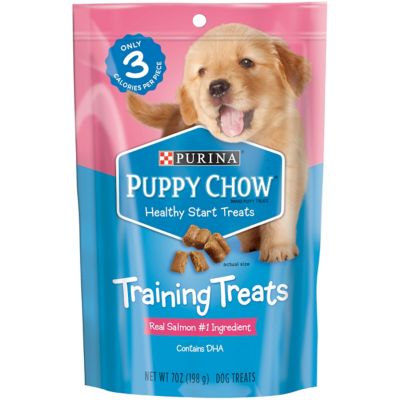
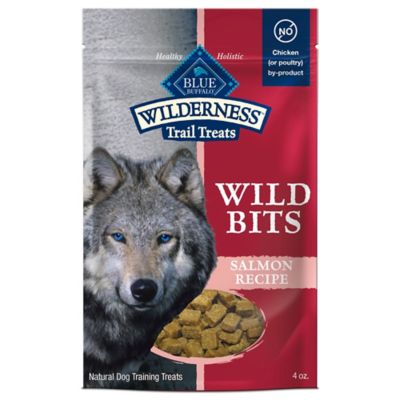
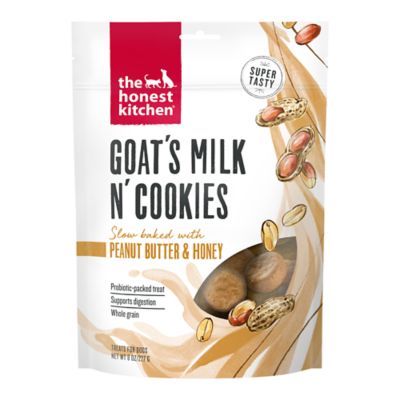
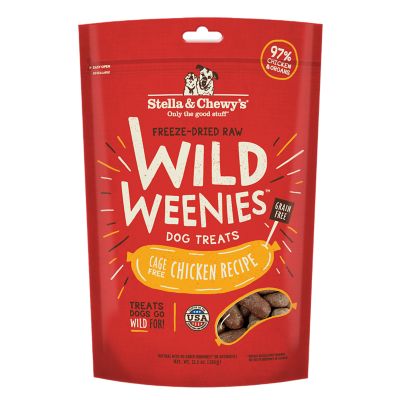
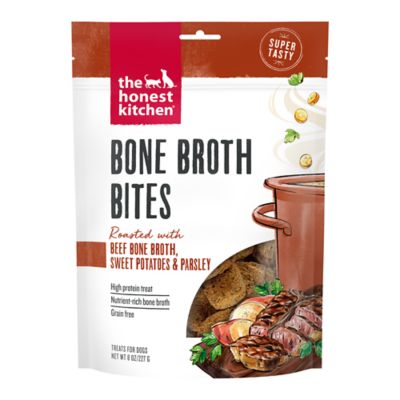
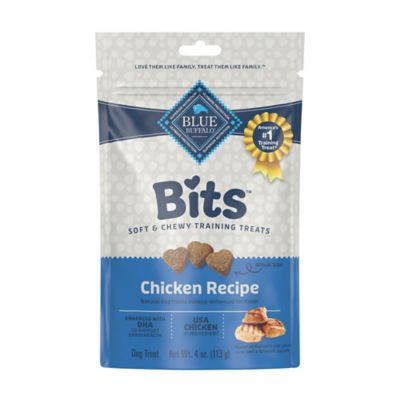
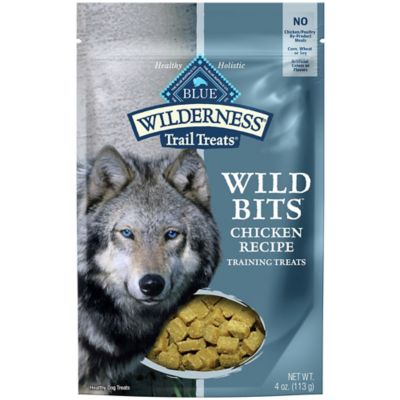
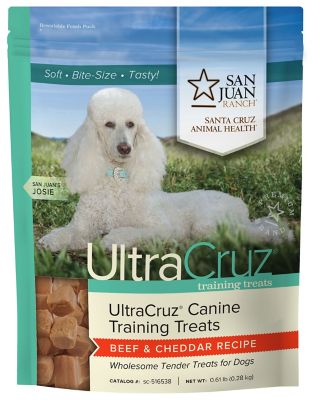
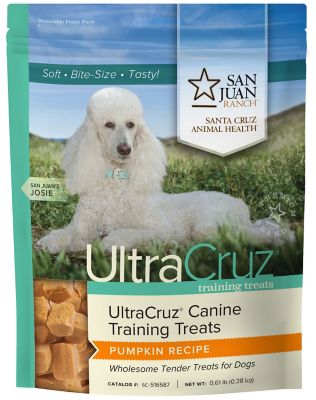
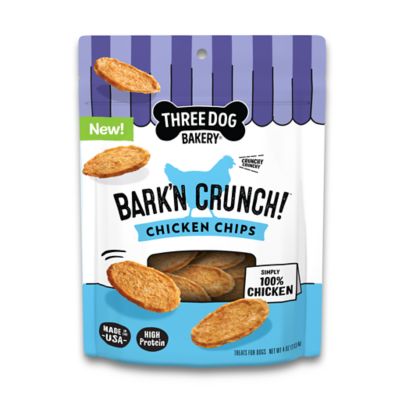
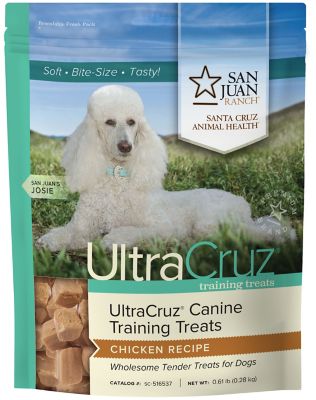
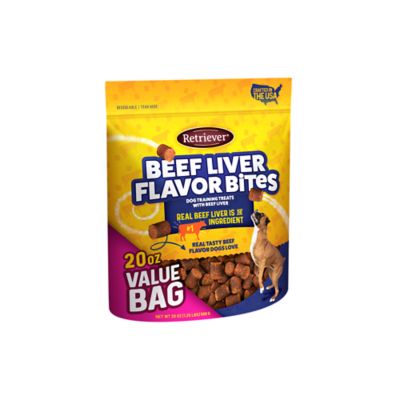
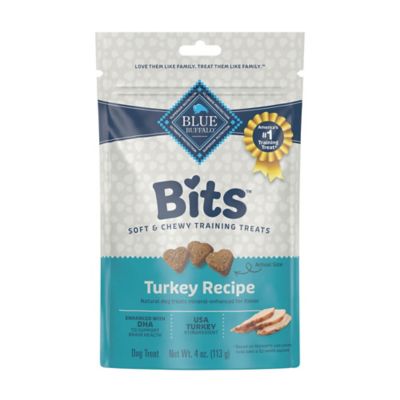
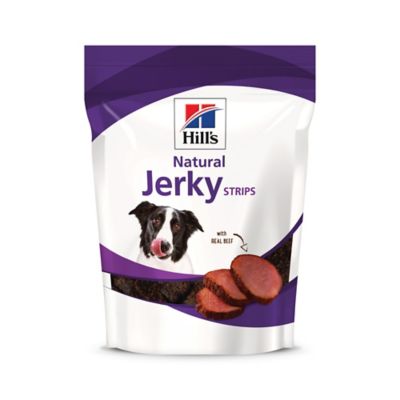
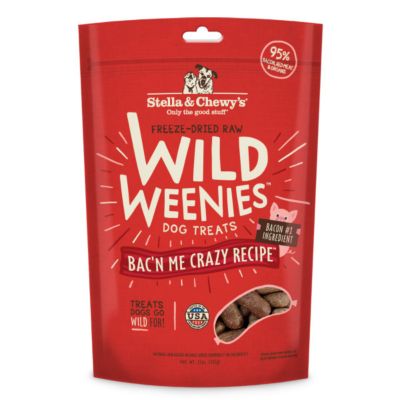
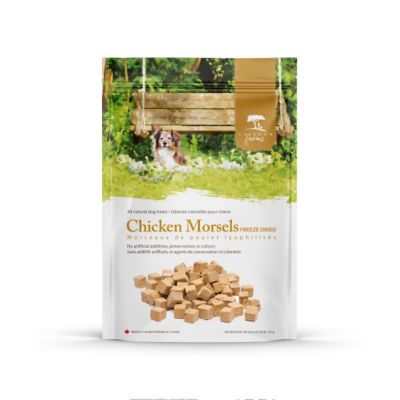
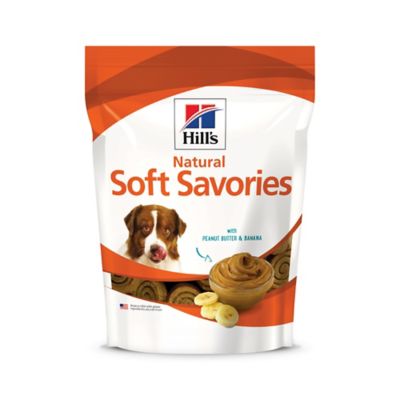
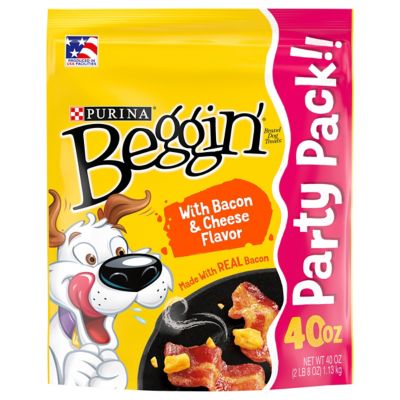
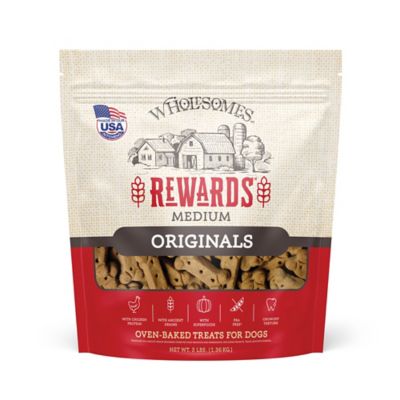
Dog treats for leash training work best as small, easy-to-chew rewards with an appealing smell and a texture a dog can finish promptly. Soft, bite-sized pieces make it easier to reward a loose leash or a glance back without turning every few steps into a long chewing break. A pea-sized piece can be a useful starting point for many dogs, though the right portion depends on the dog’s size, chewing habits, and ability to handle food comfortably. For a little dog, even that amount may need to be smaller. Soft training bites, tender morsels, and treats that break cleanly into smaller portions offer different ways to keep rewards manageable. Texture matters as much as the size printed on the package: a large soft treat that divides easily may suit short practice sessions better than a tiny, hard biscuit that takes time to crunch. The most useful reward is also one the dog actually wants. A familiar flavor might hold attention along a quiet gravel lane, while a more aromatic meat or fish recipe may be more appealing near a busy sidewalk or another dog across the road. That stronger appeal does not make a treat a substitute for comfortable equipment, reasonable distance from distractions, or patient practice. It simply gives a handler something worth checking in for. Treats that feel manageable between the fingers help with timely rewards, especially when one hand is already holding the leash. Pieces that crumble into dust, stick together, or leave a heavy coating can be less convenient on the move. For families working on everyday leash manners, the practical sweet spot is a reward that is easy to carry, easy to portion, and quick for the dog to chew and swallow safely during a brief pause. Those details matter whether the goal is a calmer trip from the porch to the gate or a more settled walk around the neighborhood.
Ingredients, calorie content, and life-stage suitability help narrow the choice beyond flavor alone. Training often involves several small rewards close together, so calories per piece—or enough package information to estimate calories in a smaller portion—can make a real difference. Treats generally should account for no more than about 10 percent of a dog’s daily calories, with the rest coming from a complete and balanced diet appropriate for that dog. A veterinarian can help set a different limit when weight management or a medical condition calls for it. Lower-calorie bites can leave more room for frequent reinforcement, but small portions still count toward the daily total. Some dogs are eager for poultry, others favor beef or fish, and some do best with familiar ingredients that already agree with their stomachs. For dogs with food allergies or a prescribed diet, the ingredient list deserves more attention than the flavor name on the front of the bag. A short ingredient list does not automatically make a treat suitable for every sensitive dog, and a veterinarian may recommend keeping rewards within a prescribed diet. Age and mouth comfort matter, too. Puppies need treats appropriate for their age and size, while older dogs or dogs with dental concerns may need a softer texture and veterinary advice about chewing comfort. Households getting started with a young dog can explore
Dog Treats for Training Puppies alongside options for everyday leash practice. For dogs of any age, excitement about food varies with the setting. A reward that gets an enthusiastic response in the kitchen may have less pull beside a passing bicycle or near livestock beyond a fence. Having familiar flavors with different levels of appeal can support a range of situations without relying on larger portions. Food rewards are only part of the picture; some dogs also respond well to praise, a chance to sniff, or a little more distance from something that worries them.
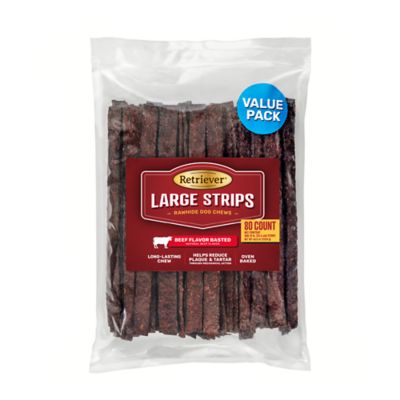
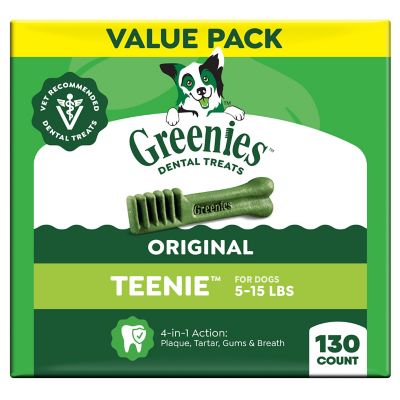
How treats hold up in a pocket or pouch matters once practice leaves the kitchen. A soft bite should stay easy to separate rather than forming one sticky clump, and a breakable treat should leave enough intact pieces to reward a dog without scattering crumbs down the lane. Moist textures can be handy for quick chewing, but they also make package storage directions especially important. Resealable packaging helps limit exposure to air, while storage requirements and the recommended time after opening depend on the recipe. Some treats need refrigeration after opening; others belong in a cool, dry place as directed on the label. Only the amount needed for an outing belongs in a treat pouch, with the remaining supply stored according to its package directions. A pouch with a wide enough opening for easy access can make handling small pieces less awkward, and a washable lining helps with residue from moist or oily treats. Treat residue also deserves attention around the home, especially where a curious dog can reach a coat pocket or unattended bag. Beyond carrying and storage, intended use helps distinguish leash-training rewards from longer-lasting chews. A chew that keeps a dog occupied at home serves a different purpose from a small morsel offered for walking beside a handler. Leash work calls for food that fits brief moments of attention, not something the dog needs to carry or work on for several minutes. That distinction is helpful for new puppy owners, families brushing up an adult dog’s manners, and people helping an adopted dog settle into a different routine. A dog moving calmly past the mailbox may need only a familiar little bite, while a dog learning to pass the feed shed without pulling toward every interesting smell may benefit from a more tempting reward in an easier setting. Well-chosen dog treats for leash training fit those ordinary moments: small enough for repeated rewards, appealing enough to earn attention, and practical enough to bring along whenever the leash comes off its hook.