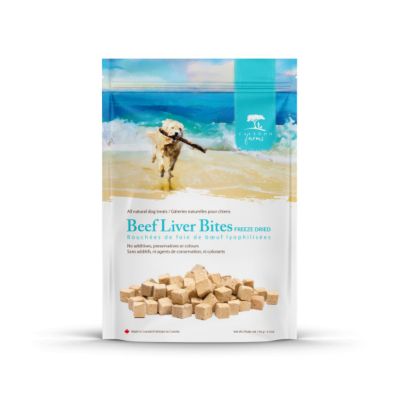
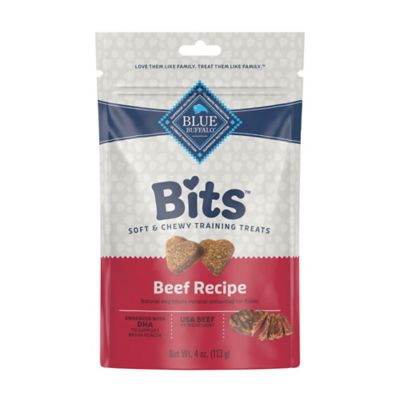
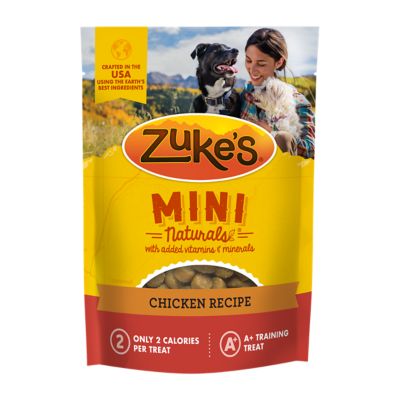
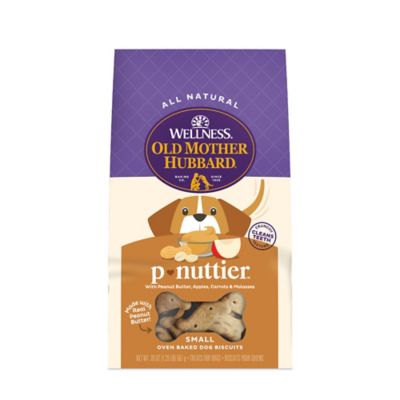
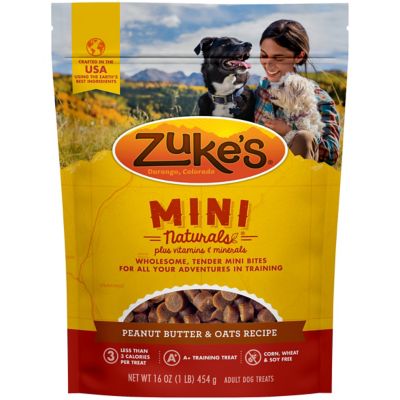
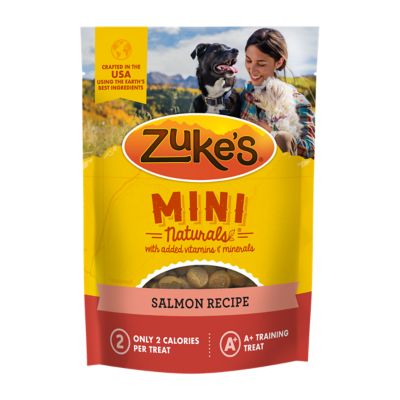
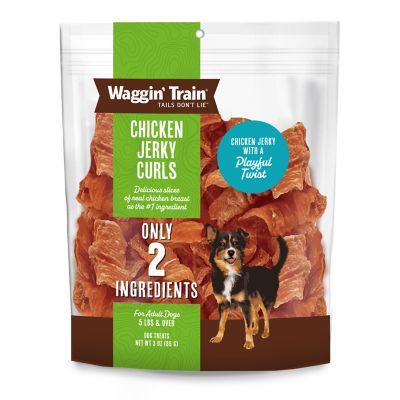
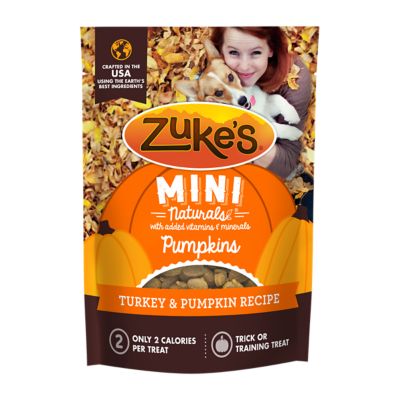
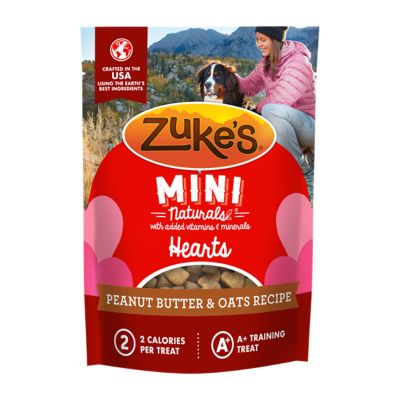
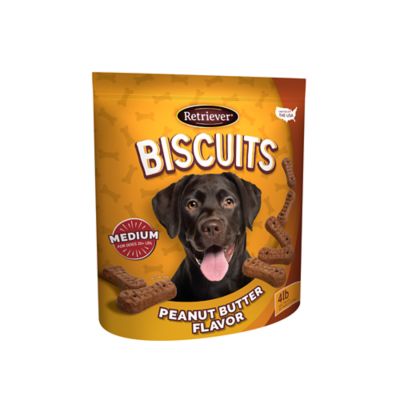
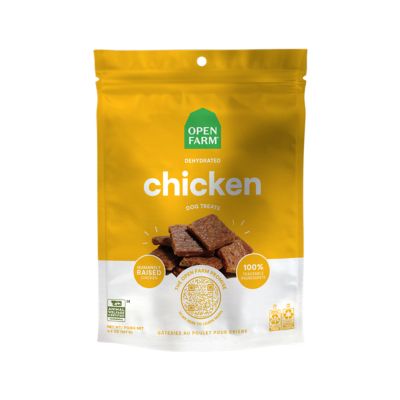
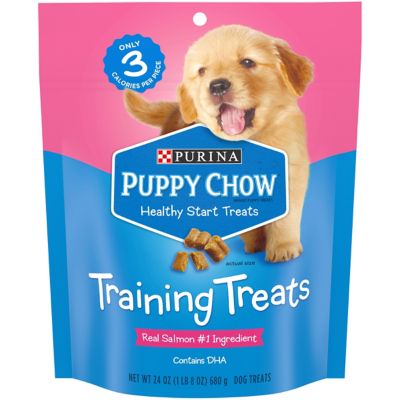
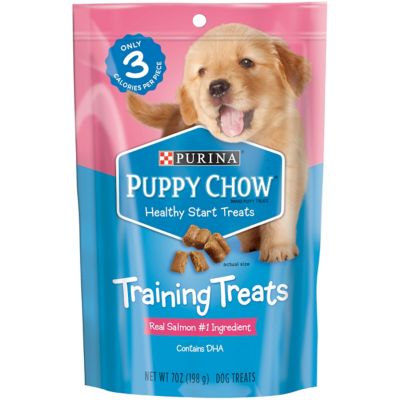
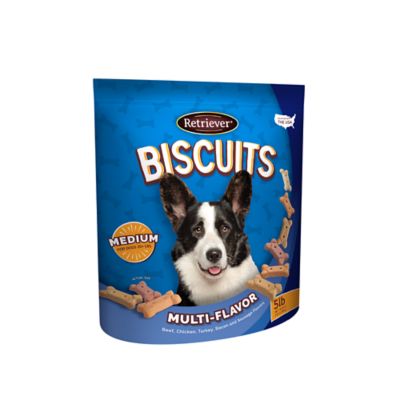
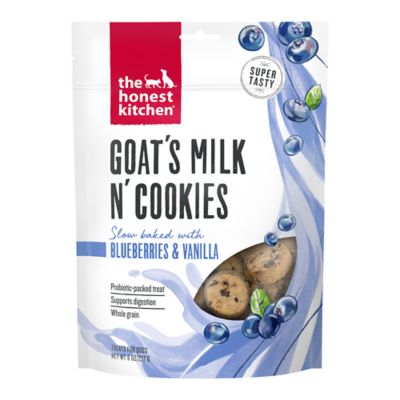
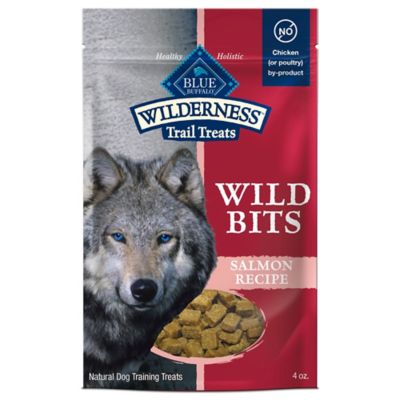
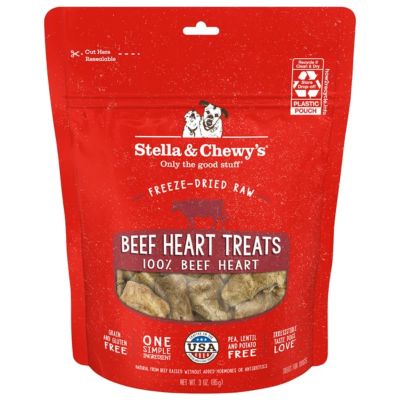
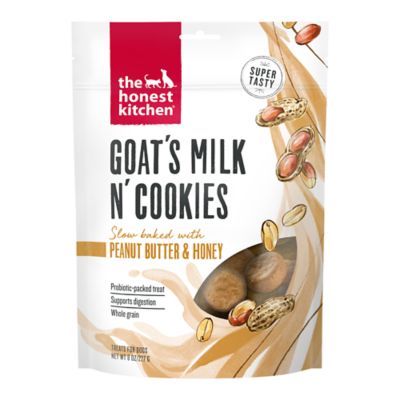
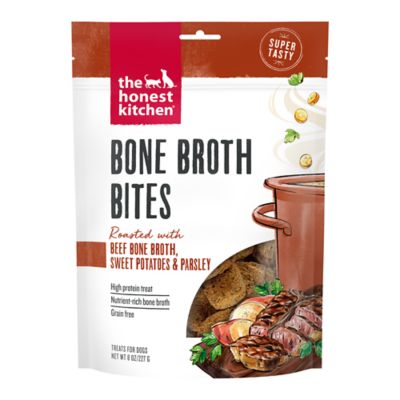
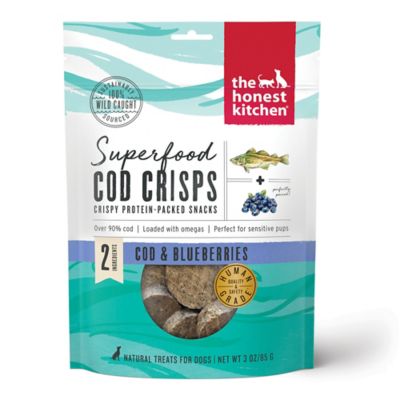
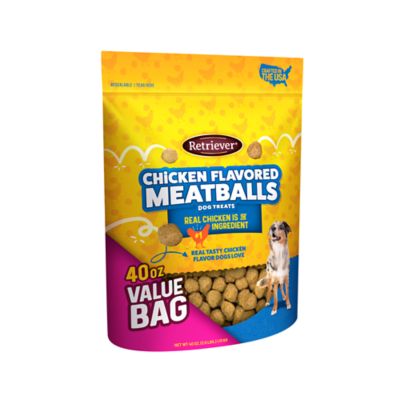
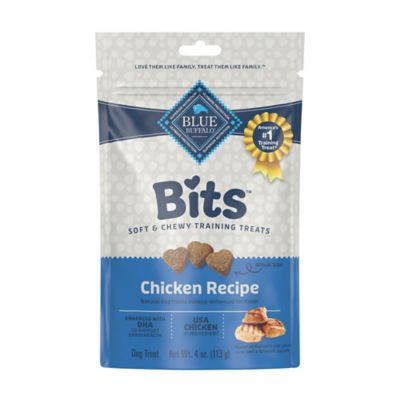
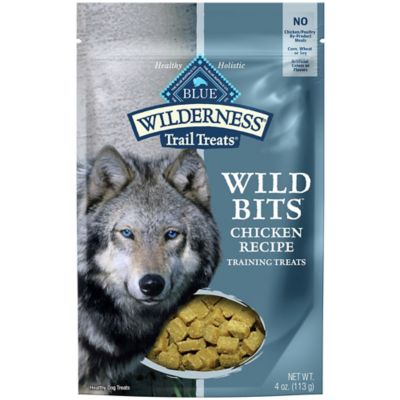
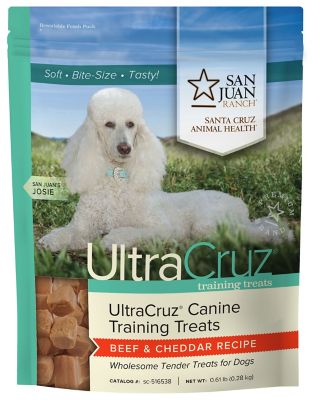
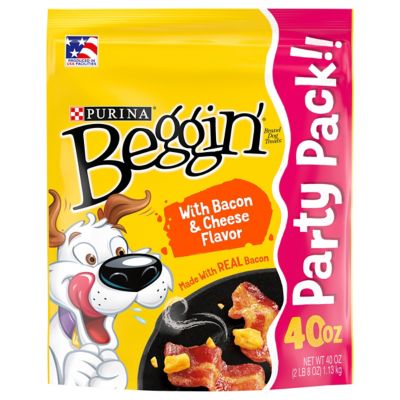
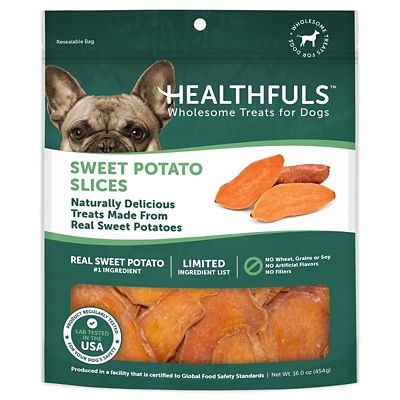
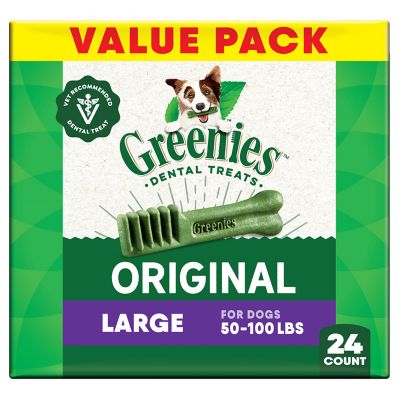
Healthy dog treats for training are small, easy-to-eat rewards that help a dog connect good behavior with something worth working for. Pea-sized pieces, about 1/2 inch or smaller, and fewer than 5 calories per treat are useful starting points for frequent rewards. For smaller dogs or longer practice sessions, pieces with about 1–3 calories—or less—can make portion control easier. The right size still depends on the dog: a little terrier may need just a crumb, while a larger dog can handle a slightly bigger bite without stopping to chew for long. Soft, chewy textures often suit repeated rewards because they break apart easily and keep the dog’s attention on the next cue. Small, dry treats can also work well, especially for dogs that enjoy a little crunch, while freeze-dried meat pieces offer another texture to consider. A treat that takes several minutes to finish serves a different purpose than a quick reward for sitting at the gate or coming when called. Training rewards fit into those small moments throughout the day: standing still while a leash clips on, leaving muddy boots alone or settling on a mat while the family eats. A bite that disappears quickly lets the lesson carry on without a long break. Shape and feel matter, too. Flat pieces that split cleanly can stretch across several repetitions, while tiny, evenly sized morsels make it easier to track portions. Treats that crumble heavily may leave more crumbs in a pocket than rewards in a dog’s mouth. Stronger-smelling options can draw interest around distractions, although smell alone does not make a treat a better nutritional choice. A good everyday training treat balances a dog’s enthusiasm with manageable calories, a suitable texture and ingredients that agree with that dog’s stomach. The most tempting reward is not always the biggest one; sometimes a small, flavorful bite is plenty.
Ingredient lists and calorie statements tell more about a training treat than a picture on the package. Meat, poultry or fish can provide appealing flavor, but a meat-first recipe is not automatically low in calories, and a short ingredient list does not guarantee that a treat suits every dog. Limited-ingredient recipes can make it simpler to track which proteins and other ingredients a dog eats, especially when a veterinarian has recommended avoiding something specific. Chicken, beef, dairy and other ingredients can all be concerns for individual dogs with food sensitivities; there is no single protein that works for every pet. Grain-free wording also does not, by itself, establish that a treat is healthier. The better fit depends on the dog’s regular food, medical needs, life stage and overall daily intake. Treats and other extras generally should account for no more than 10% of a dog’s daily calories, with a complete and balanced food providing the rest. That allowance includes training rewards, table scraps, chews and food tucked into enrichment toys—not just what comes out of the treat pouch. A small dog can reach that limit surprisingly fast during a busy class, so calories per piece deserve a close look. Breaking a treat into four pieces lowers the calories in each reward, but feeding all four still adds up to the original treat. For dogs managing weight or following a prescription diet, a veterinarian can help set a suitable allowance and identify compatible rewards. Introducing a different recipe in small amounts also makes it easier to notice digestive upset before a full training session. Protein content, fat content and serving directions all deserve attention, rather than treating one label claim as the whole story. Healthy training treats support a feeding plan; they do not replace balanced meals or make up for portions that exceed a dog’s needs.
Different dogs and different lessons call for a little flexibility in the treat pouch. A familiar reward may be plenty for practicing a sit in the kitchen, while a more enticing scent or softer texture may hold greater interest when another dog walks past. Keeping the portions small allows that change in appeal without turning every successful cue into a large snack. Puppies need pieces suited to their small mouths and developing chewing skills, along with recipes labeled for their life stage. Households working on first leash walks, crate comfort and polite greetings can explore
dog treats for training puppies with those needs in mind. Older dogs may appreciate softer textures as well, though trouble chewing, drooling or dropping food calls for a veterinary check rather than simply switching snacks. In group classes, a pouch that opens easily helps the handler deliver a reward promptly, while treats that stay intact help keep floors and pockets tidier. Around the house or out by the barn, a closed container keeps rewards away from curious noses between practice sessions. Storage directions matter because moisture, air and heat can affect flavor and food safety. Resealable packaging can help protect treats between sessions, and the original label keeps feeding directions, ingredient details and date information close at hand. Soft treats may have different storage requirements after opening than dry biscuits, so package directions take priority over assumptions about shelf life. A clean, dry treat pouch helps prevent residue from building up, and damp or dirty leftovers do not belong back in the bag. Hands need washing after handling pet treats, especially before preparing food for people. Rewards belong within easy reach of the person handling the dog, but out of reach of pets helping themselves. With sensible portions, suitable ingredients and a texture the dog enjoys, training treats can fit naturally into daily routines, from a calm wait at the door to a cheerful return across the yard.