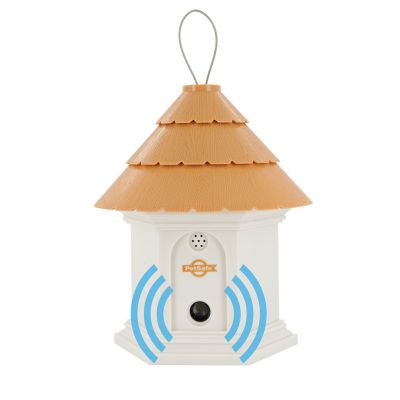
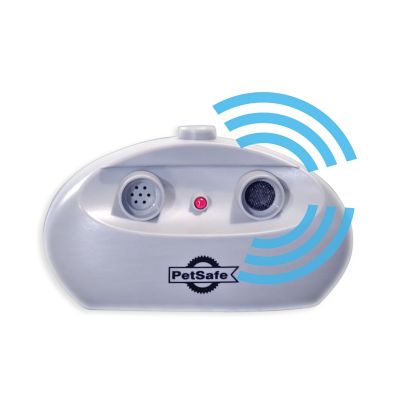
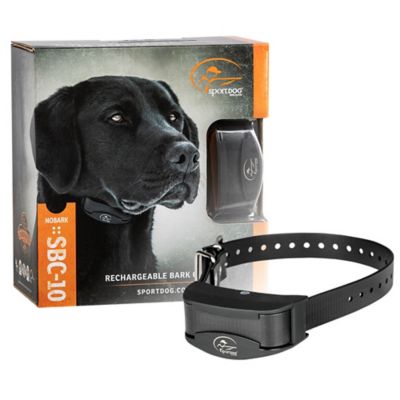
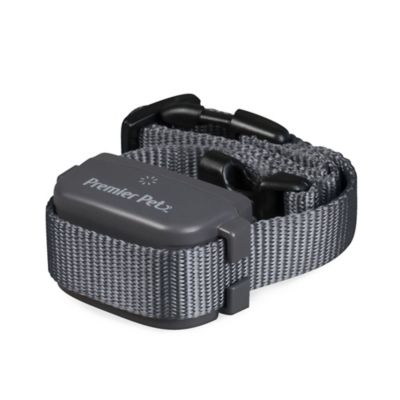
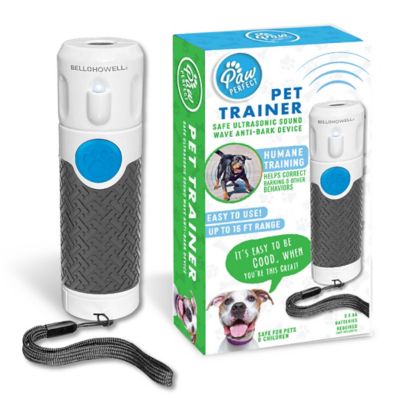
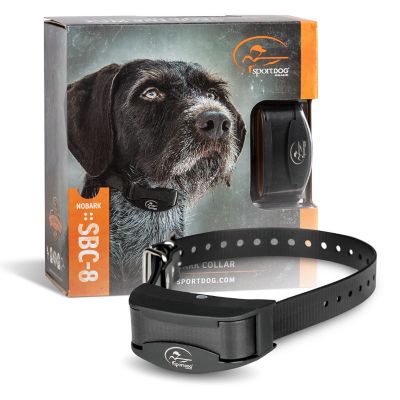
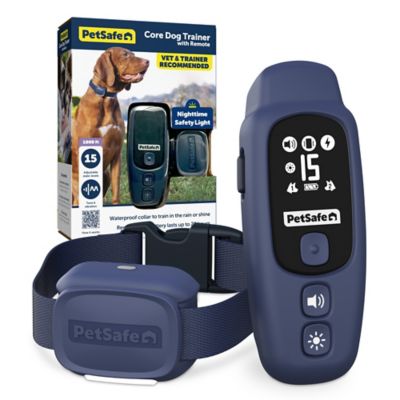
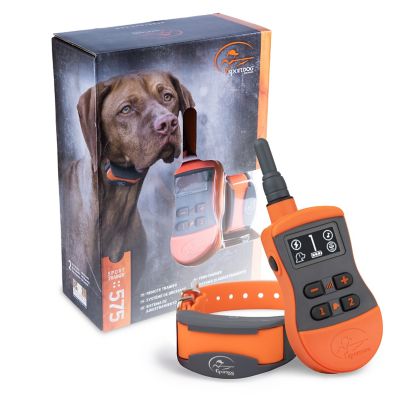
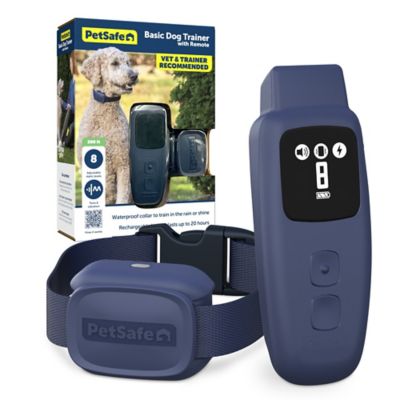
Dog bark control devices are training tools designed to interrupt unwanted barking with a sound, vibration, spray, or another signal, depending on the device. Common styles include handheld ultrasonic units, stationary bark detectors, and bark control collars. Each works a little differently, so the right fit depends on where barking happens, what sets it off, and how a dog responds. A dog sounding off at every delivery truck along the driveway presents a different situation from one barking out of distress when the family leaves. Handheld units give the handler control over when a signal happens, while automatic devices respond when their sensors detect barking. Ultrasonic bark control devices emit a high-frequency sound that many people cannot hear but dogs may notice. That sound can interrupt barking for some dogs, though results vary with hearing, temperament, surroundings, and the reason behind the behavior. It is not automatically comfortable for a dog simply because people cannot hear it. Wearable options may deliver a tone, vibration, or spray; some collars offer static stimulation, which carries additional welfare concerns and is not necessary for reward-based training. No device teaches a dog what to do instead on its own. A quiet pause followed by a treat, a move away from the front window, or a settled spot beside the handler gives the dog a clearer path toward the behavior being encouraged. For households on a few acres, in town, or beside a busy farm lane, the practical goal is less unnecessary barking without expecting a dog to stay silent through every visitor or unfamiliar noise. Barking is normal communication, and an alert at the gate is different from a long stretch of barking with no chance to settle. These products make the most sense as one part of a routine that includes exercise, enrichment, rest, and attention to whatever is setting the dog off. Sudden changes in barking, signs of pain, or distress when left alone call for a veterinarian’s input rather than a stronger device setting.
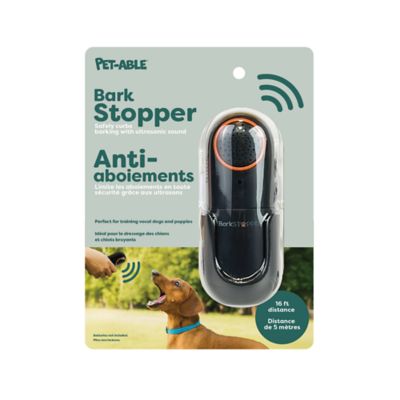
Handheld dog barking deterrents suit situations where someone is close by and able to respond in the moment. Their compact housings can be convenient for supervised practice near the house, with button placement, grip, and a secure carrying loop affecting how easily the handler can operate them. An ultrasonic signal does not necessarily reach through walls, fencing, furniture, or other obstacles, and a stated operating range is not a promise of the same response in every setting. Stationary indoor and outdoor bark control devices instead monitor an area through a microphone or other sensor. Placement matters: a unit near a barking dog’s usual spot has a different job from one expected to cover a broad yard. Mounting options, sound direction, detection distance, and sensitivity adjustments are useful points of comparison. A sturdy attachment helps keep a stationary unit from tipping or shifting, while an enclosure rated for its intended location matters more than its appearance. Outdoor placement calls for the manufacturer’s stated moisture resistance and mounting requirements, not an assumption that every plastic housing belongs outside. Automatic sound detection also deserves a close look in homes with more than one dog, since another animal’s bark or nearby noise may trigger some devices. Ultrasonic sound may affect dogs other than the one barking, including a quiet dog resting nearby. Keeping the signal within the handler’s own training space is a better approach than pointing a device toward neighboring animals. Power arrangements influence everyday convenience, too. Rechargeable batteries, replaceable batteries, charging indicators, and automatic shutoff features each bring different upkeep needs. A charging cable that stays in a designated drawer or a battery compartment that is easy to check can make regular maintenance less of a chore. Wipe housings according to the care instructions, keep sound openings clear of dirt, and inspect mounting hardware and battery covers. These details matter for equipment that spends time near dusty entryways, muddy paws, or the daily traffic between the back door and the yard.
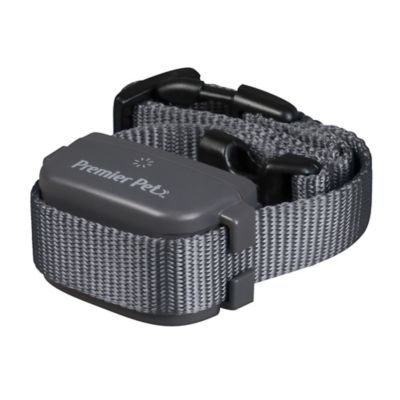
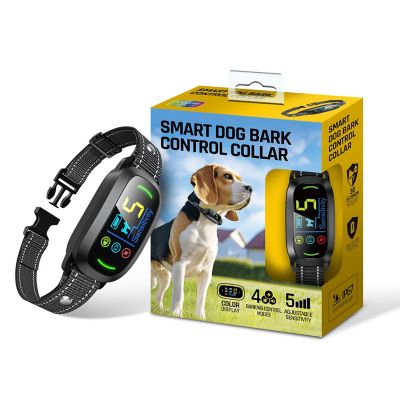
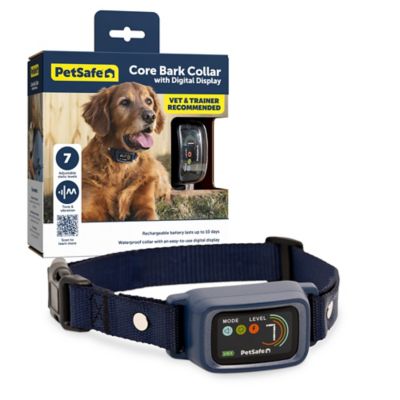
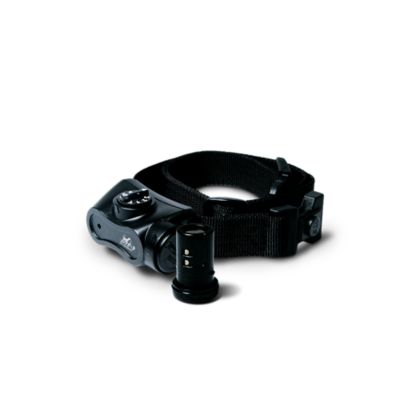
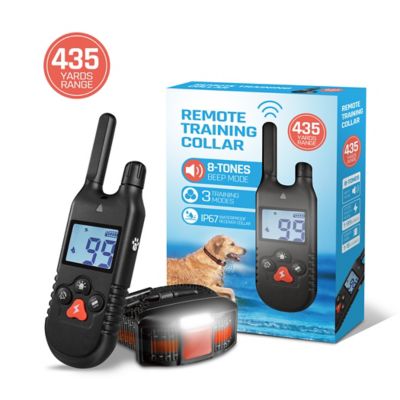
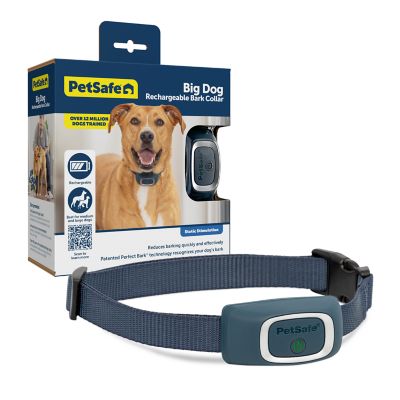
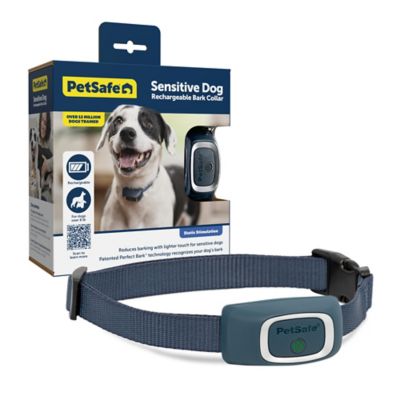
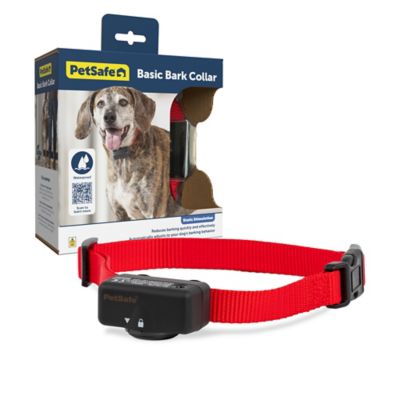
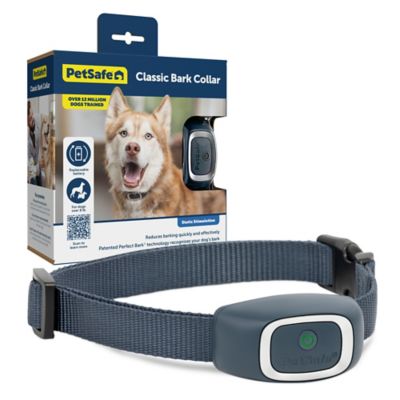
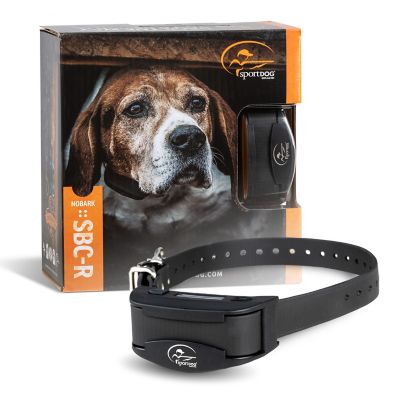
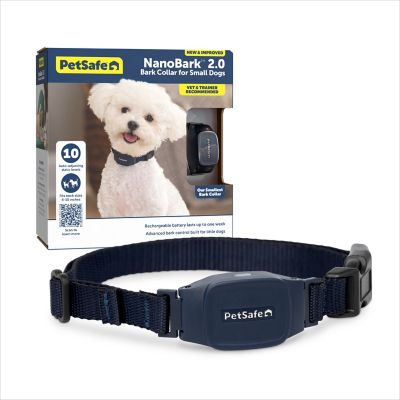
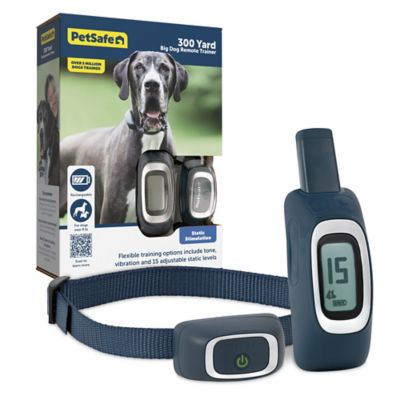
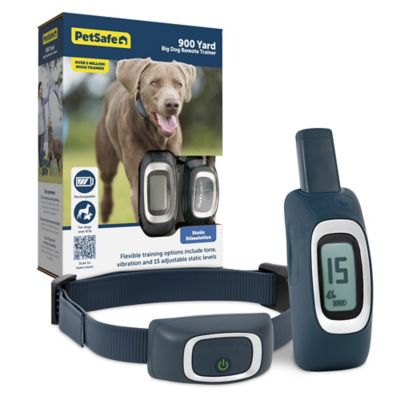
Bark control collars bring the signal directly to the dog wearing them, but their detection methods and fit requirements differ. Some respond to throat vibration, some detect sound, and others combine inputs to help distinguish the wearer’s bark from surrounding noise. Adjustable sensitivity, signal levels, and safety shutoff functions are worth comparing, although no feature removes the need for supervision. A collar’s stated neck range, minimum age, and weight requirements should match the dog; a small neck measurement alone does not establish that a receiver is suitable for a small dog. Receiver weight and shape also affect comfort, especially on a short-coated dog or one with a narrow neck. Woven nylon straps and molded receiver housings are common materials, and smooth edges, secure buckles, and intact stitching matter for everyday wear. Fit should follow the manufacturer’s directions rather than a general rule borrowed from an ordinary walking collar. Contact areas need regular checks for redness, rubbing, or pressure marks, and the collar should come off for the recommended breaks. Clean straps as directed, let them dry fully, and keep charging contacts free of buildup. A leash belongs on a separate walking collar or harness, not on an electronic receiver collar unless its instructions expressly permit it. Bark collars also serve a different purpose from remote training equipment. For handlers comparing equipment for supervised fieldwork and distance cues,
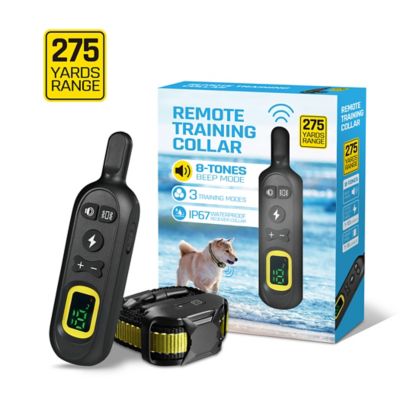
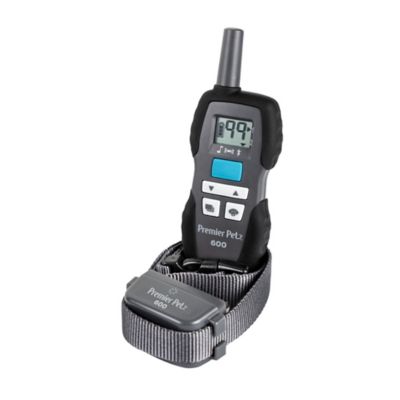
Hunting Dog Training Collars covers a separate category; automatic bark detection is not the same function as a handler-controlled signal. Around the house, a useful setup may be as simple as managing the dog’s view of the road and rewarding a quiet return to a bed after someone knocks. Watch the whole dog, not just the noise level: cowering, hiding, freezing, or avoiding a familiar space means the approach needs to stop and be reassessed. Persistent barking tied to fear or separation distress benefits from help from a veterinarian or a qualified reward-based trainer. The best match is equipment that fits the dog and the setting, with clear operating instructions, manageable care, and realistic expectations about what a bark interruption can accomplish.