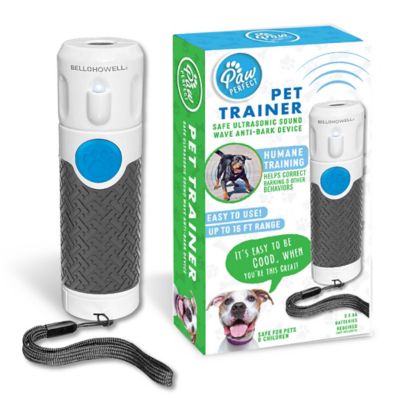
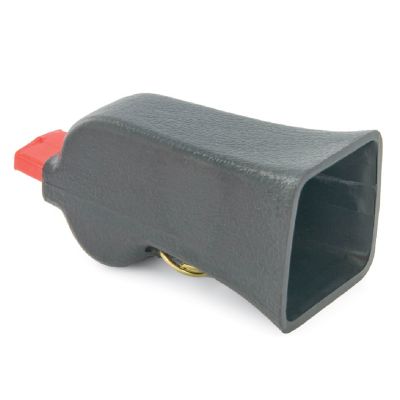
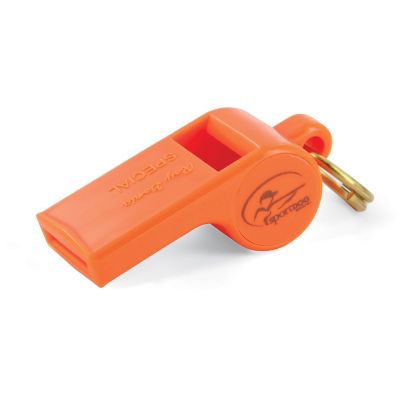
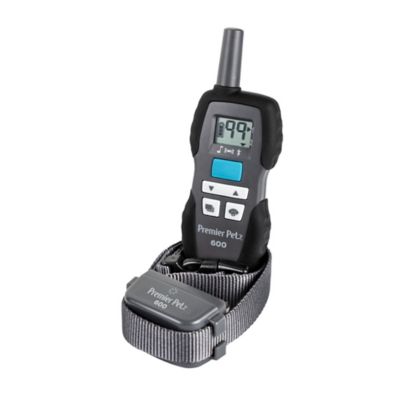
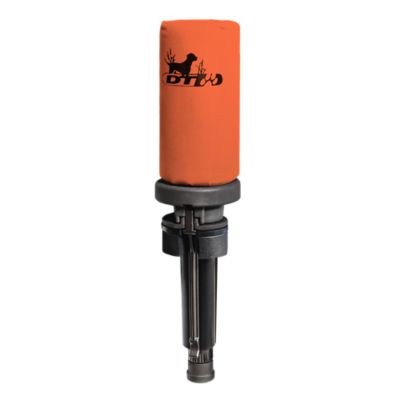
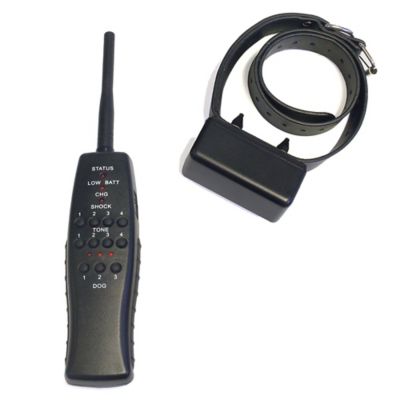
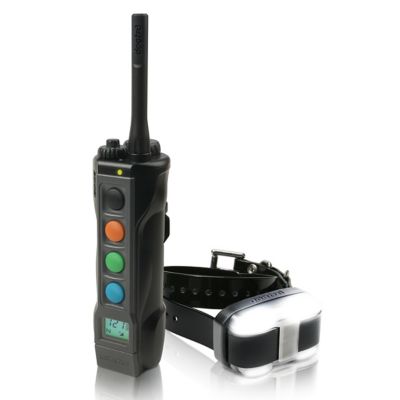
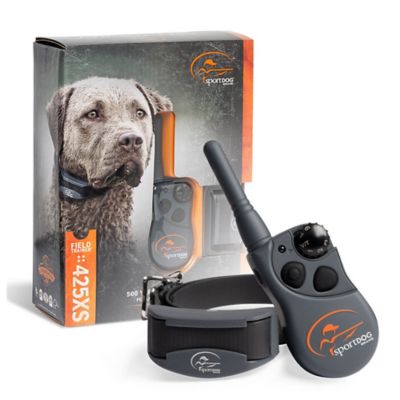
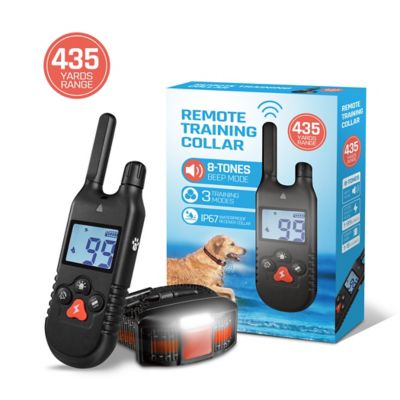
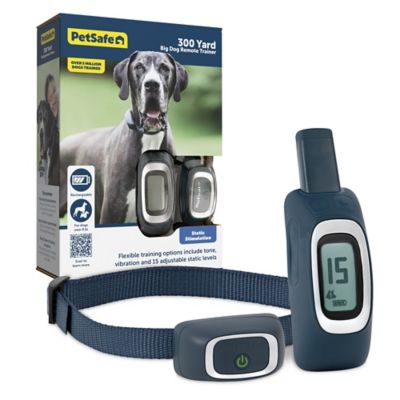
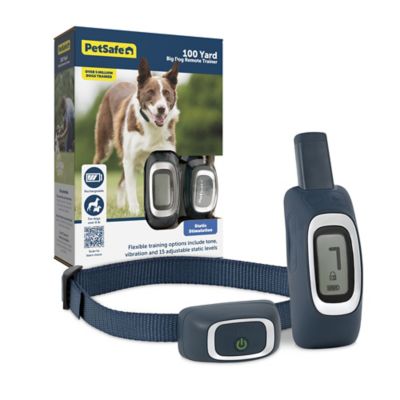
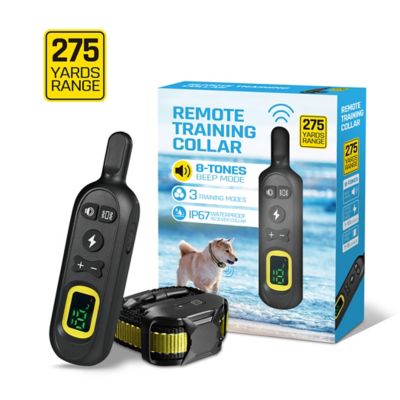
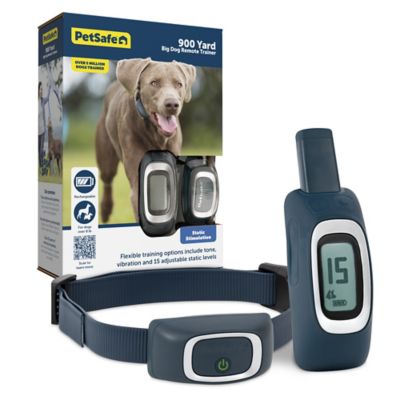
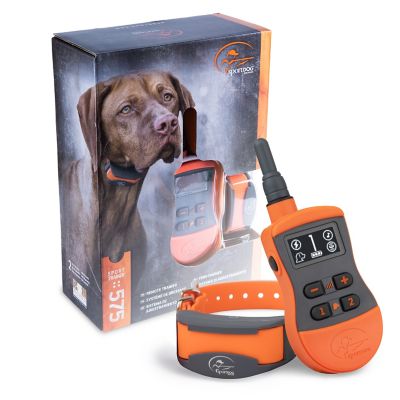
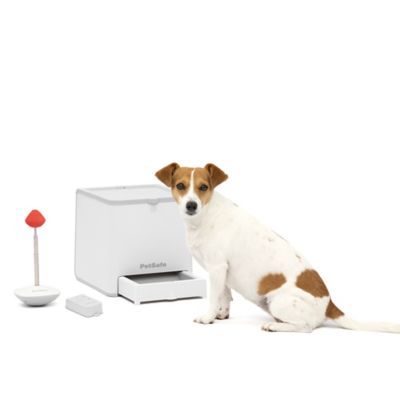
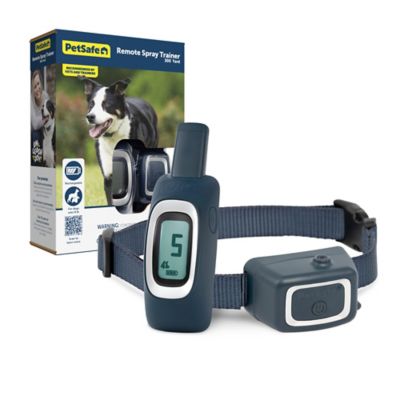
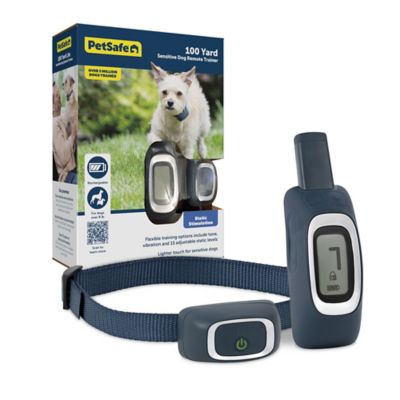
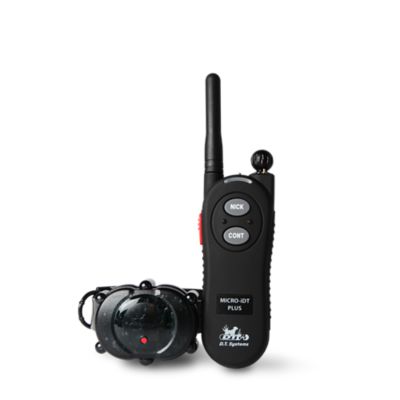
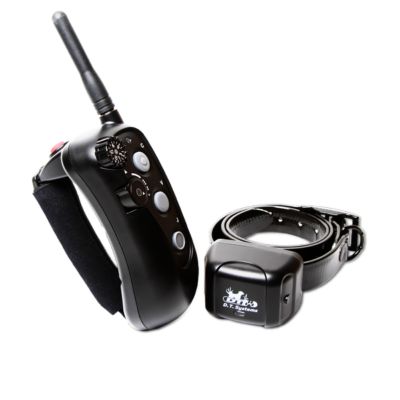
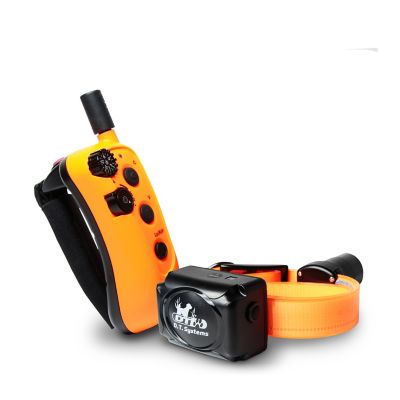
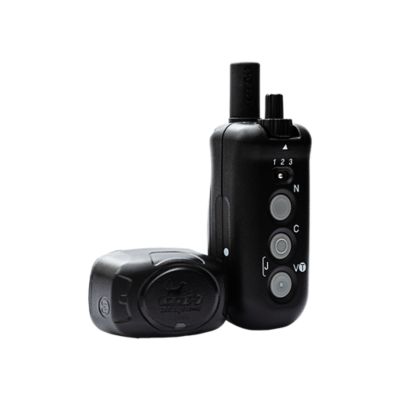
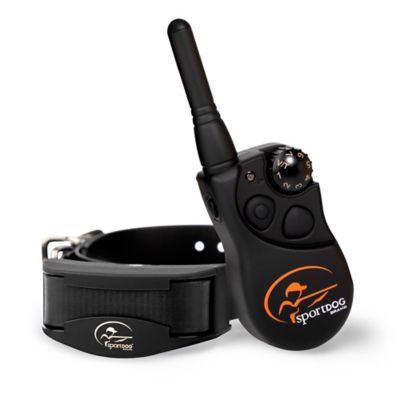
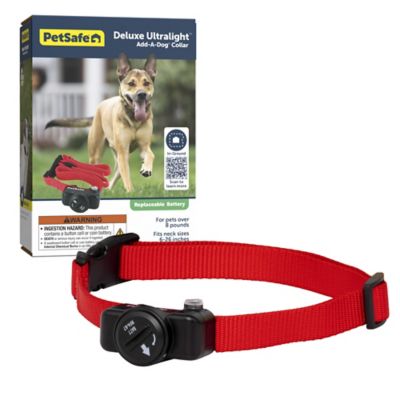
Handheld dog training devices put a clear signal within easy reach, whether the goal is a calmer walk down the lane, a steady wait at the gate or a better response when a dog’s attention wanders. These tools take several forms, including clickers, training whistles, sound-emitting devices and handheld remotes that communicate with a compatible collar receiver. Each serves a different purpose. A clicker marks the moment a dog gets something right, giving the handler a consistent sound to pair with a treat or another reward. A whistle carries a distinct cue that can be easier to recognize than a voice competing with everyday activity. Remote systems may offer tone or vibration functions, depending on their design, while ultrasonic devices produce high-frequency sound that dogs can respond to differently. No signal has a built-in meaning for a dog, and a device alone does not teach a command. Its value comes from clear associations, patient handling and rewards the dog cares about. That distinction matters around a busy yard, where a dog might need to leave a dropped feed scoop alone, settle beside the porch or return from sniffing along a fence. Handheld tools can suit first-time dog owners, experienced handlers and households where several people share training duties, but the right match depends on the dog as much as the person holding the device. Age, hearing, temperament and previous experiences all influence how a dog responds. A sharp click may catch one dog’s attention without trouble and startle another. Sound-based devices may also reach nearby pets, making the setting part of the decision. For close-up manners practice, a simple, easy-to-carry signal may be enough; work across a larger enclosed area calls for a closer look at communication range and receiver compatibility. The best fit is a tool that supports calm, repeatable communication without turning every interaction into a correction.
The feel of a handheld training device matters when it is sharing space with a leash, treat pouch and pocketful of everyday essentials. Compact housings are often made from molded plastic, sometimes with textured surfaces or rubberized grip areas that help the device stay in hand. A smooth, rounded shape can slip into a pocket easily, while a more pronounced grip may make the controls easier to find without looking down. Button size, spacing and resistance deserve attention, especially for anyone with limited hand strength or dexterity. A control that is easy to press deliberately should also be protected from accidental presses against keys or other pocket contents. Belt clips, wrist straps and lanyard attachment points offer different carrying options, though loose straps need to stay clear of equipment and anything that could snag them. Clear displays and distinct buttons can help a handler keep track of settings, particularly when a remote supports more than one receiver. Weight is another practical consideration: a device that feels comfortable for a quick session may feel different after a long walk. Battery arrangements range from replaceable cells to rechargeable designs, so charging connections, battery indicators and the care requirements for each system are worth comparing. Advertised operating range generally reflects particular testing conditions; buildings, terrain and other obstacles can affect communication in a working yard. A remote is not a substitute for a leash, secure fence or other physical safeguards near roads, livestock or machinery. Construction details also influence how well a tool stands up to repeated handling. Protected seams, firmly seated buttons and secure battery covers can help limit everyday wear, but no housing should be assumed to withstand hard drops or immersion. Water resistance and waterproofing are different claims, and the manufacturer’s stated limits matter. Routine care usually means keeping openings clear of grit, wiping the exterior as directed and storing the device where a curious dog cannot chew it.
For systems with a wearable receiver, the handheld control is only one part of the setup. When comparing remote devices and Humane Dog Training Collars, collar fit, receiver size and the available signal functions all deserve a close look. The
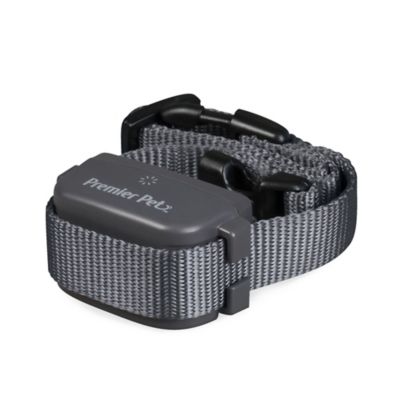
Humane Dog Training Collars page offers related collar-based options to consider alongside handheld controls. A receiver should suit the dog’s size without adding unnecessary weight, and the strap needs enough adjustment to follow the manufacturer’s fit instructions. Coat thickness can affect fit, while strap materials influence cleaning and comfort. Nylon can be flexible and lightweight; coated straps may be easier to wipe clean after contact with dirt. Any collar can rub when the fit is wrong or debris collects underneath, so skin checks, strap condition and recommended wear limits are important parts of ownership. A receiver collar should not serve as a leash attachment unless it is specifically designed for that purpose. Compatibility matters, too: a remote and receiver need to communicate within the same supported system, and similar-looking controls do not necessarily work together. Beyond those physical details, the dog’s response should guide whether a device belongs in the routine at all. Tone and vibration are not automatically gentle for every dog, and high-frequency sound can cause discomfort or distress. Electronic stimulation carries additional welfare concerns; reward-based methods are the better starting point, with qualified professional advice helpful when behavior is difficult to manage. Fear, pain, separation distress and aggression call for attention to the underlying cause rather than a stronger signal. A dog backing away, freezing or trying to escape is not simply being stubborn. For everyday practice, food rewards, praise, play and a clear cue give a handheld marker its meaning. A quiet session beside the barn can be just as useful as a longer walk, provided the dog understands the task and stays comfortable. Thoughtful device selection keeps the focus on that partnership: controls the handler can manage, equipment that fits the dog and communication that makes sense on both ends of the leash.