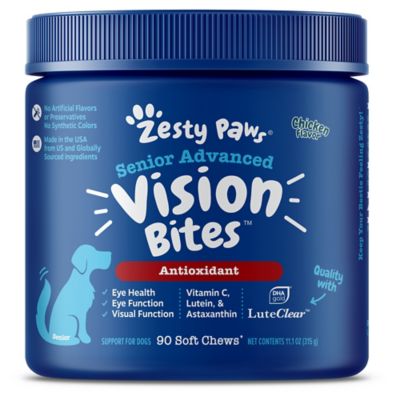
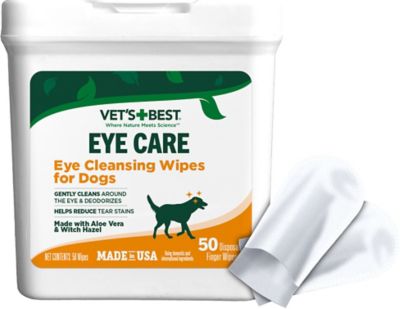
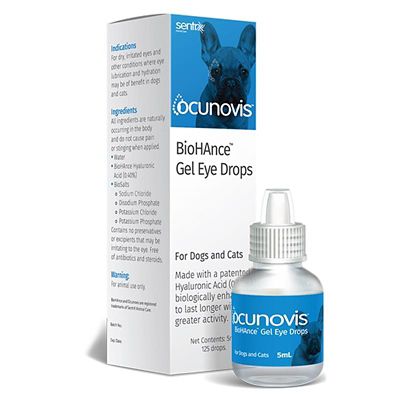
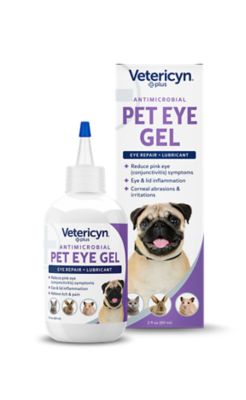
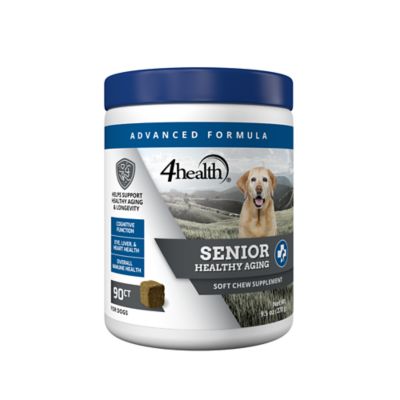
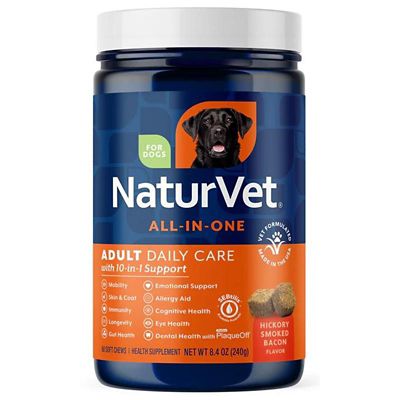
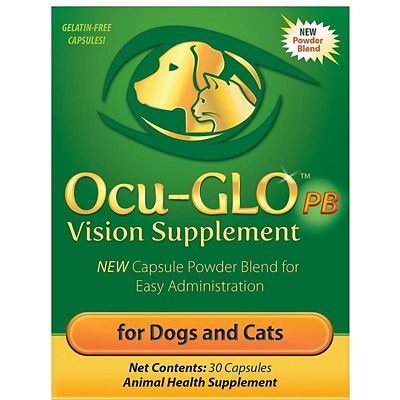
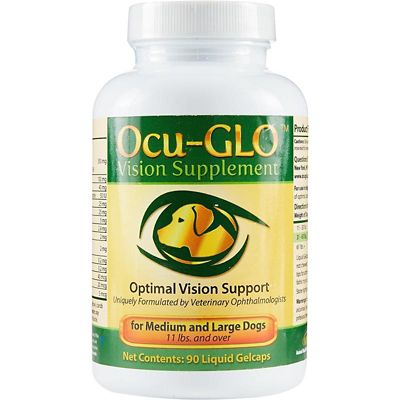
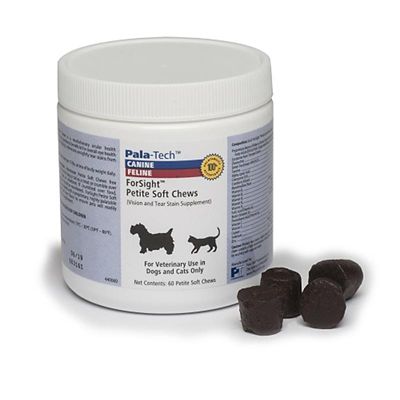
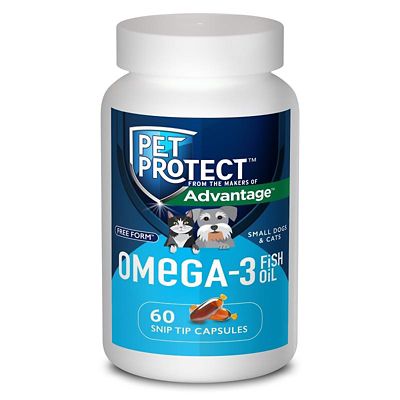
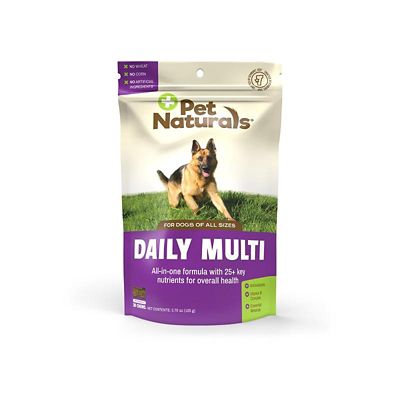
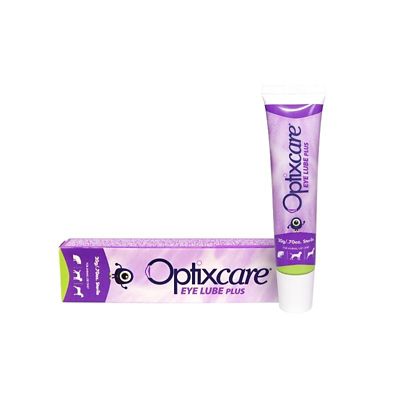
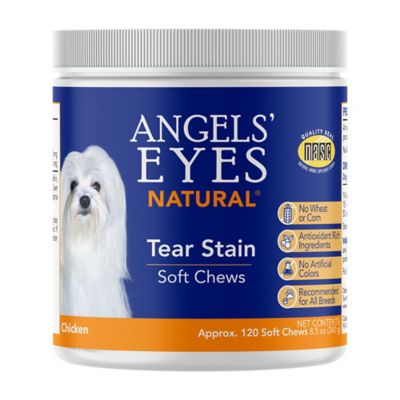
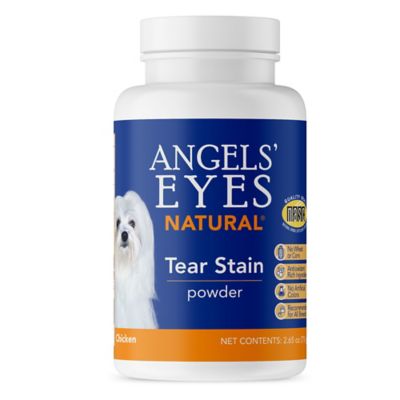
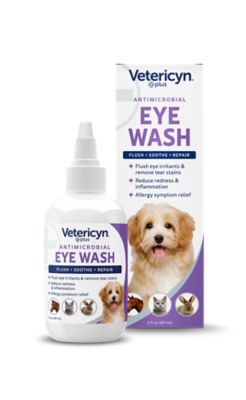
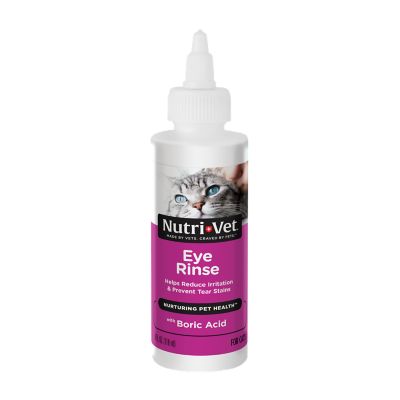
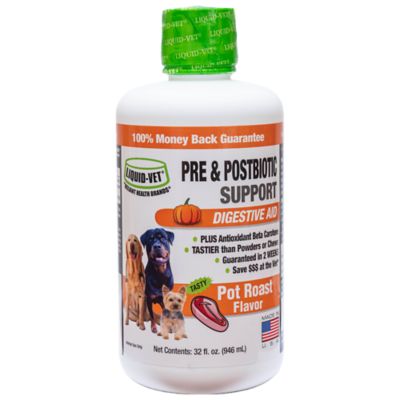
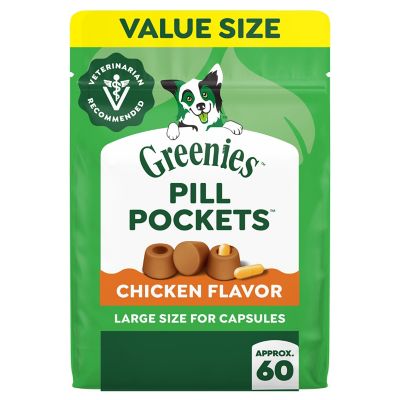
Dog eye health supplements can be a handy part of a dog’s everyday wellness routine, especially for older dogs, breeds with a family history of eye trouble, and pets whose eyes face extra challenges from dust, wind, dry indoor air or long days outdoors. These products are generally made to support normal eye function rather than replace veterinary care. Many formulas use antioxidant nutrients and omega fatty acids to help protect delicate cells from oxidative stress, support the retina and lens, and promote healthy tear quality. Lutein and zeaxanthin are carotenoid antioxidants often included for their role in helping maintain the cornea, lens and retina. Vitamins C and E also help support cells and blood vessels, while zinc plays a part in transporting vitamin A to the retina, where it helps form protective pigments. Omega-3 fatty acids, especially EPA and DHA, are valued for supporting retinal health and balanced tear production. Some formulas may also include grape seed extract, astaxanthin, cod liver oil or botanical ingredients selected for antioxidant and circulation support. When browsing dog eye health supplements, consider your dog’s age, size, diet, activity level and any guidance your veterinarian has given you. A cattle dog that spends its days checking fence lines, a hunting dog working through tall grass, and a senior retriever who prefers a sunny spot on the porch may all have different routines, but each can benefit from steady, sensible nutritional support when a supplement fits their needs.
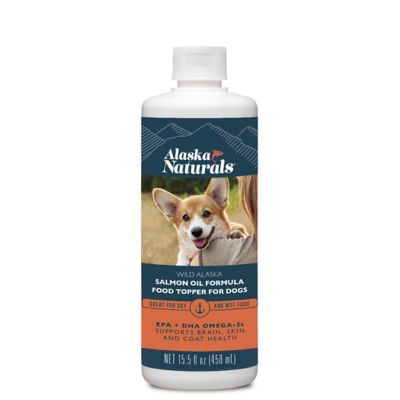
The best supplement is one your dog will take consistently and safely. Choose a format that suits the way you already care for your pet, whether that means a soft chew offered with breakfast, a powder mixed into dinner, a capsule tucked into a favorite bite or a liquid measured into food. Check the label for clear serving directions, the amount of active ingredients per serving and instructions based on body weight. Concentrated ingredients are not automatically better, and giving extra can create problems with certain vitamins, minerals or oils. Look for products made for dogs rather than people, since human supplements may contain ingredients that are unsafe for pets or provide an unsuitable dose. It is also wise to review the full ingredient list if your dog has food sensitivities, takes prescription medicine, follows a restricted diet or has a history of pancreatitis. Fish oils and other fats can be useful sources of EPA and DHA, but they may not suit every dog, and cod liver oil can add vitamins A and D that need to be counted as part of the overall diet. Herbal ingredients deserve the same careful attention as vitamins and minerals. Your veterinarian can help you compare options and decide whether a supplement makes sense alongside a complete dog food. For general wellness needs, you can also browse
Dog Supplements to find nutritional support for the whole dog, including skin, coat, joints and daily vitality. Keeping the container sealed, storing it as directed and using the included scoop or measuring tool can make a difference, too. A supplement sitting open beside a warm feed room window may lose freshness faster than one stored in a cool, dry cabinet.
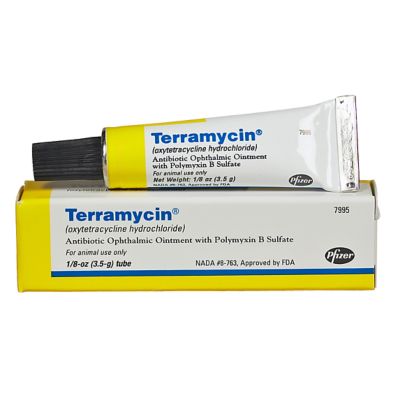
Dog eye health supplements are most useful as part of a bigger picture that includes regular veterinary exams, balanced nutrition, clean water and attention to changes in your dog’s behavior. They may be a practical choice for senior dogs whose owners want to support long-term wellness, for active dogs exposed to bright sunlight and blowing dust, or for a family bringing home a new puppy and building good care habits from the start. They can also make a thoughtful add-on gift for someone caring for an aging dog, particularly when paired with everyday essentials such as quality food, a comfortable bed or grooming supplies. Still, supplements should not be used to cover up signs of an eye problem. Squinting, redness, swelling, repeated pawing, discharge, sudden cloudiness, a visible injury, unequal pupils or a dog bumping into things calls for prompt veterinary attention. Tear stains alone may come from facial hair, drainage or other causes and should be evaluated if they are persistent, irritated or accompanied by odor. A supplement cannot remove a foreign object, treat an infection or correct a painful injury. Think of these products as nutritional support that works quietly over time, much like keeping fresh feed in the bin or adding a dependable mineral source to a daily routine. Follow the serving directions, introduce new supplements gradually when appropriate, and give your dog’s care team a complete list of everything your pet receives. With the right fit, dog eye health supplements can complement a steady routine and help support the clear, comfortable eyes your companion relies on while exploring the pasture, riding along in the truck or settling in for a nap during the cooler months.