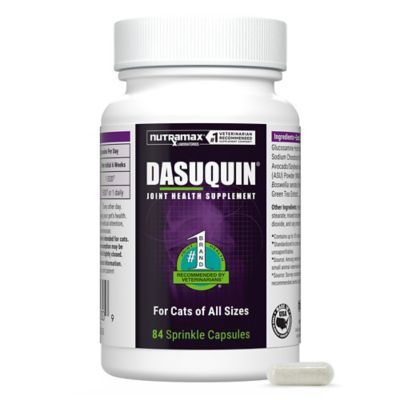
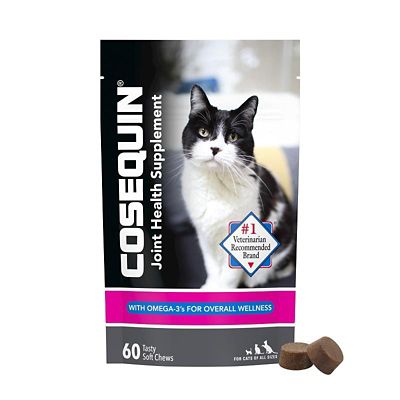
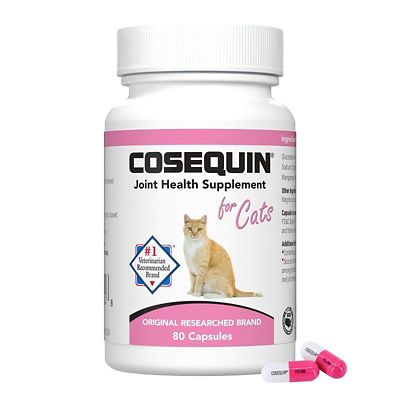
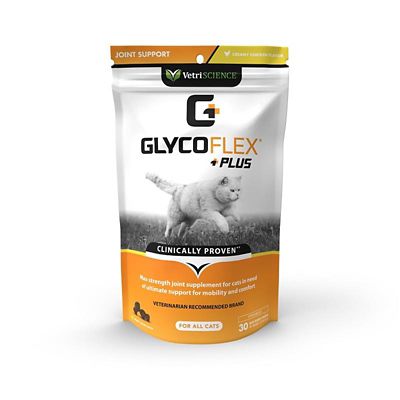
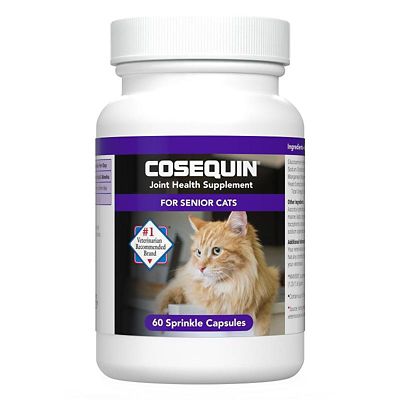
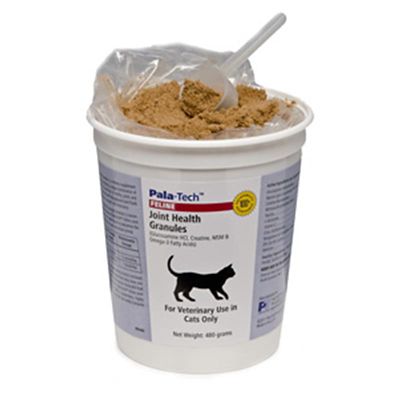
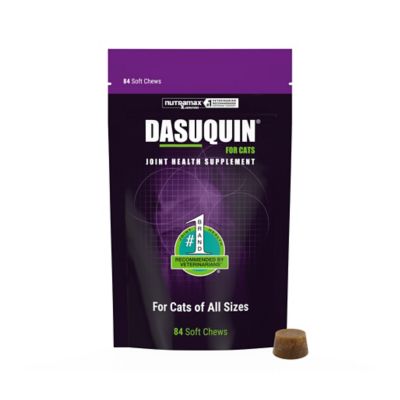
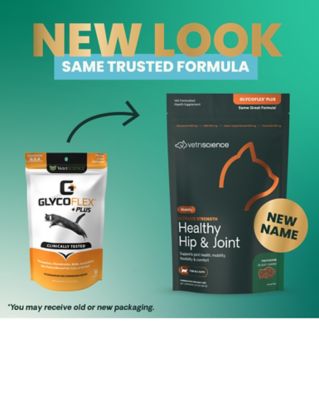
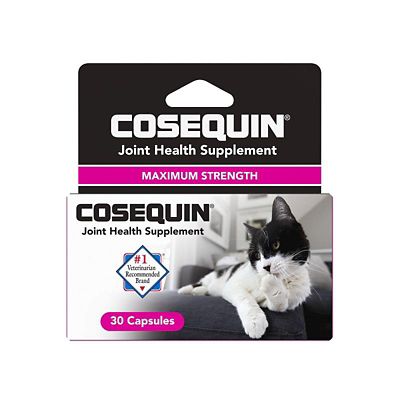
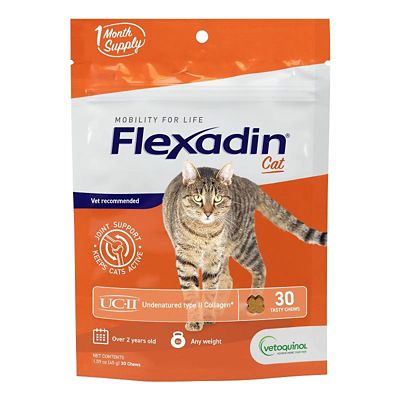
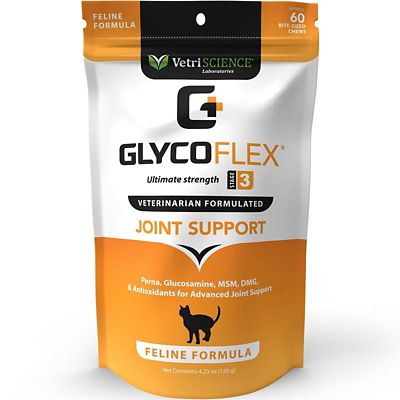
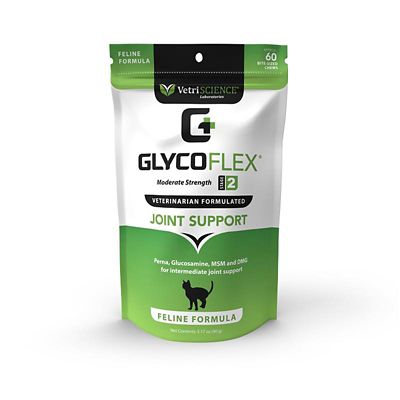
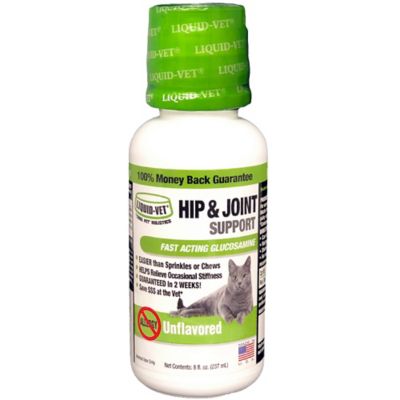
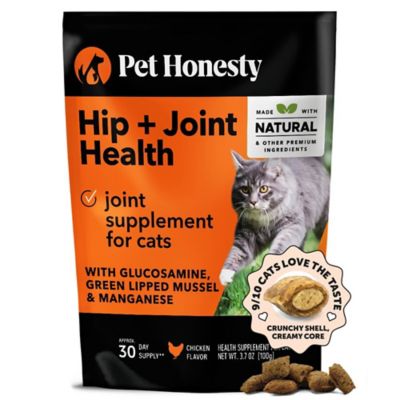
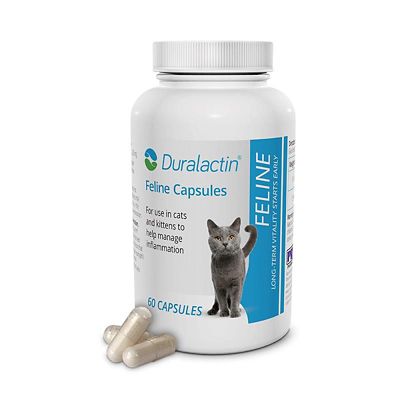
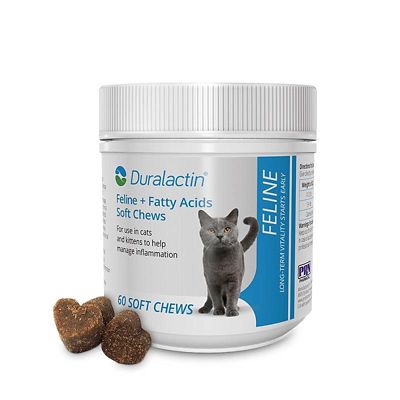
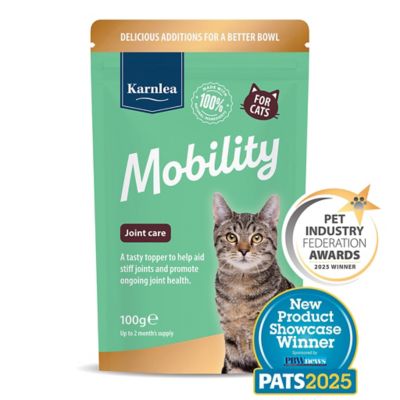
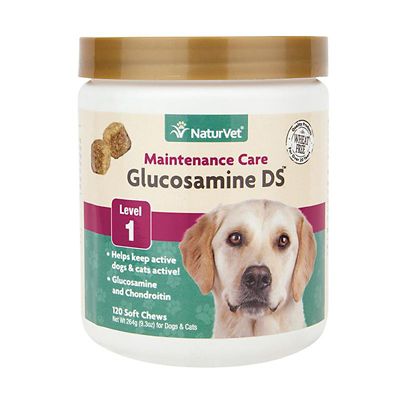
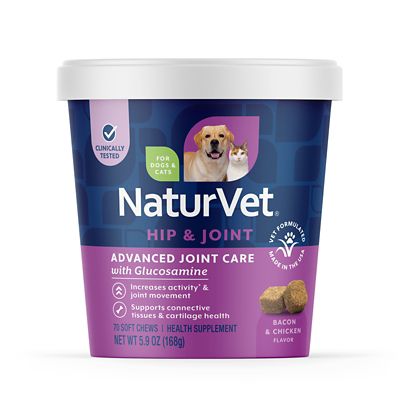
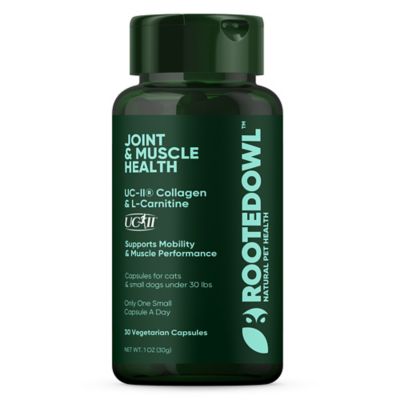
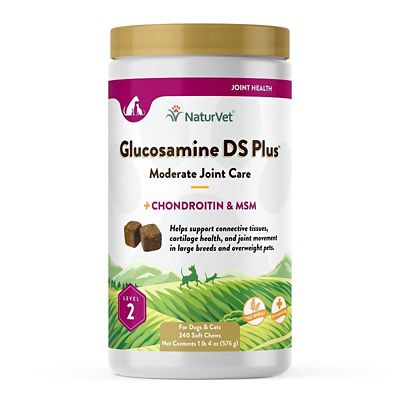
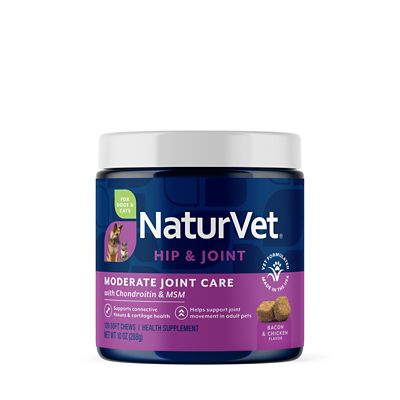
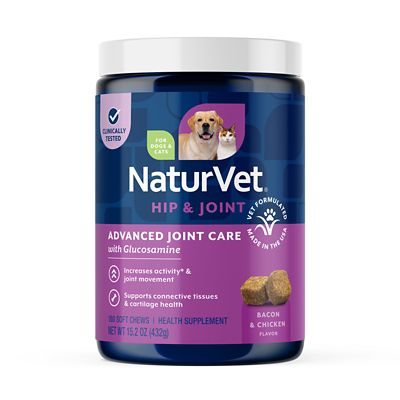
Cat joint health supplements can be a handy part of a daily care routine for cats that are getting older, slowing down, or showing mild changes in the way they move. A cat may still enjoy sunny windowsills and evening zoomies while quietly dealing with stiff hips, knees, shoulders, or elbows. You might notice small signs first: taking longer to stand after a nap, hesitating before jumping onto the sofa, using the stairs instead of leaping, or skipping a favorite perch altogether. Some cats groom less around sore joints, become touchy when handled, or spend more time tucked into a warm bed. Joint supplements are often used to support cartilage, comfortable movement, and everyday activity, especially for senior cats, large-bodied cats, cats with a history of injury, or cats whose veterinarian has noted arthritis or other joint concerns. Common ingredients include glucosamine and chondroitin sulfate, which help support cartilage and the cushioning structures around joints. Omega-3 fatty acids, particularly EPA and DHA from marine sources, may help support a healthy inflammatory response. Other formulas may include MSM, green-lipped mussel, hyaluronic acid, or additional vitamins and nutrients chosen for mobility support. Every cat is different, and a supplement should fit the animal’s age, weight, health history, diet, and current medications. A checkup is especially important when stiffness appears suddenly, your cat stops bearing weight, cries out, hides, loses interest in food, or has trouble reaching the litter box. Those signs can point to a problem that needs prompt veterinary attention rather than an over-the-counter supplement alone.
The right format can make daily use much easier, particularly with cats that have strong opinions about what belongs in the food bowl. Sprinkle capsules can be opened and mixed with a small serving of wet food, while liquid drops can be measured into a meal when a cat accepts added moisture and flavor. Soft chews or bite-sized treats may work well for cats that happily take a snack from your hand, though some cats will sniff a new texture and walk away like a barn cat inspecting a strange tool. For a picky eater, start with a small amount mixed into a favorite food and follow the package directions for gradually reaching the suggested serving. It is wise to offer the supplement separately from a full meal at first, since that makes it easier to tell whether your cat accepts the taste and whether it causes stomach upset. Follow the feeding instructions closely, use the measuring scoop or dropper provided, and avoid giving human joint products unless your veterinarian specifically approves them. Look for clear ingredient lists, serving guidance based on cat size, expiration information, and storage instructions. A product made for cats is generally the better choice because cats have different nutritional needs and may react poorly to ingredients, sweeteners, flavorings, or concentrated nutrients intended for people or dogs. Keep a simple note of when you begin, how much you give, and what you observe, such as easier movement after resting or more interest in climbing. Joint supplements are not usually instant pain relief; many cats need consistent daily use for roughly four to six weeks before changes are noticeable, and some may need a longer trial under veterinary guidance. If your cat takes prescription medicine, has kidney or liver disease, has food allergies, or eats a therapeutic diet, check with the veterinarian before adding anything new.
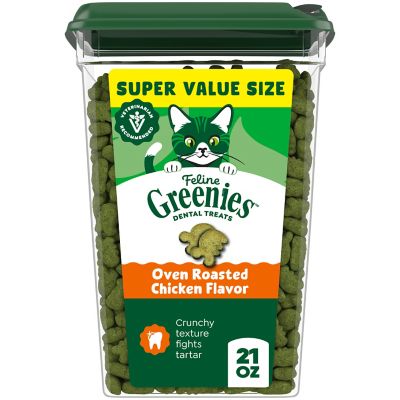
Choosing cat joint health supplements is also about making the rest of the home easier on aging paws. A low-sided litter box can help a stiff cat get in and out, and a soft bed placed away from cold drafts may encourage more restful sleep during the cooler months. A small step, ramp, or sturdy ottoman can give your cat a safe route to a favorite chair or window without asking sore joints to make one big jump. Keep food, water, and litter in easy-to-reach locations, and use rugs or mats on slick floors where a cat may lose footing. During warmer weather, watch for overexertion, while cooler days may make stiffness more noticeable after long naps; gentle play in short sessions can help maintain activity without pushing a sore cat too hard. Supplements can be a thoughtful gift for a friend or family member who has recently welcomed a senior cat, adopted an adult cat, or is building a more comfortable routine for a beloved companion, but it is best to include a gift receipt and encourage the recipient to review the ingredients with their veterinarian. A mobility-support supplement can also fit naturally into a broader wellness routine that includes a balanced diet, regular weight checks, nail care, and routine exams. Alongside joint care, cat owners may want to explore
Cat Oral Health Products for another everyday part of keeping a cat comfortable. With the right format, steady use, and realistic expectations, these products can help support the little movements that matter: stepping onto a favorite blanket, stretching after a nap, climbing onto a low perch, and padding across the floor to greet you at feeding time.