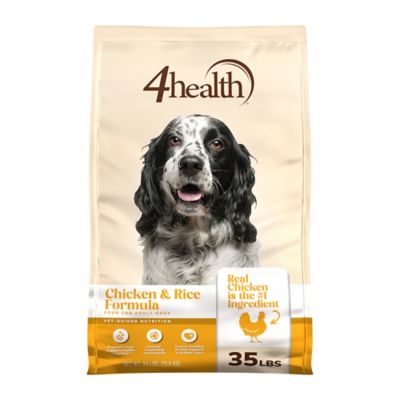
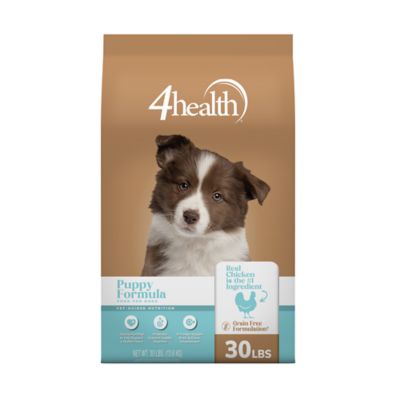
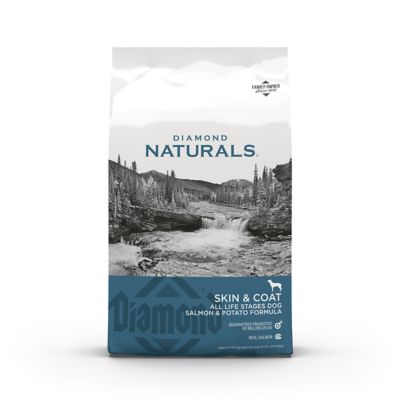
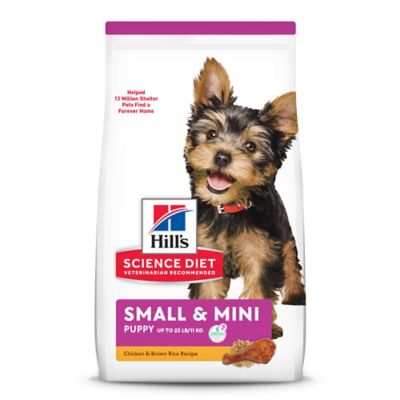
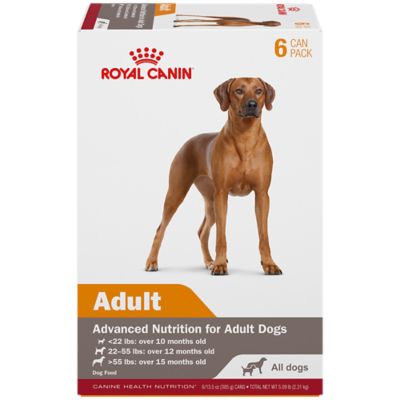
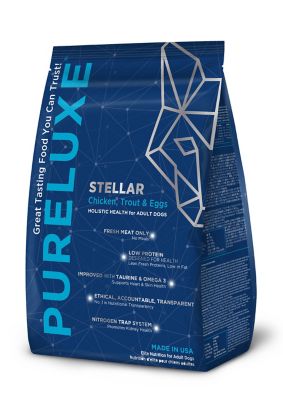
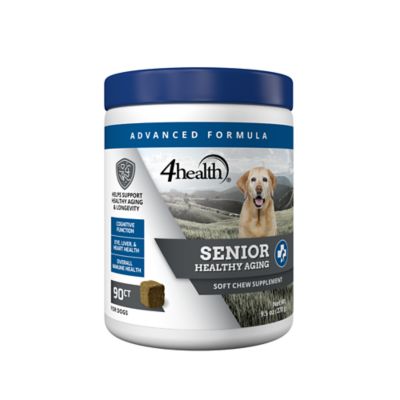
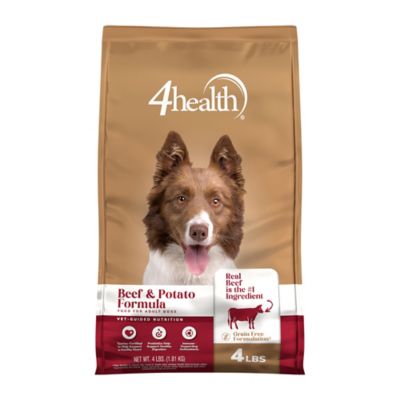
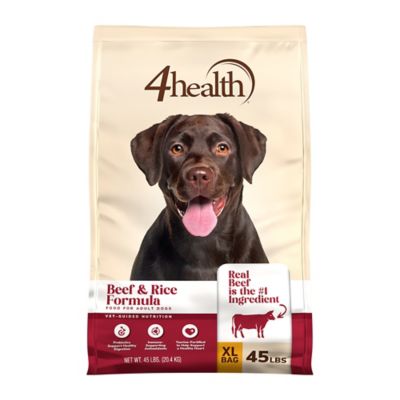
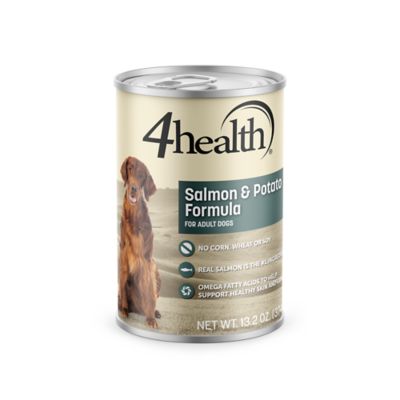
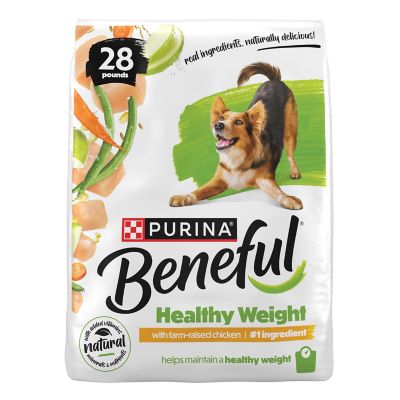
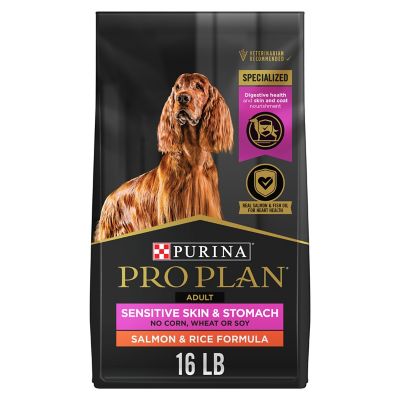
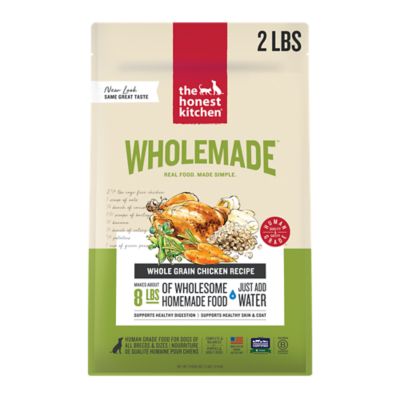
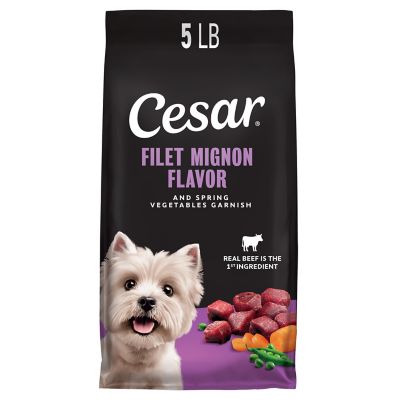
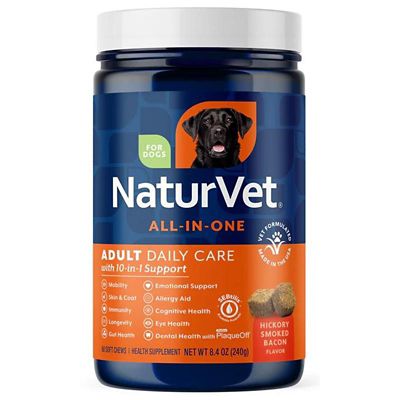
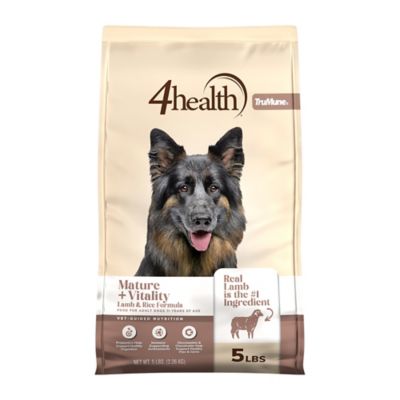
Choosing dog food for eye health starts with looking for a well-rounded diet that supports your dog from nose to tail, not just a single “eye care” ingredient. Dogs rely on healthy eyes for everything from finding a dropped treat in the grass to navigating a dim barn aisle, and nutrition plays a part in maintaining normal vision as they age. When comparing foods, check that the recipe is complete and balanced for your dog’s life stage, whether you’re feeding a growing puppy, an active adult, or a senior companion who spends more time snoozing on the porch. Ingredients commonly associated with eye support include omega-3 fatty acids, especially EPA and DHA, along with beta-carotene, vitamin A, lutein, zeaxanthin, and antioxidant vitamins C and E. Fish-based recipes may provide omega-3s that support normal retinal function and help maintain healthy skin and tear production, while ingredients such as carrots, sweet potatoes, pumpkin, leafy greens, eggs, and berries can contribute beta-carotene and antioxidant nutrients. These foods are not a cure for eye disease, and a nutritious diet cannot replace an examination, but they can fit into a steady feeding routine built around your dog’s overall wellness. If your dog has a diagnosed condition, food allergy, sensitive stomach, or a veterinarian-recommended diet, use that guidance as your starting point. It’s also smart to transition to a new food gradually over several days by mixing increasing amounts of the new recipe with the old one. That simple step can help avoid the loose stools and upset bellies that sometimes follow a sudden change, especially in dogs who have a habit of treating every meal like a race.
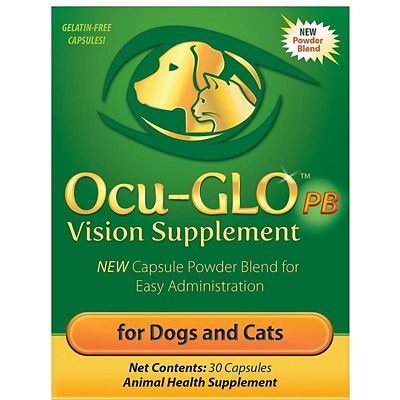
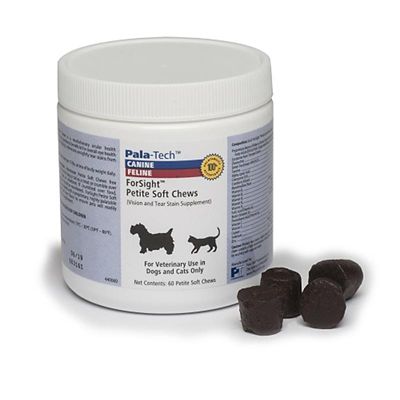
The products on this page can be useful for pet parents who want to make thoughtful choices for a dog’s long-term care, including families with older dogs, working dogs, and companions that spend plenty of time outdoors in changing light. A senior dog may benefit from a diet with carefully selected antioxidants and omega-3 fatty acids as part of a broader wellness plan, while a younger dog needs food matched to growth and proper development rather than extra add-ins chosen at random. Active dogs running fence lines, joining weekend walks, or riding along for chores may need different calorie levels than a quiet house dog, so follow the feeding directions and adjust portions with your veterinarian if your dog’s weight changes. Foods featuring fish, fish oil, or other marine sources can be a convenient way to add EPA and DHA, but the amount and source matter. If you are considering a separate oil or eye-health supplement, ask your veterinarian before adding it, since supplements can interact with medications, duplicate nutrients already in a complete food, or provide too much fat for dogs with certain health concerns. For a small gift, a bag or container of quality dog food can be a practical choice for a friend welcoming a new puppy, adopting a senior dog, or caring for a hard-working farm dog, though it’s best to confirm the dog’s age, size, dietary needs, and preferred formula first. A food that suits one dog may not suit another, and even wholesome ingredients can cause trouble for a pet with an intolerance. For families comparing nutrition for more than one part of a dog’s wellness routine, you can also explore
Dog Food For Heart Health as another way to think about complete, everyday nourishment.
Whole-food toppings can sound appealing, but they should be offered in moderation and prepared safely. Plain carrots may be served raw as a crunchy snack or gently steamed for easier chewing; cut them into bite-size pieces for smaller dogs and always keep an eye on enthusiastic eaters. Plain cooked salmon or sardines can provide omega-3 fatty acids, but avoid bones, heavy oils, salty seasonings, garlic, onions, and sauces. Cooked egg, including the yolk, contains lutein and zeaxanthin, while small portions of blueberries offer antioxidant compounds; both should be plain and treated as occasional additions rather than replacements for a complete diet. Sweet potatoes and pumpkin should be cooked and unseasoned, and leafy greens should be offered only in small amounts if your veterinarian says they fit your dog’s diet. Never give dogs grapes, raisins, chocolate, xylitol, or foods made with onion or garlic, and don’t assume a human eye-health supplement is safe for pets. During the warmer stretch of the year and into the cooler months, outdoor dogs may face dust, pollen, bright sunlight, or chilly wind, so nutrition is only one piece of good care. Keep fresh water available, check around the eyes after dusty walks or chores, and watch for squinting, cloudiness, redness, discharge, rubbing, bulging, or a sudden change in how your dog moves around. Those signs deserve prompt veterinary attention, especially if they appear quickly or seem painful. With a balanced food, sensible portions, safe treats, and regular checkups, you can help support clear-eyed adventures from the pasture gate to the living-room rug.