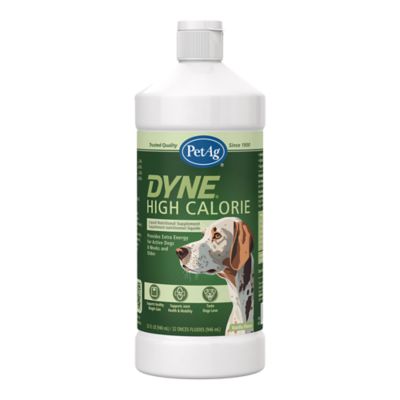
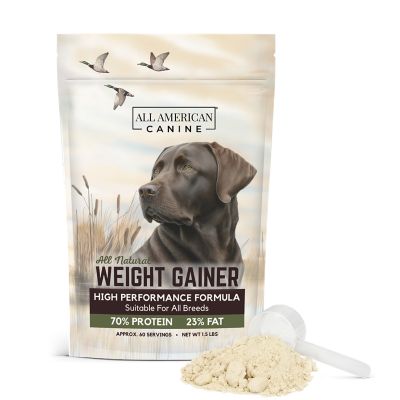
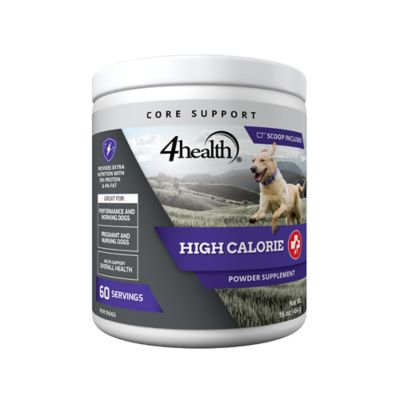
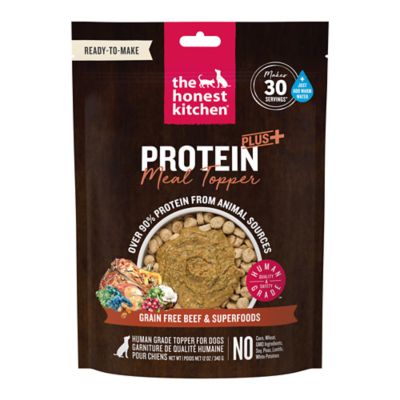
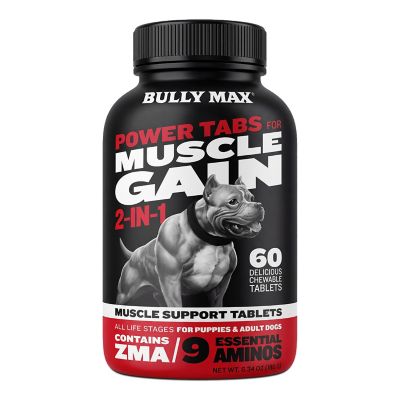
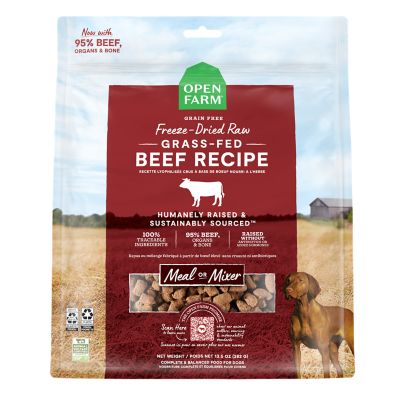
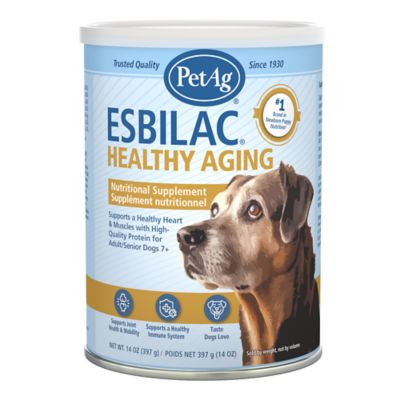
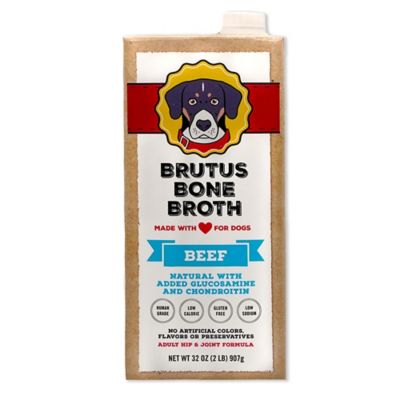
Dog protein supplements can be a helpful addition for some dogs, but they are not a must-have for every pup. Most healthy dogs eating a complete and balanced commercial diet already get the protein, calories, vitamins and minerals they need for everyday life. A supplement is best viewed as extra support for a specific need rather than a replacement for regular dog food. Active dogs that spend long days hunting, herding, running, hiking or working on the farm may use more energy and amino acids than a couch-loving companion. Dogs recovering from surgery, illness or an injury may also need help maintaining lean muscle while their activity is limited. Older dogs can gradually lose muscle as they age, especially around the hips and back legs, and an underweight dog may need a carefully planned way to gain healthy weight. In each of these situations, a veterinarian should help decide whether a dog protein supplement makes sense and how much to use. The right choice depends on your dog’s age, size, breed, current food, body condition, activity level and overall health. A stocky working dog that comes in from a chilly morning pasture check has different needs than a senior lap dog that spends most of the day napping by the woodstove. Look for canine-specific formulas with clear ingredient information and feeding directions made for dogs, and consider whether the supplement adds useful protein, calories or both. Some options are designed to provide quickly digested protein and amino acids, while others may pair protein with ingredients intended to support joints, digestion or recovery. Bone broth and collagen-based formulas can be gentler choices for some dogs and may fit well into a feeding routine focused on mobility and comfort, though they should not be treated as a cure for joint disease or digestive problems. Specialized egg-based protein formulas may be used to support lean muscle in certain dogs, while whey-based ingredients can offer concentrated protein but may not agree with every stomach because of lactose or other dairy components. Start any new supplement gradually, follow the package directions and watch your dog’s stool, appetite, energy and skin for changes. A shiny coat and a bright, steady step are encouraging signs, but sudden weight loss, weakness, vomiting, diarrhea or a change in appetite calls for veterinary attention rather than a new supplement alone.
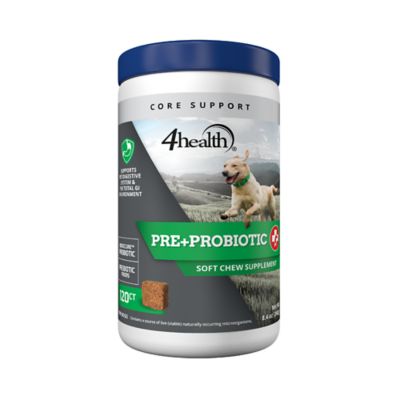
When shopping for dog protein supplements, begin with the reason behind the purchase. A highly active dog may benefit from extra nutritional support around strenuous work, but adding concentrated calories without adjusting meals can lead to unwanted weight gain. A dog recovering from an injury may need more protein while also following strict limits on exercise, making portion control especially important. For an older dog, maintaining muscle through a combination of appropriate food, gentle movement and veterinary guidance may matter more than simply adding a large amount of protein. Dogs with kidney, liver, digestive or other health concerns may need a carefully managed diet, and extra protein is not automatically safe for them. Puppies, pregnant or nursing dogs and dogs taking medication also deserve individualized advice before receiving supplements. Read the label for the protein source, calorie content, serving size, storage instructions and any added ingredients. Simple formulas can make it easier to track what your dog is getting, especially if they already take a joint, skin or digestive supplement. Avoid products made for people unless a veterinarian specifically directs their use. Human protein powders, shakes and flavored mixes may contain unsafe sweeteners, including xylitol, along with chocolate, caffeine, excess sodium, herbs or other ingredients that can be dangerous to dogs. Even products that seem plain can be far richer than your dog needs or may contain additives that upset the stomach. Keep all powders, chews and tubs secured away from curious noses; a torn bag in the feed room can turn into a serious problem in a hurry. Protein supplements can be mixed with food or offered according to the label, but they should not crowd out a complete and balanced diet or become the main source of daily nutrition. If your dog is a picky eater, a powder with a mild flavor may be easier to introduce, while a chew or soft format may work better for a dog that turns up its nose at anything stirred into the bowl. Some pet owners also pair a protein supplement with
Dog Probiotic Treats when looking for convenient ways to support a dog’s everyday routine, though each added product should be checked for overlapping ingredients and discussed with a veterinarian when health concerns are involved.
Dog protein supplements can also make a thoughtful gift for a friend, neighbor or family member whose dog is getting back on its feet, preparing for a season of outdoor work or slowing down with age. They are especially practical for households with sporting dogs, farm dogs, rescue dogs recovering from poor nutrition or senior companions that need help holding onto muscle. A gift card or a carefully chosen canine supplement can be more useful than a novelty item when you know the dog’s owner is already working with a veterinarian on weight, recovery or performance goals. If you are buying for someone else, choose a clearly labeled dog-specific product and include the receipt so the owner can confirm that it fits the dog’s diet. For your own dog, keep track of body weight and condition by checking the ribs, waist and muscle along the hips and shoulders rather than relying on the scale alone. During the cooler months, dogs may spend more time indoors, while working and outdoor dogs may burn plenty of energy moving through wet grass, rough ground or early frost. Activity can change from one week to the next, so feeding amounts and supplement use may need to change as well. Store supplements in a cool, dry place and use a clean scoop to keep moisture and barn dust out of the container. Most importantly, think of added protein as one small part of good care that includes fresh water, a complete diet, safe exercise, regular checkups and plenty of rest. With the right product and professional guidance, a protein supplement may help support lean muscle, safe weight gain or recovery, while careful portions and close observation help keep your dog feeling sturdy, comfortable and ready for the next trip down the drive.